编织手提包(户外休闲)
CN → US| HS Code | Tariff Rate | Origin | Destination | Doc |
|---|---|---|---|---|
| 4602112100 | 41.2% | CN | US | Official Doc |
| 4602192920 | 40.3% | CN | US | Official Doc |
| 4202224020 | 42.4% | CN | US | Official Doc |
| 4202228980 | 52.6% | CN | US | Official Doc |
Product Images
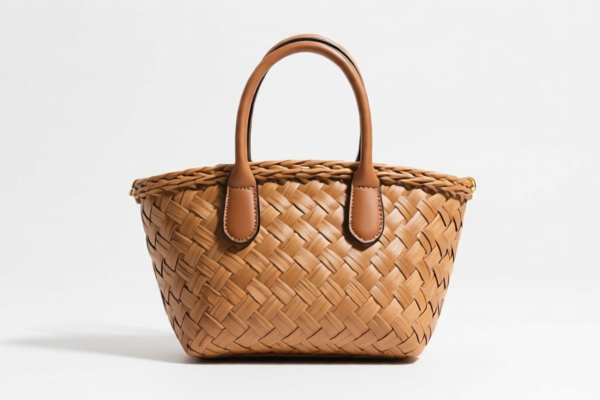
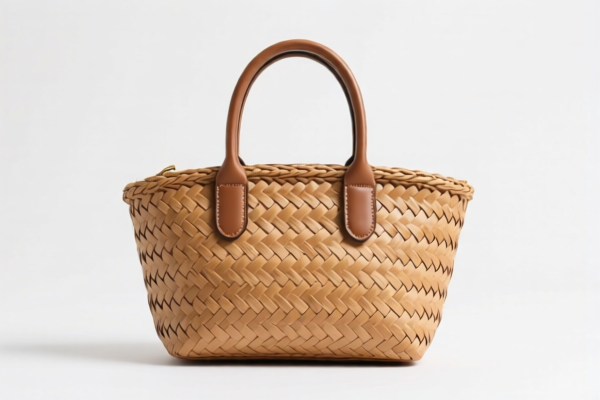
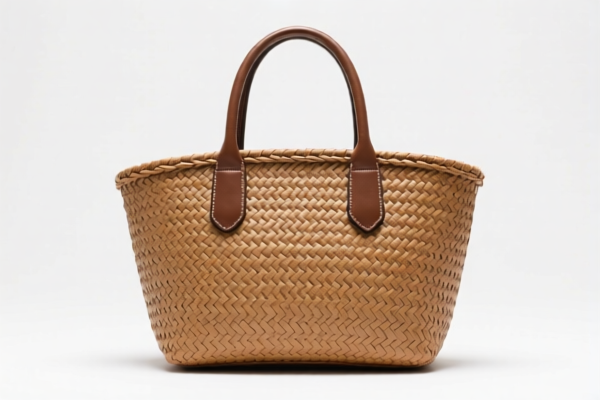
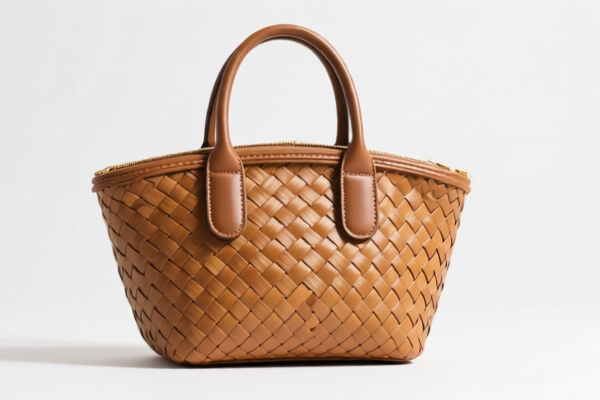
AI Analysis
🎒 Handheld Woven Bags (Outdoor & Leisure Use)
🌐 HS Code Reference & Customs Clearance Guide | 2026 Latest Tariff Analysis | Professional Compliance Strategy
📌 I. Product Definition & Classification: What Exactly Are "Woven Handheld Bags"?
Handheld woven bags, often categorized under "Outdoor Leisure" or "Fashion Accessories," are portable containers made primarily from natural plant fibers or synthetic textile materials. In international trade, their classification depends heavily on the raw material composition and the degree of processing.
Natural Plant Materials (Basketry): Made from bamboo, rattan, reed, straw, or other vegetable plaiting materials. These fall under Chapter 46.
Other Materials: Made from other vegetable materials, or specifically woven textile materials. These fall under Chapter 42.
⚠️ Key Distinction Point:
- If the bag is made from bamboo, rattan, or similar plant plaiting → Classified under Chapter 46.
- If the bag is made from other woven textiles (e.g., polyester, nylon, cotton woven into a bag structure) → Classified under Chapter 42.
- Misclassification Risk: Declaring a bamboo bag as "textile" or vice versa leads to significant duty differences and potential customs penalties.
📦 II. HS Code Classification Details (2026 Latest Tariff Authoritative Comparison)
| HS Code | Product Description | Material Composition | Applicable Scenario |
|---|---|---|---|
4602.11.21.00 |
Woven handbags, made of bamboo, rattan, or similar plant materials | Natural plant plaiting (Bamboo/Rattan) | Eco-friendly outdoor bags, beach bags, rustic fashion accessories |
4602.19.29.20 |
Woven handbags, made of other vegetable material plaiting | Other vegetable fibers (Straw, Reeds, etc.) | Straw hats/bags, reed baskets, artisanal woven items |
4202.22.40.20 |
Woven handbags, made of woven textile materials | Woven Textiles (Synthetic/Natural Fibers) | General woven fabric bags, canvas bags, synthetic weave |
4202.22.89.80 |
Woven handbags, made of other textile materials | Other Textiles (Non-woven or Specific Weave) | Complex textile structures, mixed material bags (excluding standard woven) |
🔍 Key Reminder:
- Chapter 46 is reserved for products of basketry or other plaiting materials. If the bag retains the structural integrity of "plaited" natural materials, it stays here.
- Chapter 42 covers articles of leather, travel goods, handbags, and woven textile bags. If the material is processed into a "textile" fabric first and then made into a bag, it goes here.
- Do not split the bag into "handle + body" for declaration unless they are clearly separate, unassembled parts intended for sale as such.
💰 III. 2026 Latest Tariff Rate Breakdown (Including Additional Duties & Policy Surcharges)
✅ Applicable Country: United States (US)
✅ Origin: China (CN)
✅ Effective Date: November 10, 2025 (Including subsequent imports)
🎯 1. 4602.11.21.00 —— Woven Handbags (Bamboo/Rattan)
| Item | Content |
|---|---|
| Base Duty Rate | 6.2% (ad valorem) |
| Section 301 Surcharge | +25.0% (Section 301 Tariffs) |
| Section 122 Surcharge | +10.0% (Trade Facilitation and Enforcement Act) |
| Total Rate | 41.2% |
| Tax Calculation | CIF Value × 41.2% |
| De Minimis Exemption | ❌ Not Eligible (deny_de_minimis) |
| Legal Basis Path | Section 301 → Section 122 → USITC:4602.11.21.00 |
📌 Explanation:
- Base Rate 6.2%: Standard MFN duty for bamboo/rattan basketry.
- Section 301 (25%): Broad punitive tariff on Chinese goods under Trump-era/Biden-administration trade policies.
- Section 122 (10%): Additional surcharge for specific categories, often applied to consumer goods to balance trade deficits.
- Total 41.2%: A very high effective tax rate, significantly impacting profit margins.
🎯 2. 4602.19.29.20 —— Woven Handbags (Other Vegetable Materials)
| Item | Content |
|---|---|
| Base Duty Rate | 5.3% (ad valorem) |
| Section 301 Surcharge | +25.0% |
| Section 122 Surcharge | +10.0% |
| Total Rate | 40.3% |
| Tax Calculation | CIF Value × 40.3% |
| De Minimis Exemption | ❌ Not Eligible (deny_de_minimis) |
| Legal Basis Path | Section 301 → Section 122 → USITC:4602.19.29.20 |
📌 Note:
- Slightly cheaper than bamboo/rattan by 0.9%, but still subject to heavy tariffs.
- Applies to straw, reed, or other non-bamboo/rattan vegetable plaiting.
- Warning: If you claim "Straw Bag" but it is actually Bamboo, this misclassification will result in severe penalties.
🎯 3. 4202.22.40.20 —— Woven Handbags (Woven Textile Materials)
| Item | Content |
|---|---|
| Base Duty Rate | 7.4% (ad valorem) |
| Section 301 Surcharge | +25.0% |
| Section 122 Surcharge | +10.0% |
| Total Rate | 42.4% |
| Tax Calculation | CIF Value × 42.4% |
| De Minimis Exemption | ❌ Not Eligible (deny_de_minimis) |
| Legal Basis Path | Section 301 → Section 122 → USITC:4202.22.40.20 |
📌 Explanation:
- Base Rate 7.4%: Higher base rate for general woven textile bags.
- Total 42.4%: The highest base rate among the plant-based codes, but the tariff structure remains similar due to the fixed 301/122 surcharges.
🎯 4. 4202.22.89.80 —— Woven Handbags (Other Textile Materials)
| Item | Content |
|---|---|
| Base Duty Rate | 17.6% (ad valorem) |
| Section 301 Surcharge | +25.0% |
| Section 122 Surcharge | +10.0% |
| Total Rate | 52.6% |
| Tax Calculation | CIF Value × 52.6% |
| De Minimis Exemption | ❌ Not Eligible (deny_de_minimis) |
| Legal Basis Path | Section 301 → Section 122 → USITC:4202.22.89.80 |
📌 Warning:
- This is the most expensive category.
- "Other textile materials" often catches bags that don't fit standard woven definitions or are made from complex blends.
- Avoid this code unless your product strictly fits the "other textile" definition. Misclassifying a standard woven bag here will result in overpayment.
🛠️ IV. Customs Clearance Practical Advice (Battle-Tested Pitfall Avoidance Guide)
✅ 1. Required Documentation Checklist (Non-negotiable)
| Document | Mandatory? | Description |
|---|---|---|
| ✅ Product Specification Sheet | ✔️ | Must detail material (Bamboo/Straw/Textile), dimensions, weight, and lining material. |
| ✅ Material Composition Proof | ✔️ | Supplier declaration or lab test report confirming % of vegetable vs. textile materials. |
| ✅ Product Photos (Clear) | ✔️ | Show the weave structure, handles, and any metal/leather hardware. |
| ✅ Commercial Invoice | ✔️ | Must accurately describe goods as "Woven Handbag, [Material], for Outdoor Use." Avoid vague terms like "Accessory." |
| ✅ Packing List | ✔️ | Detail net/gross weight. Ensure no hidden non-declared items. |
| ✅ Origin Certificate (CO) | ✔️ | If claiming preference (not applicable for US/China currently due to tariffs, but required for proof of origin). |
✅ 2. Declaration Tactics (Key Mantras)
🔥 "Material First, Structure Second, Name Precise, Tariff Minimized!"
| Scenario | Correct Declaration | Wrong Practice |
|---|---|---|
| Bamboo/Rattan Bag | 4602.11.21.00 |
Declaring as "Textile Bag" (4202...) → Risk of penalty for misclassification. |
| Straw/Reed Bag | 4602.19.29.20 |
Declaring as "Basket" → May be rejected if it's clearly a handbag. |
| Woven Fabric Bag | 4202.22.40.20 |
Declaring as "Plastic Bag" → Incorrect chapter, high risk. |
| Mixed Material (Bamboo + Leather) | 4602.11.21.00 (if bamboo gives essential character) |
Declaring as "Leather Bag" → If leather is >50%, may shift to Ch 42. |
✅ 3. Special Case Handling
| Situation | Handling Advice |
|---|---|
| Bamboo with Textile Lining | If the outer shell is bamboo, classify as 4602.11.21.00. The lining is considered an accessory. |
| Woven Bag with Metal Frame | If the metal is structural, consult HS Note 4 to Chapter 46. Generally, if the weave is the essential character, it stays in Ch 46. |
| OEM Private Label Bags | Provide the design drawing and material breakdown to prove the "essential character" of the weaving material. |
| De Minimis (800 USD) Loophole? | ❌ NOT APPLICABLE. All codes listed above are denied de minimis exemption for Chinese origin. You must pay duties on every shipment. |
🌍 V. Global Market Comparison (2026 Latest)
| Country/Region | Recommended HS Code | Base Duty | Additional Duties (China) | Total Est. Duty | Notes |
|---|---|---|---|---|---|
| 🇺🇸 USA | 4602.11.21.00 |
6.2% | 35% (301+122) | 41.2% | Highest cost. Strict material scrutiny. |
| 🇨🇳 China | 4602.11.21.00 |
6.2% | 0% | 6.2% | Export-friendly. Low import duty if returning. |
| 🇪🇺 EU | 4602.11.00 |
2.7% | 0% (Most Favored Nation) | 2.7% | No Section 301/122 equivalent. Much cheaper. |
| 🇬🇧 UK | 4602.11.00 |
5.0% | 0% | 5.0% | Post-Brexit MFN rates apply. |
| 🇦🇺 Australia | 4602.11.00 |
5.0% | 0% | 5.0% | No major punitive tariffs on woven goods. |
📌 Conclusion:
- USA is the hardest market for Chinese woven bags due to the 35% additive tariff.
- EU/UK/AU are far more competitive for this product category.
- Consider supply chain diversification (e.g., assembly in Vietnam/Mexico) to avoid US punitive tariffs, though "substantial transformation" rules must be met.
📌 VI. Common Errors & Pitfalls (Blood & Tears Lessons)
❌ Error 1: Calling a Bamboo Bag a "Textile Bag" to avoid Section 301?
👉 Result: Customs inspection will reveal the bamboo. Penalty for fraud + back taxes.
❌ Error 2: Ignoring the "Lining" material?
👉 Result: If the lining is significant, customs may argue the essential character is different. Always declare lining material.
❌ Error 3: Using "Plastic Bag" or "Synthetic Bag" for Woven Textiles?
👉 Result: Wrong Chapter (39/40 vs 42/46). Leads to audit and delays.
❌ Error 4: Assuming De Minimis ($800) applies?
👉 Result: Critical Mistake. These codes are explicitly excluded. You must file formal entry and pay 41.2%-52.6% tax.
✅ Correct Practice:
"Handheld Woven Bag, 100% Natural Bamboo, with Cotton Lining, Eco-Friendly, Model XYZ, For Outdoor Leisure Use."
🎯 VII. Conclusion: Precise Classification, Cost Efficiency, Smooth Clearance!
🎯 Remember the Mantra:
🔹 "Material Defines Code, Code Defines Tax, Bamboo is 41%, Textile is 52%!"
🔹 "No De Minimis for China! Pay Up or Pivot Supply Chain!"
📌 Pro Tip:
If your woven bags are made from bamboo or rattan, ensure the supplier provides a Material Safety Data Sheet (MSDS) if any chemical treatments (dyeing/preserving) were used, as customs may check for compliance with environmental standards.
📣 Immediate Action:
📞 Contact a licensed Customs Broker + Provide Material Breakdown + Request Advance Ruling from CBP
🚀 Optimize your supply chain to minimize tariff exposure in the US market!
✨ Professional Clearance Starts with Accurate Classification!
💼 Every Percent of Tax Saves You Profit!
Customer Reviews
About HS Code Classification
The Harmonized System (HS) is an internationally standardized nomenclature developed by the World Customs Organization (WCO) to classify traded products. Over 200 countries use the HS system as the basis for customs tariffs, trade statistics, and import/export regulations.
Each HS code follows a hierarchical structure:
- Chapter (2 digits) — Broad category of goods (e.g., Chapter 84: Machinery and Mechanical Appliances)
- Heading (4 digits) — More specific grouping within the chapter
- Subheading (6 digits) — Internationally standardized breakdown, used by all WCO member countries
- National subdivisions (8-10 digits) — Country-specific extensions for further classification, such as US HTSUS 10-digit codes
Correct HS code classification is essential for smooth customs clearance, accurate duty payment, and compliance with trade regulations. Misclassification can lead to customs delays, overpayment of duties, or penalties.
When importing from CN to US, the applicable tariff rates may include:
- Most-Favored-Nation (MFN) rate — The standard duty rate applied to WTO members
- General rate — Applied to countries without trade agreements
- Trade remedy duties — Additional tariffs such as Section 301 (anti-dumping), Section 232 (national security), or countervailing duties
The information provided on this page is for reference purposes only. For official classification, please consult with your local customs authority or a licensed customs broker.