编织托特包
CN → US| HS Code | Tariff Rate | Origin | Destination | Doc |
|---|---|---|---|---|
| 4602112100 | 41.2% | CN | US | Official Doc |
| 4602192920 | 40.3% | CN | US | Official Doc |
| 4202224020 | 42.4% | CN | US | Official Doc |
| 4202228980 | 52.6% | CN | US | Official Doc |
| 3923900080 | 38.0% | CN | US | Official Doc |
Product Images
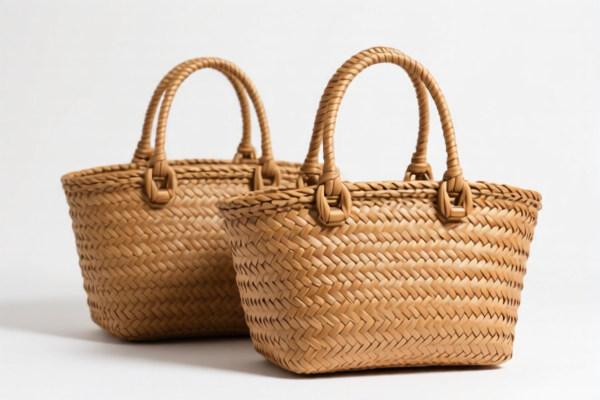

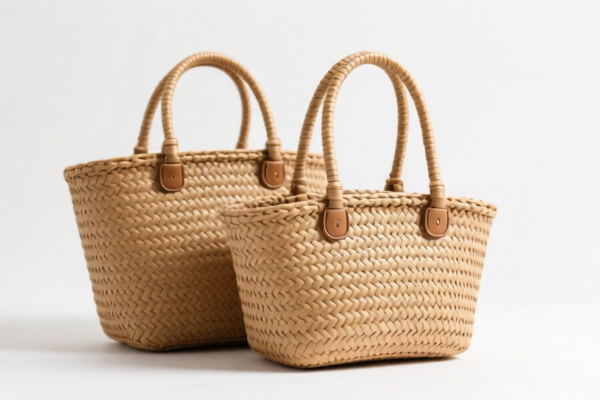
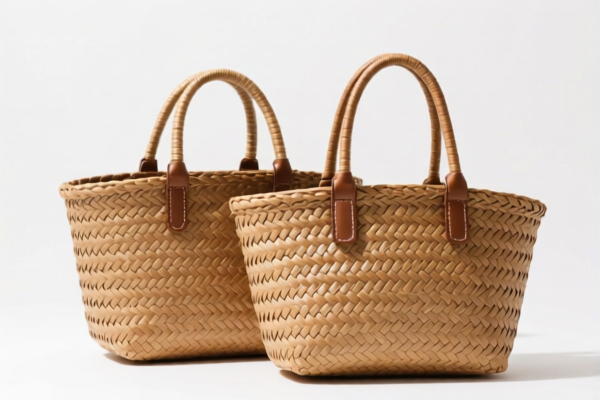
AI Analysis
👜 编织托特包(Woven Tote Bags)
🌐 HS Code Reference & Clearance Guide | 2026 Latest Tariff Analysis | Professional Customs Strategy
📌 1. Product Definition & Classification: Do You Really Understand "Woven Tote Bags"?
A woven tote bag is a portable container used for carrying personal items, characterized by its open-top design and handles. In international trade, the Harmonized System (HS) classification depends entirely on the material composition of the weaving. Misclassification leads to massive tax discrepancies and customs delays.
⚠️ Key Distinction Point:
- Natural Plant Materials (Bamboo, Rattan, Cane, Straw): Generally fall under Chapter 46.
- Textile Materials (Woven fabric, non-cotton, non-paper yarn): Generally fall under Chapter 42.
- Plastic Materials (Plastic thread, strips): Generally fall under Chapter 39.
📦 2. HS Code Classification Details (2026 Latest Tariff Authority)
Based on the provided data, here are the 5 specific HS Codes applicable to Woven Tote Bags, sorted by material and tax implication.
| HS Code | Product Description | Material Inference | Total Tax Rate | Tax Structure |
|---|---|---|---|---|
4602.11.21.00 |
Woven Tote Bag (Handbag) | Plant Materials: Bamboo, Rattan, or similar plant-based weaving. | 41.2% | Base: 6.2% + Add-on: 25.0% + Sec 122: 10% |
4602.19.29.20 |
Woven Tote Bag (Handbag) | Plant Materials: Other plant-based weaving products. | 40.3% | Base: 5.3% + Add-on: 25.0% + Sec 122: 10% |
4202.22.40.20 |
Woven Tote Bag (Handbag) | Generic Weaving Material: General woven material (undefined specific substrate). | 42.4% | Base: 7.4% + Add-on: 25.0% + Sec 122: 10% |
4202.22.89.80 |
Woven Tote Bag (Handbag) | Textile Materials: Textile-based weaving (Non-cotton, Non-paper yarn). | 52.6% | Base: 17.6% + Add-on: 25.0% + Sec 122: 10% |
3923.10.90.00 |
Woven Tote Bag (Handbag) | Plastic Materials: Plastic weaving (e.g., plastic strips/thread). | 38.0% | Base: 3.0% + Add-on: 25.0% + Sec 122: 10% |
🔍 Critical Insight:
- Chapter 46 covers products of plaiting materials (basketware).
- Chapter 42 covers articles of apparel accessories and other travel goods (often includes woven textiles).
- Chapter 39 covers articles of plastics (includes plastic woven bags).
- The "Add-on Tariff" (25%) is consistent across all categories, likely due to Section 301 trade measures.
- Section 122 Tariff (10%) applies universally to these items in this dataset.
💰 3. 2026 Latest Tariff Rate Breakdown (Including Surtaxes & Policy Add-ons)
✅ Applicable Country: USA (US)
✅ Origin: China (CN) (Inferred from the high "Add-on Tariff" and "Section 122" structure typical of US-China trade)
✅ Effective Time: Current 2026 Tariff Regime
🎯 1. 4602.11.21.00 —— Bamboo/Rattan Plant Weaving Bags
| Item | Content |
|---|---|
| Base Tariff | 6.2% |
| Add-on Tariff | +25.0% (Section 301 / Trade Measures) |
| Section 122 Tariff | +10.0% (Specific Regulatory Tariff) |
| Total Tariff | 41.2% |
| Tax Calculation | CIF Value × 41.2% |
| De Minimis Exemption | ❌ Not Applicable (High value/duty items usually excluded from de minimis) |
📌 Explanation:
- This is the most common classification for natural eco-friendly bags.
- The base tariff is moderate (6.2%), but the 25% add-on significantly increases the cost.
🎯 2. 4602.19.29.20 —— Other Plant Material Weaving Bags
| Item | Content |
|---|---|
| Base Tariff | 5.3% |
| Add-on Tariff | +25.0% |
| Section 122 Tariff | +10.0% |
| Total Tariff | 40.3% |
| Tax Calculation | CIF Value × 40.3% |
| De Minimis Exemption | ❌ Not Applicable |
📌 Note:
- Slightly lower base rate (5.3%) than4602.11.21.00.
- Used for plant materials not specifically covered in subheading .11 (e.g., specific types of straw or reed not classified as bamboo/rattan).
🎯 3. 4202.22.40.20 —— Generic Weaving Material Bags
| Item | Content |
|---|---|
| Base Tariff | 7.4% |
| Add-on Tariff | +25.0% |
| Section 122 Tariff | +10.0% |
| Total Tariff | 42.4% |
| Tax Calculation | CIF Value × 42.4% |
| De Minimis Exemption | ❌ Not Applicable |
📌 Note:
- "Generic" classification carries a slightly higher base rate (7.4%) than natural plant materials.
- Often used when the material is woven but doesn't fit strict plant or textile definitions.
🎯 4. 4202.22.89.80 —— Textile Weaving Bags (Non-Cotton/Paper)
| Item | Content |
|---|---|
| Base Tariff | 17.6% (Highest Base Rate) |
| Add-on Tariff | +25.0% |
| Section 122 Tariff | +10.0% |
| Total Tariff | 52.6% (Highest Total Rate) |
| Tax Calculation | CIF Value × 52.6% |
| De Minimis Exemption | ❌ Not Applicable |
⚠️ Warning:
- This is the most expensive category.
- If your bag is made of woven fabric (e.g., jute, hemp, synthetic fabric tape) that is not plastic, it likely falls here.
- Do not misclassify textile bags as plant materials to save tax; customs will audit material composition.
🎯 5. 3923.10.90.00 —— Plastic Weaving Bags
| Item | Content |
|---|---|
| Base Tariff | 3.0% (Lowest Base Rate) |
| Add-on Tariff | +25.0% |
| Section 122 Tariff | +10.0% |
| Total Tariff | 38.0% (Lowest Total Rate) |
| Tax Calculation | CIF Value × 38.0% |
| De Minimis Exemption | ❌ Not Applicable |
💡 Strategy:
- If your bag is made of plastic strips/thread (common in reusable grocery bags), this is the cheapest option.
- Base rate is only 3.0%, making it the most tax-efficient choice among the options.
🛠️ 4. Customs Clearance Practical Advice (Pitfall Avoidance Guide)
✅ 1. Preparation Checklist (Non-negotiable)
| Document | Required | Description |
|---|---|---|
| ✅ Product Specifications | ✔️ | Must specify Material: Bamboo, Rattan, Plastic, Textile? |
| ✅ Material Certificate | ✔️ | Proof of material composition (e.g., "100% Natural Bamboo" vs. "Polyester Woven") |
| ✅ Product Photos | ✔️ | Clear shots of the weave texture, handles, and lining. |
| ✅ Commercial Invoice | ✔️ | Accurate description matching HS Code. |
| ✅ Packing List | ✔️ | Weight and dimensions for duty calculation. |
✅ 2. Declaration Tips (Key Mantra)
🔥 "Material Dictates Code, Code Dictates Cost!"
| Scenario | Correct Declaration | Wrong Practice | Consequence |
|---|---|---|---|
| Bamboo/Rattan Bag | 4602.11.21.00 or 4602.19.29.20 |
Misclassified as 4202... |
Overpaying ~1-2% base tax, or underpaying leading to audits. |
| Plastic Weave Bag | 3923.10.90.00 |
Misclassified as 4602... (Plant) |
Under-declaration. Risk of penalty for fraud. |
| Textile Fabric Bag | 4202.22.89.80 |
Misclassified as 4602... (Plant) |
Severe Penalty. Base tax difference is 11.2%! |
| Mixed Materials | Determine Principal Material | Split declaration | Complex customs review, delays. |
✅ 3. Special Case Handling
| Case | Advice |
|---|---|
| Plant vs. Plastic | If the bag looks like straw but is plastic-coated, it may still be classified as 4602 (if plant is principal) or 3923 (if plastic is principal). Define principal material clearly. |
| Lining Matters | If the outer shell is natural plant but lined with plastic, check if the lining changes the "essential character." Usually, outer material dictates classification. |
| Origin Labeling | Ensure "Made in China" is clearly marked on the product/packaging to avoid additional labeling duties. |
🌍 5. Global Market Clearance Comparison (2026 Latest)
| Country/Region | Recommended HS Code | Estimated Tariff (China Origin) | Certification Requirements | Notes |
|---|---|---|---|---|
| 🇺🇸 USA | 4602.11.21.00 / 3923.10.90.00 |
38.0% - 41.2% | None specific for generic bags | High add-on tariffs due to trade measures. |
| 🇨🇳 China | 4602.11.21.00 |
10-12% (Import to CN) | N/A | Low base tariffs for plant materials. |
| 🇪🇺 EU | 4602.11.21.00 |
0-4% (MFN) | CE (if applicable), REACH | No Section 122/301 equivalent. |
| 🇬🇧 UK | 4602.11.21.00 |
0-4% | UKCA (if applicable) | Post-Brexit rules apply. |
| 🇯🇵 Japan | 4602.11.21.00 |
8-10% | FSC (if wood/bamboo) | Strict phytosanitary rules for plant materials. |
📌 Conclusion:
- USA is the most expensive market due to 25% Add-on + 10% Sec 122 tariffs.
- EU/UK/Japan have much lower base tariffs but may have stricter phytosanitary (plant) or chemical safety (plastic/textile) regulations.
📌 6. Common Mistakes & Pitfall Guide (Lessons Learned)
❌ Mistake 1: Calling all "woven bags" the same HS Code.
👉 Consequence: Wrong tax rate. Plant (41.2%) vs. Plastic (38.0%) vs. Textile (52.6%). Difference of 14.6%!
❌ Mistake 2: Misidentifying "Plastic Weave" as "Plant Fiber".
👉 Consequence: Customs lab test shows polymer. Penalty + Back Taxes + Delay.
❌ Mistake 3: Ignoring the "Section 122" tariff.
👉 Consequence: Forgetting to declare this 10% surcharge leads to immediate duty underpayment flags.
❌ Mistake 4: Using vague descriptions like "Bag" or "Tote".
👉 Consequence: Customs will assign the highest possible duty rate (usually 52.6% for "Other") due to uncertainty.
✅ Correct Action:
"Woven Tote Bag, Outer Material: 100% Natural Bamboo Strips, Lining: Polyester, Handle: Leather, Model: XYZ, Origin: China"
🎯 7. Conclusion: Professional Classification Saves Money!
🎯 Remember the Mantra:
🔹 "Plastic is Cheapest (38%), Plant is Middle (40-41%), Textile is Most Expensive (52%)!"
🔹 "Define Material First, Then Choose HS Code, Then Calculate Tax!"
📌 Pro Tip:
If you are importing Plant Materials (Bamboo/Rattan), ensure you have Phytosanitary Certificates to avoid detention.
If you are importing Plastic Weave Bags, emphasize the Plastic Material to qualify for the 38.0% rate instead of higher textile rates.
📣 Immediate Action:
📞 Contact a Customs Broker + Provide Material Spec Sheet + Apply for Binding Tariff Information (BTI) if volume is high.
🚀 Get the Right HS Code, Pay the Right Tax, Clear Customs Smoothly!
✨ Professional Clearance Starts with Precise Classification!
💼 Every Percent of Tariff Matters to Your Bottom Line!
Customer Reviews
About HS Code Classification
The Harmonized System (HS) is an internationally standardized nomenclature developed by the World Customs Organization (WCO) to classify traded products. Over 200 countries use the HS system as the basis for customs tariffs, trade statistics, and import/export regulations.
Each HS code follows a hierarchical structure:
- Chapter (2 digits) — Broad category of goods (e.g., Chapter 84: Machinery and Mechanical Appliances)
- Heading (4 digits) — More specific grouping within the chapter
- Subheading (6 digits) — Internationally standardized breakdown, used by all WCO member countries
- National subdivisions (8-10 digits) — Country-specific extensions for further classification, such as US HTSUS 10-digit codes
Correct HS code classification is essential for smooth customs clearance, accurate duty payment, and compliance with trade regulations. Misclassification can lead to customs delays, overpayment of duties, or penalties.
When importing from CN to US, the applicable tariff rates may include:
- Most-Favored-Nation (MFN) rate — The standard duty rate applied to WTO members
- General rate — Applied to countries without trade agreements
- Trade remedy duties — Additional tariffs such as Section 301 (anti-dumping), Section 232 (national security), or countervailing duties
The information provided on this page is for reference purposes only. For official classification, please consult with your local customs authority or a licensed customs broker.