编织旅行包
CN → US| HS Code | Tariff Rate | Origin | Destination | Doc |
|---|---|---|---|---|
| 4602192920 | 40.3% | CN | US | Official Doc |
| 4202224020 | 42.4% | CN | US | Official Doc |
| 4202228980 | 52.6% | CN | US | Official Doc |
| 4602112100 | 41.2% | CN | US | Official Doc |
| 4202923131 | 52.6% | CN | US | Official Doc |
Product Images
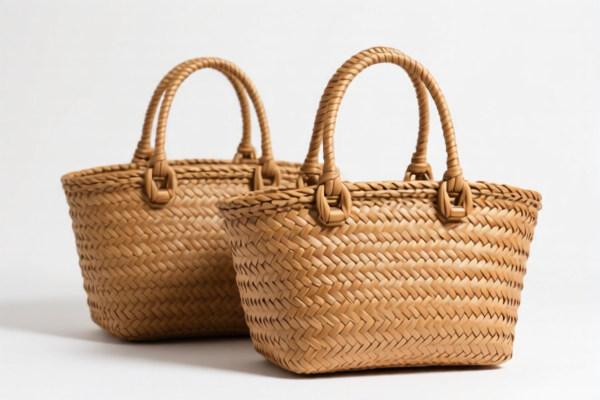

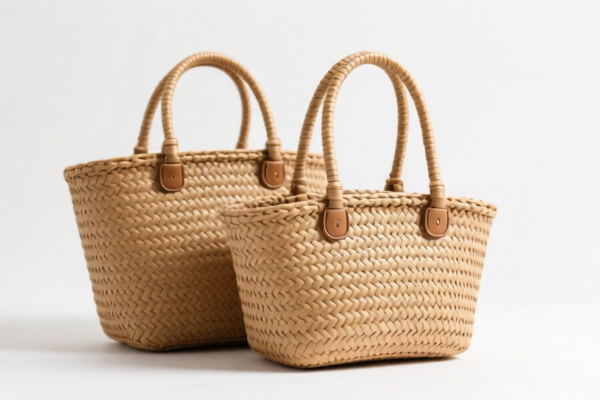
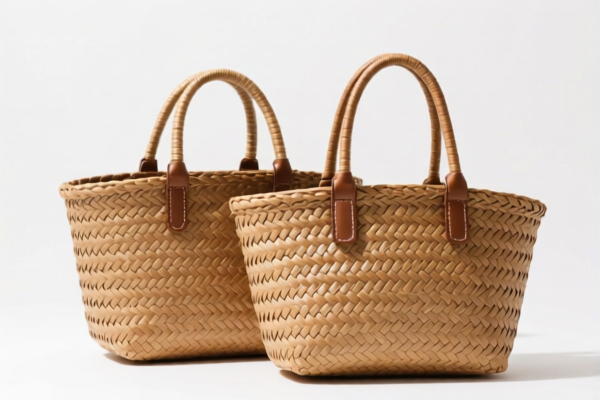
AI Analysis
🧺 Woven Travel Bags & Handbags (Textile & Plant Materials)
🌐 HS Code Reference & Customs Clearance Guide | 2026 Latest Tariff Analysis | Professional Strategy for US Imports
📌 I. Product Definition & Classification: Do You Know What "Woven Bags" Really Are?
Woven travel bags and handbags are widely used in daily commutes, tourism, and logistics. In international trade, their classification depends strictly on the raw material composition and specific construction. They are generally divided into two main categories:
1. Plant-Based Woven Goods (Chapter 46):
Made from bamboo, rattan, cane, palm leaf, or other vegetable plaiting materials. These are often considered "artistic" or "eco-friendly" items.
2. Textile-Based Bags (Chapter 42):
Made from woven fabrics, synthetic materials, or other textile substances. These include standard backpacks, tote bags, and travel organizers.
⚠️ Key Distinction Point:
- If the primary surface is made of bamboo, rattan, or similar rigid plant fibers → Classified under HS 4602 (Woven articles of vegetable plaiting materials).
- If the primary surface is made of fabric, woven textiles, or synthetic threads → Classified under HS 4202 (Articles of bedding, travelling goods, etc.).
- Critical Note: "Handwoven" does not automatically mean "Plant Material." Fabric woven on a loom is HS 4202, while hand-plaited bamboo is HS 4602.
📦 II. HS Code Classification Details (2026 Latest Tariff Authority)
Based on the provided data, here is the precise breakdown for "Woven Travel/Hand Bags":
| HS Code | Product Description | Material Specifics | Applicable Scenario |
|---|---|---|---|
4602.19.29.20 |
Woven Handbags, Made of Other Vegetable Plaiting Materials | Bamboo, rattan, cane, palm leaf, straw, etc. | Eco-friendly totes, decorative woven handbags, plant-fiber crafts. |
4202.22.40.20 |
Woven Handbags, Material: Woven Materials (General) | Generic woven textiles, non-specific fabric type. | Standard woven fabric handbags, general travel totes. |
4202.22.89.80 |
Woven Handbags, Material: Other Textile Materials | Synthetic fibers, polyester, nylon, mixed textiles. | High-durability travel bags, outdoor woven bags, fashion handbags. |
4602.11.21.00 |
Woven Handbags, Material: Bamboo, Cane, etc. | Specific plant materials like bamboo or rattan. | Traditional bamboo baskets, rattan beach bags, premium natural fiber bags. |
4202.92.31.31 |
Travel Organizers/Storage Bags, Surface: Textile Materials | Outer surface is textile; used for storage/organizing. | Internal packing cubes, toiletry bags, luggage organizers made of fabric. |
🔍 Important Reminder:
- HS 4602 Codes apply ONLY when the bag is primarily constructed from vegetable plaiting materials (bamboo, rattan, etc.).
- HS 4202 Codes apply when the bag is made from textiles, leather, or other materials listed in Chapter 42.
- Do not misclassify a "fabric bag" as a "plant material bag" just because it looks hand-woven; the raw material determines the code.
💰 III. 2026 Latest Tariff Rate Breakdown (Including Surcharges & Policy Add-ons)
✅ Applicable Country: United States (US)
✅ Origin: China (CN)
✅ Effective Time: Current rates apply (including Section 301 and IEEPA surcharges)
🎯 1. 4602.19.29.20 —— Woven Handbags (Other Vegetable Plaiting Materials)
| Item | Content |
|---|---|
| Base Tariff | 5.3% |
| Section 301 Surcharge | +25.0% |
| IEEPA Clause 122 Surcharge | +10.0% |
| Total Tax Rate | 40.3% |
| Calculation | CIF Value × 40.3% |
| De Minimis Exemption | ❌ Not Applicable (Denied) |
| Legal Basis Path | USITC:4602.19.29.20 → Section 301: Footnote 9903.88.01 → IEEPA: Clause 122 |
📌 Explanation:
- Even though it is a "natural product," bamboo/rattan bags from China are subject to full Section 301 tariffs due to their classification under Chapter 46.
- The 10% IEEPA surcharge applies to most Chinese-origin goods under current executive orders.
🎯 2. 4602.11.21.00 —— Woven Handbags (Bamboo, Cane, etc.)
| Item | Content |
|---|---|
| Base Tariff | 6.2% |
| Section 301 Surcharge | +25.0% |
| IEEPA Clause 122 Surcharge | +10.0% |
| Total Tax Rate | 41.2% |
| Calculation | CIF Value × 41.2% |
| De Minimis Exemption | ❌ Not Applicable |
| Legal Basis Path | USITC:4602.11.21.00 → Section 301 → IEEPA: Clause 122 |
📌 Note:
- Slightly higher base tariff than "other" plant materials due to specific sub-heading for bamboo/cane.
- Still very high total tax burden (~41%).
🎯 3. 4202.22.40.20 —— Woven Handbags (Woven Materials)
| Item | Content |
|---|---|
| Base Tariff | 7.4% |
| Section 301 Surcharge | +25.0% |
| IEEPA Clause 122 Surcharge | +10.0% |
| Total Tax Rate | 42.4% |
| Calculation | CIF Value × 42.4% |
| De Minimis Exemption | ❌ Not Applicable |
| Legal Basis Path | USITC:4202.22.40.20 → Section 301 → IEEPA: Clause 122 |
📌 Note:
- This is the "generic" woven textile bag code. If you cannot specify the exact textile type, this is the fallback.
- 42.4% is a significant cost driver for fashion accessories.
🎯 4. 4202.22.89.80 —— Woven Handbags (Other Textile Materials)
| Item | Content |
|---|---|
| Base Tariff | 17.6% |
| Section 301 Surcharge | +25.0% |
| IEEPA Clause 122 Surcharge | +10.0% |
| Total Tax Rate | 52.6% |
| Calculation | CIF Value × 52.6% |
| De Minimis Exemption | ❌ Not Applicable |
| Legal Basis Path | USITC:4202.22.89.80 → Section 301 → IEEPA: Clause 122 |
📌 Warning:
- This is the highest tax bracket in the list.
- Applies to "Other Textile Materials" (e.g., complex synthetic weaves, non-standard fabrics).
- High Risk: Misclassifying a simple fabric bag as "Other Textile" instead of "Woven Materials" (4202.22.40.20) costs an extra 10.2% in taxes.
🎯 5. 4202.92.31.31 —— Travel Organizers (Textile Surface)
| Item | Content |
|---|---|
| Base Tariff | 17.6% |
| Section 301 Surcharge | +25.0% |
| IEEPA Clause 122 Surcharge | +10.0% |
| Total Tax Rate | 52.6% |
| Calculation | CIF Value × 52.6% |
| De Minimis Exemption | ❌ Not Applicable |
| Legal Basis Path | USITC:4202.92.31.31 → Section 301 → IEEPA: Clause 122 |
📌 Note:
- This code is for accessories/organizers (packing cubes, toiletry bags), not main handbags.
- If you are selling "travel sets," ensure the main bag and organizers are declared correctly.
- High base tariff (17.6%) makes this category expensive for mass-market plastic/fabric organizers.
🛠️ IV. Customs Clearance Practical Advice (Pitfall Avoidance Guide)
✅ 1. Required Documentation Checklist (Mandatory)
| Document | Required | Description |
|---|---|---|
| ✅ Product Specification Sheet | ✔️ | Must clearly state Material Composition (e.g., "100% Rattan" or "65% Polyester/35% Cotton"). |
| ✅ Material Sample/Photo | ✔️ | High-res photos showing the weave structure. Distinguish between "plant plaiting" and "fabric weaving." |
| ✅ Commercial Invoice | ✔️ | Clearly describe items as "Woven Bamboo Handbag" or "Textile Travel Organizer." Avoid vague terms like "Bag." |
| ✅ Packing List | ✔️ | Separate main bags from internal organizers to avoid classification confusion. |
| ✅ Certificate of Origin (CO) | ✔️ | Essential for verifying China origin to apply (or challenge) surcharges. |
✅ 2. Declaration Tips (Key Mantra)
🔥 "Material Dictates Code, Don't Guess, Tax Will Hurt!"
| Scenario | Correct Declaration | Error Consequence |
|---|---|---|
| Bamboo/Rattan Bag | 4602.19.29.20 or 4602.11.21.00 |
❌ Declaring as 4202 → Base tax 7.4%+ vs 5.3%+ (Minor difference, but compliance issue) |
| Fabric Travel Bag | 4202.22.40.20 |
❌ Declaring as 4202.22.89.80 → Extra 10.2% Tax! (Major Cost Increase) |
| Packing Cube/Organizer | 4202.92.31.31 |
❌ Declaring as Main Handbag → May trigger duty drawbacks or audits if value is low |
| Mixed Material Bag | Analyze Primary Surface | ❌ If textile is primary, it’s 4202. If plant is primary, it’s 4602. |
✅ 3. Special Situations & Handling
| Situation | Handling Advice |
|---|---|
| Bamboo + Fabric Handles | If the main body is bamboo, it’s HS 4602. If the main body is fabric with bamboo trim, it’s HS 4202. |
| Handmade vs. Machine Woven | Does not change HS code classification in this context, but must match material description. |
| Sets (Bag + Organizer) | Declare separately. Do not combine into one line item unless they are sold as a single retail set with no separate value. |
| Eco-Friendly Labeling | "Eco-friendly" or "Biodegradable" does not exempt you from IEEPA/Section 301 surcharges. |
🌍 V. Global Market Comparison (2026 Latest)
| Country/Region | Recommended HS Code | Tariff Rate (China Origin) | Certification | Remarks |
|---|---|---|---|---|
| 🇺🇸 USA | 4602.19.29.20 / 4202.22.40.20 |
40.3% ~ 52.6% | None Specific | High Tariffs: Section 301 + IEEPA apply. |
| 🇨🇳 China | 4602.19.29.20 / 4202.22.40.20 |
5% ~ 17.6% | None | Low entry barrier for domestic sale. |
| 🇪🇺 EU | 4602.19 / 4202.22 |
0% ~ 12% | CE (if applicable) | No Section 301. Much lower tax burden for EU exports. |
| 🇦🇺 Australia | 4602.19 / 4202.22 |
5% ~ 10% | None | FTA benefits may apply if sourced from ASEAN. |
📌 Conclusion:
- The US market is extremely expensive for Chinese woven bags due to the 35%+ surcharge (25% + 10%).
- EU/Australia offer significantly better margins. Consider supply chain diversification to Southeast Asia (Vietnam/Thailand) if targeting the US, but verify rules of origin strictly.
📌 VI. Common Errors & Pitfalls (Blood & Tears Lessons)
❌ Error 1: Calling a "Synthetic Woven Bag" a "Bamboo Bag"
👉 Consequence: Customs audit, classification error, potential fraud charges.
❌ Error 2: Misclassifying a "Textile Bag" as 4202.22.40.20 (7.4% base) when it should be 4202.22.89.80 (17.6% base)
👉 Consequence: You might think you saved money, but if caught, you face back taxes + penalties. However, correct declaration is vital for compliance.
❌ Error 3: Ignoring IEEPA Clause 122
👉 Consequence: Underpaying the 10% surcharge. US Customs will demand payment + interest.
❌ Error 4: Combining "Handbags" and "Packing Cubes" into one HS Code
👉 Consequence: Unclear valuation, risk of rejection or forced splitting at customs.
✅ Correct Practice:
"Woven Rattan Handbag, Size 30x20cm, Made in China, HS 4602.19.29.20"
"Polyester Travel Organizer, Size 40x30cm, Made in China, HS 4202.92.31.31"
🎯 VII. Conclusion: Professional Declaration, Cost Control, Efficiency!
🎯 Remember the Mantra:
🔹 "Plant is 4602, Fabric is 4202. Check the weave, not the look!"
🔹 "Total Tax = Base + 25% + 10%. Don't forget the surcharges!"
🔹 "Specificity Saves Money: 4202.22.40 is cheaper than 4202.22.89."
📌 Pro Tip:
If your bags are made of standard woven textiles, strive to classify under 4202.22.40.20 (42.4% total) rather than 4202.22.89.80 (52.6% total). This 10% tax difference is huge for high-volume shipments.
For plant-based bags, 4602 codes are slightly cheaper (~40-41%), making them a marginally better option for US imports compared to high-end textile weaves.
📣 Immediate Action:
📞 Verify Material Composition with your factory.
📋 Apply for a Pre-Ruling if unsure between4202.22.40and4202.22.89.
🚀 Optimize Supply Chain: Consider sourcing from non-China origins for US-bound goods to avoid the 35% surcharge.
✨ Professional Customs Clearance Starts with Accurate Classification!
💼 Every Percentage Point Saved is Pure Profit!
Customer Reviews
About HS Code Classification
The Harmonized System (HS) is an internationally standardized nomenclature developed by the World Customs Organization (WCO) to classify traded products. Over 200 countries use the HS system as the basis for customs tariffs, trade statistics, and import/export regulations.
Each HS code follows a hierarchical structure:
- Chapter (2 digits) — Broad category of goods (e.g., Chapter 84: Machinery and Mechanical Appliances)
- Heading (4 digits) — More specific grouping within the chapter
- Subheading (6 digits) — Internationally standardized breakdown, used by all WCO member countries
- National subdivisions (8-10 digits) — Country-specific extensions for further classification, such as US HTSUS 10-digit codes
Correct HS code classification is essential for smooth customs clearance, accurate duty payment, and compliance with trade regulations. Misclassification can lead to customs delays, overpayment of duties, or penalties.
When importing from CN to US, the applicable tariff rates may include:
- Most-Favored-Nation (MFN) rate — The standard duty rate applied to WTO members
- General rate — Applied to countries without trade agreements
- Trade remedy duties — Additional tariffs such as Section 301 (anti-dumping), Section 232 (national security), or countervailing duties
The information provided on this page is for reference purposes only. For official classification, please consult with your local customs authority or a licensed customs broker.