编织棕榈叶墙屏
CN → US| HS Code | Tariff Rate | Origin | Destination | Doc |
|---|---|---|---|---|
| 4602191600 | 15.0% | CN | US | Official Doc |
| 1404909090 | 35.0% | CN | US | Official Doc |
| 1404904000 | 37.3% | CN | US | Official Doc |
| 9505101500 | 10.0% | CN | US | Official Doc |
| 9505105020 | 10.0% | CN | US | Official Doc |
Product Images
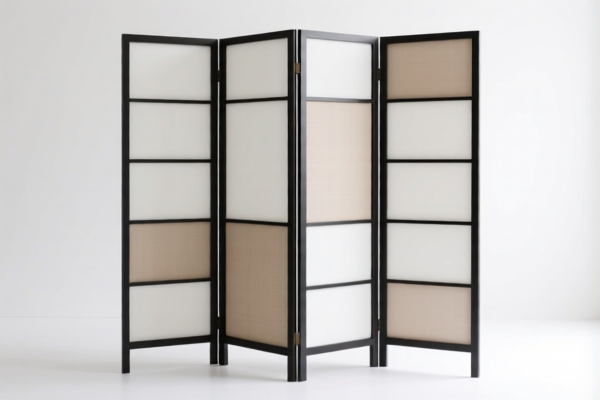
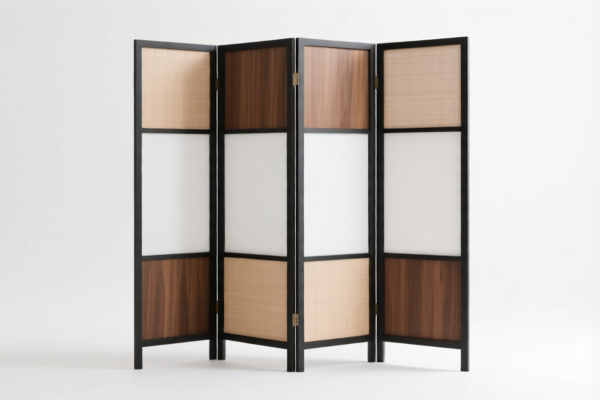
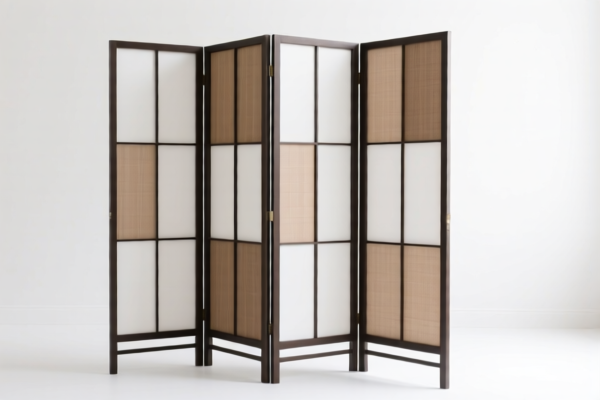
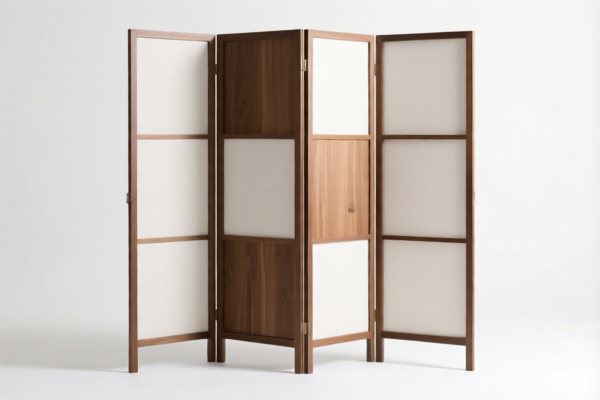
AI Analysis
🌿 Woven Palm Leaf Wall Screen (Decorative Panels)
🌐 HS Code Reference & Customs Clearance Guide | 2026 Latest Tariff Analysis | Professional Entry Strategy
📌 I. Product Definition & Classification: Do You Truly Understand "Palm Leaf Wall Decor"?
Woven palm leaf wall screens are natural or semi-natural decorative items made from processed palm leaves. In international trade, their classification is complex because they can be viewed either as woven baskets/manufactures thereof or as prepared vegetable products/decorations.
Two Main Interpretations:
1. Woven Structure View: Treated as "Other woven products of plaiting materials" (Chapter 46).
2. Material/Decorative View: Treated as "Other prepared vegetable products" (Chapter 14) or "Christmas/Natural Decorations" (Chapter 95).
⚠️ Critical Distinction Point:
- If the primary characteristic is the woven craft/structure → Fall under HS 4602.19.
- If the primary characteristic is the raw vegetable material or festive decoration → Fall under HS 1404.90 or HS 9505.10.
- Note: Classification significantly impacts the total tax burden (from 10% to 40%).
📦 II. HS Code Classification Details (2026 Latest Tariff Authoritative Comparison)
| HS Code | Product Description | Application Scenario | Tax Rate Structure |
|---|---|---|---|
4602.19.16.00 |
Other woven articles of plaiting materials (Palm leaf wall decor as a woven product) | Wall hangings, woven screens, basket-like decor | Total: 40.0% |
1404.90.90.90 |
Other vegetable products not elsewhere specified or included (General fallback for plant matter) | Unprocessed or minimally processed palm leaf sheets | Total: 35.0% |
1404.90.40.00 |
Other prepared vegetable products (Reasonable inference for palm-based plants) | Specific palm derivatives, prepared but not woven crafts | Total: 37.3% |
9505.10.15.00 |
Christmas decorations / Natural material decorations (Other wood/natural material) | Natural-looking festive decor, Christmas-themed palm decor | Total: 10.0% |
9505.10.50.20 |
Christmas/Natural material decorations (Plant/Synthetic material) | General festive wall decor, seasonal decorations | Total: 10.0% |
🔍 Key Reminder:
- Chapter 46 (Baskets/Weaves) attracts higher tariffs due to "Section 301" and "Section 122" add-ons.
- Chapter 95 (Decorations) offers the lowest tariff (10%) because it often escapes Section 301 taxes (0% base + 0% Section 301 + 10% Section 122).
- Chapter 14 (Vegetables) sits in the middle, with moderate Section 301 application.
💰 III. 2026 Latest Tariff Rate Details (Including Surtaxes & Policy Add-ons)
✅ Applicable Country: USA (US)
✅ Origin: China (CN)
✅ Effective Time: Current 2026 Tariff Schedule
🎯 1. 4602.19.16.00 —— Woven Palm Leaf Decor (Chapter 46)
| Item | Content |
|---|---|
| Base Duty | 5.0% (Ad Valorem) |
| Section 301 Surtax | +25.0% (USITC Footnote 9903.88.01 / Trade Act Section 301) |
| Section 122 Surtax | +10.0% (IEEPA Section 122, China-specific) |
| Total Rate | 40.0% |
| Tax Calculation | CIF Value × 40% |
| De Minimis Exemption | ❌ Not Eligible (deny_de_minimis) |
| Legal Path | IEEPA:9903.01.25 → USITC:4602.19.16.00 → FOOTNOTE:301 |
📌 Explanation:
- Classified as "woven plaiting materials," this falls squarely under Section 301 punitive tariffs.
- The 40% total rate is very high. Importers must calculate margin impact carefully.
- Warning: If customs disputes the "woven" nature, they may switch to Chapter 14 or 95, potentially lowering or raising costs unpredictably.
🎯 2. 1404.90.90.90 —— Other Vegetable Products (Chapter 14)
| Item | Content |
|---|---|
| Base Duty | 0.0% (Ad Valorem) |
| Section 301 Surtax | +25.0% |
| Section 122 Surtax | +10.0% |
| Total Rate | 35.0% |
| Tax Calculation | CIF Value × 35% |
| De Minimis Exemption | ❌ Not Eligible |
| Legal Path | IEEPA:9903.01.24 → USITC:1404.90.90.90 → FOOTNOTE:301 |
📌 Note:
- Slightly cheaper than Chapter 46 (5% less base duty).
- Still subject to full Section 301 (25%) and Section 122 (10%).
- Suitable if the product is not clearly woven but rather flat leaf sheets mounted on a frame.
🎯 3. 1404.90.40.00 —— Prepared Vegetable Products (Chapter 14)
| Item | Content |
|---|---|
| Base Duty | 2.3% (Ad Valorem) |
| Section 301 Surtax | +25.0% |
| Section 122 Surtax | +10.0% |
| Total Rate | 37.3% |
| Tax Calculation | CIF Value × 37.3% |
| De Minimis Exemption | ❌ Not Eligible |
| Legal Path | IEEPA:9903.01.24 → USITC:1404.90.40.00 → FOOTNOTE:301 |
📌 Note:
- A "reasonable inference" category for palm-derived products that don't fit the "woven" or "general vegetable" buckets.
- Higher base rate (2.3%) than the general fallback (0%), making it more expensive than1404.90.90.90. Avoid unless necessary.
🎯 4. 9505.10.15.00 & 9505.10.50.20 —— Christmas/Natural Decorations (Chapter 95)
| Item | Content |
|---|---|
| Base Duty | 0.0% (Ad Valorem) |
| Section 301 Surtax | 0.0% (Exempt) |
| Section 122 Surtax | +10.0% |
| Total Rate | 10.0% |
| Tax Calculation | CIF Value × 10% |
| De Minimis Exemption | ❌ Not Eligible (Generally, Section 122 applies regardless, but no 25% S301) |
| Legal Path | IEEPA:9903.01.25 (S122 only) → USITC:9505.10.x0.x0 |
📌 Critical Advantage:
- LOWEST TAX RATE: 10%!
- NO Section 301 Tax (25%) applies to most Christmas/decorative items in this subheading.
- Strategy: If the wall screen can be marketed or described as "Festive Decor" or "Natural Material Wall Ornament" (not just "woven basket"), this is the optimal classification.
- Risk: Must ensure the product genuinely fits the "decoration" intent and not purely functional basketry.
🛠️ IV. Customs Clearance Practical Advice (Battle-Proven Pitfall Guide)
✅ 1. Preparation Checklist (Non-Negotiable)
| Document | Required | Explanation |
|---|---|---|
| ✅ Product Photos | ✔️ | Clear shots of weave texture, leaf type, mounting method. |
| ✅ Material Specification | ✔️ | Confirm: 100% Natural Palm? Synthetic blend? Mixed with plastic? |
| ✅ Usage Description | ✔️ | "Wall Decor" vs. "Basket." Use terms like "Festive Ornament," "Wall Hanging." |
| ✅ Commercial Invoice | ✔️ | Describe as "Palm Leaf Wall Decor" or "Natural Fiber Decorative Panel." |
| ✅ Binding Ruling (Optional) | ✔️ | Highly recommended to secure the 10% rate under HS 9505. |
✅ 2. Classification Strategy (Key Mantra)
🔥 "Decorative > Woven > Vegetable"
Aim for Chapter 95 (Decorations) to save 25-30% in taxes!
| Scenario | Recommended HS Code | Total Tax | Why? |
|---|---|---|---|
| Marketing as "Christmas/Festive Wall Decor" | 9505.10.15.00 or 9505.10.50.20 |
10% | 🏆 Best Option: Avoids 25% Section 301 tax. |
| Generic "Woven Screen" (No Festive Context) | 4602.19.16.00 |
40% | 📉 Expensive: Classified as woven plaiting material. |
| Flat Palm Leaf Sheets on Frame | 1404.90.90.90 |
35% | ⚖️ Middle ground: If not clearly woven. |
| Mixed Material (Palm + Plastic) | 4602.19.16.00 |
40% | ⚠️ Still likely Chapter 46 if woven structure dominates. |
✅ 3. Special Handling Tips
| Situation | Advice |
|---|---|
| OEM Custom Orders | Clearly label as "Wall Decor" in invoice. Avoid "Basket" or "Container" language. |
| Product Description | Use keywords: "Decorative," "Ornament," "Natural Fiber Art," "Wall Hanging." Avoid "Plaited Material for Storage." |
| Section 122 Awareness | Even with 10% total tax, 10% Section 122 still applies to China-origin goods. Do not assume "0% tax" means no surtax. |
| Audit Defense | If audited, provide photos showing the item is for aesthetic/display purposes only, not functional storage. |
🌍 V. Global Market Comparison (2026 Snapshot)
| Country/Region | Recommended HS Code | Est. Total Tax | Certification | Notes |
|---|---|---|---|---|
| 🇺🇸 USA | 9505.10.15.00 |
10% | None | Best for cost savings. Avoid Chapter 46 if possible. |
| 🇺🇸 USA | 4602.19.16.00 |
40% | None | High risk if misclassified. |
| 🇪🇺 EU | 4602.19.00 |
~10-15% | None | No Section 301. EU tariffs are generally lower. |
| 🇨🇳 China | 4602.19.00 |
5-10% | None | Domestic import duty is low. |
📌 Conclusion:
- USA is the critical market where HS Code choice changes tax from 10% to 40%.
- Strategy: Leverage the "Decoration" definition (HS 9505) to save 30% in tariffs.
📌 VI. Common Mistakes & Pitfalls (Lessons Learned)
❌ Mistake 1: Calling it "Woven Basket" in the invoice
👉 Consequence: Customs forces 4602.19.16.00 → 40% Tax instead of 10%.
❌ Mistake 2: Assuming "Natural Material" = "Vegetable Product" (HS 1404)
👉 Consequence: You get 1404.90.90.90 → 35% Tax. You missed the cheaper 9505 (10%) option.
❌ Mistake 3: Ignoring Section 122
👉 Consequence: Even at 10% total tax, you forget the 10% S122 component in your margin calculation.
✅ Correct Approach:
"Palm Leaf Wall Decor Panel – Natural Fiber Festive Ornament. For interior decoration only. Not for storage."
🎯 VII. Conclusion: Smart Classification, Maximum Profit!
🎯 Remember the Mantra:
🔹 "Decor is King, Woven is Costly, Vegetable is Middle."
🔹 "HS Code 9505 saves you 30%, but only if you call it Decor!"
📌 Pro Tip:
If your palm leaf screen can be marketed as seasonal decor (e.g., for Christmas, Diwali, or general home styling), always use HS Code 9505. This avoids the brutal 25% Section 301 tariff.
📣 Immediate Action:
📞 Consult your customs broker to confirm if your specific product design qualifies for "Decor" under HS 9505.
🚀 Optimize your invoice description to highlight "Decorative/Ornamental" use.
💰 Lock in the 10% rate instead of paying 40%!
✨ Professional Customs Clearance Starts with Precise Classification!
💼 Every 1% of tax saved is 1% pure profit!
Customer Reviews
About HS Code Classification
The Harmonized System (HS) is an internationally standardized nomenclature developed by the World Customs Organization (WCO) to classify traded products. Over 200 countries use the HS system as the basis for customs tariffs, trade statistics, and import/export regulations.
Each HS code follows a hierarchical structure:
- Chapter (2 digits) — Broad category of goods (e.g., Chapter 84: Machinery and Mechanical Appliances)
- Heading (4 digits) — More specific grouping within the chapter
- Subheading (6 digits) — Internationally standardized breakdown, used by all WCO member countries
- National subdivisions (8-10 digits) — Country-specific extensions for further classification, such as US HTSUS 10-digit codes
Correct HS code classification is essential for smooth customs clearance, accurate duty payment, and compliance with trade regulations. Misclassification can lead to customs delays, overpayment of duties, or penalties.
When importing from CN to US, the applicable tariff rates may include:
- Most-Favored-Nation (MFN) rate — The standard duty rate applied to WTO members
- General rate — Applied to countries without trade agreements
- Trade remedy duties — Additional tariffs such as Section 301 (anti-dumping), Section 232 (national security), or countervailing duties
The information provided on this page is for reference purposes only. For official classification, please consult with your local customs authority or a licensed customs broker.