编织购物手提包
CN → US| HS Code | Tariff Rate | Origin | Destination | Doc |
|---|---|---|---|---|
| 4602192920 | 40.3% | CN | US | Official Doc |
| 4602112100 | 41.2% | CN | US | Official Doc |
| 4202224020 | 42.4% | CN | US | Official Doc |
| 4202228980 | 52.6% | CN | US | Official Doc |
| 4602192920 | 40.3% | CN | US | Official Doc |
Product Images
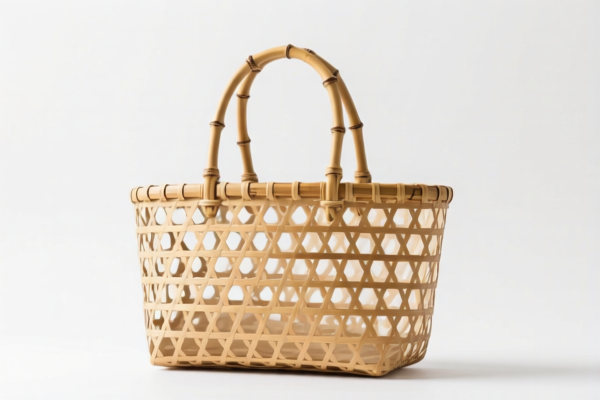
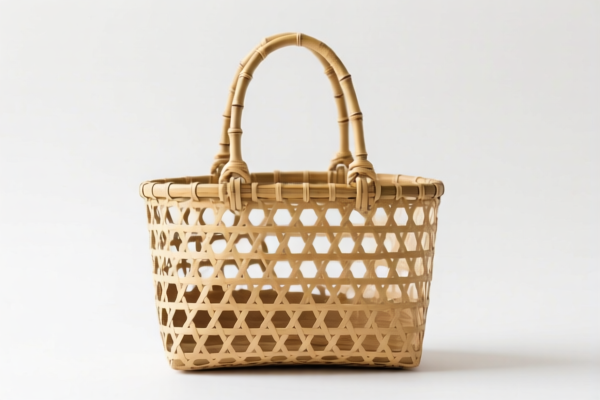
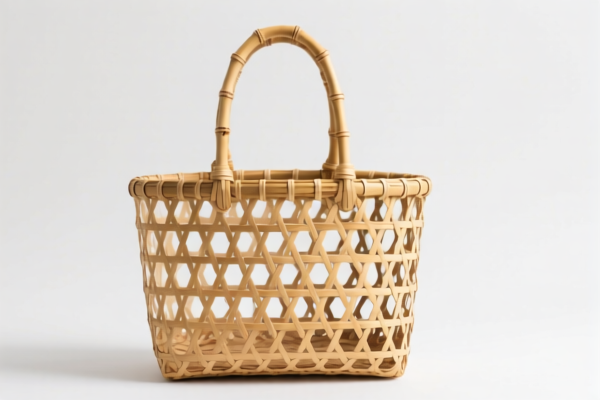
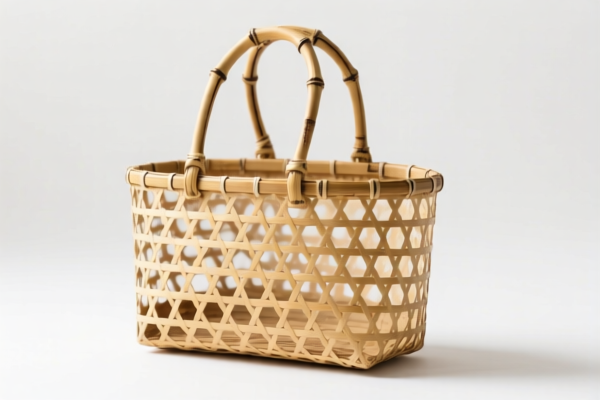
AI Analysis
🛍️ Woven Shopping Handbags & Tote Bags (编织购物手提包)
🌐 HS Code Reference & Customs Clearance Guide | 2026 Latest Tariff Analysis | Professional Entry Strategy
📌 1. Product Definition & Classification: Do You Really Understand "Woven Bags"?
Woven shopping handbags are versatile accessories used for daily shopping, beach outings, or general carrying. In international trade (specifically US imports), the classification depends heavily on the raw material and the manufacturing process.
They are generally divided into two main categories:
Natural Plant Material Bags (Chapters 46 & 47): Made from bamboo, rattan, reed, straw, or other plant fibers. These have specific HS codes under Chapter 46 if woven into mats/materials, or Chapter 42 if made up into specific articles. Textile/Synthetic Material Bags (Chapter 42): Made from woven plastic strips, synthetic fibers, or other textile materials. These fall under the general "handbags" category in Chapter 42.
⚠️ Key Distinction Point:
- If the material is natural plant fiber (bamboo, rattan, straw) and woven into a bag shape → It may fall under 4602 (if considered woven articles) or 4202 (if considered made-up goods, though 4602 is often preferred for pure plant weaves in specific contexts, US customs often maps specific woven plant bags to 4602.19 or 4202.22 depending on exact composition).
- If the material is synthetic, plastic strips, or textile → It definitely falls under 4202.22 (Handbags with outer surface of plastic sheeting or of textile materials).
📦 2. HS Code Classification Details (2026 Latest Tariff Authority Comparison)
Based on the provided data, here are the specific HS Codes and their tax implications for Woven Shopping Handbags:
| HS Code | Product Description | Material Composition | Applicable Scenario | Total Tax Rate |
|---|---|---|---|---|
4602.19.29.20 |
Woven handbag, material is plant material woven product | Natural plant fibers (e.g., straw, paper reed, generic plant weave) | Generic woven plant bags, eco-friendly shopping totes | 40.3% |
4602.11.21.00 |
Woven handbag, material is bamboo, rattan, etc. | Bamboo, rattan, cane | Structured bamboo/rattan bags, high-end woven totes | 41.2% |
4202.22.40.20 |
Woven handbag, material is made of woven material | Generic woven materials (likely plastic or mixed textiles not specified as plant) | Standard plastic-strip woven bags, synthetic totes | 42.4% |
4202.22.89.80 |
Woven handbag, material is other textile materials | Other textiles (e.g., cotton, wool, synthetic fabric woven style) | Fabric-tole bags, canvas woven bags, luxury textile totes | 52.6% |
🔍 Key Reminder:
- Plant-based vs. Textile/Synthetic: The biggest tax difference comes from the material. Bamboo/Rattan (4602.11) is taxed slightly lower than generic woven plastics/textiles (4202.22). - Section 301 Tariffs Apply: All these codes are subject to significant additional tariffs due to China-US trade relations.
💰 3. 2026 Latest Tariff Rate Details (Including Surcharges & Policy Add-ons)
✅ Applicable Country: United States (US)
✅ Origin: China (CN)
✅ Effective Time: Current rates apply (Subject to Section 301 and IEEPA regulations)
🎯 1. 4602.19.29.20 — Woven Plant Material Bag
| Item | Content |
|---|---|
| Base Duty Rate | 5.3% (Ad Valorem) |
| Section 301 Surcharge | +25.0% (From 301 List 3/4) |
| Section 122 Duty | +10.0% (Specific provision for certain textiles/apparel/accessories) |
| Total Tax Rate | 40.3% |
| Tax Calculation | CIF Value × 40.3% |
| De Minimis Exemption? | ❌ No (Section 301 goods are generally ineligible for de minimis under current enforcement trends for classified goods) |
| Legal Basis Path | HTSUS:4602.19.29.20 → Section 301: Footnote 9903.88.01 → Section 122 |
📌 Explanation:
- "Base Duty 5.3%" is the standard MFN rate for woven articles of other vegetable materials. - "Section 301 +25%" is the standard punitive tariff on Chinese goods in this category. - "Section 122 +10%" is a specific duty often applied to textile and apparel articles to protect domestic manufacturing. - Total 40.3% is a high cost. Must be factored into pricing strategy!
🎯 2. 4602.11.21.00 — Bamboo/Rattan Woven Bag
| Item | Content |
|---|---|
| Base Duty Rate | 6.2% |
| Section 301 Surcharge | +25.0% |
| Section 122 Duty | +10.0% |
| Total Tax Rate | 41.2% |
| Tax Calculation | CIF Value × 41.2% |
| De Minimis Exemption? | ❌ No |
| Legal Basis Path | HTSUS:4602.11.21.00 → Section 301 → Section 122 |
📌 Note:
- Slightly higher base rate (6.2%) compared to generic plant weaves (5.3%), but the structure is the same. - Bamboo and rattan are considered durable natural materials, so they are classified separately from general plant fiber mats.
🎯 3. 4202.22.40.20 — Generic Woven Material Bag
| Item | Content |
|---|---|
| Base Duty Rate | 7.4% |
| Section 301 Surcharge | +25.0% |
| Section 122 Duty | +10.0% |
| Total Tax Rate | 42.4% |
| Tax Calculation | CIF Value × 42.4% |
| De Minimis Exemption? | ❌ No |
| Legal Basis Path | HTSUS:4202.22.40.20 → Section 301 → Section 122 |
📌 Note:
- This code falls under Chapter 42 (Articles of leather or similar materials, including plastic sheeting/textiles). - Higher base rate (7.4%) reflects the general duty for handbags made of plastic or textile materials.
🎯 4. 4202.22.89.80 — Other Textile Material Bag
| Item | Content |
|---|---|
| Base Duty Rate | 17.6% |
| Section 301 Surcharge | +25.0% |
| Section 122 Duty | +10.0% |
| Total Tax Rate | 52.6% |
| Tax Calculation | CIF Value × 52.6% |
| De Minimis Exemption? | ❌ No |
| Legal Basis Path | HTSUS:4202.22.89.80 → Section 301 → Section 122 |
📌 Warning:
- This is the most expensive option. - "Other textile materials" usually implies cotton, linen, or synthetic fabrics that don't fit into the primary plastic-strip category. - Base rate of 17.6% is significantly higher due to protections for the US textile industry. - Total 52.6% can erode profit margins completely. Avoid if possible unless the product has high value-add.
🛠️ 4. Customs Clearance Practical Advice (Pitfall Avoidance Guide)
✅ 1. Preparation Checklist (Missing Items = Delays)
| Document | Required | Explanation |
|---|---|---|
| ✅ Product Specification Sheet | ✔️ | Detail material composition (e.g., "100% Bamboo," "Polypropylene woven"). |
| ✅ Material Sample/Photo | ✔️ | Show weave pattern, lining, and handle structure. |
| ✅ Commercial Invoice | ✔️ | Clearly state "Woven Shopping Handbag" and HS Code. |
| ✅ Packing List | ✔️ | Weight and dimensions are critical for volumetric duty calculations. |
| ✅ Fiber Content Statement | ✔️ | US Customs requires exact fiber breakdown for textile/plastic bags. |
| ✅ Origin Certificate | ✔️ | Prove CN origin (to confirm Section 301 applicability). |
✅ 2. Declaration Tips (Key Mantra)
🔥 "Material First, Code Second, 122 Check, Tax Can't Hide!"
| Scenario | Correct Declaration | Wrong Action | Consequence |
|---|---|---|---|
| Bamboo/Rattan Bag | 4602.11.21.00 |
Misdeclare as "Plastic Bag" (4202) |
Overpay or Underpay → Audit Risk |
| Straw/Paper Reed Bag | 4602.19.29.20 |
Misdeclare as "Textile Bag" (4202) |
Base rate difference (5.3% vs 17.6%) |
| Plastic Strip Bag | 4202.22.40.20 |
Misdeclare as "Plant Material" | High risk of penalty for misclassification |
| Fabric/Canvas Bag | 4202.22.89.80 |
Try to claim "Plant Material" | 52.6% tax applies, but if misdeclared, you face fraud charges |
✅ 3. Special Situations
| Situation | Handling Advice |
|---|---|
| Mixed Materials | If bag has leather handles + woven body, the body material usually determines the chapter. Provide detailed photos. |
| Lining Included | If inner lining is plastic or textile, it does not change the HS code if the outer surface is the defining feature. |
| Gift Packaging | If sold with a dust bag, declare the main item. Do not split duty between the bag and the dust bag. |
| Samples | Even samples are subject to full tariffs if declared as commercial goods. Use "Non-Commercial Sample" label carefully (may still face scrutiny). |
🌍 5. Global Market Comparison (2026 Update)
| Country/Region | Recommended HS Code | Tariff (China Origin) | Certification Required | Notes |
|---|---|---|---|---|
| 🇺🇸 USA | 4602 or 4202 |
40.3% - 52.6% | None specific (but FTC labeling required) | High tariffs due to Section 301 + 122 |
| 🇨🇳 China | 4602 or 4202 |
5% - 12% | CCC (if applicable) | Low import duty for domestic sale |
| 🇪🇺 EU | 4602 or 4202 |
0% - 6% | CE (if toy-related), REACH (chemicals) | No Section 301. Much lower cost. |
| 🇬🇧 UK | 4602 or 4202 |
0% - 12% | UKCA | Post-Brexit rules apply. |
| 🇦🇺 Australia | 4602 or 4202 |
5% - 10% | ACCC (if child product) | GSP preferences may apply for some countries. |
📌 Conclusion:
- USA is the most expensive market for woven bags from China due to Section 301 (25%) and Section 122 (10%). - EU and Asia offer significantly lower tariff barriers. Consider supply chain diversification (e.g., manufacturing in Vietnam or Indonesia) to avoid US tariffs if exporting to the US.
📌 6. Common Mistakes & Pitfall Guide (Blood & Tears Lessons)
❌ Mistake 1: Declaring a plastic-woven bag as "Bamboo" (4602) to save tax.
👉 Consequence: Customs will require material testing. If it fails, you face penalties + back taxes + potential fraud investigation.
❌ Mistake 2: Ignoring Section 122.
👉 Consequence: Many brokers forget the extra 10% duty on textile/apparel/accessories. This leads to underpayment and surprise bills from CBP.
❌ Mistake 3: Misclassifying mixed materials.
👉 Consequence: A bag with a cotton lining and plastic weave should still be classified by the outer material (plastic/textile 4202). Wrong code = wrong tax.
❌ Mistake 4: Assuming De Minimis ($800) applies.
👉 Consequence: Section 301 goods are NOT eligible for de minimis in many cases, especially when value exceeds $800 or when specifically targeted. Always assume full duty applies for commercial shipments.
✅ Correct Approach:
"Woven Shopping Tote, Outer Material: Polypropylene (Plastic), Handle: Plastic, Lining: Polyester. Model: XYZ. Origin: China."
🎯 7. Conclusion: Professional Classification Saves Money!
🎯 Remember the Mantra:
🔹 "Plant is 40%, Rattan is 41%, Plastic is 42%, Textile is 53%."
🔹 "Section 301 adds 25%, Section 122 adds 10%. Don't forget them!"
🔹 "HS Code determines your profit margin. Get it right, save thousands."
📌 Pro Tip:
If your woven bags are manufactured in Vietnam, India, or Mexico, you may be able to avoid Section 301 tariffs (25%) entirely, reducing the total tax burden by 25%.
Consider Advance Ruling from US CBP for complex mixed-material bags to ensure compliance and predict costs.
📣 Immediate Action:
📞 Consult a licensed customs broker + Provide material specs + Verify Section 122 applicability
🚀 Ensure your woven bags, clear customs smoothly, and maximize your profit margin!
✨ Professional clearance starts with precise classification!
💼 Every cent of tax saved is pure profit!
Customer Reviews
About HS Code Classification
The Harmonized System (HS) is an internationally standardized nomenclature developed by the World Customs Organization (WCO) to classify traded products. Over 200 countries use the HS system as the basis for customs tariffs, trade statistics, and import/export regulations.
Each HS code follows a hierarchical structure:
- Chapter (2 digits) — Broad category of goods (e.g., Chapter 84: Machinery and Mechanical Appliances)
- Heading (4 digits) — More specific grouping within the chapter
- Subheading (6 digits) — Internationally standardized breakdown, used by all WCO member countries
- National subdivisions (8-10 digits) — Country-specific extensions for further classification, such as US HTSUS 10-digit codes
Correct HS code classification is essential for smooth customs clearance, accurate duty payment, and compliance with trade regulations. Misclassification can lead to customs delays, overpayment of duties, or penalties.
When importing from CN to US, the applicable tariff rates may include:
- Most-Favored-Nation (MFN) rate — The standard duty rate applied to WTO members
- General rate — Applied to countries without trade agreements
- Trade remedy duties — Additional tariffs such as Section 301 (anti-dumping), Section 232 (national security), or countervailing duties
The information provided on this page is for reference purposes only. For official classification, please consult with your local customs authority or a licensed customs broker.