编织购物手提篮
CN → US| HS Code | Tariff Rate | Origin | Destination | Doc |
|---|---|---|---|---|
| 4602191200 | 40.8% | CN | US | Official Doc |
| 4602198000 | 37.3% | CN | US | Official Doc |
| 4602110900 | 45.0% | CN | US | Official Doc |
| 4602110700 | 35.0% | CN | US | Official Doc |
| 4602112100 | 41.2% | CN | US | Official Doc |
Product Images
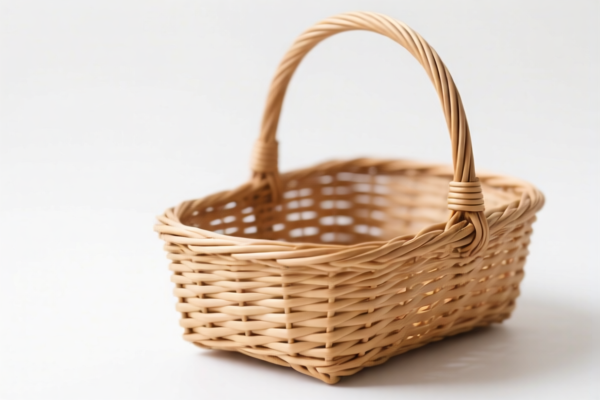
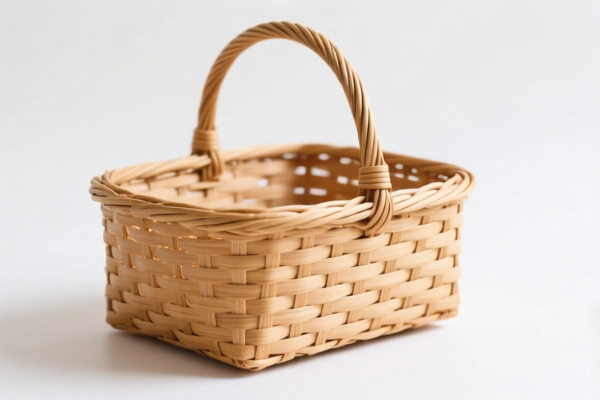
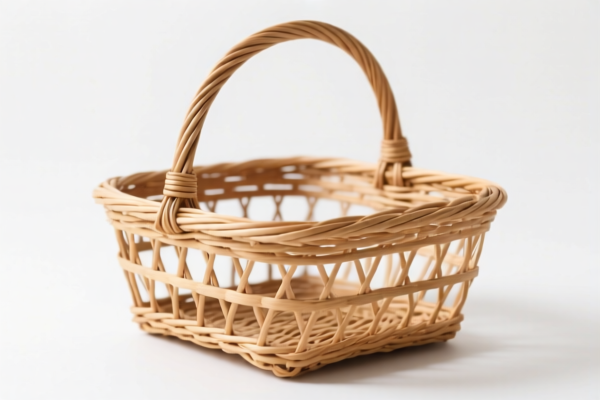
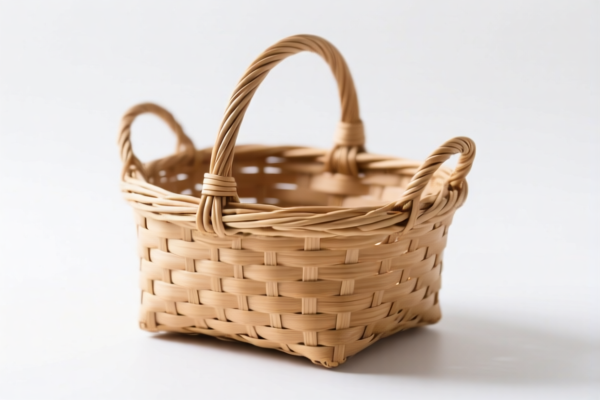
AI Analysis
🧺 Shopping Tote Baskets (Woven Plastic/Plant Fiber)
🌐 HS Code Reference & Customs Clearance Guide | 2026 Latest Tariff Analysis | Professional Clearance Strategy
📌 I. Product Definition & Classification: Do You Really Understand "Woven Shopping Totes"?
Woven shopping totes are versatile containers used for retail, agriculture, or daily storage. In international trade, they are classified primarily under Chapter 46 (Articles of Plaiting Materials). The critical distinction lies in the material composition (hemp vs. bamboo/rattan vs. other plant fibers) and the specific subtype of the woven article.
⚠️ Key Distinction Points:
- If the material is explicitly Hemp (麻) and shaped as a basket → Classified under 4602.19.
- If the material is inferred as Bamboo/Rattan/Wicker (竹/藤/柳) due to weaving characteristics → Classified under 4602.11.
- If it is a Handbag shape made of woven plant fiber → May fall under 4602.11.21.
📦 II. HS Code Classification Details (2026 Latest Tariff Authority Comparison)
| HS Code | Product Description | Applicable Scenario | Material Inference |
|---|---|---|---|
4602.19.12.00 |
Hemp-woven shopping tote, basket shape | Shopping bags, reusable carriers | ✅ Hemp (麻) |
4602.19.80.00 |
Hand-held basket, plant material | General woven baskets, non-hemp plant fibers | ✅ Plant Material (Non-Hemp) |
4602.11.09.00 |
Woven basket, basket shape | Bamboo, rattan, or similar plant fiber baskets | ✅ Plant Fiber (e.g., Bamboo/Rattan) |
4602.11.07.00 |
Woven basket, basket shape | Bamboo/Willow weaving products | ✅ Plant Fiber (Bamboo/Willow) |
4602.11.21.00 |
Woven handbag, hand-held bag shape | Fashion totes made of woven plant fibers | ✅ Woven Plant Fiber Handbag |
🔍 Key Reminder:
- "Hemp" (麻) specifically triggers the 4602.19 subheading. Do not confuse it with general "plant fibers" (4602.11).
- "Basket Shape" (篮子) vs. "Handbag Shape" (手提包): The physical form dictates the subheading within 4602.11. If it looks like a handbag but is woven, it may still fall under 4602.11.21, not 4602.11.09.
💰 III. 2026 Latest Tariff Rate Details (Including Additional Taxes & Policy Surcharges)
✅ Applicable Country: United States (US)
✅ Country of Origin: China (CN)
✅ Effective Time: 2025/2026 Import Period
🎯 1. 4602.19.12.00 —— Hemp-Woven Shopping Tote (Basket Shape)
| Item | Content |
|---|---|
| Base Tariff | 5.8% (Ad Valorem) |
| USITC Surcharge | +25.0% (Section 301 Tariffs) |
| Section 122 Tariff | +10.0% (Specific legislative surcharge) |
| Total Tariff | 40.8% |
| Tax Calculation | CIF Value × 40.8% |
| De Minimis Exemption | ❌ Not Eligible (High tariff rates exceed exemption thresholds) |
| Legal Basis Path | USITC:4602.19.12.00 → FOOTNOTE:301.04.03 → Section 122: 10% Surcharge |
📌 Explanation:
- "Base Tariff 5.8%": Standard MFN rate for hemp articles.
- "USITC Surcharge 25%": Applied to all Chinese-made goods under Section 301 (List 4B/Covered).
- "Section 122 Tariff 10%": Additional surcharge imposed by specific trade legislation.
- Total 40.8%: This is a high-cost import category. Precise material declaration is crucial to avoid misclassification penalties.
🎯 2. 4602.19.80.00 —— Hand-held Basket (Plant Material, Non-Specific Hemp)
| Item | Content |
|---|---|
| Base Tariff | 2.3% (Ad Valorem) |
| USITC Surcharge | +25.0% (Section 301 Tariffs) |
| Section 122 Tariff | +10.0% (Specific legislative surcharge) |
| Total Tariff | 37.3% |
| Tax Calculation | CIF Value × 37.3% |
| De Minimis Exemption | ❌ Not Eligible |
| Legal Basis Path | USITC:4602.19.80.00 → FOOTNOTE:301.04.03 → Section 122: 10% Surcharge |
📌 Note:
- Lower base rate than hemp-specific totes, but still subject to the 35% surcharge (25% + 10%).
- Use this code only if the material is NOT hemp but other plant fibers (e.g., straw, esparto).
🎯 3. 4602.11.09.00 —— Woven Basket (Bamboo/Rattan/etc.)
| Item | Content |
|---|---|
| Base Tariff | 10.0% (Ad Valorem) |
| USITC Surcharge | +25.0% (Section 301 Tariffs) |
| Section 122 Tariff | +10.0% (Specific legislative surcharge) |
| Total Tariff | 45.0% |
| Tax Calculation | CIF Value × 45.0% |
| De Minimis Exemption | ❌ Not Eligible |
| Legal Basis Path | USITC:4602.11.09.00 → FOOTNOTE:301.04.03 → Section 122: 10% Surcharge |
📌 Warning:
- This is the highest total rate (45%) among basket types due to the 10% base tariff.
- Applies to general woven baskets made of bamboo, rattan, reed, etc. Ensure the product is not a "handbag" shape (which might have different rates) or hemp (4602.19).
🎯 4. 4602.11.07.00 —— Woven Basket (Bamboo/Willow)
| Item | Content |
|---|---|
| Base Tariff | 0.0% (Ad Valorem) |
| USITC Surcharge | +25.0% (Section 301 Tariffs) |
| Section 122 Tariff | +10.0% (Specific legislative surcharge) |
| Total Tariff | 35.0% |
| Tax Calculation | CIF Value × 35.0% |
| De Minimis Exemption | ❌ Not Eligible |
| Legal Basis Path | USITC:4602.11.07.00 → FOOTNOTE:301.04.03 → Section 122: 10% Surcharge |
📌 Optimization Tip:
- This is the lowest total rate (35%) for woven plant-fiber baskets.
- Crucial Condition: The material MUST be specifically bamboo or willow (竹/柳). If it is rattan or other fibers, it may be reclassified to 4602.11.09 (45%).
- Strategy: If your product is made of willow, ensure your invoice and description explicitly state "Willow Woven Basket" to claim the 0% base rate.
🎯 5. 4602.11.21.00 —— Woven Handbag (Hand-held Bag Shape)
| Item | Content |
|---|---|
| Base Tariff | 6.2% (Ad Valorem) |
| USITC Surcharge | +25.0% (Section 301 Tariffs) |
| Section 122 Tariff | +10.0% (Specific legislative surcharge) |
| Total Tariff | 41.2% |
| Tax Calculation | CIF Value × 41.2% |
| De Minimis Exemption | ❌ Not Eligible |
| Legal Basis Path | USITC:4602.11.21.00 → FOOTNOTE:301.04.03 → Section 122: 10% Surcharge |
📌 Note:
- Even though it’s a "handbag" style, if it’s woven from plant fibers, it falls under 4602.11, not Chapter 42 (Leather/Textile Bags).
- The 35% surcharge (25% + 10%) applies regardless of the "fashion" aspect.
- Base rate is moderate (6.2%), making the total cost predictable but high.
🛠️ IV. Customs Clearance Practical Advice (Real-World Pitfall Avoidance Guide)
✅ 1. Preparation Checklist (Non-negotiable)
| Document | Mandatory? | Description |
|---|---|---|
| ✅ Product Specifications | ✔️ | Detail material composition: Is it Hemp, Bamboo, Willow, or Rattan? |
| ✅ Material Test Report | ✔️ | Third-party lab report confirming fiber type (especially if claiming 0% base rate for Willow/Bamboo). |
| ✅ Clear Photos | ✔️ | Show overall shape, weaving pattern, and any handles. Distinguish between "Basket" and "Handbag" shape. |
| ✅ Commercial Invoice | ✔️ | Must accurately describe the item: "Woven Hemp Shopping Tote" vs. "Bamboo Basket". Do not use generic terms like "Plastic Basket" if it's plant fiber. |
| ✅ Packing List | ✔️ | Confirm no mixed materials (e.g., plastic handles, metal clasps) that could trigger Chapter 39 or 73 classification. |
✅ 2. Declaration Techniques (Key Mnemonic)
🔥 "Material First, Shape Second, Willow Gets Zero Base!"
| Scenario | Correct Declaration | Incorrect Practice |
|---|---|---|
| Product is Hemp | 4602.19.12.00 |
Misdeclare as "Plastic Bag" → Smuggling/Fraud Risk |
| Product is Willow | 4602.11.07.00 (0% Base) |
Misdeclare as "Rattan" → 45% Total Tax |
| Product is General Plant Fiber | 4602.19.80.00 |
Misdeclare as "Hemp" → 40.8% vs 37.3% (Overpaying) |
| Product is Handbag Shape | 4602.11.21.00 |
Misdeclare as "Basket" → Potential classification dispute |
✅ 3. Special Cases Handling
| Situation | Handling Advice |
|---|---|
| Mixed Materials | If the basket has plastic liners or fabric handles, ensure the woven plant fiber is the principal material. Otherwise, it may fall under Chapter 39 (Plastics) or 42 (Bags). |
| OEM Custom Designs | Provide design drawings to prove the "Handbag" vs. "Basket" shape. Classification affects the subheading (e.g., 4602.11.21 vs 4602.11.09). |
| "Hemp" Ambiguity | If the supplier says "Jute" or "Seagrass", do NOT use the Hemp code (4602.19). Use general plant fiber codes (4602.11 or 4602.19.80). |
| De Minimis Section 321 | ⚠️ WARNING: Due to high tariffs (35%-45%), small packages (under $800) do NOT enjoy duty-free entry if the HS code is subject to Section 301. Always declare formally. |
🌍 V. Global Market Comparison (2026 Latest)
| Country/Region | Recommended HS Code | Tariff (China Origin) | Certification | Notes |
|---|---|---|---|---|
| 🇺🇸 USA | 4602.11.07.00 (Best Rate) |
35% (0% Base + 35% Surcharge) | None | Highest duty burden globally. Avoid "Hemp" if possible unless necessary. |
| 🇨🇳 China | 4602.11.07.00 |
0%~5% | None | Domestic trade has low duties. |
| 🇪🇺 EU | 4602.11.09.00 |
0% | CE (if relevant) | No Section 301 surcharges. Favorable for plant-fiber goods. |
| 🇬🇧 UK | 4602.11.09.00 |
0%~5% | UKCA | Post-Brexit tariff schemes may offer duty-free access. |
📌 Conclusion:
- USA is the most challenging market for woven baskets due to the 25% Section 301 + 10% Section 122 surcharges.
- EU/UK are favorable, with 0% base tariffs for many plant-fiber products.
- Strategy: If shipping to the US, prioritize Willow/Bamboo (4602.11.07.00) to minimize the base rate, and ensure documentation proves the material to avoid audits.
📌 VI. Common Errors & Pitfalls (Lessons Learned)
❌ Error 1: Declaring all woven items as "Plastic Baskets" (Chapter 39)
👉 Consequence: Misclassification penalty + Back taxes + Seizure risk.
❌ Error 2: Using "Hemp" code for Jute or Seagrass baskets
👉 Consequence: Customs may downgrade to a different subheading or fine for false declaration.
❌ Error 3: Ignoring Section 122 Tariff (10%)
👉 Consequence: Under-declaring taxes by 10% leads to penalties and interest.
❌ Error 4: Misidentifying "Handbag" shape as "Basket"
👉 Consequence: Wrong subheading (4602.11.21 vs 4602.11.09) may lead to different inspection requirements.
✅ Correct Declaration Example:
"Woven Willow Shopping Basket, Handheld, Plant Fiber Material, No Liner, Model W-100, Made in China"
HS Code:4602.11.07.00
Total Tariff: 35%
🎯 VII. Conclusion: Precision in Classification Saves Money!
🎯 Remember the Mnemonic:
🔹 "Willow is Zero Base, Hemp is 5.8%, Surcharge is 35% Flat!"
🔹 "Shape Matters: Basket vs. Handbag changes the Subheading!"
🔹 "35% to 45% Total Rate: Don't Guess, Verify Material!"
📌 Pro Tip:
If your product is made of Bamboo or Willow, always insist on 4602.11.07.00 for the 35% total rate.
If it is Hemp, expect 40.8%.
If it is Other Plant Fiber, expect 37.3%.
Never assume! Provide material test reports to support your 0% base rate claim.
📣 Immediate Action:
📞 Contact your customs broker with the material composition and photos.
📄 Request a Pre-Ruling if the value is high.
🚀 Optimize your supply chain: Consider sourcing from non-US-tariff countries if possible, or adjust pricing to absorb the 35%+ duty.
✨ Professional Clearance Starts with Precise Classification!
💼 Every percentage point saved is pure profit!
Customer Reviews
About HS Code Classification
The Harmonized System (HS) is an internationally standardized nomenclature developed by the World Customs Organization (WCO) to classify traded products. Over 200 countries use the HS system as the basis for customs tariffs, trade statistics, and import/export regulations.
Each HS code follows a hierarchical structure:
- Chapter (2 digits) — Broad category of goods (e.g., Chapter 84: Machinery and Mechanical Appliances)
- Heading (4 digits) — More specific grouping within the chapter
- Subheading (6 digits) — Internationally standardized breakdown, used by all WCO member countries
- National subdivisions (8-10 digits) — Country-specific extensions for further classification, such as US HTSUS 10-digit codes
Correct HS code classification is essential for smooth customs clearance, accurate duty payment, and compliance with trade regulations. Misclassification can lead to customs delays, overpayment of duties, or penalties.
When importing from CN to US, the applicable tariff rates may include:
- Most-Favored-Nation (MFN) rate — The standard duty rate applied to WTO members
- General rate — Applied to countries without trade agreements
- Trade remedy duties — Additional tariffs such as Section 301 (anti-dumping), Section 232 (national security), or countervailing duties
The information provided on this page is for reference purposes only. For official classification, please consult with your local customs authority or a licensed customs broker.