缝纫线
CN → US| HS Code | Tariff Rate | Origin | Destination | Doc |
|---|---|---|---|---|
| 5204110000 | 39.4% | CN | US | Official Doc |
| 5204190000 | 39.4% | CN | US | Official Doc |
| 5508100000 | 46.4% | CN | US | Official Doc |
| 5508200000 | 46.0% | CN | US | Official Doc |
| 5401100000 | 46.4% | CN | US | Official Doc |
| 5401200000 | 46.4% | CN | US | Official Doc |
Product Images

AI Analysis
🧵 Spinning Thread: The Ultimate HS Code & Tariff Guide (2026 Edition)
🌐 HS Code Reference & Clearance Strategy | Comprehensive Tax Breakdown for Sewing Threads
📌 I. Product Definition & Classification: What Exactly is "Sewing Thread"?
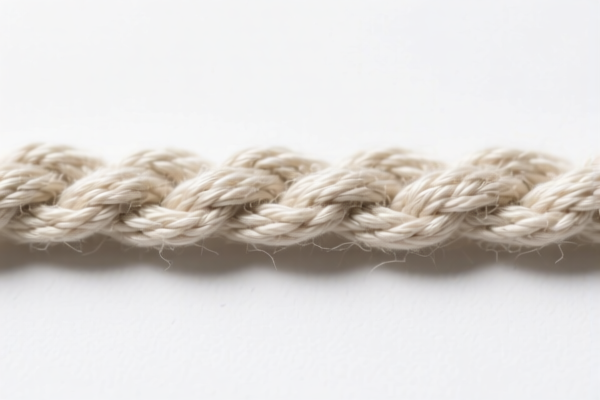
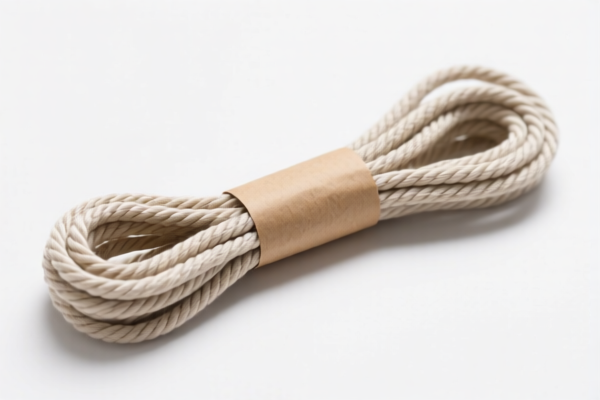
Sewing thread is a fundamental textile product used in garment manufacturing, leather goods, upholstery, and industrial stitching. In international trade, it is strictly categorized by its fiber composition (Natural vs. Synthetic vs. Man-made) and filament type (Staple vs. Filament).
The Critical Distinction: * Cotton Threads (Natural): Made from 100% cotton staple fibers. * Synthetic Staple Threads: Made from spun polyester, nylon, etc. (Short fibers spun into yarn). * Man-made Staple Threads: Made from viscose, acetate, etc. (Regenerated fibers spun into yarn). * Filament Threads (Continuous): Made from continuous synthetic or man-made filaments (no spinning of short fibers).
⚠️ Key Classification Rules:
- Cotton → Always falls under Chapter 52.
- Synthetic/Man-made Staple → Falls under Chapter 55.
- Synthetic/Man-made Filament → Falls under Chapter 54.
- Misclassification Risk: Mixing "Spun" (Staple) and "Filament" (Continuous) leads to different tariff rates and clearance issues!
📦 II. HS Code Classification Matrix (2026 Tax Tariff Data)
Based on the provided data, here is the precise breakdown for sewing threads imported from China to the US:
| HS Code | Product Description | Fiber Type | Filament Status | Key Characteristic |
|---|---|---|---|---|
5204.11.00.00 |
Cotton Sewing Thread | Cotton (Natural) | Staple (Spun) | General purpose cotton thread |
5204.19.00.00 |
Cotton Sewing Thread | Cotton (Natural) | Staple (Spun) | Other cotton thread (e.g., mercerized, colored variants not covered above) |
5508.10.00.00 |
Synthetic Short Fiber Sewing Thread | Synthetic (e.g., Polyester) | Staple (Spun) | Made from spun synthetic fibers |
5508.20.00.00 |
Man-made Short Fiber Sewing Thread | Man-made (e.g., Viscose) | Staple (Spun) | Made from spun regenerated fibers |
5401.10.00.00 |
Synthetic Filament Sewing Thread | Synthetic | Filament (Continuous) | Continuous synthetic filaments, high strength |
5401.20.00.00 |
Man-made Filament Sewing Thread | Man-made | Filament (Continuous) | Continuous man-made filaments, high luster |
🔍 Critical Note:
- Staple (Short Fiber) threads are taxed under Chapter 54 or 55 (depending on fiber) based on the spun yarn logic.
- Filament (Continuous) threads are taxed under Chapter 54.
- Cotton threads are strictly under Chapter 52.
- DO NOT misclassify "Synthetic Filament" as "Synthetic Staple" or vice versa; the HS codes differ significantly (54xxvs55xx), though the total tariff rate may appear similar in this specific data set.
💰 III. 2026 Tariff Rate Deep Dive (China to US)
✅ Applicable Country: United States (US)
✅ Origin: China (CN)
✅ Effective Date: Current Trade Policy (Post-Section 301 & Section 122)
⚠️ Warning: All items listed below are subject to three layers of taxation.
🎯 Group A: Cotton Threads (5204.11.00.00 & 5204.19.00.00)
Total Tariff: 39.4%
| Component | Rate | Source / Legal Basis | Explanation |
|---|---|---|---|
| Base Tariff | 4.4% | MFN (Most Favored Nation) | Standard US tariff rate for cotton thread. |
| Additional Tariff | 25.0% | Section 301 (China) | Trump/Biden era "301" Section tariffs targeting Chinese textiles. |
| Section 122 Tariff | 10.0% | Section 122 (Emergency) | Special emergency tariff on specific textile imports (often applied to cotton). |
| TOTAL | 39.4% | High Risk | Cumulative Tax. |
📌 Interpretation:
For every $100 of cotton sewing thread, the importer pays $39.40 in duties before taxes or fees. This is a very high barrier for low-margin cotton goods.
🎯 Group B: Synthetic & Man-made Threads (55xx & 54xx)
Total Tariff: 46.0% – 46.4%
| HS Code | Product | Base Tariff | Section 301 | Section 122 | TOTAL |
|---|---|---|---|---|---|
5508.10.00.00 |
Synthetic Staple | 11.4% | 25.0% | 10.0% | 46.4% |
5401.10.00.00 |
Synthetic Filament | 11.4% | 25.0% | 10.0% | 46.4% |
5508.20.00.00 |
Man-made Staple | 11.0% | 25.0% | 10.0% | 46.0% |
5401.20.00.00 |
Man-made Filament | 11.4% | 25.0% | 10.0% | 46.4% |
📌 Interpretation:
- Base Rate: Synthetic/Man-made threads start with a higher base rate (11.0% - 11.4%) compared to cotton (4.4%).
- Add-ons: Like cotton, they are hit with 25% (301) and 10% (122).
- Result: The total duty for synthetic threads is ~46.4%, making them even more expensive to import than cotton threads.⚠️ Micro-de minimis Exception:
❌ NOT APPLICABLE. Under Section 321 de minimis rules (often <$800), these goods do not qualify for tax-free entry if they are subject to Section 301/122 restrictions. If the value exceeds the threshold, full duties apply.
🛠️ IV. Customs Clearance Practical Advice (Actionable Tips)
✅ 1. Documentation Checklist (Must-Have)
| Document | Requirement | Why it Matters |
|---|---|---|
| Technical Specification Sheet | ✔️ Mandatory | Must explicitly state: "Staple vs. Filament" and "Fiber Content % (Cotton/Synthetic/Viscose)". Ambiguity leads to audits. |
| Manufacturing Process Flow | ✔️ Highly Recommended | Proves if the thread is "Spun" (Staple) or "Continuous" (Filament). Crucial for 55xx vs 54xx classification. |
| Certificate of Origin (CO) | ✔️ Mandatory | Proves "Made in China" to trigger correct Section 301/122 duties. |
| Commercial Invoice | ✔️ Mandatory | Must match HS Code exactly. Use "Sewing Thread" not "Yarn" or "String". |
| Packing List | ✔️ Mandatory | Ensure no "mixed fiber" spools in the same box unless declared separately. |
✅ 2. Classification Strategy (The "Staple vs. Filament" Trap)
🔥 Golden Rule: "Spun = Staple, Continuous = Filament"
| Scenario | Correct HS Code | Risk if Wrong |
|---|---|---|
| Polyester thread made of short spun fibers | 5508.10.00.00 |
If misdeclared as Filament (5401...): Potential audit + fines. |
| Nylon thread made of continuous filaments | 5401.10.00.00 |
If misdeclared as Staple: 46.4% vs 46.0% (Minor diff, but compliance risk). |
| Cotton thread (Mercerized/Colored) | 5204.19.00.00 |
If declared as 5204.11.00.00 (White/Standard): Generally acceptable, but be consistent. |
✅ 3. Strategic Cost Mitigation
| Strategy | Description | Feasibility |
|---|---|---|
| Transshipment (Vietnam/Mexico) | Ship from non-China origin to avoid 301/122 tariffs (Base rate applies). | ⚠️ High Risk: US Customs aggressively checks for "transshipment fraud." Requires substantial transformation. |
| Tariff Exclusion Program | Apply for specific exclusions if the product is not available in the US. | ✅ Possible: Check USTR Exclusion List for your specific HS Code. |
| Bonded Warehousing | Store goods in a bonded zone, defer payment, re-export if needed. | ✅ Good: Helps cash flow, but doesn't eliminate the 46.4% duty if sold in the US. |
| Product Redesign | Switch from "Sewing Thread" to "Yarn" (if applicable) or combine with other goods? | ❌ Difficult: "Sewing Thread" has a specific definition. Changing the definition is risky. |
🌍 V. Global Market Comparison (Sewing Threads)
| Market | Typical Base Rate | 301/Section 122? | Total Effective Rate |
|---|---|---|---|
| 🇺🇸 USA | 4.4% - 11.4% | YES (+35%) | 39.4% - 46.4% |
| 🇪🇺 EU | 4% - 6% | NO (GSP for some) | ~6% - 12% |
| 🇨🇦 Canada | 5% - 7% | NO | ~10% |
| 🇯🇵 Japan | 6% - 8% | NO | ~8% |
📌 Conclusion:
The US market is uniquely punitive for Chinese sewing threads due to the 39.4% - 46.4% cumulative tariff. Competitors in Vietnam or Mexico have a massive cost advantage (~5% - 10% vs 40%+).
📌 VI. Common Pitfalls & Red Flags
❌ Pitfall 1: Confusing "Yarn" with "Sewing Thread"
- Risk: "Yarn" (Chapter 52/54/55 unprocessed) has lower base rates but different rules. "Sewing Thread" (Chapter 5401/5204/5508) is finished.
- Fix: Check if the thread is wound on a spool, has a twist (ply), and is ready for sewing machines.
❌ Pitfall 2: Ignoring "Section 122"
- Risk: Many importers only account for the 25% Section 301 tax and forget the 10% Section 122 surcharge.
- Fix: Always calculate Total = Base + 25% + 10%.
❌ Pitfall 3: "Made in China" Labeling on Packaging
- Risk: If the label says "Made in China" but the importer claims it's "Made in Vietnam," this triggers Customs Fraud investigations.
- Fix: Ensure physical origin matches documentation.
🎯 VII. Final Verdict: Strategic Recommendation
🚀 For US Importers of Chinese Sewing Thread:
1. Verify Fiber Type: Double-check if your thread is Staple or Filament. A one-digit change in HS Code can alter the base rate. 2. Budget for 46.4%: If you are importing synthetic thread, assume a ~46% duty cost on your landed cost model. 3. Explore Alternatives: If margins are thin, consider sourcing from Vietnam or India (where 301/122 tariffs may not apply) to regain competitiveness. 4. Apply for Exclusions: If your thread is unique or critical, apply for a Section 301 Exclusion immediately (check USTR website).
✨ Professional Clearance, From Accurate Classification!
💰 Every dollar saved in duty is a dollar added to your profit!
🚫 Don't let the 46.4% tariff sink your business!
Disclaimer: This guide is based on the provided data for 2026. Trade policies (Section 301/122) are subject to change. Always consult a licensed customs broker for real-time advice.
Customer Reviews
About HS Code Classification
The Harmonized System (HS) is an internationally standardized nomenclature developed by the World Customs Organization (WCO) to classify traded products. Over 200 countries use the HS system as the basis for customs tariffs, trade statistics, and import/export regulations.
Each HS code follows a hierarchical structure:
- Chapter (2 digits) — Broad category of goods (e.g., Chapter 84: Machinery and Mechanical Appliances)
- Heading (4 digits) — More specific grouping within the chapter
- Subheading (6 digits) — Internationally standardized breakdown, used by all WCO member countries
- National subdivisions (8-10 digits) — Country-specific extensions for further classification, such as US HTSUS 10-digit codes
Correct HS code classification is essential for smooth customs clearance, accurate duty payment, and compliance with trade regulations. Misclassification can lead to customs delays, overpayment of duties, or penalties.
When importing from CN to US, the applicable tariff rates may include:
- Most-Favored-Nation (MFN) rate — The standard duty rate applied to WTO members
- General rate — Applied to countries without trade agreements
- Trade remedy duties — Additional tariffs such as Section 301 (anti-dumping), Section 232 (national security), or countervailing duties
The information provided on this page is for reference purposes only. For official classification, please consult with your local customs authority or a licensed customs broker.