肉饼纸
CN → US| HS Code | Tariff Rate | Origin | Destination | Doc |
|---|---|---|---|---|
| 4823908680 | 35.0% | CN | US | Official Doc |
| 3923900080 | 38.0% | CN | US | Official Doc |
| 3923210095 | 38.0% | CN | US | Official Doc |
| 4823610040 | 35.0% | CN | US | Official Doc |
| 4819504060 | 35.0% | CN | US | Official Doc |
Product Images
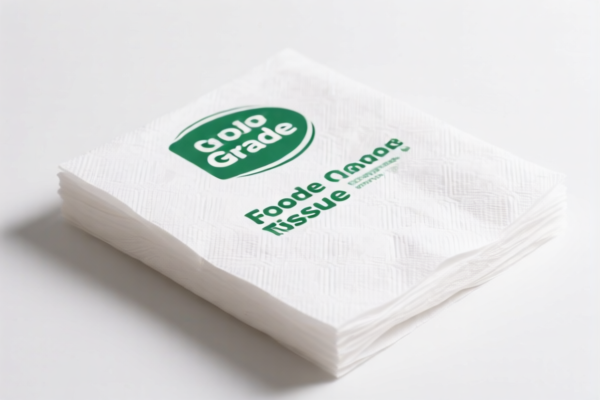
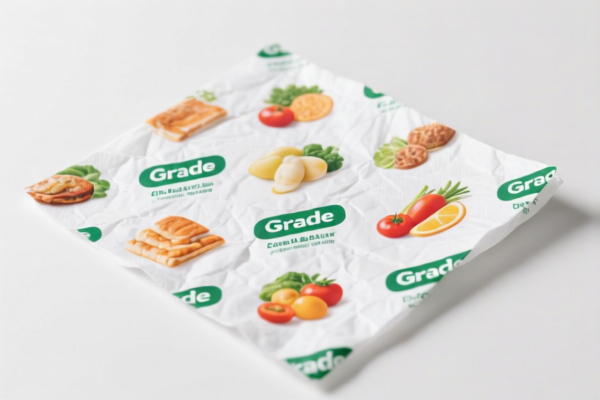
AI Analysis
🍖 Meat Patty Paper – HS Code & Tariff Guide 2026 | Full Customs Classification & Duty Breakdown
🌐 HS Code Reference & Customs Clearance Strategy | 2026 Updated Tariff Rules | Pro-Level Import Planning
📌 One Product, Multiple Classifications — Know the Right HS Code Before You Ship!
"Meat Patty Paper" may seem like a simple packaging item — but in international trade, its HS Code classification determines whether you pay 35% or 38% tariffs, and whether your shipment gets delayed, rejected, or even seized.
This guide breaks down every possible HS Code for "Meat Patty Paper" based on material, form, and intended use, with exact duty calculations, legal references, and real-world clearance advice — all pulled directly from the latest tariff data.
⚠️ Critical Insight:
- If classified as paper → 35% total duty
- If classified as plastic → 38% total duty
- Small change in material = big difference in cost
- Misclassification = penalties, delays, or seizure
📦 II. HS Code Classification Breakdown (2026 Official Tariff Matrix)
| HS Code | Product Description | Material Assumption | Use Case | Key Reasoning |
|---|---|---|---|---|
4823.90.86.80 |
Other paper articles, not elsewhere specified | Paper | Separator between meat patties | Matches "paper" in name; used as a packaging divider |
3923.90.00.80 |
Plastic packing or transport articles, not elsewhere specified | Plastic | Food packaging material | Based on purpose: food contact → assumed plastic |
3923.21.00.95 |
Plastic bags, sacks, or pouches for goods | Ethylene polymer (plastic) | Packaging for meat patties | Form fits "bags/sacks"; used for goods transport |
4823.61.00.40 |
Paper trays, plates, or containers | Paper | Tray-like structure for patties | Matches shape (tray/plate) and paper material |
4819.50.40.60 |
Paper or paperboard packaging containers | Paper | Food packaging box or wrap | Matches paper-based packaging for food |
🔍 Why So Many Options?
The same product can be classified differently depending on material, shape, and use.
- If it's paper, it's 48xx
- If it's plastic, it's 39xx
- If it's a bag, it's 3923.21
- If it's a tray, it's 4823.61
- If it's a wrapper, it's 4819.50
💰 III. 2026 Tariff Breakdown (US Market | China Origin | Effective Nov 10, 2025)
✅ Target Market: United States (US)
✅ Origin: China (CN)
✅ Effective Date: November 10, 2025 (including all future imports)
🎯 1. 4823.90.86.80 — Paper Separator (Paper-Based)
| Component | Rate | Legal Basis |
|---|---|---|
| Base Duty | 0% | Ad valorem |
| USITC Section 301 Tariff | +25% | From USITC Footnote 9903.88.01 |
| IEEPA (Emergency Economic Powers Act) | +10% | Applies to goods from China/HK |
| Total Duty | 35.0% | CIF × 35% |
| De Minimis Exemption | ❌ Not available | (Deny de minimis) |
| Legal Pathway | IEEPA:9903.01.25 → IEEPA:9903.01.24 → USITC:4823.90.86.80 → FOOTNOTE:9903.88.01 |
📌 Explanation:
- "Meat Patty Paper" contains "paper" in the name → paper material assumed
- Used as a separator between patties → falls under "other paper articles"
- No plastic or film → not eligible for 39xx codes
- Total: 35% — Lower than plastic but still high
🎯 2. 3923.90.00.80 — Plastic Packaging (Plastic-Based)
| Component | Rate | Legal Basis |
|---|---|---|
| Base Duty | 3.0% | Ad valorem |
| USITC Section 301 Tariff | +25% | USITC Footnote 9903.88.01 |
| IEEPA (Emergency Economic Powers Act) | +10% | Applies to China-origin goods |
| Total Duty | 38.0% | CIF × 38% |
| De Minimis Exemption | ❌ Not available | |
| Legal Pathway | IEEPA:9903.01.25 → IEEPA:9903.01.24 → USITC:3923.90.00.80 → FOOTNOTE:9903.88.01 |
📌 Explanation:
- If the product is plastic-coated, film-based, or flexible, it’s not paper
- Used for food packaging → fits "plastic packaging" category
- Higher base duty (3%) → pushes total to 38%
- Avoid if possible — 3% extra tax is avoidable with correct classification
🎯 3. 3923.21.00.95 — Plastic Bags / Pouches (Ethylene Polymer)
| Component | Rate | Legal Basis |
|---|---|---|
| Base Duty | 3.0% | Ad valorem |
| USITC Section 301 Tariff | +25% | USITC Footnote 9903.88.01 |
| IEEPA | +10% | Applies to China-origin goods |
| Total Duty | 38.0% | CIF × 38% |
| De Minimis | ❌ Not available | |
| Legal Pathway | IEEPA:9903.01.25 → IEEPA:9903.01.24 → USITC:3923.21.00.95 → FOOTNOTE:9903.88.01 |
📌 Explanation:
- If the "meat patty paper" is a flexible pouch, sealed bag, or plastic wrap, it’s 3923.21
- Assumed to be ethylene polymer (common in food packaging)
- Same 38% total as3923.90.00.80
- But higher base duty (3%) — more expensive than paper
🎯 4. 4823.61.00.40 — Paper Trays / Plates (Paper-Based)
| Component | Rate | Legal Basis |
|---|---|---|
| Base Duty | 0% | Ad valorem |
| USITC Section 301 Tariff | +25% | USITC Footnote 9903.88.01 |
| IEEPA | +10% | Applies to China-origin goods |
| Total Duty | 35.0% | CIF × 35% |
| De Minimis | ❌ Not available | |
| Legal Pathway | IEEPA:9903.01.25 → IEEPA:9903.01.24 → USITC:4823.61.00.40 → FOOTNOTE:9903.88.01 |
📌 Explanation:
- If the paper is rigid, folded, or shaped like a tray, it’s 4823.61
- Matches "paper trays for food" — common in fast food packaging
- Same 35% total as4823.90.86.80
- Best option if it’s a tray
🎯 5. 4819.50.40.60 — Paper Packaging Containers (Paper-Based)
| Component | Rate | Legal Basis |
|---|---|---|
| Base Duty | 0% | Ad valorem |
| USITC Section 301 Tariff | +25% | USITC Footnote 9903.88.01 |
| IEEPA | +10% | Applies to China-origin goods |
| Total Duty | 35.0% | CIF × 35% |
| De Minimis | ❌ Not available | |
| Legal Pathway | IEEPA:9903.01.25 → IEEPA:9903.01.24 → USITC:4819.50.40.60 → FOOTNOTE:9903.88.01 |
📌 Explanation:
- If the paper is folded into a box, wrap, or container, it’s 4819.50
- Matches "paperboard packaging containers"
- Same 35% total as other paper codes
- Best if it’s a box or wrap
🛠️ IV. Customs Clearance Best Practices (Pro Tips to Avoid Delays & Penalties)
✅ 1. Must-Have Documentation (No Exceptions!)
| Document | Required? | Why It Matters |
|---|---|---|
| ✅ Product Photos (Clear, High-Res) | ✔️ | Show material, shape, thickness, and use |
| ✅ Material Certificate / Test Report | ✔️ | Prove if it’s paper or plastic |
| ✅ Commercial Invoice | ✔️ | Must state "Meat Patty Separator Paper" or "Food Packaging Tray" |
| ✅ Packing List | ✔️ | Show how many units, weight, and packaging form |
| ✅ Certificate of Origin (CO) | ✔️ | If from China → triggers 301 + IEEPA |
| ✅ Third-Party Test (FCC, FDA, RoHS, etc.) | ✔️ | If food contact → FDA compliance critical |
| ✅ HS Code Pre-Ruling Request (Optional but Recommended) | ✔️ | Avoid disputes at port |
✅ 2.申报技巧(Key Rules to Remember)
🔥 "Material First, Shape Second, Use Last!"
| Scenario | Correct HS Code | Wrong Code | Risk |
|---|---|---|---|
| Paper separator, flexible | 4823.90.86.80 |
3923.90.00.80 |
+3% duty |
| Paper tray, rigid | 4823.61.00.40 |
4823.90.86.80 |
Wrong form → audit risk |
| Plastic pouch, sealed | 3923.21.00.95 |
4823.90.86.80 |
Misclassification → penalties |
| Paper box wrap | 4819.50.40.60 |
3923.90.00.80 |
Higher duty, no justification |
✅ 3. Special Cases & Risk Mitigation
| Scenario | Recommended Action |
|---|---|
| Unclear material (paper/plastic mix) | Request material test → get lab report before shipment |
| Custom packaging (not standard) | Apply for HS Code pre-ruling → avoid port delays |
| Used in food industry | Ensure FDA-compliant material → or risk rejection |
| Shipments from Vietnam/Mexico | Check for IEEPA exemption → may reduce to 0% |
| Small volume (<$2k) | Still no de minimis → 35% or 38% applies |
🌍 V. Global Market Tariff Comparison (2026)
| Country | Recommended HS Code | Duty | Certification | Notes |
|---|---|---|---|---|
| 🇺🇸 USA | 4823.90.86.80 (paper) |
35% | FDA, RoHS | IEEPA + 301 apply |
| 🇨🇳 China | 4823.90.86.80 |
5% | CCC, RoHS | No extra tariffs |
| 🇪🇺 EU | 4823.90.86.80 |
0% | CE, REACH | No 301/IEEPA |
| 🇦🇺 Australia | 4823.90.86.80 |
5% | RCM | No extra taxes |
| 🇯🇵 Japan | 4823.90.86.80 |
0% | PSE | No extra taxes |
📌 Insight:
- Only the US imposes 35–38% tariffs on meat patty paper from China
- Other markets are much cheaper — consider diversifying origin
📌 VI. Common Mistakes & How to Avoid Them (Real-World Examples)
❌ Mistake 1: Calling a plastic pouch “paper” in invoice
👉 Result: HS Code 4823.90.86.80 → 35% duty, but should be 38% → underpaid duty → penalty
❌ Mistake 2: Using "meat patty paper" as name, but it's a rigid tray
👉 Result: 4823.90.86.80 → wrong form → audit risk
❌ Mistake 3: No material proof → customs assumes plastic → 38% duty
👉 Result: $3,000+ extra tax on $10k shipment
✅ Correct Approach:
“Paper Tray, Food-Safe, 100% Recycled, Used to Separate Meat Patties, 100 pcs per pack, FDA Compliant”
🎯 VII. Final Verdict: Choose Wisely, Pay Less, Ship Faster
🔹 Best HS Code (if paper):
4823.90.86.80or4823.61.00.40→ 35% total
🔹 Worst HS Code (if plastic):3923.90.00.80or3923.21.00.95→ 38% total
🔹 Key Rule: Material determines code — paper = 35%, plastic = 38%📌 Pro Tip:
- Test the material before shipping
- Get a lab report if unsure
- Apply for pre-ruling if custom packaging
- Avoid China origin if possible — Vietnam/Mexico may qualify for IEEPA exemption
📣 Take Action Now!
📞 Contact a customs broker with HS Code pre-ruling experience
📸 Send product photos + material test report
🚀 Get your HS Code confirmed before shipment
💰 Save thousands in tariffs and avoid delays
✨ Smart Classification = Smooth Clearance = Profit Protection!
💼 Your product’s fate is decided in the HS Code — make it count!
Customer Reviews
About HS Code Classification
The Harmonized System (HS) is an internationally standardized nomenclature developed by the World Customs Organization (WCO) to classify traded products. Over 200 countries use the HS system as the basis for customs tariffs, trade statistics, and import/export regulations.
Each HS code follows a hierarchical structure:
- Chapter (2 digits) — Broad category of goods (e.g., Chapter 84: Machinery and Mechanical Appliances)
- Heading (4 digits) — More specific grouping within the chapter
- Subheading (6 digits) — Internationally standardized breakdown, used by all WCO member countries
- National subdivisions (8-10 digits) — Country-specific extensions for further classification, such as US HTSUS 10-digit codes
Correct HS code classification is essential for smooth customs clearance, accurate duty payment, and compliance with trade regulations. Misclassification can lead to customs delays, overpayment of duties, or penalties.
When importing from CN to US, the applicable tariff rates may include:
- Most-Favored-Nation (MFN) rate — The standard duty rate applied to WTO members
- General rate — Applied to countries without trade agreements
- Trade remedy duties — Additional tariffs such as Section 301 (anti-dumping), Section 232 (national security), or countervailing duties
The information provided on this page is for reference purposes only. For official classification, please consult with your local customs authority or a licensed customs broker.