自粘弹力绷带
CN → US| HS Code | Tariff Rate | Origin | Destination | Doc |
|---|---|---|---|---|
| 5608903000 | 40.0% | CN | US | Official Doc |
| 3005905090 | 10.0% | CN | US | Official Doc |
| 3005105000 | 10.0% | CN | US | Official Doc |
| 5603920070 | 35.0% | CN | US | Official Doc |
| 5608902700 | 49.1% | CN | US | Official Doc |
Product Images


AI Analysis
🩹 Self-Adhesive Elastic Bandage (Medical Compression Bandage)
🌐 HS Code & Tariff Guide | 2026 U.S. Trade Compliance | Full Tax Breakdown & Customs Strategy
📌 One Product, Multiple HS Codes — Know Exactly Which One Applies!
📦 1. Product Definition & Classification: What Is a Self-Adhesive Elastic Bandage?
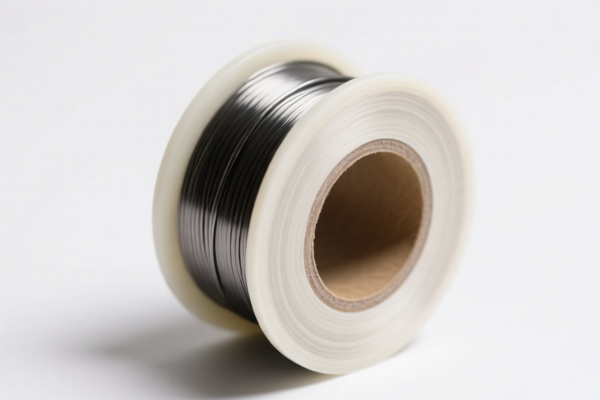
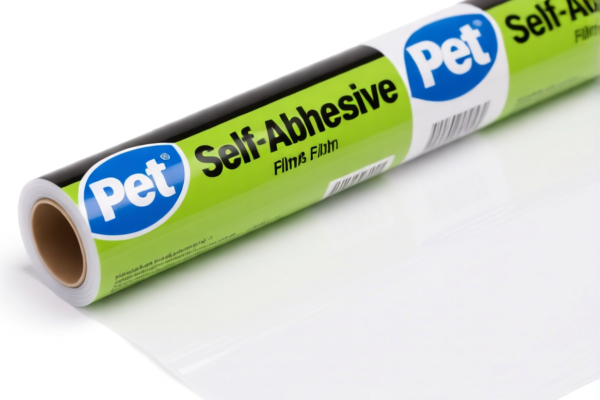
A self-adhesive elastic bandage is a medical-grade, stretchable strip used for wound support, joint stabilization, and compression therapy. It is designed to wrap around limbs or joints and stick to itself without needing clips or tapes.
✅ Key Features: - Made from textile fibers (e.g., cotton, polyester, spandex) with elastic properties - Has a self-adhesive coating (usually on one side) for secure fixation - Often impregnated or coated with medicated substances (e.g., antiseptic, anti-inflammatory) - Used in medical/surgical settings or home care for sprains, strains, post-surgery support
⚠️ Critical Distinction: - If it’s only elastic and self-adhesive → HS 5608.90.30.00 - If it’s impregnated/coated with medicinal agents → HS 3005.90.50.90 - If it’s not medical-grade and used for general support → HS 5608.90.27.00
📊 2. HS Code Classification Breakdown (2026 U.S. Tariff Schedule)
| HS Code | Product Description | Medical Use? | Tax Rate | Key Trigger |
|---|---|---|---|---|
5608.90.27.00 |
Rope, cord, twine, or netting, made of textile fibers, in the form of braided or woven bands | ❌ No | 49.1% | Not medical, no drug layer |
5603.92.00.70 |
Non-woven fabric products, ready for retail sale, non-medical | ❌ No | 35.0% | Not medical, not used for wound care |
3005.10.50.00 |
Bandages and similar dressings with adhesive layer, for medical/surgical use | ✅ Yes | 10.0% | Adhesive + medical purpose |
3005.90.50.90 |
Other bandages, self-adhesive, impregnated/coated with medicinal agents | ✅ Yes | 10.0% | Medicated + self-adhesive |
5608.90.30.00 |
Elastic textile bandages, other than those with medicinal properties | ✅ Yes | 40.0% | Elastic + self-adhesive, no medicine |
🔍 Why This Matters:
- Same product, different HS codes, wildly different tariffs! - A medicated bandage is taxed 10%, while a non-medicated elastic one is taxed 40% — a 30% difference! - No medical use? → 49.1% — nearly 50% in taxes!
💰 3. 2026 U.S. Tariff Breakdown (With Full Legal Basis)
🎯 1. 5608.90.27.00 — Braided/Woven Textile Band (Non-Medical)
| Item | Detail |
|---|---|
| Base Duty | 14.1% (ad valorem) |
| Section 301 (USITC) | +25.0% (China-origin goods) |
| Section 122 (IEEPA) | +10.0% (China/HK origin, under IEEPA) |
| Total Tariff | 49.1% |
| Tax Calculation | CIF Value × 49.1% |
| De Minimis Exemption? | ❌ No (denied for China-origin goods) |
| Legal Pathway | IEEPA:9903.01.25 → USITC:5608.90.27.00 → FOOTNOTE:9903.88.01 |
📌 Explanation: - This is the highest tax rate in the list. - Applies only if the bandage is not medical, not impregnated, and not used for wound care. - Even if it's elastic and self-adhesive, if no medical purpose, it's taxed as a textile rope.
🎯 2. 5603.92.00.70 — Non-Woven Fabric Product (Ready for Retail)
| Item | Detail |
|---|---|
| Base Duty | 0.0% |
| Section 301 (USITC) | +25.0% |
| Section 122 (IEEPA) | +10.0% |
| Total Tariff | 35.0% |
| Tax Calculation | CIF × 35.0% |
| De Minimis? | ❌ No |
| Legal Pathway | IEEPA:9903.01.24 → USITC:5603.92.00.70 → FOOTNOTE:9903.88.01 |
📌 Explanation: - Applies to non-woven fabric bandages that are pre-packaged for retail. - Even if it's elastic, if not medical, and not made of woven textile, this code applies. - Still high at 35%, but lower than 49.1%.
🎯 3. 3005.10.50.00 — Adhesive Medical Bandage (Non-Medicated)
| Item | Detail |
|---|---|
| Base Duty | 0.0% |
| Section 301 (USITC) | 0.0% |
| Section 122 (IEEPA) | +10.0% |
| Total Tariff | 10.0% |
| Tax Calculation | CIF × 10.0% |
| De Minimis? | ✅ Yes (if < $800, can be exempt) |
| Legal Pathway | IEEPA:9903.01.25 → 3005.10.50.00 |
📌 Explanation: - This is only for medical/surgical bandages with an adhesive layer. - No medicine → still only 10%. - IEEPA 10% applies to China-origin goods. - De minimis exemption applies → huge savings for small shipments!
🎯 4. 3005.90.50.90 — Self-Adhesive Medicated Bandage
| Item | Detail |
|---|---|
| Base Duty | 0.0% |
| Section 301 (USITC) | 0.0% |
| Section 122 (IEEPA) | +10.0% |
| Total Tariff | 10.0% |
| Tax Calculation | CIF × 10.0% |
| De Minimis? | ✅ Yes |
| Legal Pathway | IEEPA:9903.01.25 → 3005.90.50.90 |
📌 Explanation: - Applies when the bandage is impregnated or coated with medicinal agents (e.g., antiseptic, pain relief). - Even if medicated, the total tariff is still 10% — same as non-medicated. - De minimis applies → ideal for small orders.
🎯 5. 5608.90.30.00 — Elastic Textile Band (Non-Medicated)
| Item | Detail |
|---|---|
| Base Duty | 5.0% |
| Section 301 (USITC) | +25.0% |
| Section 122 (IEEPA) | +10.0% |
| Total Tariff | 40.0% |
| Tax Calculation | CIF × 40.0% |
| De Minimis? | ❌ No |
| Legal Pathway | IEEPA:9903.01.24 → USITC:5608.90.30.00 → FOOTNOTE:9903.88.01 |
📌 Explanation: - Applies to elastic, textile-based bandages that are self-adhesive but not medical. - No adhesive layer? → Not this code. - No medicine? → Still 40%. - No de minimis → always pays full tax.
🛠️ 4. Customs Clearance Strategy (Pro Tips for 2026)
✅ 1. Required Documentation (Must-Have List)
| Document | Required? | Why It Matters |
|---|---|---|
| ✅ Product Specifications | ✔️ | Prove material, elasticity, adhesive type |
| ✅ Medical Certification (FDA, CE, etc.) | ✔️ | Prove medical use → qualify for 10% tariff |
| ✅ Lab Report (Medication Content) | ✔️ | If medicated → prove active ingredients |
| ✅ Commercial Invoice | ✔️ | Must state “Self-Adhesive Elastic Bandage, Medical Use” |
| ✅ Packing List | ✔️ | Show packaging, quantity, weight |
| ✅ Certificate of Origin (CO) | ✔️ | If from Vietnam/Mexico, may avoid IEEPA |
| ✅ Product Photos (with labels) | ✔️ | Show adhesive side, medical labeling |
✅ 2.申报技巧 (Smart Declaration Tips)
🔥 “Medicine? → 10%. No Medicine? → 40% or 49.1%. Use the right code, save 30%!”
| Scenario | Correct HS Code | Tax Rate | Why |
|---|---|---|---|
| Self-adhesive, elastic, no medicine | 5608.90.30.00 |
40.0% | Elastic textile band |
| Self-adhesive, elastic, with antiseptic | 3005.90.50.90 |
10.0% | Medicated medical bandage |
| Not medical, just a fabric band | 5608.90.27.00 |
49.1% | Highest tax — avoid! |
| Retail-ready non-woven band | 5603.92.00.70 |
35.0% | Still high — not ideal |
📌 Golden Rule:
- If it’s used for medical purposes, declare it as medical — even if not medicated. - Use “medical/surgical” in the invoice and description.
✅ 3. Special Cases & Risk Mitigation
| Case | Solution |
|---|---|
| Bandage is labeled “for athletes” | Still qualify as medical if used for injury support → declare as 3005.90.50.90 |
| No active medicine, but self-adhesive | Use 3005.10.50.00 if medical purpose is clear |
| Shipment < $800 | De minimis applies → 0% tax on 10% tariff items |
| From Vietnam/Mexico | May avoid IEEPA 10% → 0% total tariff on 10% base |
| Customs audit? | Provide medical use evidence (e.g., FDA registration, clinical use case) |
🌍 5. Global Tariff Comparison (2026)
| Country | Recommended HS Code | Tariff | Certification | Notes |
|---|---|---|---|---|
| 🇺🇸 USA | 3005.90.50.90 |
10.0% | FDA, CE | De minimis applies |
| 🇨🇳 China | 3005.90.50.90 |
0% | CE, RoHS | No extra tariffs |
| 🇪🇺 EU | 3005.90.50.90 |
0% | CE | No additional taxes |
| 🇦🇺 Australia | 3005.90.50.90 |
0% | TGA | No extra duties |
| 🇯🇵 Japan | 3005.90.50.90 |
0% | PSE | No附加税 |
📌 Insight:
- Only the U.S. applies high附加 taxes (IEEPA + Section 301). - China-origin goods face 40–49% tariffs unless declared as medical.
📌 6. Common Mistakes & How to Avoid Them
❌ Mistake 1: Calling it “elastic bandage” without mentioning “medical use”
👉 Result: Taxed as 5608.90.30.00 → 40% instead of 10%
❌ Mistake 2: Not providing medical proof for medicated bandages
👉 Result: Denied medical classification → higher tax
❌ Mistake 3: Shipping from China without CO or origin proof
👉 Result: IEEPA + Section 301 applied → 49.1%
❌ Mistake 4: Splitting shipment into small parcels to avoid de minimis
👉 Result: Customs may merge parcels → full tax applies
✅ Correct Way:
“Self-Adhesive Elastic Bandage, Medical Use, Impregnated with Antiseptic, 3cm x 5m, FDA-Registered, CE Certified”
🎯 7. Final Verdict: Choose the Right HS Code, Save Thousands!
🔹 If medical → use
3005.90.50.90or3005.10.50.00→ 10%
🔹 If not medical → avoid5608.90.27.00(49.1%) at all costs
🔹 If from Vietnam/Mexico → 0% IEEPA → 0% total tariff
🔹 If < $800 → de minimis applies → 0% tax!
📣 Action Now: Optimize Your Import Strategy!
📞 Contact a U.S. Customs Broker + Provide: - Product photos - Material specs - Medical use evidence - Origin proof
🚀 Get an HS Code Pre-Ruling → avoid audits, delays, and overpayment!
✨ Smart Importing Starts with Smart Classification!
💼 One wrong code = 40% more in tariffs. One right code = 10% savings.
🚀 Your next shipment could be 30% cheaper — just by choosing the right HS code!
Customer Reviews
About HS Code Classification
The Harmonized System (HS) is an internationally standardized nomenclature developed by the World Customs Organization (WCO) to classify traded products. Over 200 countries use the HS system as the basis for customs tariffs, trade statistics, and import/export regulations.
Each HS code follows a hierarchical structure:
- Chapter (2 digits) — Broad category of goods (e.g., Chapter 84: Machinery and Mechanical Appliances)
- Heading (4 digits) — More specific grouping within the chapter
- Subheading (6 digits) — Internationally standardized breakdown, used by all WCO member countries
- National subdivisions (8-10 digits) — Country-specific extensions for further classification, such as US HTSUS 10-digit codes
Correct HS code classification is essential for smooth customs clearance, accurate duty payment, and compliance with trade regulations. Misclassification can lead to customs delays, overpayment of duties, or penalties.
When importing from CN to US, the applicable tariff rates may include:
- Most-Favored-Nation (MFN) rate — The standard duty rate applied to WTO members
- General rate — Applied to countries without trade agreements
- Trade remedy duties — Additional tariffs such as Section 301 (anti-dumping), Section 232 (national security), or countervailing duties
The information provided on this page is for reference purposes only. For official classification, please consult with your local customs authority or a licensed customs broker.