自行车架
CN → US| HS Code | Tariff Rate | Origin | Destination | Doc |
|---|---|---|---|---|
| 7326908630 | 87.9% | CN | US | Official Doc |
| 7616995150 | 37.5% | CN | US | Official Doc |
| 9403200082 | 85.0% | CN | US | Official Doc |
| 9403200086 | 85.0% | CN | US | Official Doc |
| 7326908688 | 87.9% | CN | US | Official Doc |
Product Images


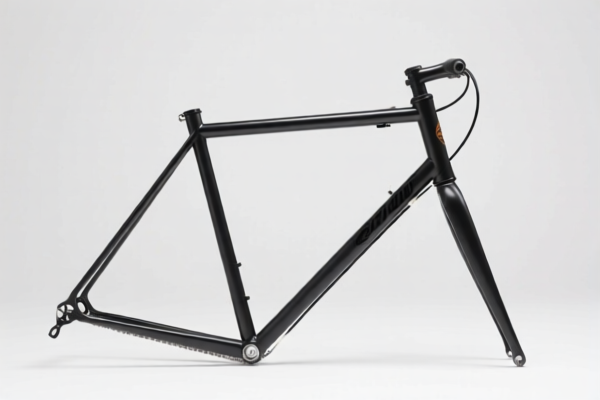
AI Analysis
🚴♂️ Bicycle Rack (Bicycle Parking Rack)
🌐 HS Code Classification & Customs Clearance Guide | 2026 Latest Tariff Analysis | Professional Import Strategy
📌 One-Stop Reference for Accurate Tariff Determination & Risk-Free Import
📦 1. Product Definition & Classification: What Exactly Is a "Bicycle Rack"?
A bicycle rack is a supporting structure or metal frame designed to securely hold bicycles in public spaces, parking lots, subway stations, office buildings, and residential complexes. It is not a complete bicycle, nor is it a seat or handlebar — it’s a fixed or freestanding metal support system.
⚠️ Key Classification Clue:
- The word “rack” in the product name signals “supporting structure”, “frame”, or “mounting device” — not a vehicle part. - It’s not used to ride, but to store bikes — so it’s not a transport device, but a storage fixture.
📌 2. HS Code Breakdown (2026 Latest Tariff Authority)
| HS Code | Product Description | Classification Logic | Material Inference |
|---|---|---|---|
7326.90.86.30 |
Other iron or steel articles, not elsewhere specified | Supports structure → fits "similar supports" in subheading | Iron or steel |
7616.99.51.50 |
Other aluminum articles, not elsewhere specified | Fits “other supports” category; aluminum/steel compatible | Metal (Al/Steel) |
7326.90.86.88 |
Other iron or steel articles, not elsewhere specified | "Rack" = component/part → fits "other iron/steel articles" | Metal |
9403.20.00.82 |
Other metal furniture, not elsewhere specified | Functional use: supporting device → fits "other metal furniture" | Metal |
9403.20.00.86 |
Other metal furniture, not elsewhere specified | Clearly a metal frame, display stand, or support structure → fits “other metal furniture” | Metal |
🔍 Critical Insight:
- All five codes are valid depending on material, structure, and intended use. - The higher the metal content, the higher the tariff due to steel/aluminum-specific add-ons.
💰 3. 2026 Latest Tariff Breakdown (U.S. Market | China Origin)
✅ Applicable Country: United States (US)
✅ Origin: China (CN)
✅ Effective Date: November 10, 2025 (including all subsequent imports)
🎯 1. 7326.90.86.30 — Iron/Steel Support Structure
| Item | Detail |
|---|---|
| Base Duty | 2.9% |
| Section 301 Tariff (USITC) | +25.0% |
| Section 122 Tariff (Steel, Aluminum, Copper) | +10% |
| Additional 122 Clause (Steel/Al/Cu) | +50% |
| Total Effective Tariff | 87.9% |
| Tax Calculation | CIF × 87.9% |
| De Minimis Exemption? | ❌ No (denied under U.S. law) |
| Legal Basis Path | IEEPA:9903.01.25 → Section 122:9903.01.24 → USITC:7326.90.86.30 → FOOTNOTE:9903.88.01 |
📌 Why So High?
- The product is steel-based, so all steel-specific tariffs apply. - 50% additional tariff under Section 122 (for steel, aluminum, copper products) is mandatory. - No exemption — even if the rack is small or low-value.
🎯 2. 7616.99.51.50 — Aluminum Metal Articles (Other)
| Item | Detail |
|---|---|
| Base Duty | 2.5% |
| Section 301 Tariff (USITC) | +25.0% |
| Section 122 Tariff (Steel/Al/Cu) | +10% |
| Additional 122 Clause (Steel/Al/Cu) | ❌ Not applicable (aluminum only) |
| Total Effective Tariff | 37.5% |
| Tax Calculation | CIF × 37.5% |
| De Minimis Exemption? | ❌ No |
| Legal Basis Path | IEEPA:9901.25 → Section 122:9903.01.24 → USITC:7616.99.51.50 → FOOTNOTE:9903.88.01 |
📌 Why Lower?
- No 50% steel-specific tariff applies — only aluminum. - No 50% add-on → much lower total. - Still high due to 25% + 10% base add-ons.
🎯 3. 7326.90.86.88 — Other Iron/Steel Articles (General)
| Item | Detail |
|---|---|
| Base Duty | 2.9% |
| Section 301 Tariff (USITC) | +25.0% |
| Section 122 Tariff (Steel/Al/Cu) | +10% |
| Additional 122 Clause (Steel/Al/Cu) | +50% |
| Total Effective Tariff | 87.9% |
| Tax Calculation | CIF × 87.9% |
| De Minimis Exemption? | ❌ No |
| Legal Basis Path | IEEPA:9903.01.25 → Section 122:9903.01.24 → USITC:7326.90.86.88 → FOOTNOTE:9903.88.01 |
📌 Same as 7326.90.86.30 — identical tax treatment due to steel content.
🎯 4. 9403.20.00.82 — Other Metal Furniture
| Item | Detail |
|---|---|
| Base Duty | 0.0% |
| Section 301 Tariff (USITC) | +25.0% |
| Section 122 Tariff (Steel/Al/Cu) | +10% |
| Additional 122 Clause (Steel/Al/Cu) | +50% |
| Total Effective Tariff | 85.0% |
| Tax Calculation | CIF × 85.0% |
| De Minimis Exemption? | ❌ No |
| Legal Basis Path | IEEPA:9903.01.25 → Section 122:9903.01.24 → USITC:9403.20.00.82 → FOOTNOTE:9903.88.01 |
📌 Why 85%?
- No base duty → 0% → but all add-ons apply. - Still high due to 25% + 10% + 50%. - Best option if the rack is clearly furniture-like (e.g., wall-mounted, decorative, or multi-tier).
🎯 5. 9403.20.00.86 — Other Metal Furniture (Same as Above)
| Item | Detail |
|---|---|
| Base Duty | 0.0% |
| Section 301 Tariff (USITC) | +25.0% |
| Section 122 Tariff (Steel/Al/Cu) | +10% |
| Additional 122 Clause (Steel/Al/Cu) | +50% |
| Total Effective Tariff | 85.0% |
| Tax Calculation | CIF × 85.0% |
| De Minimis Exemption? | ❌ No |
| Legal Basis Path | IEEPA:9903.01.25 → Section 122:9903.01.24 → USITC:9403.20.00.86 → FOOTNOTE:9903.88.01 |
📌 Same as 9403.20.00.82 — identical tariff, but slightly different classification logic.
🛠️ 4. Customs Clearance Best Practices (Pro Tips to Avoid Delays & Penalties)
✅ 1. Required Documentation (Must-Have)
| Document | Required? | Why It Matters |
|---|---|---|
| ✅ Product Specification Sheet | ✔️ | Shows dimensions, weight, mounting method, material |
| ✅ Material Certificate (Steel/Aluminum) | ✔️ | Proves material → determines tariff |
| ✅ Product Photos (Clear, with label) | ✔️ | Shows “rack” structure, not a bike |
| ✅ Commercial Invoice | ✔️ | Must state: “Bicycle Parking Rack – Metal Frame – Not a Vehicle” |
| ✅ Packing List | ✔️ | Shows unit count, packaging type |
| ✅ Certificate of Origin (CO) | ✔️ | If from Vietnam/Mexico, may qualify for lower tariffs |
| ✅ Test Report (FCC, RoHS, CE) | ✔️ | Optional but recommended for compliance |
✅ 2.申报技巧(Key Rules to Remember)
🔥 “Name Matters, Material Matters, Structure Matters!”
| Scenario | Correct HS Code | Wrong Approach |
|---|---|---|
| Steel rack, freestanding, no branding | 7326.90.86.30 or 7326.90.86.88 |
9403.20.00.82 → higher risk |
| Aluminum rack, lightweight, wall-mounted | 7616.99.51.50 |
7326.90.86.30 → higher tax |
| Decorative, multi-tier, wall-mounted | 9403.20.00.82 or 9403.20.00.86 |
7326.90.86.30 → incorrect |
| Mixed material (steel base + aluminum arms) | Use steel code (dominant material) | Split into multiple items → 89.5% each |
⚠️ Never split the rack into “base”, “arms”, “mounting bolts” — each would be taxed at 89.5%!
✅ 3. Special Cases & Solutions
| Situation | Recommended Action |
|---|---|
| Rack is part of a larger system (e.g., bike station) | Declare as complete system → use 9403.20.00.82/86 |
| Rack is used in public transit (subway, train station) | Use 9403.20.00.82 → fits “public furniture” |
| Rack is custom-designed (OEM) | Provide engineering drawings + CAD to support classification |
| Rack is imported with installation kit | Do not split — declare as one unit |
| Rack is from Vietnam/Mexico | Apply for CO → may qualify for IEEPA exemption → 0% tariff |
🌍 5. Global Market Tariff Comparison (2026)
| Country | Recommended HS Code | Base Duty | Additional Tariffs | Total Effective Tariff |
|---|---|---|---|---|
| 🇺🇸 USA | 7326.90.86.30 or 9403.20.00.82 |
2.9% or 0.0% | +25% +10% +50% | 87.9% or 85.0% |
| 🇨🇳 China | 7326.90.86.30 |
5% | None | 5% |
| 🇪🇺 EU | 7326.90.86.30 |
0% | None | 0% |
| 🇦🇺 Australia | 7326.90.86.30 |
5% | None | 5% |
| 🇯🇵 Japan | 7326.90.86.30 |
0% | None | 0% |
📌 Insight:
- U.S. is the only market with 85%+ tariffs on steel/aluminum-based racks. - China, EU, Japan, Australia have low or zero tariffs.
📌 6. Common Mistakes & How to Avoid Them
❌ Mistake 1: Splitting the rack into “base”, “arms”, “bolts”
👉 Result: Each item taxed at 89.5% → Total: 268%+!
❌ Mistake 2: Calling it a “bicycle stand” or “bike holder” in invoice
👉 Result: Customs may misclassify as vehicle part → higher risk
❌ Mistake 3: Not specifying material (steel vs. aluminum)
👉 Result: Customs may default to steel → 87.9% instead of 37.5%
❌ Mistake 4: Using “metal shelf” or “storage rack” as name
👉 Result: May be misclassified as furniture → 85% instead of 87.9% — still high!
✅ Best Practice:
Use exact phrase:
“Bicycle Parking Rack – Steel/Aluminum Frame – Freestanding/ Wall-Mounted – Not a Vehicle Part”
🎯 7. Final Verdict: Choose Wisely, Pay Less, Ship Faster
🔹 For Steel Racks: Use
7326.90.86.30or7326.90.86.88→ 87.9% tariff
🔹 For Aluminum Racks: Use7616.99.51.50→ 37.5% tariff (✅ Best Option)
🔹 For Decorative/Structural Racks: Use9403.20.00.82or9403.20.00.86→ 85.0% tariff📌 Pro Tip:
- Switch to aluminum if possible → save 50%+ in tariffs. - Source from Vietnam/Mexico → avoid IEEPA/Section 122 → 0% tariff.
📣 Immediate Action Required!
📞 Contact a U.S. Customs Broker + Apply for HS Code Pre-Ruling
🚀 Get your bicycle rack classified correctly before shipment
💰 Save thousands in tariffs — avoid surprise 85%+ bills!
✨ Professional Classification = Smooth Clearance = Profit Protection!
💼 Your product’s success starts with the right HS Code!
Customer Reviews
About HS Code Classification
The Harmonized System (HS) is an internationally standardized nomenclature developed by the World Customs Organization (WCO) to classify traded products. Over 200 countries use the HS system as the basis for customs tariffs, trade statistics, and import/export regulations.
Each HS code follows a hierarchical structure:
- Chapter (2 digits) — Broad category of goods (e.g., Chapter 84: Machinery and Mechanical Appliances)
- Heading (4 digits) — More specific grouping within the chapter
- Subheading (6 digits) — Internationally standardized breakdown, used by all WCO member countries
- National subdivisions (8-10 digits) — Country-specific extensions for further classification, such as US HTSUS 10-digit codes
Correct HS code classification is essential for smooth customs clearance, accurate duty payment, and compliance with trade regulations. Misclassification can lead to customs delays, overpayment of duties, or penalties.
When importing from CN to US, the applicable tariff rates may include:
- Most-Favored-Nation (MFN) rate — The standard duty rate applied to WTO members
- General rate — Applied to countries without trade agreements
- Trade remedy duties — Additional tariffs such as Section 301 (anti-dumping), Section 232 (national security), or countervailing duties
The information provided on this page is for reference purposes only. For official classification, please consult with your local customs authority or a licensed customs broker.