舞蹈围巾
CN → US| HS Code | Tariff Rate | Origin | Destination | Doc |
|---|---|---|---|---|
| 6214102000 | 21.4% | CN | US | Official Doc |
| 9505906000 | 10.0% | CN | US | Official Doc |
| 9505904000 | 10.0% | CN | US | Official Doc |
| 6117102030 | 21.3% | CN | US | Official Doc |
| 6214900090 | 28.8% | CN | US | Official Doc |
Product Images
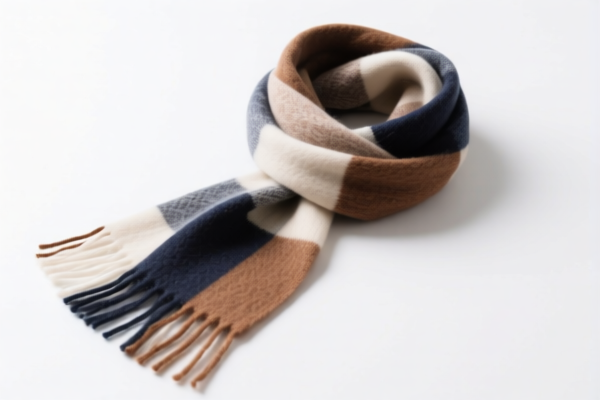
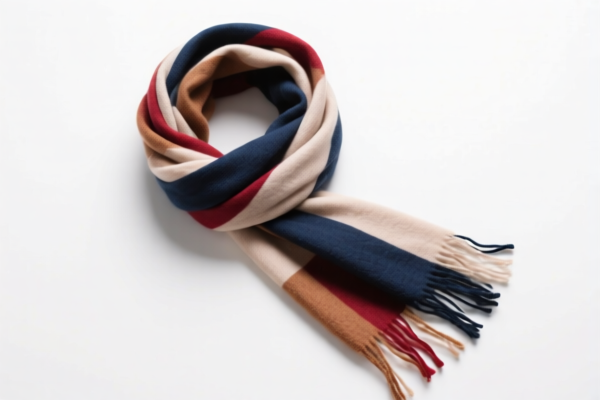
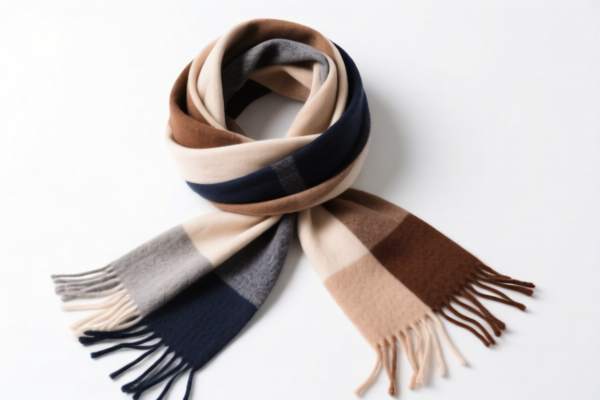
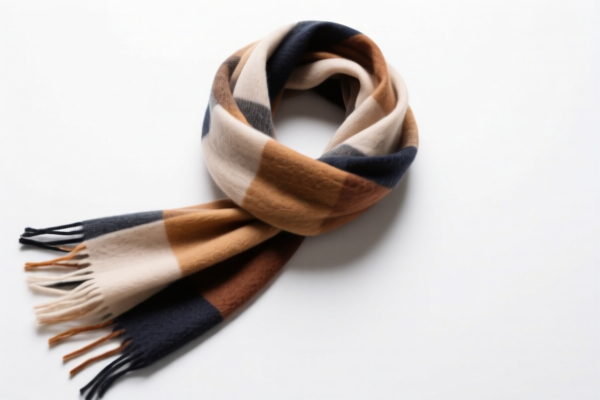
AI Analysis
🎭 Dance Scarves (Costume Accessories for Performance & Entertainment)
🌐 HS Code Reference & Customs Clearance Guide | 2026 Latest Tariff Analysis | Professional Clearance Strategy 📌 Part 1: Product Definition & Classification: What is a "Dance Scarf"?
A "Dance Scarf" (often referred to as a dance chiffon scarf, performance scarf, or costume scarf) is a specialized textile accessory used primarily for dance performances, theatrical productions, costume parties, and festive entertainment.
In international trade, classification depends heavily on Material and Primary Use: * Material Classification: Typically made of silk, synthetic fibers (polyester/nylon), or blends. The key distinction is whether it is considered a "fashion accessory" (clothing) or an "entertainment tool" (toy/costume). * Use Classification: * If used for performance/entertainment, it may fall under Chapter 95 (Toys, Games, Sports Articles). * If used as a fashion accessory (even for dance), it falls under Chapter 61 or 62 (Articles of Apparel and Clothing Accessories).
⚠️ Key Distinction Point: - If the scarf is clearly marketed for entertainment, parties, or costumes (e.g., "Halloween Costume Scarf," "Dance Performance Prop") → Chapter 95 (Lower Duty). - If the scarf is marketed as a fashion item (e.g., "Silk Fashion Scarf," "Winter Warm Scarf") even if used for dance → Chapter 61/62 (Higher Duty due to fashion tariffs).
📦 Part 2: HS Code Classification Details (2026 Latest Tariff Authority Comparison)
Based on the provided data, here are the 5 potential HS Codes for "Dance Scarves," ranked by potential tax efficiency.
| HS Code | Product Description | Primary Use/Category | Material Inference | Tax Efficiency |
|---|---|---|---|---|
9505.90.60.00 |
Other Festive, Carnival, or Entertainment Articles | Entertainment/Performance Props | Silk or Synthetic Fibers | ✅ Lowest Duty (10%) |
9505.90.40.00 |
Party and Carnival Articles | Party/Decorative Use | Lightweight Fabric (Silk/Synthetic) | ✅ Lowest Duty (10%) |
6117.10.20.30 |
Other Made-Up Clothing Accessories (Man-Made Fibers) | Fashion Accessory (Knitted/Man-Made) | Man-Made Fibers (Knitted) | ⚠️ High Duty (21.3%) |
6214.10.20.00 |
Shawls, Scarves, Veils (of Silk) | Fashion Accessory (Woven Silk) | Silk or Silk Waste | ⚠️ High Duty (21.4%) |
6214.90.00.90 |
Shawls, Scarves, Veils (Other Textile Materials) | Fashion Accessory (Other Fabrics) | Non-Cotton Textile Material | ❌ Highest Duty (28.8%) |
🔍 Strategic Insight: - Codes
9505.90.60.00and9505.90.40.00offer the lowest total tax rate (10%) because they classify the item as an entertainment/costume prop rather than a fashion article. - Codes6214.10.20.00and6117.10.20.30are higher (21.3%-21.4%) because they classify the item as a fashion accessory (scarf), triggering higher base tariffs for textiles. - Code6214.90.00.90is the most expensive (28.8%) as it often covers non-silk synthetic fashion scarves with high base tariffs.
💰 Part 3: 2026 Latest Tariff Rate Breakdown (Including Add-ons)
✅ Applicable Market: United States (US) ✅ Origin: China (CN) ✅ Effective Time: 2025 Nov 10 onwards
🎯 1. 9505.90.60.00 & 9505.90.40.00 — ENTERTAINMENT & PARTY ARTICLES (RECOMMENDED)
| Item | Detail |
|---|---|
| Base Tariff | 0.0% (ad valorem) |
| Section 301 (Trade War) Surcharge | 0.0% |
| IEEPA 122 Clause Surcharge | +10.0% (Targeting specific Chinese goods) |
| Total Tax Rate | 10.0% |
| Tax Calculation | CIF Value × 10% |
| De Minimis Eligibility | ❌ No (Subject to 122 clause restrictions) |
| Legal Basis Path | IEEPA:9903.01.24 → 9505.90.60.00 |
📌 Why this is best: - The base tariff is 0% because these codes fall under "Festive/Entertainment" goods, which often enjoy lower baseline duties. - Only the IEEPA 10% surcharge applies. - No Section 301 (25%) tariff is applied to these specific entertainment codes, unlike many textiles. - Total cost is minimized compared to fashion scarf classifications.
🎯 2. 6214.10.20.00 — SILK SCARVES (FASHION ACCESSORY)
| Item | Detail |
|---|---|
| Base Tariff | 3.9% |
| Section 301 Surcharge | +7.5% |
| IEEPA 122 Clause Surcharge | +10.0% |
| Total Tax Rate | 21.4% |
| Tax Calculation | CIF Value × 21.4% |
| De Minimis Eligibility | ❌ No |
| Legal Basis Path | USITC:6214.10.20.00 + IEEPA:9903.01.24 |
📌 Why this is risky: - Even if made of silk, if declared as a "Fashion Scarf," it attracts Section 301 tariffs (7.5%) in addition to the IEEPA 10%. - 11.4% higher than the entertainment classification.
🎯 3. 6117.10.20.30 — KNITTED ACCESSORIES (MAN-MADE FIBERS)
| Item | Detail |
|---|---|
| Base Tariff | 11.3% |
| Section 301 Surcharge | 0.0% |
| IEEPA 122 Clause Surcharge | +10.0% |
| Total Tax Rate | 21.3% |
| Tax Calculation | CIF Value × 21.3% |
| De Minimis Eligibility | ❌ No |
| Legal Basis Path | IEEPA:9903.01.24 → 6117.10.20.30 |
📌 Note: - Higher base tariff (11.3%) but no Section 301. - Still ~11% more expensive than the
9505codes.
🎯 4. 6214.90.00.90 — OTHER TEXTILE SCARVES
| Item | Detail |
|---|---|
| Base Tariff | 11.3% |
| Section 301 Surcharge | +7.5% |
| IEEPA 122 Clause Surcharge | +10.0% |
| Total Tax Rate | 28.8% |
| Tax Calculation | CIF Value × 28.8% |
| De Minimis Eligibility | ❌ No |
📌 Avoid this code: - Highest total duty due to Base (11.3%) + Section 301 (7.5%) + IEEPA (10%). - Often applies to generic synthetic scarves not meeting the specific "silk" or "man-made fiber knit" criteria.
🛠️ Part 4: Customs Clearance Practical Advice (Expert Pitfall Guide)
✅ 1. Documentation Checklist (Mandatory)
| Document | Required | Description |
|---|---|---|
| ✅ Product Description | ✔️ | Must clearly state "Dance Performance Scarf" or "Costume Accessory", NOT just "Silk Scarf" |
| ✅ Usage Statement | ✔️ | Explain that the item is for entertainment, dance, or theatrical use, not daily fashion |
| ✅ Material Composition | ✔️ | e.g., "100% Polyester Chiffon" or "Silk Blended" |
| ✅ Photos | ✔️ | Show the scarf being used in a dance or performance context (e.g., with a dancer) |
| ✅ Commercial Invoice | ✔️ | Value must be declared accurately; include "Entertainment Prop" in description |
✅ 2. Classification Strategy (The "Entertainment" Loophole)
🔥 Key Strategy: "Positioning is Everything"
Scenario Recommended HS Code Reason Dance/Performance Scarf 9505.90.60.00Classified as Entertainment/Costume Prop → 10% Duty Fashion Silk Scarf 6214.10.20.00Classified as Fashion Accessory → 21.4% Duty Polyester Party Scarf 9505.90.40.00Classified as Party/Carnival Item → 10% Duty 📌 Critical Tip: - If your invoice says "Silk Scarf for Fashion", you will be forced into
6214.10.20.00(21.4%). - If your invoice says "Dance Costume Scarf (Polyester/Silk)", you can argue for9505.90.60.00(10%). - Do NOT mix descriptions. If you sell both fashion and dance scarves, consider separating them into different shipments or SKUs.
✅ 3. Special Handling & Pitfalls
| Situation | Action | Risk |
|---|---|---|
| Misclassification as Fashion | Avoid using "Fashion," "Clothing," or "Accessory" in the product title. Use "Costume," "Prop," "Entertainment." | High Duty (21-28%) vs Low Duty (10%) |
| Material Confusion | Ensure material matches the code. 9505 is flexible, but 6214 is strict on "Silk." |
Customs Audit/Delay |
| Section 301 Liability | 9505 codes do NOT attract the 25% Section 301 tariff. |
Saving 15%+ on total duty |
| De Minimis Exclusion | All codes listed are subject to IEEPA 122. No $800 de minimis exemption for China-origin goods. | Full duty collection |
🌍 Part 5: Global Market Comparison (2026)
| Country | Recommended HS Code | Total Duty (China Origin) | Notes |
|---|---|---|---|
| 🇺🇸 USA | 9505.90.60.00 |
10% | Best for Dance/Entertainment Scarves |
| 🇺🇸 USA | 6214.10.20.00 |
21.4% | High duty for Fashion Silk Scarves |
| 🇪🇺 EU | 6214.10.20 |
~5-7% | No Section 301, but VAT applies (21%) |
| 🇨🇳 China | 6214.10.20 |
3.9% | Low import duty into China |
📌 Conclusion: - For US imports,
9505.90.60.00is the most cost-effective code for dance scarves. - Avoid classifying dance scarves as fashion accessories (6214or6117) unless the product is clearly intended for everyday wear.
📌 Part 6: Common Mistakes & Blood-Soaked Lessons
❌ Mistake 1: Using "Silk Scarf" in the description.
👉 Result: Customs reclassifies to 6214.10.20.00 → 21.4% Duty instead of 10%.
👉 Fix: Use "Dance Performance Scarf" or "Costume Chiffon Scarf".
❌ Mistake 2: Assuming all scarves are fashion items.
👉 Result: Overpaying tariffs by 11-18%.
👉 Fix: Provide photos of the scarf in use (dance, theater) to support the 9505 classification.
❌ Mistake 3: Ignoring IEEPA 122. 👉 Result: Missing the 10% IEEPA surcharge in calculations. 👉 Fix: Always include 10% IEEPA in total landed cost calculations for China-origin goods.
🎯 Part 7: Conclusion – Smart Classification, Lower Costs!
🎯 Remember the Mantra:
🔹 "Entertainment Props, Not Fashion Items → 10% Duty!" 🔹 "Fashion Scarves, Not Dance Props → 21%+ Duty!"
📌 Pro Tip:
If you are importing dance scarves, ensure your invoice and marketing materials emphasize entertainment, performance, or costume use. This allows you to leverage the
9505codes and save significant duty costs.
✨ Professional Clearance Starts with Accurate Classification! 💼 Every percent saved is pure profit!
Customer Reviews
About HS Code Classification
The Harmonized System (HS) is an internationally standardized nomenclature developed by the World Customs Organization (WCO) to classify traded products. Over 200 countries use the HS system as the basis for customs tariffs, trade statistics, and import/export regulations.
Each HS code follows a hierarchical structure:
- Chapter (2 digits) — Broad category of goods (e.g., Chapter 84: Machinery and Mechanical Appliances)
- Heading (4 digits) — More specific grouping within the chapter
- Subheading (6 digits) — Internationally standardized breakdown, used by all WCO member countries
- National subdivisions (8-10 digits) — Country-specific extensions for further classification, such as US HTSUS 10-digit codes
Correct HS code classification is essential for smooth customs clearance, accurate duty payment, and compliance with trade regulations. Misclassification can lead to customs delays, overpayment of duties, or penalties.
When importing from CN to US, the applicable tariff rates may include:
- Most-Favored-Nation (MFN) rate — The standard duty rate applied to WTO members
- General rate — Applied to countries without trade agreements
- Trade remedy duties — Additional tariffs such as Section 301 (anti-dumping), Section 232 (national security), or countervailing duties
The information provided on this page is for reference purposes only. For official classification, please consult with your local customs authority or a licensed customs broker.