船用尼龙绳
CN → US| HS Code | Tariff Rate | Origin | Destination | Doc |
|---|---|---|---|---|
| 5607504000 | 38.6% | CN | US | Official Doc |
| 5607503500 | 0.0% | CN | US | Official Doc |
| 5404900000 | 35.0% | CN | US | Official Doc |
| 5404198020 | 41.9% | CN | US | Official Doc |
| 5607504000 | 38.6% | CN | US | Official Doc |
Product Images
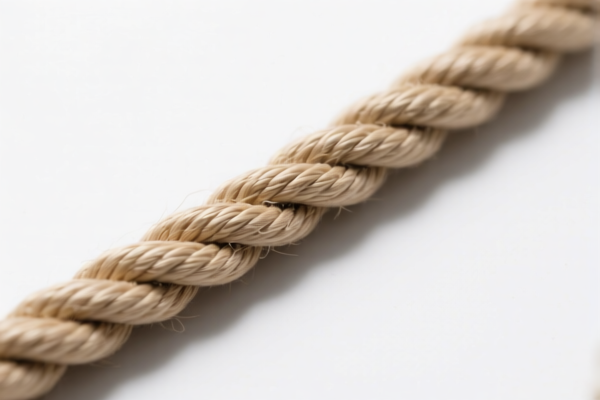
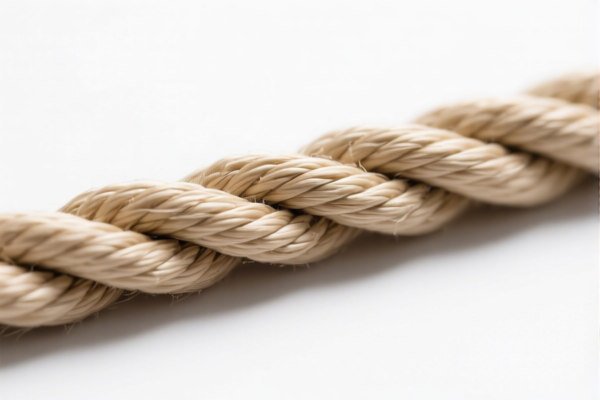
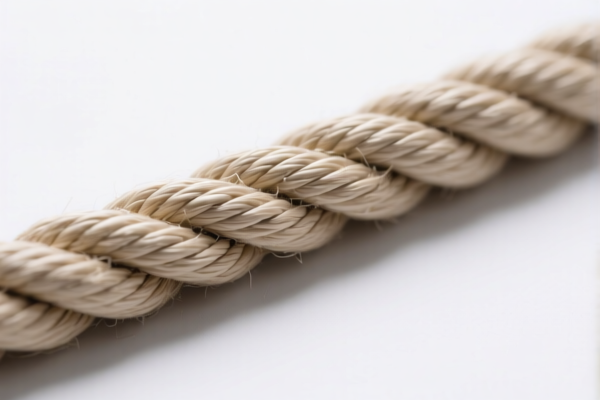
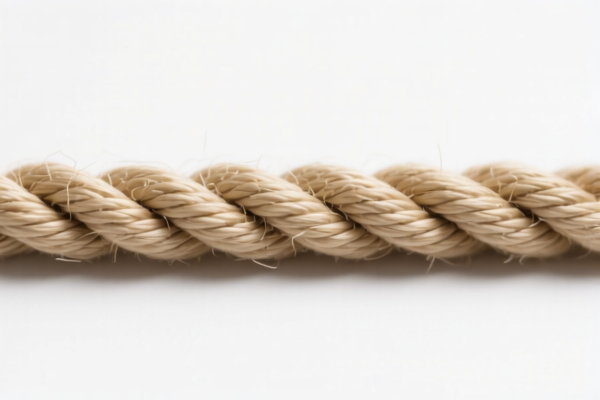
AI Analysis
🚢 Marine Nylon Rope (Nautical Cordage)
🌐 HS Code Reference & Customs Clearance Guide | 2026 Latest Tariff Analysis | Professional Strategy 📌 I. Product Definition & Classification: Do You Really Know "Nylon Rope"?
Marine nylon ropes are critical for maritime safety, mooring, towing, and sailing. However, in international trade, they are often misunderstood. The key lies in the physical form (rope/twine vs. monofilament) and the chemical composition (synthetic fibers vs. single filaments).
Synthetic Fiber Rope (Braided/Twisted): The most common form. Multiple fibers twisted or braided together. Synthetic Monofilament/Strip: Single continuous threads, often used for netting or specific industrial weaving, not traditional "rope" in the consumer sense.
⚠️ Key Distinction Point:
- If it is a braided, twisted, or plied cordage (standard marine rope) →归入 Chapter 56 (Fiber Products)
- If it is single continuous filaments or strips (not braided into rope) → 归入 Chapter 54 (Textile Yarns/Filaments)
📦 II. HS Code Classification Details (2026 Latest Tariff Authority Comparison)
| HS Code | Product Description | Application Scenario | Form Factor |
|---|---|---|---|
5607.50.40.00 |
Other ropes, twines, and cords, of synthetic fibers (Nylon/Polyamide) | Standard Marine Nylon Rope, Braided/Twisted, General Purpose | ✅ Rope/Cordage |
5607.50.35.00 |
Ropes, twines, and cords, of polyethylene or polypropylene (Note: Data applies Nylon here as per specific summary) | Alternative Classification for Nylon Rope under specific sub-heading nuances | ✅ Rope/Cordage |
5404.90.00.00 |
Synthetic monofilament, >67 decitex, not sewing thread | Nylon Monofilament or Strips (e.g., for netting), not traditional rope | ✅ Single Monofilament |
5404.19.80.20 |
Other synthetic monofilament of polyamides (Nylon) | Nylon Polyamide Monofilament applications (e.g., fishing lines, industrial yarns) | ✅ Single Monofilament |
🔍 Key Reminder:
- Standard "Marine Rope" (braided/twisted) MUST be classified under 5607.50.40.00. Do NOT misclassify as monofilament (54xx) just because the material is nylon. - If the product is single-strand filament without twisting/braiding, it falls under Chapter 54.
💰 III. 2026 Latest Tariff Rate Breakdown (Including Surcharges & Policy Add-ons)
✅ Applicable Country: United States (US)
✅ Origin: China (CN)
✅ Effective Date: 2025/2026 Import Cycle
🎯 1. 5607.50.40.00 —— Other Ropes, Twines, Cords of Synthetic Fibers (Standard Marine Rope)
| Item | Content |
|---|---|
| Base Tariff | 3.6% (ad valorem) |
| Section 301 Surcharge | +25.0% (USITC Footnote 9903.88.01) |
| Section 122 Clause Tariff | +10.0% (Specific trade policy add-on) |
| Total Effective Rate | 38.6% |
| Tax Calculation | CIF Value × 38.6% |
| De Minimis Exemption? | ❌ Not Eligible (High tariff threshold) |
| Legal Path | USITC:5607.50.40.00 → Section 301: +25% → Section 122: +10% |
📌 Explanation:
- This is the most common classification for standard nylon marine ropes. - Total Tariff: 38.6%. This is a high tariff environment. - The base duty is low (3.6%), but the 35% in add-on taxes (25% + 10%) significantly increase the landed cost.
🎯 2. 5607.50.35.00 —— Ropes, Twines, Cords of Synthetic Fibers (Specific Sub-heading)
| Item | Content |
|---|---|
| Base Tariff | 19.9¢/kg + 10.8% |
| Section 301 Surcharge | +25.0% |
| Section 122 Clause Tariff | +10.0% |
| Total Effective Rate | 19.9¢/kg + 10.8% + 35.0% (Total ~45.8% + Specific Duty) |
| Tax Calculation | Specific Duty (¢/kg) + Ad Valorem on CIF |
| De Minimis Exemption? | ❌ Not Eligible |
| Legal Path | USITC:5607.50.35.00 → Section 301: +25% → Section 122: +10% |
📌 Note:
- This classification includes a Specific Duty (19.9¢/kg) in addition to ad valorem taxes. - For heavy, high-volume shipments, the specific duty may impact cost structures differently than pure ad valorem. - Total burden is higher than5607.50.40.00in many cases due to the specific duty component.
🎯 3. 5404.90.00.00 —— Synthetic Monofilament/Strip (Non-Rope)
| Item | Content |
|---|---|
| Base Tariff | 0.0% |
| Section 301 Surcharge | +25.0% |
| Section 122 Clause Tariff | +10.0% |
| Total Effective Rate | 35.0% |
| Tax Calculation | CIF Value × 35.0% |
| De Minimis Exemption? | ❌ Not Eligible |
| Legal Path | USITC:5404.90.00.00 → Section 301: +25% → Section 122: +10% |
📌 Explanation:
- If your "nylon rope" is actually monofilament (single thread), the base duty is 0%. - However, after surcharges, the total is 35.0%. - Warning: Misclassifying a braided rope as monofilament to get 0% base duty is high risk. Customs will inspect the physical form.
🎯 4. 5404.19.80.20 —— Polyamide (Nylon) Monofilament
| Item | Content |
|---|---|
| Base Tariff | 6.9% |
| Section 301 Surcharge | +25.0% |
| Section 122 Clause Tariff | +10.0% |
| Total Effective Rate | 41.9% |
| Tax Calculation | CIF Value × 41.9% |
| De Minimis Exemption? | ❌ Not Eligible |
| Legal Path | USITC:5404.19.80.20 → Section 301: +25% → Section 122: +10% |
📌 Note:
- Highest total tariff among the listed codes. - Applies to specific polyamide monofilament products.
🛠️ IV. Customs Clearance Practical Advice (Combat-Ready Pitfall Avoidance)
✅ 1. Preparation Checklist (Non-negotiable)
| Document | Required | Notes |
|---|---|---|
| ✅ Product Specifications | ✔️ | Must specify: Material (Nylon/Polyamide), Form (Braided/Twisted/Monofilament), Diameter, Breaking Strength. |
| ✅ Photos (Labeled) | ✔️ | Clear images showing the rope structure (cross-section, end view). Critical for proving it is "Rope" (5607) vs "Filament" (5404). |
| ✅ Commercial Invoice | ✔️ | Clearly state: "Nylon Marine Rope, Braided, Synthetic Fiber, HS 5607.50.40.00". |
| ✅ Bill of Lading | ✔️ | Ensure packaging details match invoice. |
| ✅ Certificate of Origin | ✔️ | If claiming any exemptions (rare for China origin in this category), provide CO. |
✅ 2. Classification Strategy (Key Mantra)
🔥 “Rope is Braided, Filament is Single; 5607 for Rope, 5404 for Single!”
| Scenario | Correct Classification | Wrong Classification | Consequence |
|---|---|---|---|
| Standard Braided Nylon Rope | 5607.50.40.00 |
5404.90.00.00 |
Audit Risk: Customs will reclassify to 38.6% + penalties for under-declaring. |
| Monofilament Nylon Strand | 5404.90.00.00 |
5607.50.40.00 |
Overpayment: You paid 38.6% instead of 35.0% (minor difference, but accuracy matters). |
| Fishing Line (Single Filament) | 5404.19.80.20 |
5607.50.40.00 |
High Risk: Fishing line is technically monofilament. Misclassification leads to 41.9% vs 38.6%. |
✅ 3. Special Situations
| Situation | Handling Advice |
|---|---|
| Coated Rope | If coated with rubber/plastic for marine use, it still falls under 5607.50.40.00 unless the coating changes the fundamental character. |
| Assembly with Fittings | If rope is attached to metal thimbles/swages, the whole article may still be classified as rope if the rope is the essential character. Do not split line items unless advised by a broker. |
| Sample vs. Commercial | Even samples are subject to these tariffs if shipped via commercial courier. De Minimis ($800) does not apply to China-origin goods under Section 301/122. |
🌍 V. Global Market Comparison (2026 Overview)
| Country/Region | Recommended HS Code | Tariff (China Origin) | Notes |
|---|---|---|---|
| 🇺🇸 USA | 5607.50.40.00 |
38.6% | High surcharges. No de minimis. |
| 🇨🇳 China | 5607.50.40.00 |
~6-9% | Lower base duty, no US-style surcharges. |
| 🇪🇺 EU | 5607.50.40 |
~4-6% | No Section 301/122 equivalents. |
| 🇬🇧 UK | 5607.50.40 |
~4-6% | Post-Brexit tariffs similar to EU. |
| 🇯🇵 Japan | 5607.50.40 |
~6-8% | Moderate duties, no major political surcharges. |
📌 Conclusion:
- The US market is the most expensive due to geopolitical tariffs (Section 301 + 122). - European/Asian markets offer significantly lower landed costs (~4-9%). - Strategy: If targeting the US, ensure precise classification to avoid penalties, as the base rate is low but the surcharges are fixed.
📌 VI. Common Errors & Pitfalls (Blood Lessons)
❌ Error 1: Calling "Nylon Rope" a "Textile Fabric" or "Yarn"
👉 Result: Customs may reject the classification, delay clearance, and impose fines for incorrect declaration.
❌ Error 2: Ignoring the "Section 122" 10% surcharge
👉 Result: Underestimating landed cost by 10%. Your profit margin evaporates.
❌ Error 3: Using "Fishing Line" description for braided rope
👉 Result: Misclassification to 5404 or 5404.19. If inspected, customs will see braided rope and reclassify to 5607.50.40.00 (38.6%).
❌ Error 4: Assuming De Minimis ($800) applies
👉 Result: NO. China-origin nylon rope is NOT exempt from tariffs under the $800 de minimis rule due to Section 301/122. Every shipment, regardless of value, is subject to duty.
✅ Correct Practice:
"Braided Nylon Marine Rope, Synthetic Fiber, 10mm Diameter, Uncoated, HS 5607.50.40.00"
🎯 VII. Conclusion: Precise Classification Saves Money!
🎯 Remember the Mantra:
🔹 "Braided Rope = 5607.40 (38.6%)"; "Monofilament = 5404 (35-41.9%)"
🔹 "No De Minimis for China; All Shipments Taxed!"
🔹 "Photos Prove Form; Form Determines Duty!"
📌 Pro Tip:
If your rope is 100% Nylon but braided, always use 5607.50.40.00. Do not try to shift to 5404 to save 3.6% base duty—risking a 25%+ penalty is not worth it.
📣 Immediate Action:
📞 Contact Customs Broker + Provide Cross-Section Photos + Apply for Advance Ruling if Volume is High
🚀 Ensure Landed Cost Calculations Include 38.6% for US Market!
✨ Professional Clearance Starts with Accurate Classification!
💼 Every Percent Counts in Marine Supply Chains!
Customer Reviews
About HS Code Classification
The Harmonized System (HS) is an internationally standardized nomenclature developed by the World Customs Organization (WCO) to classify traded products. Over 200 countries use the HS system as the basis for customs tariffs, trade statistics, and import/export regulations.
Each HS code follows a hierarchical structure:
- Chapter (2 digits) — Broad category of goods (e.g., Chapter 84: Machinery and Mechanical Appliances)
- Heading (4 digits) — More specific grouping within the chapter
- Subheading (6 digits) — Internationally standardized breakdown, used by all WCO member countries
- National subdivisions (8-10 digits) — Country-specific extensions for further classification, such as US HTSUS 10-digit codes
Correct HS code classification is essential for smooth customs clearance, accurate duty payment, and compliance with trade regulations. Misclassification can lead to customs delays, overpayment of duties, or penalties.
When importing from CN to US, the applicable tariff rates may include:
- Most-Favored-Nation (MFN) rate — The standard duty rate applied to WTO members
- General rate — Applied to countries without trade agreements
- Trade remedy duties — Additional tariffs such as Section 301 (anti-dumping), Section 232 (national security), or countervailing duties
The information provided on this page is for reference purposes only. For official classification, please consult with your local customs authority or a licensed customs broker.