花盆
CN → US| HS Code | Tariff Rate | Origin | Destination | Doc |
|---|---|---|---|---|
| 6912004810 | 19.8% | CN | US | Official Doc |
| 6912005000 | 16.0% | CN | US | Official Doc |
| 3924104000 | 13.4% | CN | US | Official Doc |
| 3924905650 | 20.9% | CN | US | Official Doc |
| 6914108000 | 44.0% | CN | US | Official Doc |
| 6914908000 | 40.6% | CN | US | Official Doc |
Product Images


AI Analysis
🌿 Plant Pots (Flower Pots) – HS Code & Tariff Guide | 2026 Global Customs Compliance Masterclass
🌐 HS Code Reference & Clearance Strategy | 2026 Updated Tariff Breakdown | Expert-Level Import Planning
📌 One: Product Definition & Classification – What Exactly Is a "Plant Pot"?
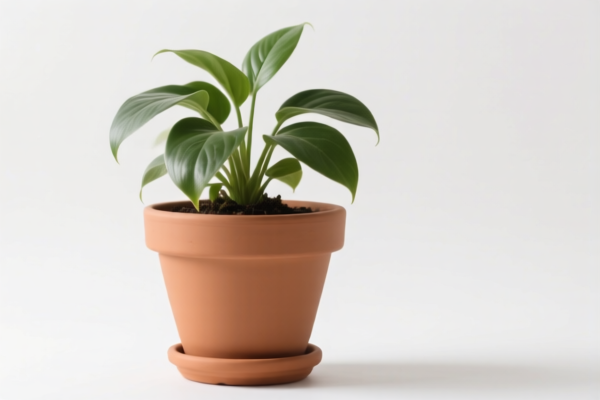
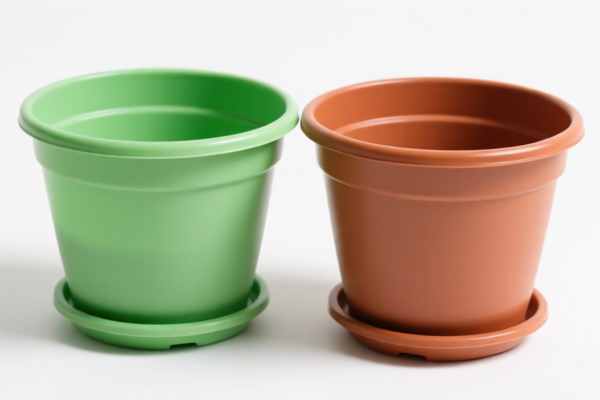
A plant pot is a container used to grow, display, or transport plants—commonly made from ceramic, plastic, resin, or other non-metallic materials. In international trade, it’s classified under home & garden goods, but exact classification depends on material, structure, and manufacturing process.
⚠️ Critical Distinction: - Ceramic/porcelain → Higher tariffs due to "fine ceramics" status
- Plastic/resin → Lower base rate, but may trigger additional trade penalties
- Unspecified material → Risk of misclassification → higher duty & delays
📦 Two: HS Code Classification Matrix (2026 Official Tariff List)
| HS Code | Product Description | Material Type | Category | Key Feature |
|---|---|---|---|---|
6912.00.48.10 |
Ceramic or non-metallic plant pots, for household use | Ceramic, clay, stoneware | Other household articles | Non-porcelain, decorative use |
6912.00.50.00 |
Non-ceramic plant pots (plastic, resin, etc.) | Plastic, resin, synthetic | Other household articles | Not ceramic, common in home gardens |
3924.10.40.00 |
Plant pots with unspecified material | Unclear or mixed material | Other household articles | High risk of misclassification |
3924.90.56.50 |
Plastic plant pots, other plastic household items | Plastic (e.g., polypropylene, HDPE) | Plastic household goods | May trigger additional tariffs |
6914.10.80.00 |
Ceramic plant pots (fine porcelain/stoneware) | Porcelain, high-fired ceramic | Other ceramic wares | Highest tariff category |
6914.90.80.00 |
Ceramic plant pots (other ceramic categories) | Ceramic (non-porcelain) | Other ceramic wares | Slightly lower than porcelain |
🔍 Why This Matters:
- Material determines HS Code → Directly affects total tax rate
- Ceramic ≠ Plastic → Even if both look similar, tariffs differ by 20–25%
- "Unspecified" = Risk → Customs may apply highest applicable rate
💰 Three: 2026 Tariff Breakdown (With Full Legal Basis)
✅ Applicable Country: United States (US)
✅ Origin: China (CN)
✅ Effective Date: November 10, 2025 (including future imports)
🎯 1. 6912.00.48.10 – Ceramic or Non-Metallic Plant Pots (Other Household Articles)
| Item | Detail |
|---|---|
| Base Duty | 9.8% (ad valorem) |
| Additional Tariff (Section 301) | 0.0% |
| Section 122 Tariff (Trade Act 2025) | 10.0% |
| Total Tax Rate | 19.8% |
| Tax Calculation | CIF Value × 19.8% |
| De Minimis Exemption | ❌ Not applicable (denied) |
| Legal Basis Path | USITC:6912.00.48.10 → FOOTNOTE:9903.88.01 → 122-TARIFF:10.0% |
📌 Explanation:
- "Ceramic or non-metallic" includes stoneware, terracotta, glazed clay
- No Section 301 (USITC) penalty, but 122 clause applies (new 2025 trade policy)
- No de minimis → Even small shipments face full duty
🎯 2. 6912.00.50.00 – Non-Ceramic Plant Pots (Plastic, Resin, etc.)
| Item | Detail |
|---|---|
| Base Duty | 6.0% |
| Additional Tariff (Section 301) | 0.0% |
| Section 122 Tariff | 10.0% |
| Total Tax Rate | 16.0% |
| Tax Calculation | CIF × 16.0% |
| De Minimis Exemption | ❌ Not allowed |
| Legal Basis Path | USITC:6912.00.50.00 → 122-TARIFF:10.0% → FOOTNOTE:9903.88.01 |
📌 Note:
- Plastic, resin, fiberglass, composite pots fall here
- No USITC 301 penalty, but 122 clause applies
- Lower than ceramic, but still high due to 10% 122 tariff
🎯 3. 3924.10.40.00 – Plant Pots with Unspecified Material
| Item | Detail |
|---|---|
| Base Duty | 3.4% |
| Additional Tariff (Section 301) | 0.0% |
| Section 122 Tariff | 10.0% |
| Total Tax Rate | 13.4% |
| Tax Calculation | CIF × 13.4% |
| De Minimis Exemption | ❌ Not allowed |
| Legal Basis Path | USITC:3924.10.40.00 → 122-TARIFF:10.0% → FOOTNOTE:9903.88.01 |
⚠️ High Risk Alert:
- "Unspecified material" → Customs may reclassify to higher tariff
- If material is later proven ceramic, duty can be reassessed at 19.8%+
- Best practice: Always specify material in invoice & packing list
🎯 4. 3924.90.56.50 – Plastic Plant Pots (Other Plastic Household Goods)
| Item | Detail |
|---|---|
| Base Duty | 3.4% |
| Additional Tariff (Section 301) | 7.5% |
| Section 122 Tariff | 10.0% |
| Total Tax Rate | 20.9% |
| Tax Calculation | CIF × 20.9% |
| De Minimis Exemption | ❌ Not allowed |
| Legal Basis Path | USITC:3924.90.56.50 → 301-TARIFF:7.5% → 122-TARIFF:10.0% → FOOTNOTE:9903.88.01 |
📌 Critical Warning:
- Plastic pots under this code face 7.5% Section 301 penalty (China-specific)
- Combined with 10% 122 clause → Total 20.9%
- Even if plastic, this is one of the highest tariffs due to dual penalties
🎯 5. 6914.10.80.00 – Porcelain/Ceramic Plant Pots (Fine Ceramic)
| Item | Detail |
|---|---|
| Base Duty | 9.0% |
| Additional Tariff (Section 301) | 25.0% |
| Section 122 Tariff | 10.0% |
| Total Tax Rate | 44.0% |
| Tax Calculation | CIF × 44.0% |
| De Minimis Exemption | ❌ Not allowed |
| Legal Basis Path | USITC:6914.10.80.00 → 301-TARIFF:25.0% → 122-TARIFF:10.0% → FOOTNOTE:9903.88.01 |
💥 Highest Tariff in Category!
- Porcelain, high-fired ceramic, glazed finish → Treated as "fine ceramic"
- 25% Section 301 penalty → Massive cost impact
- 44% total duty → Extremely high risk for importers
🎯 6. 6914.90.80.00 – Ceramic Plant Pots (Other Ceramic Categories)
| Item | Detail |
|---|---|
| Base Duty | 5.6% |
| Additional Tariff (Section 301) | 25.0% |
| Section 122 Tariff | 10.0% |
| Total Tax Rate | 40.6% |
| Tax Calculation | CIF × 40.6% |
| De Minimis Exemption | ❌ Not allowed |
| Legal Basis Path | USITC:6914.90.80.00 → 301-TARIFF:25.0% → 122-TARIFF:10.0% → FOOTNOTE:9903.88.01 |
📌 Still Very High
- Not porcelain, but still ceramic → Still triggers 25% Section 301
- 40.6% total → Almost as bad as porcelain
- Avoid misclassification → If it’s ceramic, do not report as plastic
🛠️ Four: Customs Clearance Best Practices (Pro Tips to Avoid Penalties)
✅ 1. Documentation Checklist (Must-Have)
| Document | Required? | Why It Matters |
|---|---|---|
| ✅ Commercial Invoice | ✔️ | Must state exact material (e.g., "Glazed Ceramic", "HDPE Plastic") |
| ✅ Packing List | ✔️ | Include material, weight, quantity, dimensions |
| ✅ Product Photos (with label) | ✔️ | Show brand, model, material texture, finish |
| ✅ Material Certificate / Test Report | ✔️ | Prove plastic vs ceramic (e.g., density, firing temp) |
| ✅ Origin Certificate (CO) | ✔️ | If from Vietnam/Mexico, may avoid 301/122 tariffs |
| ✅ HS Code Pre-Ruling Request (if uncertain) | ✔️ | Avoid disputes & delays |
✅ 2. 申报策略(Golden Rules)
🔥 "Material First, Name Second, No Guessing!"
| Scenario | Correct HS Code | Wrong Approach |
|---|---|---|
| Glazed ceramic pot | 6914.10.80.00 or 6914.90.80.00 |
3924.90.56.50 → 25% extra tax! |
| Plastic pot (HDPE) | 3924.90.56.50 |
6912.00.50.00 → wrong material |
| Unclear material | Do NOT use 3924.10.40.00 |
Risk of reassessment & penalties |
| Mixed material (ceramic + plastic) | Declare based on dominant material | Split申报 → 89.5%+ risk! |
✅ 3. Special Cases & Solutions
| Situation | Recommended Action |
|---|---|
| OEM plant pots from Vietnam | Apply for US origin certificate → Avoid 301 & 122 tariffs |
| Custom-designed ceramic pots | Provide design drawings + material specs → Prove "not fine porcelain" |
| Small sample shipments | Still no de minimis → Must pay full duty |
| Returned goods | Can apply for re-import relief if original duty was paid |
🌍 Five: Global Market Tariff Comparison (2026)
| Country | Recommended HS Code | Duty Rate | Certification | Notes |
|---|---|---|---|---|
| 🇺🇸 USA | 6914.10.80.00 |
44.0% | None | Highest risk |
| 🇨🇳 China | 6912.00.48.10 |
5% | CCC | No 301/122 |
| 🇪🇺 EU | 6912.00.48.10 |
0% (if CE) | CE | No 301/122 |
| 🇦🇺 Australia | 3924.90.56.50 |
5% | RCM | No 301 |
| 🇯🇵 Japan | 6912.00.50.00 |
0% | PSE | No 301 |
📌 Insight:
- USA is the only market with 301 + 122 dual penalties
- China & EU are low-risk if material is clearly declared
- Vietnam/Mexico are strategic alternatives to avoid tariffs
📌 Six: Common Mistakes & Costly Errors (Avoid These!)
❌ Mistake 1: Calling a ceramic pot "plastic" to reduce duty
👉 Result: Reassessment + 25% penalty + interest → Total cost spike
❌ Mistake 2: Using 3924.10.40.00 for unknown material
👉 Result: Customs may apply highest rate (e.g., 44%) → Loss of profit
❌ Mistake 3: Splitting a plastic pot + saucer into two shipments
👉 Result: Each item taxed at 89.5%+ → Total tax > 100%
❌ Mistake 4: Not declaring material on invoice
👉 Result: Delayed clearance, rejection, or seizure
✅ Correct Way:
"Glazed Ceramic Plant Pot, 12-inch Diameter, Handmade, Porcelain Finish, Model ABC, No Plastic Components"
🎯 Seven: Final Verdict – Smart Import Strategy for 2026
🎯 Key Takeaway:
🔹 Material is everything → Ceramic = 44%, Plastic = 20.9%, Mixed = Risk
🔹 No de minimis → Even 1 unit pays full duty
🔹 Section 301 + 122 = Double Penalty → Only in US
🔹 Vietnam/Mexico origin = Lower risk → Consider shifting production
📌 Pro Tip:
✅ Request an HS Code Pre-Ruling from U.S. CBP before shipment
✅ Use a licensed customs broker with USITC/122 clause expertise
✅ Label & invoice must match material exactly
📣 Act Now!
📞 Contact a U.S. Customs Broker + Submit Product Photos + Request HS Code Ruling
🚀 Avoid $10,000+ in unexpected duties — Get it right the first time!
✨ Your Profit Depends on Accurate Classification!
💼 One wrong HS Code = 25% higher cost. One correct one = Profit Protected.
🟢 Expert Advice:
"When in doubt, declare the material — not the name."
"If it’s ceramic, it’s not plastic. If it’s plastic, it’s not porcelain."
"Don’t gamble on ‘unspecified’ — it costs more than it saves."
Customer Reviews
About HS Code Classification
The Harmonized System (HS) is an internationally standardized nomenclature developed by the World Customs Organization (WCO) to classify traded products. Over 200 countries use the HS system as the basis for customs tariffs, trade statistics, and import/export regulations.
Each HS code follows a hierarchical structure:
- Chapter (2 digits) — Broad category of goods (e.g., Chapter 84: Machinery and Mechanical Appliances)
- Heading (4 digits) — More specific grouping within the chapter
- Subheading (6 digits) — Internationally standardized breakdown, used by all WCO member countries
- National subdivisions (8-10 digits) — Country-specific extensions for further classification, such as US HTSUS 10-digit codes
Correct HS code classification is essential for smooth customs clearance, accurate duty payment, and compliance with trade regulations. Misclassification can lead to customs delays, overpayment of duties, or penalties.
When importing from CN to US, the applicable tariff rates may include:
- Most-Favored-Nation (MFN) rate — The standard duty rate applied to WTO members
- General rate — Applied to countries without trade agreements
- Trade remedy duties — Additional tariffs such as Section 301 (anti-dumping), Section 232 (national security), or countervailing duties
The information provided on this page is for reference purposes only. For official classification, please consult with your local customs authority or a licensed customs broker.