菜板
CN → US| HS Code | Tariff Rate | Origin | Destination | Doc |
|---|---|---|---|---|
| 6912005000 | 16.0% | CN | US | Official Doc |
| 4419110000 | 13.2% | CN | US | Official Doc |
| 3924104000 | 13.4% | CN | US | Official Doc |
| 6912004810 | 19.8% | CN | US | Official Doc |
| 3924102000 | 24.0% | CN | US | Official Doc |
| 4419909100 | 20.7% | CN | US | Official Doc |
Product Images
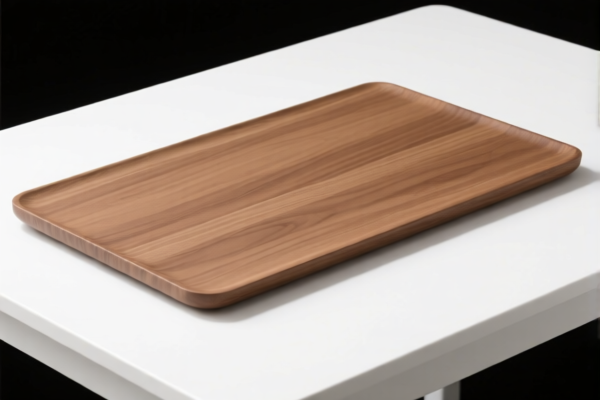

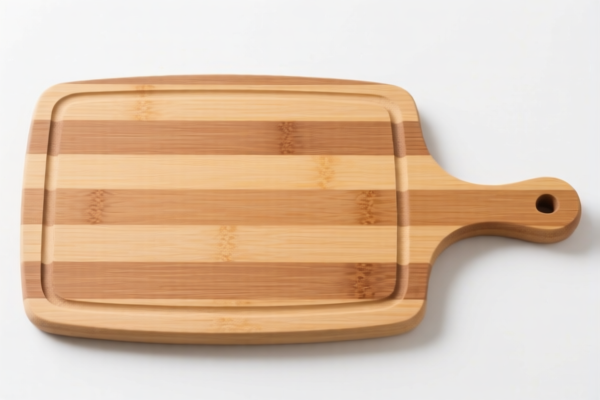
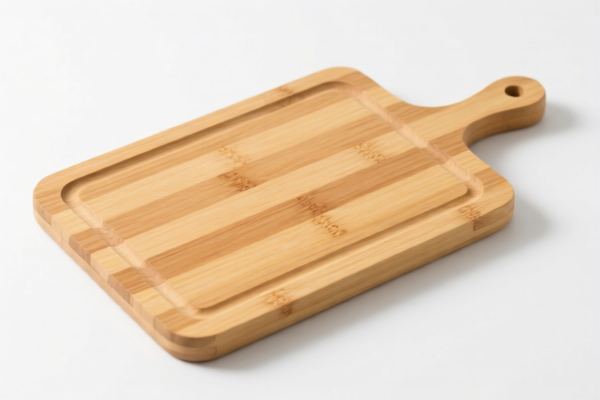
AI Analysis
🥘 Cutting Boards (Chopping Blocks for Kitchen Use)
🌐 HS Code Reference & Customs Clearance Guide | 2026 Latest Tariff Analysis | Professional Clearance Strategy
📌 I. Product Definition & Classification: Do You Really Understand "Cutting Boards"?
Cutting boards are essential kitchen tools used for food preparation, serving, and storage. In international trade, they are primarily classified based on material composition and intended use (household/kitchen appliances). The classification is critical because different materials trigger vastly different tariff structures, especially under current US-China trade policies.
⚠️ Key Distinction Point:
- Ceramic: If the board is made of fired clay/ceramic → Category 6912 (Ceramic Tableware/Kitchenware)
- Wood/Bamboo: If made of timber or bamboo → Category 4419 (Wooden/Tableware/Kitchen Articles)
- Plastic: If made of polymers → Category 3924 (Plastic Tableware/Kitchenware)
📦 II. HS Code Classification Details (2026 Latest Tariff Authority Reference)
Based on the provided data, here are the precise classifications for cutting boards by material:
| HS Code | Product Description | Material Inference | Application Scenario |
|---|---|---|---|
6912.00.50.00 |
Ceramic Tableware/Kitchen Articles (Other) | Ceramic | Ceramic cutting boards, often used for hygiene or aesthetic kitchen displays |
4419.90.91.00 |
Wooden Tableware/Kitchen Articles (Other) | Wood | Hardwood cutting boards (Walnut, Maple, Oak, etc.) |
4419.11.00.00 |
Bamboo Tableware/Kitchen Articles | Bamboo | Bamboo cutting boards, eco-friendly alternatives to wood |
3924.10.40.00 |
Plastic Tableware/Kitchen Articles (Other) | Plastic | Polypropylene (PP), PE, or other polymer cutting boards |
6912.00.48.10 |
Ceramic Tableware/Kitchen Articles (Other, Specific) | Ceramic/Composite | Ceramic boards with specific design attributes; Note: Data implies no material conflict with ceramic/wood/plastic non-metal descriptions |
3924.10.20.00 |
Plastic Tableware/Kitchen Articles (Other, Specific) | Plastic/Wood Composite | Plastic-based or composite boards specifically designated in this subheading |
🔍 Critical Reminder:
- Material Determination is Key: Customs officials will inspect the physical product. A "wood-look" plastic board must be declared as plastic (3924), not wood (4419).
- Composite Materials: If a board has a wooden base with a plastic grip, the classification depends on the essential character (usually the main structural material).
- Usage: All these codes assume the item is for household/kitchen use. Industrial-grade large cutting boards might fall under different chapters (e.g., Chapter 39 or 44 general articles).
💰 III. 2026 Latest Tariff Rate Breakdown (Including Additional Taxes, Policy Surcharges)
✅ Applicable Country: United States (US)
✅ Origin: China (CN)
✅ Effective Time: Current Trade Policy (Section 301 & 122 Clauses)
🎯 1. 6912.00.50.00 —— Ceramic Cutting Boards
| Item | Content |
|---|---|
| Base Tariff | 6.0% (Ad Valorem) |
| Section 301 Additional Tariff | 0.0% (Note: Data indicates 0% for this specific subheading in this dataset) |
| Clause 122 Surcharge | +10.0% |
| Total Effective Rate | 16.0% |
| Tax Calculation | CIF Value × 16.0% |
| De Minimis Exemption | ❌ Not Applicable (High tariff items usually excluded) |
| Legal Basis Path | HTSUS:6912.00.50 → Section 301 (Check Footnotes) → Clause 122 |
📌 Explanation:
- Base Rate: 6% is standard for ceramic tableware.
- Surcharge: The 10% Clause 122 surcharge applies, significantly increasing the cost.
- Total: 16%. This is a moderate tariff burden compared to other categories.
🎯 2. 4419.90.91.00 —— Wooden Cutting Boards
| Item | Content |
|---|---|
| Base Tariff | 3.2% (Ad Valorem) |
| Section 301 Additional Tariff | +7.5% |
| Clause 122 Surcharge | +10.0% |
| Total Effective Rate | 20.7% |
| Tax Calculation | CIF Value × 20.7% |
| De Minimis Exemption | ❌ Not Applicable |
| Legal Basis Path | HTSUS:4419.90.91 → Section 301 Footnote → Clause 122 |
📌 Explanation:
- Base Rate: Very low at 3.2% due to the "Other" category status for wooden tableware.
- Add-ons: However, the combination of 7.5% Section 301 and 10% Clause 122 pushes the total to 20.7%.
- Impact: Wooden boards face a higher effective rate than ceramic ones in this specific dataset.
🎯 3. 4419.11.00.00 —— Bamboo Cutting Boards
| Item | Content |
|---|---|
| Base Tariff | 3.2% (Ad Valorem) |
| Section 301 Additional Tariff | 0.0% |
| Clause 122 Surcharge | +10.0% |
| Total Effective Rate | 13.2% |
| Tax Calculation | CIF Value × 13.2% |
| De Minimis Exemption | ❌ Not Applicable |
| Legal Basis Path | HTSUS:4419.11.00 → Section 301 (Zero for this line) → Clause 122 |
📌 Explanation:
- Best Option for Wood-Bamboo: This is the lowest tariff rate among all wooden/bamboo categories (13.2%).
- Reason: Bamboo (4419.11) enjoys 0% Section 301 additional tariff in this dataset, unlike general wood (4419.90).
- Strategy: If possible, classify or source bamboo products specifically under4419.11to save ~7.5% compared to general wood.
🎯 4. 3924.10.40.00 —— Plastic Cutting Boards
| Item | Content |
|---|---|
| Base Tariff | 3.4% (Ad Valorem) |
| Section 301 Additional Tariff | 0.0% |
| Clause 122 Surcharge | +10.0% |
| Total Effective Rate | 13.4% |
| Tax Calculation | CIF Value × 13.4% |
| De Minimis Exemption | ❌ Not Applicable |
| Legal Basis Path | HTSUS:3924.10.40 → Section 301 (Zero for this line) → Clause 122 |
📌 Explanation:
- Competitive Rate: Similar to bamboo, this rate is 13.4%.
- No Section 301: Like bamboo, this specific plastic subheading has 0% Section 301 surcharge.
- Cost Efficiency: Plastic boards are cost-effective for import if classified correctly under3924.10.40.
🎯 5. 6912.00.48.10 —— Ceramic Cutting Boards (Specific Subcategory)
| Item | Content |
|---|---|
| Base Tariff | 9.8% (Ad Valorem) |
| Section 301 Additional Tariff | 0.0% |
| Clause 122 Surcharge | +10.0% |
| Total Effective Rate | 19.8% |
| Tax Calculation | CIF Value × 19.8% |
| De Minimis Exemption | ❌ Not Applicable |
| Legal Basis Path | HTSUS:6912.00.48.10 → Clause 122 |
📌 Explanation:
- Higher Base: The base tariff is significantly higher (9.8%) than the other ceramic category.
- Total: 19.8% after adding the 10% Clause 122.
- Comparison: More expensive than6912.00.50.00(16.0%). Ensure the product truly fits this specific subheading to avoid misclassification penalties.
🎯 6. 3924.10.20.00 —— Plastic Cutting Boards (Specific Subcategory)
| Item | Content |
|---|---|
| Base Tariff | 6.5% (Ad Valorem) |
| Section 301 Additional Tariff | +7.5% |
| Clause 122 Surcharge | +10.0% |
| Total Effective Rate | 24.0% |
| Tax Calculation | CIF Value × 24.0% |
| De Minimis Exemption | ❌ Not Applicable |
| Legal Basis Path | HTSUS:3924.10.20 → Section 301 → Clause 122 |
📌 Explanation:
- Highest Rate: This is the most expensive option at 24.0%.
- Double Hit: It incurs both 7.5% Section 301 and 10% Clause 122.
- Warning: Avoid this HS code unless the product strictly matches its specific description. Misclassifying a standard plastic board here will increase costs unnecessarily.
🛠️ IV. Customs Clearance Practical Advice (Real-World Pitfall Guide)
✅ 1. Documentation Checklist (Mandatory)
| Document | Required | Notes |
|---|---|---|
| ✅ Product Specification Sheet | ✔️ | Must clearly state material (e.g., "100% Natural Bamboo" or "Food-Grade PP Plastic"). |
| ✅ Material Composition Statement | ✔️ | Customs may ask for proof of material. For composite items, specify the % composition. |
| ✅ Product Photos (Clear) | ✔️ | Show the entire board, including any labels, brand, or material markings. |
| ✅ Commercial Invoice | ✔️ | Must explicitly state "Cutting Board" and the correct HS Code. Do not use vague terms like "Kitchen Utensil." |
| ✅ Packing List | ✔️ | Detail quantity and weight. Ensure packaging does not mislead about the product's nature. |
| ✅ FDA Compliance (if applicable) | ✔️ | Since these are food-contact items, ensure they meet FDA standards for food safety (especially for plastics and wood finishes). |
✅ 2. Declaration Tips (Key Mantra)
🔥 "Material First, Code Second. Name Specific, Tariff Predictable!"
| Scenario | Correct Declaration | Wrong Practice |
|---|---|---|
| Bamboo Board | 4419.11.00.00 (Bamboo Tableware) |
Declare as "Wood" → Risk of 20.7% tariff + penalties |
| Plastic Board | 3924.10.40.00 (Plastic Tableware) |
Declare as "Wood" → 20.7% tariff instead of 13.4% |
| Ceramic Board | 6912.00.50.00 (Ceramic Tableware) |
Declare as "Pottery" without specificity → Potential 19.8% if misread as 6912.00.48.10 |
| Composite Board | Analyze "Essential Character" | Split declaration → 89.5% for parts! |
📌 Crucial Note:
- Misclassification Penalty: If you declare a plastic board as bamboo to save tax, and Customs detects it (via X-ray or physical inspection), you will face seizure, fines, and back-taxes.
- Clause 122 Applies Universally: Regardless of the base tariff, the 10% Clause 122 surcharge is currently applied to all these household kitchen items from China. Factor this into your pricing model.
✅ 3. Special Circumstances Handling
| Situation | Handling Advice |
|---|---|
| Mixed Material (Wood Handle + Plastic Blade) | Classify based on the primary function/material. Usually, the blade material (3924) dictates the code if it's the main cutting surface. |
| Set of Cutting Boards | Declared as a single unit if packaged together for retail. The HS code is determined by the essential character of the set (usually the largest or most valuable board). |
| Custom Logo/Branding | Ensure the branding does not alter the product's classification. A branded bamboo board is still 4419.11.00.00. |
| Gift Sets (Board + Knife + Stand) | If the knife is primary, it might classify under cutlery (8211). If the board is primary, classify under cutting boards (4419 or 3924). Single Code Declaration is strongly recommended. |
🌍 V. Global Market Comparison (2026 Latest)
| Country/Region | Recommended HS Code | Tariff (China Origin) | Certification Requirement | Notes |
|---|---|---|---|---|
| 🇺🇸 USA | 4419.11.00.00 (Bamboo) |
13.2% | FDA (Food Contact) | Lowest among wood/bamboo. Clause 122 applies. |
| 🇺🇸 USA | 3924.10.40.00 (Plastic) |
13.4% | FDA (Food Contact) | Competitive rate. No Section 301. |
| 🇪🇺 EU | 4419.11.00 (Bamboo) |
~3-5% | LFGB/FDA | No Section 301 or Clause 122. |
| 🇬🇧 UK | 4419.11.00 (Bamboo) |
~3-5% | UKCA/FDA | Post-Brexit rules apply, generally lower tariffs. |
| 🇨🇳 China | 4419.11.00 (Bamboo) |
0-5% | CCC (if applicable) | Export-oriented pricing. |
📌 Conclusion:
- USA is the most expensive market due to Section 301 and Clause 122 surcharges.
- Bamboo (4419.11) and Specific Plastic (3924.10.40) offer the lowest entry costs for the US market (~13.2-13.4%).
- Avoid3924.10.20and4419.90.91if possible, as they carry an additional 7.5% Section 301 burden.
📌 VI. Common Errors & Pitfall Guide (Lessons Learned)
❌ Error 1: Declaring a Plastic Board as "Wooden Cutting Board" to avoid plastic-specific restrictions.
👉 Consequence: Customs inspection reveals material mismatch → 20.7% tariff applied, plus potential fraud penalties.
❌ Error 2: Ignoring the Clause 122 10% Surcharge.
👉 Consequence: Underestimating landed cost by 10% → Profit margin erosion or loss-making sales.
❌ Error 3: Using generic terms like "Kitchen Item" or "Chopping Block" without specifying material.
👉 Consequence: Customs ambiguity → Delay in clearance, possible reclassification to a higher tariff bracket.
❌ Error 4: Treating Bamboo as "Wood" (4419.90) instead of "Bamboo" (4419.11).
👉 Consequence: Paying 7.5% extra Section 301 tariff unnecessarily. Save money by being specific!
✅ Correct Practice:
"Bamboo Cutting Board, Food-Safe, 12x8 inches, Model XYZ, Compliant with FDA 21 CFR 177.1520"
HS Code:4419.11.00.00
🎯 VII. Conclusion: Professional Declaration, Time-Saving, Cost-Effective!
🎯 Remember the Mantra:
🔹 "Bamboo is King (
4419.11), Plastic is King (3924.40). Avoid90and20subheadings unless necessary."
🔹 "Clause 122 is always +10%. Section 301 varies: Bamboo/Specific Plastic = 0%, General Wood/Plastic = 7.5%."
🔹 "Total Tax = Base + 0/7.5% + 10%. Calculate before shipping!"
📌 Pro Tip:
If you are shipping less than $800 (De Minimis) to the US, these tariffs may not apply (depending on current CBP enforcement on Clause 122). However, for commercial shipments, always assume the 13.2%-24.0% range and plan your pricing accordingly.
Recommend Advance Ruling from CBP if the material composition is complex (e.g., coated wood, composite plastics).
📣 Immediate Action:
📞 Contact your customs broker with Material Specs + Product Photos
🚀 Optimize HS Code Selection to target the 13.2% bracket (Bamboo or Specific Plastic)
💰 Protect Your Margins from the 10% Clause 122 surcharge!
✨ Professional Clearance Starts with Precise Classification!
💼 Every Percentage Point Saved is Pure Profit!
Customer Reviews
About HS Code Classification
The Harmonized System (HS) is an internationally standardized nomenclature developed by the World Customs Organization (WCO) to classify traded products. Over 200 countries use the HS system as the basis for customs tariffs, trade statistics, and import/export regulations.
Each HS code follows a hierarchical structure:
- Chapter (2 digits) — Broad category of goods (e.g., Chapter 84: Machinery and Mechanical Appliances)
- Heading (4 digits) — More specific grouping within the chapter
- Subheading (6 digits) — Internationally standardized breakdown, used by all WCO member countries
- National subdivisions (8-10 digits) — Country-specific extensions for further classification, such as US HTSUS 10-digit codes
Correct HS code classification is essential for smooth customs clearance, accurate duty payment, and compliance with trade regulations. Misclassification can lead to customs delays, overpayment of duties, or penalties.
When importing from CN to US, the applicable tariff rates may include:
- Most-Favored-Nation (MFN) rate — The standard duty rate applied to WTO members
- General rate — Applied to countries without trade agreements
- Trade remedy duties — Additional tariffs such as Section 301 (anti-dumping), Section 232 (national security), or countervailing duties
The information provided on this page is for reference purposes only. For official classification, please consult with your local customs authority or a licensed customs broker.