蒸架
CN → US| HS Code | Tariff Rate | Origin | Destination | Doc |
|---|---|---|---|---|
| 7323930045 | 62.0% | CN | US | Official Doc |
| 7323999030 | 88.4% | CN | US | Official Doc |
| 6911108010 | 38.3% | CN | US | Official Doc |
| 6911108090 | 38.3% | CN | US | Official Doc |
| 3924104000 | 13.4% | CN | US | Official Doc |
| 3924905650 | 20.9% | CN | US | Official Doc |
Product Images
AI Analysis
🥘 Steam Racks & Trays (Steaming Accessories)
🌐 HS Code Reference & Clearance Guide | 2024/2026 Latest Tariff Analysis | Professional Clearance Strategy
📌 I. Product Definition: What exactly is a "Steam Rack"?
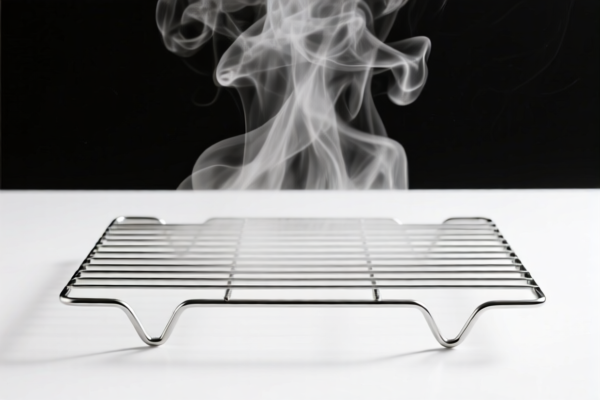
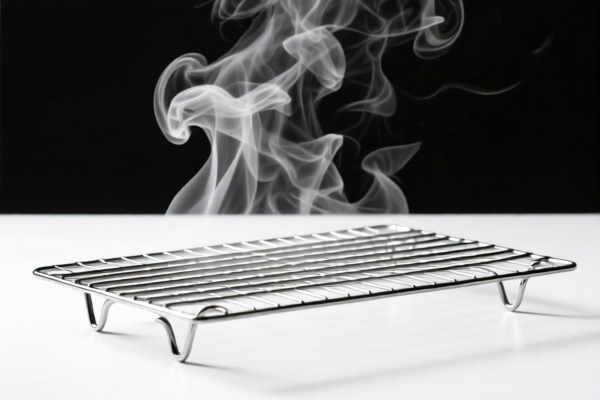
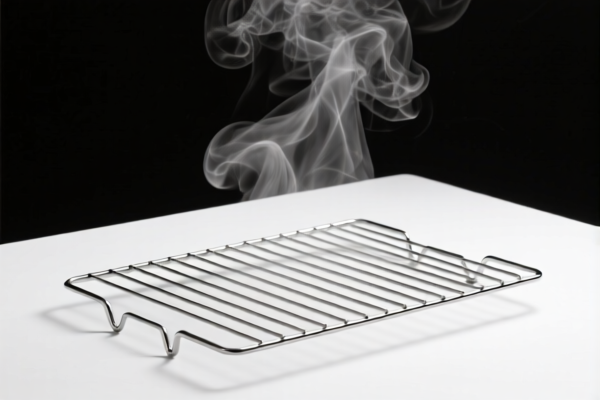
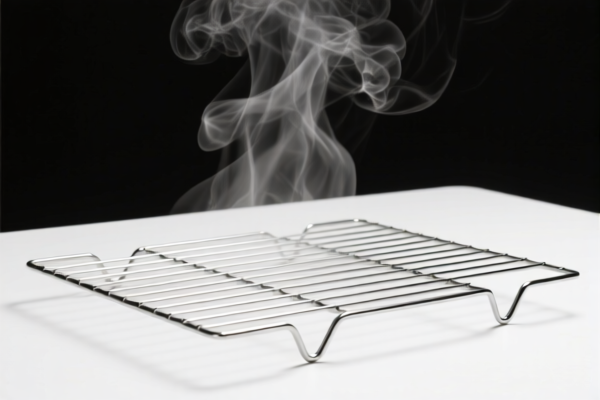
A Steam Rack (蒸架) is a kitchen accessory used to hold food above boiling water, allowing steam to circulate and cook the food. It is not a cooking vessel itself but an insert or support tool.
In international trade, the classification depends strictly on the material used to manufacture the rack. It is commonly made of: 1. Plastic (Heat-resistant PP or Silicone): Foldable or rigid. 2. Ceramic/Porcelain: Decorative or functional, often glazed. 3. Metal (Stainless Steel/Iron): Wire racks or perforated trays.
⚠️ Key Classification Point:
- If made of Plastic → Chapter 39 (Tableware/Kitchenware)
- If made of Porcelain → Chapter 69 (Ceramic Tableware)
- If made of Steel/Iron → Chapter 73 (Iron/Steel Articles)Misclassification is critical here! Declaring a stainless steel rack as "plastic" or vice versa can lead to severe penalties due to vastly different duty rates (e.g., 0% vs 78.4%).
📦 II. HS Code Classification Matrix (Based on Provided Data)
| HS Code | Product Description (Material) | Key Characteristics | Duty Rate (Total) |
|---|---|---|---|
3924.10.40.00 |
Plastic Tableware/Kitchenware | Other (e.g., PP/Silicone steam racks) | 3.4% |
3924.90.56.50 |
Plastic Other Household Articles | Other (Less common for standard racks, but possible for specialized tools) | 0.0% |
6911.10.80.10 |
Porcelain/China Tableware | Suitable for food/drink contact (e.g., ceramic steam inserts) | 28.3% |
6911.10.80.90 |
Porcelain/China Other | Other (Non-food contact or decorative porcelain racks) | 28.3% |
7323.99.90.80 |
Iron/Steel Other (Not Coated) | Stainless Steel or Iron racks (Non-coated) | 78.4% |
7323.93.00.80 |
Iron/Steel Stainless Steel | Of Stainless Steel | 52.0% |
🔍 Note on Data Source:
The provided data explicitly lists these six HS codes. Do not assume other rates exist for this specific dataset.
- Plastic items enjoy low duties (0-3.4%).
- Porcelain items face moderate-high duties (28.3%).
- Steel items face very high duties due to additional trade measures (52-78.4%).
💰 III. Detailed Tariff Breakdown & Tax Policy
✅ Applicable Context: Based on the provided
tax_detail, this appears to reflect US Import Duties from China (indicated by "Additional Tariff" / "加征关税").
✅ Effective Time: Current trade war measures (Section 301 tariffs).
🎯 1. Plastic Steam Racks (3924.10.40.00)
| Item | Detail |
|---|---|
| Base Duty | 3.4% |
| Additional Duty | 0.0% |
| Total Duty | 3.4% |
| Explanation | Plastic kitchenware generally has favorable trade terms unless subject to specific Section 301 exclusions (which are not indicated here as 0%). |
🎯 2. Plastic Other Articles (3924.90.56.50)
| Item | Detail |
|---|---|
| Base Duty | 0.0% |
| Additional Duty | 0.0% |
| Total Duty | 0.0% |
| Explanation | Some "other" plastic household articles may qualify for zero duty. Ensure the product description matches "Other" rather than "Tableware" if claiming this rate, but 3924.10 is safer for standard racks. |
🎯 3. Porcelain/Ceramic Steam Racks (6911.10.80.10 / .90)
| Item | Detail |
|---|---|
| Base Duty | 20.8% |
| Additional Duty | 7.5% |
| Total Duty | 28.3% |
| Explanation | Porcelain tableware is subject to significant additional tariffs. The 7.5% is likely a Section 301 add-on. There is no distinction in the provided data between "food contact" and "other" for the rate, though the HS codes differ by 2 digits. |
🎯 4. Stainless Steel Racks (7323.93.00.80) ⚠️ HIGH RISK
| Item | Detail |
|---|---|
| Base Duty | 2.0% |
| Additional Duty | 50.0% (Steel/Aluminum/Copper Surcharge) |
| Total Duty | 52.0% |
| Legal Path | Base: 2.0% + Surcharge: 50% = 52.0% |
| Explanation | Crucial: Stainless steel articles of iron/steel are subject to a specific 50% additional surcharge (as noted in tax_detail: "钢,铝铜制品加征关税: 50%"). This makes metal racks extremely expensive to import. |
🎯 5. Non-Coated Iron/Steel Racks (7323.99.90.80) ⚠️ HIGHEST RISK
| Item | Detail |
|---|---|
| Base Duty | 3.4% |
| Additional Duty | 25.0% (General) + 50.0% (Steel Surcharge) |
| Total Duty | 78.4% |
| Legal Path | Base: 3.4% + General Add-on: 25.0% + Steel Surcharge: 50.0% = 78.4% |
| Explanation | If the rack is not classified as "Stainless Steel" (e.g., it is coated carbon steel or iron), it falls into the "Other" category. It attracts the full 25% Section 301 tariff PLUS the 50% steel surcharge. Avoid this classification if possible. |
🛠️ IV. Clearance Practical Advice (Avoiding Pitfalls)
✅ 1. Material Verification is Mandatory
Customs will scrutinize the material composition.
* Plastic: Must be heat-resistant PP or Silicone. If it melts at low temps, it might be reclassified as a "toy" or "general plastic article," changing the code.
* Metal: Must specify Stainless Steel (e.g., 304/316) vs. Iron/Coated Steel.
* Tip: If your rack is stainless steel, declare it as 7323.93.00.80 (52%) rather than 7323.99.90.80 (78.4%). The difference is 26.4%!
✅ 2. Product Description Strategy
Use precise language in your Commercial Invoice and Packing List.
| Material | Recommended Declaration | HS Code Recommendation |
|---|---|---|
| Plastic | "Plastic Steam Rack, Heat Resistant PP, Food Grade, Kitchen Utensil" | 3924.10.40.00 |
| Stainless Steel | "Stainless Steel (304) Steam Rack, Perforated, Kitchen Accessory" | 7323.93.00.80 |
| Ceramic | "Porcelain Steam Insert, Glazed, Food Safe, Kitchenware" | 6911.10.80.10 |
🚫 Warning: Do NOT declare a stainless steel rack as "Plastic" to save duty. This is fraud. Customs may perform X-ray or material tests. If caught, you face fines, seizure, and legal action.
✅ 3. Special Considerations for "Other" Categories
3924.90.56.50(0% Duty): If your steam rack is made of plastic but is considered a "general household article" rather than "tableware/kitchenware," you might qualify for 0%. However, steam racks are inherently kitchenware. Use3924.10(3.4%) as the safe baseline. The 0% rate is risky for standard kitchen tools.6911vs6912: The data only lists6911(Porcelain/China). If your product is "Other Ceramic" (e.g., stoneware, earthenware), it might fall under6912, which is not in the provided data. Stick to the provided codes to avoid ambiguity in this context.
🌍 V. Cost Comparison by Material (Hypothetical $100 Value)
| Material | HS Code | Base Duty | Add'l Duty | Total Duty ($) | Landed Cost Factor |
|---|---|---|---|---|---|
| Plastic | 3924.10.40.00 |
$3.40 | $0.00 | $3.40 | 1.034x |
| Plastic (Other) | 3924.90.56.50 |
$0.00 | $0.00 | $0.00 | 1.000x |
| Porcelain | 6911.10.80.10 |
$20.80 | $7.50 | $28.30 | 1.283x |
| Stainless Steel | 7323.93.00.80 |
$2.00 | $50.00 | $52.00 | 1.520x |
| Iron/Coated Steel | 7323.99.90.80 |
$3.40 | $75.00 | $78.40 | 1.784x |
📌 Conclusion:
- Plastic is the most tax-efficient material for steam racks.
- Stainless Steel is costly due to the 50% steel surcharge.
- Iron/Coated Steel is prohibitive due to the 78.4% total duty.
- Porcelain is moderate-high at 28.3%.
📌 VI. Common Mistakes & Pitfalls
❌ Mistake 1: Classifying a Stainless Steel rack as 7323.99.90.80 (Non-stainless).
👉 Consequence: You pay 78.4% instead of 52.0%. Overpaying $26.40 per $100 value.
✅ Fix: Ensure the material is specified as "Stainless Steel" and use 7323.93.00.80.
❌ Mistake 2: Classifying a Plastic rack as 3924.10.40.00 when it might qualify for 3924.90.56.50.
👉 Consequence: You pay 3.4% instead of 0%.
✅ Fix: Review if the product fits the "Other" description better, but 3924.10 is the standard for kitchenware. The risk of audit for 0% duty may outweigh the 3.4% savings.
❌ Mistake 3: Ignoring the 50% Steel Surcharge.
👉 Consequence: Calculating duty as Base + 25% only.
✅ Fix: Always add the 50% surcharge for any Iron/Steel product under Chapter 73 in this specific dataset.
🎯 VII. Final Recommendations for Importers
- Prefer Plastic: If possible, source steam racks made of Heat-Resistant PP or Silicone. The duty is minimal (3.4% or 0%).
- Optimize Steel Classification: If using metal, ensure it is Stainless Steel and declared as such to use
7323.93.00.80(52%) rather than the "Other" category (78.4%). - Avoid Iron/Coated Steel: The 78.4% duty rate is likely uncompetitive. Consider switching materials.
- Document Material: Always include a Material Declaration in your commercial invoice (e.g., "Material: 304 Stainless Steel"). This supports your HS code choice during customs examination.
📞 Action Item:
📦 Confirm Material: Plastic vs. Steel vs. Porcelain
🏷️ Label Correctly: "Stainless Steel" must be explicit
📄 Invoice Detail: Include HS Code and Duty Rate in your internal records
🚀 Result: Minimize duty, avoid delays, maximize profit!
✨ Professional Clearance, Starting from Accurate Classification!
💼 Your cost savings are calculated to the cent!
Customer Reviews
About HS Code Classification
The Harmonized System (HS) is an internationally standardized nomenclature developed by the World Customs Organization (WCO) to classify traded products. Over 200 countries use the HS system as the basis for customs tariffs, trade statistics, and import/export regulations.
Each HS code follows a hierarchical structure:
- Chapter (2 digits) — Broad category of goods (e.g., Chapter 84: Machinery and Mechanical Appliances)
- Heading (4 digits) — More specific grouping within the chapter
- Subheading (6 digits) — Internationally standardized breakdown, used by all WCO member countries
- National subdivisions (8-10 digits) — Country-specific extensions for further classification, such as US HTSUS 10-digit codes
Correct HS code classification is essential for smooth customs clearance, accurate duty payment, and compliance with trade regulations. Misclassification can lead to customs delays, overpayment of duties, or penalties.
When importing from CN to US, the applicable tariff rates may include:
- Most-Favored-Nation (MFN) rate — The standard duty rate applied to WTO members
- General rate — Applied to countries without trade agreements
- Trade remedy duties — Additional tariffs such as Section 301 (anti-dumping), Section 232 (national security), or countervailing duties
The information provided on this page is for reference purposes only. For official classification, please consult with your local customs authority or a licensed customs broker.