蓬松猫袜
CN → US| HS Code | Tariff Rate | Origin | Destination | Doc |
|---|---|---|---|---|
| 6115959000 | 31.0% | CN | US | Official Doc |
| 6115969020 | 24.6% | CN | US | Official Doc |
| 6117809510 | 32.1% | CN | US | Official Doc |
| 6117809570 | 32.1% | CN | US | Official Doc |
| 6115969020 | 24.6% | CN | US | Official Doc |
Product Images
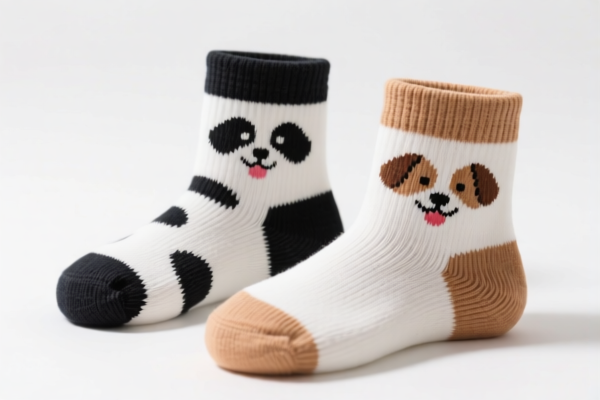
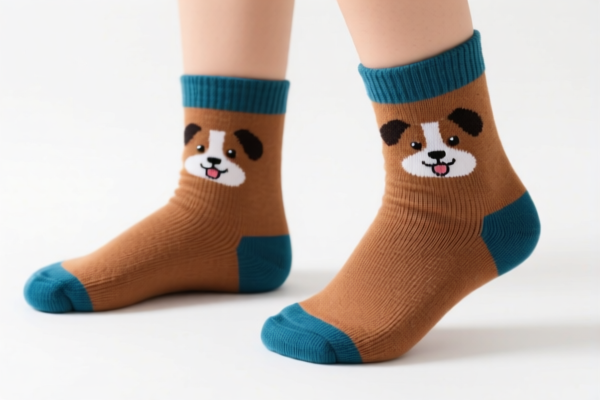
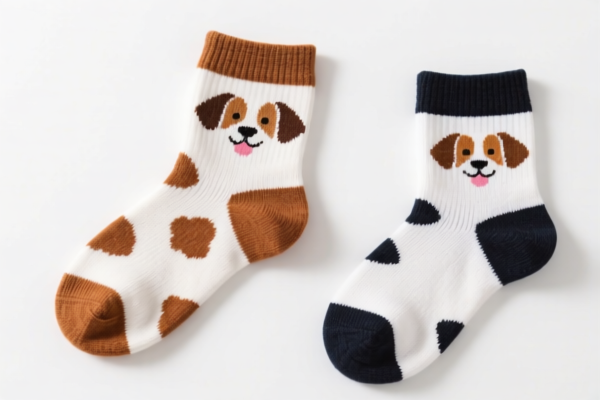
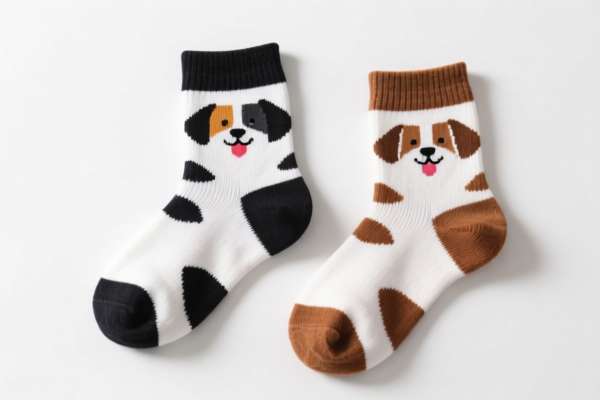
AI Analysis
🐾 Fluffy Cat Socks (Plush/Pile Socks)
🌐 HS Code Reference & Clearance Guide | 2026 Latest Tariff Analysis | Professional Customs Strategy
📌 I. Product Definition & Classification: What Exactly Are "Fluffy Cat Socks"?
"Fluffy Cat Socks" typically refer to plush, pile, or textured knit socks designed with aesthetic features (such as cat patterns, paw shapes, or high-loft materials) for comfort and novelty. In international trade, these are classified strictly as "Knitted or Crocheted Socks" (Heading 6115) or occasionally as "Other Made-Up Articles of Apparel" (Heading 6117), depending on material composition and specific construction details.
Key Distinction:
- If the primary characteristic is "sock form" (footwear covering the foot): They fall under 6115.95/96 (Socks, other than hosiery).
- If considered an "accessory" or unique knitwear item not strictly standard hosiery: Some classifiers may attempt 6117.80 (Other made-up clothing accessories), but this is riskier and often attracts higher duties.
⚠️ Critical Compliance Point:
The term "Cat" describes the style, not the material. The HS Code is determined by Material (Cotton vs. Synthetic Fibers) and Knitting Type, not the decorative motif.
📦 2. HS Code Classification Details (2026 Latest Tariff Authority Match)
Based on the provided <DATA>, here are the specific HS Codes and their logical justifications for "Fluffy Cat Socks":
| HS Code | Summary from Data | Material Inference | Sock/Accessory Status |
|---|---|---|---|
6115.95.90.00 |
Shape matches socks; material inferred as Cotton/Fiber-based (fluffy often implies cotton or blends). | Cotton or Fiber-based | ✅ Sock (Primary) |
6115.96.90.20 |
Shape matches socks; material inferred as Synthetic Fibers (fluffy often contains polyester/acrylic). | Synthetic Fibers | ✅ Sock (Primary) |
6117.80.95.10 |
Form is apparel accessory (socks); material inferred as Cotton/Fiber-based. | Cotton or Fiber-based | ⚠️ Accessory (Alternative) |
6117.80.95.70 |
Form matches apparel accessory/socks; material inferred as Non-Cotton, Non-Wool Synthetic/Artificial Fiber. | Synthetic/Artificial (Non-Wool) | ⚠️ Accessory (Alternative) |
6115.96.90.20 |
Shape is sock; material inferred to contain synthetic fibers, no wool or fine animal hair. | Synthetic (No Wool) | ✅ Sock (Primary) |
🔍 Key Insight:
- Headings 6115 vs. 6117: Customs authorities generally prefer 6115 for items clearly identifiable as socks, even if fluffy or novelty-style. Using 6117 (Accessories) for socks is often considered a misclassification unless the item is purely decorative and not functional as footwear. - Material Split: The choice between6115.95(Cotton) and6115.96(Synthetic) depends entirely on the fiber content label.
💰 3. 2026 Tariff Rate Breakdown (Including Additional Duties)
✅ Applicable Country: United States (US)
✅ Origin: China (CN)
✅ Effective Date: Current Trade War Terms (Section 301 & IEEPA)
🎯 1. 6115.95.90.00 —— Socks, Other, Knitted/Crocheted, Cotton-Based
| Item | Content |
|---|---|
| Base Tariff | 13.5% (Ad Valorem) |
| Additional Tariff (Section 301) | +7.5% |
| IEEPA Tariff (Section 122) | +10% |
| Total Effective Rate | 31.0% |
| Tax Calculation | CIF Value × 31.0% |
| De Minimis Eligibility | ❌ No (Subject to high additional duties) |
| Legal Basis | USITC:6115.95.90.00 + Section 301 + IEEPA |
📌 Explanation:
- Base (13.5%): Standard MFN rate for cotton knit socks.
- Section 301 (7.5%): Additional tariff on Chinese textiles/garments.
- IEEPA (10%): New/updated executive order tariff on specific Chinese goods.
- Total: 31.0%.
🎯 2. 6115.96.90.20 —— Socks, Other, Knitted/Crocheted, Synthetic Fibers (No Wool)
| Item | Content |
|---|---|
| Base Tariff | 14.6% (Ad Valorem) |
| Additional Tariff (Section 301) | 0.0% |
| IEEPA Tariff (Section 122) | +10% |
| Total Effective Rate | 24.6% |
| Tax Calculation | CIF Value × 24.6% |
| De Minimis Eligibility | ❌ No |
| Legal Basis | USITC:6115.96.90.20 + IEEPA |
📌 Explanation:
- Base (14.6%): Standard rate for synthetic knit socks.
- Section 301 (0.0%): Crucial Difference! This specific subheading may be exempt from the standard Section 301 7.5% surcharge compared to cotton variants, resulting in a lower total burden.
- IEEPA (10%): Still applies.
- Total: 24.6%. This is 6.4% cheaper than the cotton variant (6115.95.90.00).
🎯 3. 6117.80.95.10 & 6117.80.95.70 —— Apparel Accessories (Non-Sock Classification Risk)
| Item | Content |
|---|---|
| Base Tariff | 14.6% (Ad Valorem) |
| Additional Tariff (Section 301) | +7.5% |
| IEEPA Tariff (Section 122) | +10% |
| Total Effective Rate | 32.1% |
| Tax Calculation | CIF Value × 32.1% |
| De Minimis Eligibility | ❌ No |
📌 Explanation:
- Classifying socks as "Accessories" (6117) instead of "Socks" (6115) does not reduce duty.
- In fact, it may attract the Section 301 7.5% surcharge even for synthetic materials where 6115 might not.
- Total: 32.1%, which is the highest cost among the options.
🛠️ 4. Customs Clearance Practical Advice (Risk Avoidance Guide)
✅ 1. Preparation Checklist (Mandatory)
| Document | Required | Notes |
|---|---|---|
| ✅ Product Specification Sheet | ✔️ | Must detail: Fiber Content (%) (e.g., 80% Acrylic, 20% Polyester), Pile Height, Closure Type. |
| ✅ Material Composition Label | ✔️ | Photo of the care label inside the sock. Critical for distinguishing 6115.95 (Cotton) vs 6115.96 (Synthetic). |
| ✅ Product Photos | ✔️ | Clear images of the "fluffy" texture, any cat-shaped toe/heel, and tags. |
| ✅ Commercial Invoice | ✔️ | Must state: "Fluffy Knit Socks, Synthetic Fiber, For Retail." Avoid vague terms like "Plush Toy Socks" if they are wearable. |
| ✅ Packing List | ✔️ | Weight and dimensions. |
✅ 2. Classification Strategy (Key Rules)
| Scenario | Correct HS Code | Why? |
|---|---|---|
| Socks are >50% Synthetic (Acrylic/Polyester) | 6115.96.90.20 |
Lowest Duty (24.6%). Most "fluffy" socks are acrylic/polyester blends. |
| Socks are >50% Cotton | 6115.95.90.00 |
Higher Duty (31.0%). Use only if accurately cotton. |
| Socks contain Wool | Not in Data | Likely different code. Avoid if wool is present without specific code data. |
| Attempting "Accessory" Classification | 6117.80.95.xx |
Avoid. Higher duty (32.1%) and high risk of Customs challenge (misclassification). |
🔥 "Golden Rule" for Fluffy Socks:
"Check the Tag. If Synthetic, Aim for 6115.96. If Cotton, Pay 6115.95. Never Guess 'Accessory'!"
✅ 3. Special Considerations
| Issue | Advice |
|---|---|
| "Cat" Design | Ensure the design is embroidered or printed on a functional sock. If it's a stuffed toy shaped like a sock, it moves to Chapter 95 (Toys), but "Fluffy Cat Socks" implies wearable footwear. |
| Mixed Materials | If the sock is 55% Acrylic, 45% Cotton, it is Synthetic (6115.96) because synthetic is the chief material by weight. |
| De Minimis (Section 321) | Even if shipping via e-commerce (under $800), additional duties (IEEPA 10%) still apply to Chinese-origin goods. Do not assume exemption. |
🌍 5. Global Market Comparison (2026 Latest)
| Market | Recommended HS Code | Duty Rate (China Origin) | Notes |
|---|---|---|---|
| 🇺🇸 USA | 6115.96.90.20 |
24.6% | Best option for synthetic fluffy socks. |
| 🇺🇸 USA | 6115.95.90.00 |
31.0% | For cotton fluffy socks. |
| 🇪🇺 EU | 6115.95/96 | ~12-16% | No Section 301/IEEPA equivalent, but standard MFN applies. |
| 🇨🇳 China | 6115.95/96 | ~10-15% | Import duties for foreign socks into China. |
📌 Conclusion for US Importers:
- Prioritize Synthetic Fiber Composition (Acrylic/Polyester) to utilize6115.96.90.20.
- It saves 6.4% in total landed cost compared to cotton or misclassified accessory routes.
- Avoid6117classifications for socks unless absolutely necessary (e.g., non-wearable decorative items).
📌 6. Common Errors & Pitfalls (Lessons Learned)
❌ Error 1: Classifying all "Fluffy" items as "Accessories" (6117).
👉 Result: 32.1% Duty. Lost 7.5% savings from Section 301 exemption on synthetics.
❌ Error 2: Assuming "Cotton" because it feels soft.
👉 Result: Classifying as 6115.95 (31%) when it is actually 80% Acrylic (6115.96 at 24.6%). Overpaid 6.4%.
❌ Error 3: Ignoring the "Cat" pattern in description.
👉 Result: Customs may flag the item for further inspection if the description is too vague ("Socks") vs. specific ("Knit Ankle Socks, Novelty Design"). Delay in clearance.
❌ Error 4: Believing De Minimis ($800) exempts IEEPA taxes.
👉 Result: Incorrect. IEEPA tariffs apply to all Chinese-origin goods, regardless of value, in most current interpretations for covered items.
✅ Correct Declaration Example:
"Knit Ankle Socks, Fluffy Texture, Novelty Cat Design, 80% Acrylic, 20% Polyester, for Retail Sale. HS: 6115.96.90.20"
🎯 7. Conclusion: Professional Classification, Maximize Profit!
🎯 Remember the Strategy:
🔹 "Fluffy = Synthetic? Choose 6115.96 (24.6%)."
🔹 "Fluffy = Cotton? Pay 6115.95 (31.0%)."
🔹 "Never call Socks 'Accessories' (32.1%) unless you want to pay more."
📌 Pro Tip:
- If you are sourcing from China, work with your supplier to ensure the fiber label accurately reflects the composition (e.g., prioritize Acrylic blends for lower duties).
- Request a Pre-Ruling from US Customs if the product is a complex mix of materials or unique construction.
📣 Immediate Action:
📞 Verify Fiber Content % with Manufacturer.
📋 Select6115.96.90.20for Synthetic Fluffy Socks.
🚀 Clear Customs Smoothly, Minimize Duty, Maximize Margin!
✨ Professional Clearance Starts with Accurate Classification!
💼 Every Percentage Point Counts in International Trade!
Customer Reviews
About HS Code Classification
The Harmonized System (HS) is an internationally standardized nomenclature developed by the World Customs Organization (WCO) to classify traded products. Over 200 countries use the HS system as the basis for customs tariffs, trade statistics, and import/export regulations.
Each HS code follows a hierarchical structure:
- Chapter (2 digits) — Broad category of goods (e.g., Chapter 84: Machinery and Mechanical Appliances)
- Heading (4 digits) — More specific grouping within the chapter
- Subheading (6 digits) — Internationally standardized breakdown, used by all WCO member countries
- National subdivisions (8-10 digits) — Country-specific extensions for further classification, such as US HTSUS 10-digit codes
Correct HS code classification is essential for smooth customs clearance, accurate duty payment, and compliance with trade regulations. Misclassification can lead to customs delays, overpayment of duties, or penalties.
When importing from CN to US, the applicable tariff rates may include:
- Most-Favored-Nation (MFN) rate — The standard duty rate applied to WTO members
- General rate — Applied to countries without trade agreements
- Trade remedy duties — Additional tariffs such as Section 301 (anti-dumping), Section 232 (national security), or countervailing duties
The information provided on this page is for reference purposes only. For official classification, please consult with your local customs authority or a licensed customs broker.