螺纹修复丝锥
CN → US| HS Code | Tariff Rate | Origin | Destination | Doc |
|---|---|---|---|---|
| 8207403000 | 40.7% | CN | US | Official Doc |
| 8207406000 | 39.8% | CN | US | Official Doc |
| 8467891000 | 17.5% | CN | US | Official Doc |
| 8467990190 | 35.0% | CN | US | Official Doc |
| 8205100000 | 41.2% | CN | US | Official Doc |
| 8205595560 | 40.3% | CN | US | Official Doc |
Product Images
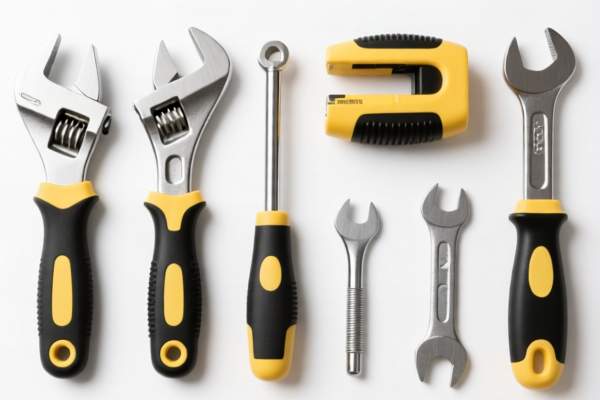
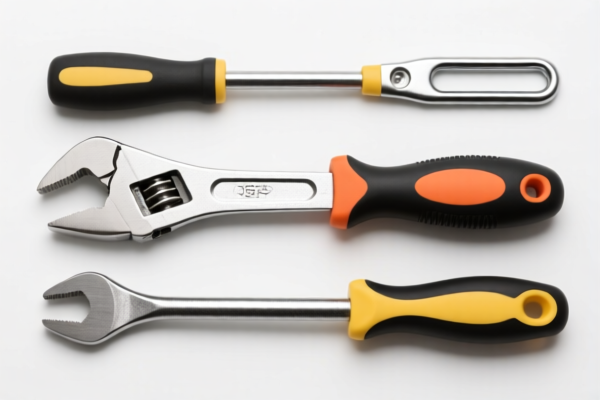
AI Analysis
🔧 Thread Repair Taps (Screw Thread Repair Taps)
🌐 HS Code Classification & Customs Clearance Guide | 2026 Latest Tariff Analysis | Pro-Level Import Strategy
📌 One, Product Definition & Classification: What Exactly Is a Thread Repair Tap?
A thread repair tap is a precision cutting tool used to restore damaged or worn screw threads in metal, plastic, or other materials. It is specifically designed for reconditioning existing threaded holes, especially in industrial machinery, automotive parts, and mechanical assemblies.
⚠️ Key Distinction:
- If it’s a cutting tool with sharp flutes and designed to remove material → Classified as a cutting tool
- If it's just a replacement threaded insert (e.g., helicoil) → Not a tap, but a different product
- If it’s handheld, used for manual threading, and made of high-strength steel → Falls under handheld tool components
📦 Two, HS Code Classification Details (2026 Updated Tariff Authority)
| HS Code | Product Description | Applicable Use Case | Material Assumption |
|---|---|---|---|
8467.99.01.90 |
Other thread-cutting tools, for hand use, made of high-strength steel | Used for repairing damaged threads manually in metal parts | ✅ High-strength steel (typical for repair taps) |
8205.10.00.00 |
Taps and dies for threading (including for pipe threads), made of metal | General-purpose threading tools, used in workshops and factories | ✅ Metallic construction |
8207.40.30.00 |
Other tools for cutting or forming threads, containing alloy elements (Cr, Mo, W) | High-performance taps for hard materials (e.g., stainless steel, titanium) | ✅ Alloy steel (Cr/Mo/W content) |
8207.40.60.00 |
Other thread-cutting tools not elsewhere specified | General-purpose or non-specialized thread tools | ✅ No material conflict |
8467.89.10.00 |
Other metalworking tools, cutting type, for metal processing | Broad category for cutting tools used in machining | ✅ Metal-based (common assumption) |
🔍 Critical Insight:
- Thread repair taps are NOT inserts or dies — they are cutting tools used to re-form threads. - Material matters: Taps with chromium, molybdenum, or tungsten are classified under higher-tier codes due to alloy content. - Handheld use is a key factor in determining8467.99.01.90vs.8205.10.00.00.
💰 Three, 2026 Latest Tariff Breakdown (Including附加 Taxes & Legal Basis)
✅ Applicable Country: United States (US)
✅ Origin: China (CN)
✅ Effective Date: November 10, 2025 (and onward)
🎯 1. 8467.99.01.90 — Thread Repair Taps (Handheld Cutting Tools)
| Item | Detail |
|---|---|
| Base Duty | 0.0% (ad valorem) |
| Section 301 Tariff (USITC) | +25.0% (from U.S. Trade Act Section 301) |
| Section 122 Tariff (IEEPA) | +10.0% (under International Emergency Economic Powers Act) |
| Total Effective Rate | 35.0% |
| Tax Calculation | CIF Value × 35.0% |
| De Minimis Exemption | ❌ Not applicable (denied under U.S. customs rules) |
| Legal Basis Path | IEEPA:9903.01.25 → IEEPA:9903.01.24 → USITC:8467.99.01.90 → FOOTNOTE:9903.88.01 |
📌 Explanation:
- This code applies to handheld, manual thread-cutting tools used for repairing existing threads. - Despite 0% base duty, 25% + 10% = 35% total due to U.S. national security and trade policy. - No de minimis relief — even small shipments face full tax.
🎯 2. 8205.10.00.00 — Taps for Threading (General Purpose)
| Item | Detail |
|---|---|
| Base Duty | 6.2% |
| Section 301 Tariff (USITC) | +25.0% |
| Section 122 Tariff (IEEPA) | +10.0% |
| Total Effective Rate | 41.2% |
| Tax Calculation | CIF Value × 41.2% |
| De Minimis Exemption | ❌ Not allowed |
| Legal Basis Path | IEEPA:9901.25 → IEEPA:9903.01.24 → USITC:8205.10.00.00 → FOOTNOTE:9903.88.01 |
📌 Note:
- This code applies to standard taps used in threading or tapping operations, including repair use. - Higher base duty (6.2%) makes it more expensive than8467.99.01.90. - No difference in function — only classification variation.
🎯 3. 8207.40.30.00 — Alloy-Enhanced Thread-Cutting Tools
| Item | Detail |
|---|---|
| Base Duty | 5.7% |
| Section 301 Tariff (USITC) | +25.0% |
| Section 122 Tariff (IEEPA) | +10.0% |
| Total Effective Rate | 40.7% |
| Tax Calculation | CIF Value × 40.7% |
| De Minimis Exemption | ❌ Not applicable |
| Legal Basis Path | IEEPA:9903.01.25 → IEEPA:9903.01.24 → USITC:8207.40.30.00 → FOOTNOTE:9903.88.01 |
📌 Why This Matters:
- Applies to high-alloy taps (containing Cr, Mo, W) used in hard metals. - Even if your tap is not high-alloy, if material is suspected, customs may apply this code. - Always confirm material composition to avoid overpayment.
🎯 4. 8207.40.60.00 — Other Thread-Cutting Tools (General)
| Item | Detail |
|---|---|
| Base Duty | 4.8% |
| Section 301 Tariff (USITC) | +25.0% |
| Section 122 Tariff (IEEPA) | +10.0% |
| Total Effective Rate | 39.8% |
| Tax Calculation | CIF Value × 39.8% |
| De Minimis Exemption | ❌ Not allowed |
| Legal Basis Path | IEEPA:9903.01.25 → IEEPA:9903.01.24 → USITC:8207.40.60.00 → FOOTNOTE:9903.88.01 |
📌 Use Case:
- For non-specialized, general-purpose thread-cutting tools. - No material conflict, so it’s a fallback code if alloy content is unclear.
🎯 5. 8467.89.10.00 — Other Metalworking Cutting Tools
| Item | Detail |
|---|---|
| Base Duty | 0.0% |
| Section 301 Tariff (USITC) | +7.5% |
| Section 122 Tariff (IEEPA) | +10.0% |
| Total Effective Rate | 17.5% |
| Tax Calculation | CIF Value × 17.5% |
| De Minimis Exemption | ✅ Yes (if value < $800) |
| Legal Basis Path | IEEPA:9903.01.25 → IEEPA:9903.01.24 → USITC:8467.89.10.00 → FOOTNOTE:9903.88.01 |
📌 Key Advantage:
- Lowest total rate (17.5%) among all options. - De minimis exemption applies — ideal for small shipments under $800. - But only if the tap is not classified as a hand tool (e.g., if it’s used in CNC machines, not handheld).⚠️ Risk: If customs determines it’s handheld, this code may be rejected.
🛠️ Four, Customs Clearance Best Practices (Pro Tips to Avoid Penalties)
✅ 1. Required Documentation (Must-Have Checklist)
| Document | Required? | Notes |
|---|---|---|
| ✅ Product Specification Sheet | ✔️ | Include material (e.g., HSS, M42), thread type, size, use case |
| ✅ Material Certificate (Chemical Analysis) | ✔️ | Prove alloy content (if applicable) |
| ✅ Product Photos (with branding, markings) | ✔️ | Show flutes, handle, thread profile |
| ✅ Third-Party Test Report | ✔️ | ISO 9001, RoHS, CE (if applicable) |
| ✅ Commercial Invoice | ✔️ | Clearly state: “Thread Repair Tap, Handheld, High-Strength Steel” |
| ✅ Certificate of Origin (CO) | ✔️ | Required for tariff eligibility |
| ✅ Packing List | ✔️ | Show quantity, weight, packaging type |
✅ 2.申报技巧 (Key Rules to Remember)
🔥 “Handheld = 35% | Alloy = 40.7% | No Handheld = 17.5% (with de minimis)”
| Scenario | Correct HS Code | Common Mistake |
|---|---|---|
| Handheld repair tap, high-strength steel | 8467.99.01.90 |
Misreported as 8205.10.00.00 → 41.2% |
| Tap with Cr/Mo/W alloy | 8207.40.30.00 |
Reported as 8207.40.60.00 → higher tax |
| Small batch (<$800), not handheld | 8467.89.10.00 |
Misclassified as 8467.99.01.90 → 35% vs 17.5% |
| Multiple taps in one box | 申报为整件 | Splitting → each item taxed at 35%+ → total >100% |
✅ 3. Special Cases & Solutions
| Situation | Recommended Action |
|---|---|
| OEM custom taps | Provide design drawings + order proof to avoid “non-standard” classification |
| Taps used in aerospace/military | Apply for “Special Use” exemption — may reduce or waive tariffs |
| Taps with embedded coating (TiN, DLC) | Declare coating type — may affect material classification |
| Recycled or refurbished taps | Must be declared as “used” — may trigger different rules |
🌍 Five, Global Customs Comparison (2026 Update)
| Country/Region | Recommended HS Code | Tariff Rate | Certification Required | Notes |
|---|---|---|---|---|
| 🇺🇸 USA | 8467.99.01.90 |
35.0% (China origin) | FCC, RoHS | 41.2% possible if misclassified |
| 🇨🇳 China | 8467.99.01.90 |
5% | CCC, RoHS | No extra tariffs |
| 🇪🇺 EU | 8207.40.30.00 |
0% (if CE compliant) | CE, RoHS | No IEEPA/301 tariffs |
| 🇦🇺 Australia | 8207.40.60.00 |
5% | RCM | No extra charges |
| 🇯🇵 Japan | 8207.40.60.00 |
0% | PSE | No additional duties |
📌 Takeaway:
- USA has the highest tariff burden for thread repair taps. - China-origin products face 35%–41.2% in the U.S. - Vietnam/Mexico/Malaysia may qualify for IEEPA exemption — consider shifting production.
📌 Six, Common Mistakes & How to Avoid Them (Real-World Risks)
❌ Mistake 1: Misclassifying a handheld repair tap as 8467.89.10.00
👉 Result: Tax jump from 17.5% to 35% — double the cost!
❌ Mistake 2: Splitting 10 taps into 10 separate shipments
👉 Result: Each faces 35% tax → total tax = 350% of value!
❌ Mistake 3: Not declaring alloy content
👉 Result: Customs may apply 8207.40.30.00 → 40.7% instead of 35%
❌ Mistake 4: Using vague name like “Thread Tool” or “Tap”
👉 Result: Customs may default to highest-risk code → 41.2%
✅ Correct Declaration Example:
“Thread Repair Tap, Handheld, High-Speed Steel (HSS), M6×1.0, for Metal Repair, 10 pcs, Model XYZ, RoHS Certified, Made in China”
🎯 Seven, Final Verdict: Smart Classification = Big Savings
🎯 Remember the Golden Rules:
🔹 Handheld + Steel →
8467.99.01.90→ 35%
🔹 Alloy Content →8207.40.30.00→ 40.7%
🔹 Not Handheld + Small Shipment →8467.89.10.00→ 17.5% (with $800 de minimis!)
🔹 Never split shipments — tax multiplies!
📌 Pro Tip:
📞 Apply for an Advance Ruling (Pre-Clearance) before shipping to lock in the correct HS Code and avoid surprise taxes.
📣 Act Now!
🚀 Contact a U.S. Customs Broker + Submit Product Photos + Request HS Code Pre-Ruling
💼 Save thousands in tariffs — your next shipment could be 35% cheaper!
✨ Precision Classification, Peace of Mind, Profit Protection!
💼 Your thread repair taps deserve the right code — not a guess!
Customer Reviews
About HS Code Classification
The Harmonized System (HS) is an internationally standardized nomenclature developed by the World Customs Organization (WCO) to classify traded products. Over 200 countries use the HS system as the basis for customs tariffs, trade statistics, and import/export regulations.
Each HS code follows a hierarchical structure:
- Chapter (2 digits) — Broad category of goods (e.g., Chapter 84: Machinery and Mechanical Appliances)
- Heading (4 digits) — More specific grouping within the chapter
- Subheading (6 digits) — Internationally standardized breakdown, used by all WCO member countries
- National subdivisions (8-10 digits) — Country-specific extensions for further classification, such as US HTSUS 10-digit codes
Correct HS code classification is essential for smooth customs clearance, accurate duty payment, and compliance with trade regulations. Misclassification can lead to customs delays, overpayment of duties, or penalties.
When importing from CN to US, the applicable tariff rates may include:
- Most-Favored-Nation (MFN) rate — The standard duty rate applied to WTO members
- General rate — Applied to countries without trade agreements
- Trade remedy duties — Additional tariffs such as Section 301 (anti-dumping), Section 232 (national security), or countervailing duties
The information provided on this page is for reference purposes only. For official classification, please consult with your local customs authority or a licensed customs broker.