被套
CN → US| HS Code | Tariff Rate | Origin | Destination | Doc |
|---|---|---|---|---|
| 6304111000 | 22.0% | CN | US | Official Doc |
| 6304191000 | 21.9% | CN | US | Official Doc |
| 6302390030 | 21.8% | CN | US | Official Doc |
| 6302322060 | 21.4% | CN | US | Official Doc |
Product Images
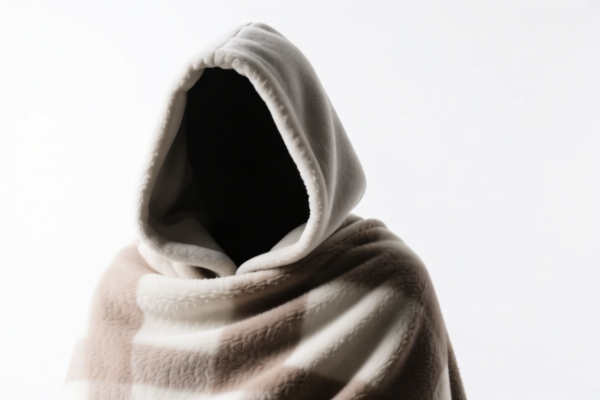
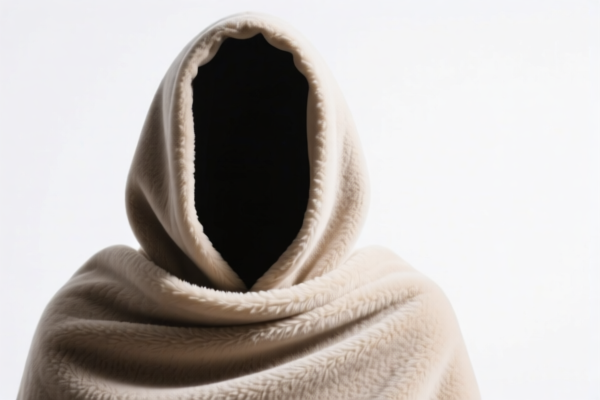
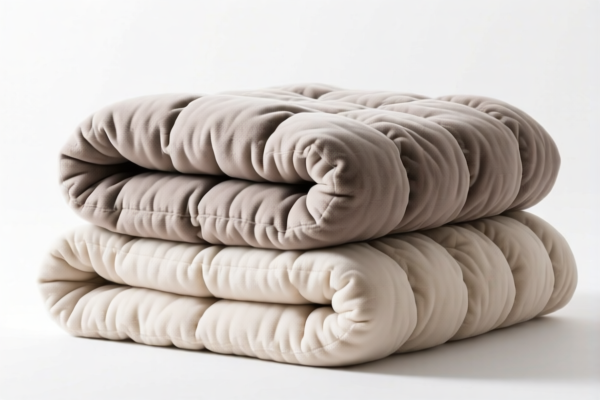
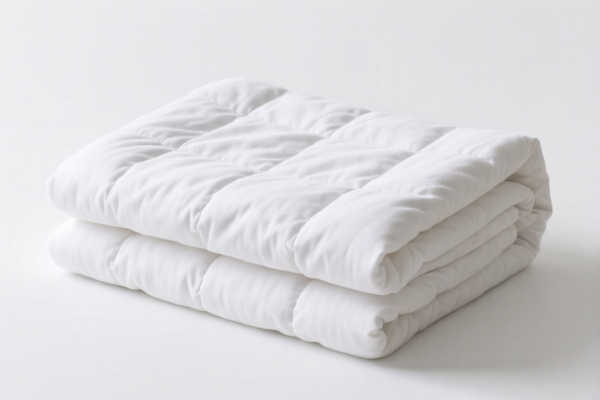
AI Analysis
🛏️ Bedding Cover (Bedspread or Duvet Cover)
🌐 HS Code Classification & Duty Guide | 2026 Latest Tariff Breakdown | Proven Customs Clearance Strategy
📌 One, Product Definition & Classification: What Exactly Is a “Bedding Cover”?
A bedding cover — commonly known as a duvet cover — is a protective and decorative outer layer for a duvet or comforter. In international trade, it falls under the broader category of bed linen and household textile products. It is not a mattress cover or a blanket, but specifically designed to encase a duvet, often with features like zippers, buttons, or ties for secure fit.
⚠️ Critical Distinction:
- If it's just a fabric cover for a duvet, used for protection and aesthetics → Classified as a bedding cover
- If it's a full bed set including mattress pad, sheets, and pillowcases → May be classified differently
- If it's used for industrial or technical purposes (e.g., insulation, padding) → Not eligible for this category
📦 Two, HS Code Classification Details (2026 Official Tariff Reference)
| HS Code | Product Description | Material Inference | Key Use Case |
|---|---|---|---|
6304.19.10.00 |
Bedding covers (duvet covers), made of cotton | Cotton | Home use, bedding sets, luxury linens |
6302.39.00.30 |
Other bed linen, including covers, made of textile materials | Textile (likely cotton or blend) | General household bedding, non-cotton materials |
6302.32.20.60 |
Bedding covers, made of man-made fibers or cotton | Synthetic (e.g., polyester) or cotton | Budget-friendly, durable, mass-market |
6304.11.10.00 |
Bedding covers, made of cotton or cotton blends | Cotton or cotton-mix fibers | Premium cotton bedding, high-end home textiles |
🔍 Key Insight:
- All four codes are specifically for bedding covers — not blankets, not quilts, not mattress protectors
- The material type (cotton vs. man-made fiber) is the main differentiator
- Cotton-based covers attract higher base tariffs but may qualify for lower overall duty under certain trade agreements
💰 Three, 2026 Latest Duty Breakdown (With Detailed Tax Clauses)
✅ Applicable Country: United States (US)
✅ Origin: China (CN)
✅ Effective Date: November 10, 2025 (inclusive of future imports)
🎯 1. 6304.19.10.00 — Cotton Bedding Covers
| Item | Detail |
|---|---|
| Base Tariff | 4.4% (ad valorem) |
| Additional Tariff (Section 301) | +7.5% (from U.S. Trade Act Section 301) |
| Section 122 Tariff (IEEPA) | +10% (under International Emergency Economic Powers Act) |
| Total Duty Rate | 21.9% |
| Tax Calculation | CIF Value × 21.9% |
| De Minimis Exemption? | ❌ Not applicable (denied under U.S. customs policy) |
| Legal Basis Path | IEEPA:9903.01.25 → Section 301:9903.88.01 → HS:6304.19.10.00 |
📌 Explanation:
- 4.4% base = standard tariff for cotton bedding
- +7.5% Section 301 = punitive tariff on Chinese goods under U.S. trade law
- +10% Section 122 (IEEPA) = emergency-level tariff for goods from China, triggered by national security concerns
- Total = 21.9% → High but not the highest in the list
🎯 2. 6302.39.00.30 — Other Bedding Covers (Textile Material)
| Item | Detail |
|---|---|
| Base Tariff | 4.3% |
| Additional Tariff (Section 301) | +7.5% |
| Section 122 Tariff (IEEPA) | +10% |
| Total Duty Rate | 21.8% |
| Tax Calculation | CIF × 21.8% |
| De Minimis Exemption? | ❌ Not allowed |
| Legal Basis Path | IEEPA:9903.01.25 → Section 301:9903.88.01 → HS:6302.39.00.30 |
📌 Note:
- Slightly lower than6304.19.10.00due to lower base tariff (4.3% vs 4.4%)
- Applies to non-cotton textile covers — could include blends or synthetic fabrics
- Still subject to full 17.5% extra from Section 301 + IEEPA
🎯 3. 6302.32.20.60 — Bedding Covers (Man-Made Fiber or Cotton)
| Item | Detail |
|---|---|
| Base Tariff | 11.4% |
| Additional Tariff (Section 301) | 0.0% (no additional duty) |
| Section 122 Tariff (IEEPA) | +10% |
| Total Duty Rate | 21.4% |
| Tax Calculation | CIF × 21.4% |
| De Minimis Exemption? | ❌ Not applicable |
| Legal Basis Path | IEEPA:9903.01.25 → HS:6302.32.20.60 |
📌 Key Insight:
- Higher base tariff (11.4%), but no Section 301 add-on
- IEEPA 10% still applies
- Best for synthetic/fiber-based covers — avoids Section 301 penalties
- Slightly lower total duty (21.4%) than cotton-based options
🎯 4. 6304.11.10.00 — Cotton or Cotton Blend Bedding Covers
| Item | Detail |
|---|---|
| Base Tariff | 12.0% |
| Additional Tariff (Section 301) | 0.0% |
| Section 122 Tariff (IEEPA) | +10% |
| Total Duty Rate | 22.0% |
| Tax Calculation | CIF × 22.0% |
| De Minimis Exemption? | ❌ Not allowed |
| Legal Basis Path | IEEPA:9903.01.25 → HS:6304.11.10.00 |
📌 Important:
- Highest total rate (22.0%) due to 12% base tariff
- No Section 301 surcharge, but still 10% IEEPA
- Applies to cotton or cotton-blend covers — common in premium markets
- Avoid if possible unless you’re targeting high-end U.S. consumers
🛠️ Four, Customs Clearance Best Practices (Real-World Pro Tips)
✅ 1. Required Documentation (Must-Have Checklist)
| Document | Required? | Why It Matters |
|---|---|---|
| ✅ Commercial Invoice | ✔️ | Must clearly state “Bedding Cover, Duvet Cover, Cotton/Man-Made Fiber” |
| ✅ Packing List | ✔️ | Show quantity, weight, packaging type |
| ✅ Product Photos (with label) | ✔️ | Prove material, design, and use |
| ✅ Material Test Report | ✔️ | Confirm cotton vs. synthetic content |
| ✅ Certificate of Origin (CO) | ✔️ | Critical for tariff eligibility |
| ✅ HS Code Pre-Ruling (if large shipment) | ✔️ | Avoid disputes and delays |
✅ 2.申报技巧 (申报口诀)
🔥 “材质定税,棉高非棉低,拆分必罚,申报要准!”
| Scenario | Correct HS Code | Wrong Practice | Risk |
|---|---|---|---|
| Cotton cover | 6304.19.10.00 or 6304.11.10.00 |
Misreport as 6302.32.20.60 |
Higher tax, penalties |
| Synthetic cover | 6302.32.20.60 |
Report as cotton | Overpayment, audit risk |
| Mixed fabric | Use material test report to confirm | Guess based on appearance | Severe penalties |
| Bulk shipment | Apply for HS Code Pre-Ruling | Submit without verification | Delayed release, fines |
✅ 3. Special Cases Handling
| Situation | Recommended Action |
|---|---|
| Custom-designed duvet covers | Provide design sketches + material specs |
| Eco-friendly or organic cotton | Submit certification (GOTS, OEKO-TEX) for potential duty review |
| Duty-free under U.S.-China Phase 1 Agreement? | ❌ No — this category is not covered by Phase 1 exemptions |
| Shipped from Vietnam/Mexico/Thailand | Apply for IEEPA exemption — possible 0% duty if origin is non-China |
🌍 Five, Global Market Duty Comparison (2026)
| Country/Region | Recommended HS Code | Base Duty | Additional Taxes | Notes |
|---|---|---|---|---|
| 🇺🇸 United States | 6304.19.10.00 |
4.4% | +17.5% (301 + IEEPA) | Total: 21.9% |
| 🇨🇳 China | 6304.19.10.00 |
5% | None | No extra tariffs |
| 🇪🇺 EU | 6304.19.10.00 |
0% (if CE) | None | No extra duties |
| 🇦🇺 Australia | 6304.19.10.00 |
5% | None | No additional tariffs |
| 🇯🇵 Japan | 6304.19.10.00 |
0% | None | No extra taxes |
📌 Takeaway:
- U.S. is the only market with high附加 taxes on bedding covers
- China-origin goods face 21.4%–22.0% total duty
- Switching origin to Vietnam/Mexico can cut duty to 0%
📌 Six, Common Mistakes & How to Avoid Them (Real-World Lessons)
❌ Mistake 1: Misclassifying a cotton cover as synthetic to avoid 301 tariff
👉 Result: Severe penalties, audit, possible seizure
❌ Mistake 2: Not declaring material type in invoice
👉 Result: Customs delays, request for additional info, possible rejection
❌ Mistake 3: Using “bed cover” instead of “bedding cover” in申报
👉 Result: Wrong HS Code assigned → higher duty
❌ Mistake 4: Shipment split into multiple packages to bypass de minimis
👉 Result: All packages taxed at 21.9%+ — no benefit
✅ Best Practice:
Use precise language in commercial invoice:
“Duvet Cover, 100% Cotton, 200x230 cm, Zipped Closure, for Home Use, HS Code 6304.19.10.00”
🎯 Seven, Conclusion: Precision Pays Off!
🎯 Remember the Golden Rule:
🔹 “Material determines code, code determines duty, duty determines profit!”
🔹 “One wrong HS Code = 22% extra cost = lost margins!”
📌 Pro Tip:
If your bedding covers are produced in Vietnam, Mexico, or Thailand, you may qualify for IEEPA exemption — 0% duty in the U.S.
👉 Apply for a Certificate of Origin (CO) and request HS Code pre-ruling before shipment.
📣 Act Now!
📞 Contact a licensed customs broker + Submit product photos + Request HS Code pre-ruling
🚀 Get your bedding covers cleared fast, legally, and at the lowest possible duty
✨ Smart Customs, Smarter Trade!
💼 Your next shipment starts with the right HS Code!
Customer Reviews
About HS Code Classification
The Harmonized System (HS) is an internationally standardized nomenclature developed by the World Customs Organization (WCO) to classify traded products. Over 200 countries use the HS system as the basis for customs tariffs, trade statistics, and import/export regulations.
Each HS code follows a hierarchical structure:
- Chapter (2 digits) — Broad category of goods (e.g., Chapter 84: Machinery and Mechanical Appliances)
- Heading (4 digits) — More specific grouping within the chapter
- Subheading (6 digits) — Internationally standardized breakdown, used by all WCO member countries
- National subdivisions (8-10 digits) — Country-specific extensions for further classification, such as US HTSUS 10-digit codes
Correct HS code classification is essential for smooth customs clearance, accurate duty payment, and compliance with trade regulations. Misclassification can lead to customs delays, overpayment of duties, or penalties.
When importing from CN to US, the applicable tariff rates may include:
- Most-Favored-Nation (MFN) rate — The standard duty rate applied to WTO members
- General rate — Applied to countries without trade agreements
- Trade remedy duties — Additional tariffs such as Section 301 (anti-dumping), Section 232 (national security), or countervailing duties
The information provided on this page is for reference purposes only. For official classification, please consult with your local customs authority or a licensed customs broker.