装饰摆件
CN → US| HS Code | Tariff Rate | Origin | Destination | Doc |
|---|---|---|---|---|
| 6913105000 | 17.5% | CN | US | Official Doc |
| 6913905000 | 23.5% | CN | US | Official Doc |
| 4420190000 | 13.2% | CN | US | Official Doc |
| 4420908000 | 38.2% | CN | US | Official Doc |
| 7018905000 | 41.6% | CN | US | Official Doc |
| 7018901000 | 20.7% | CN | US | Official Doc |
Product Images
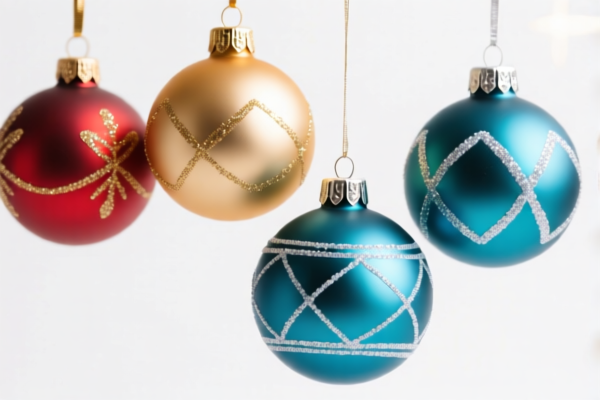



AI Analysis
🏺 Decorative Ornaments & Figurines (Decorative Articles)
🌐 HS Code Reference & Customs Clearance Guide | 2026 Latest Tariff Full Analysis | Professional Clearance Strategy
📌 I. Product Definition & Classification: Do You Really Understand "Decorative Ornaments"?
Decorative ornaments is a broad category in international trade, primarily encompassing non-functional items used to beautify homes, offices, or gardens. The classification depends strictly on the material (Ceramic, Wood, Glass, etc.) and the form (Statues, general articles). In 2026, under US import rules, these items face varying levels of "Section 301" and "Section 122" tariffs depending on their composition.
Key Distinction Points: * Ceramic Items: Must be non-functional (e.g., not tableware/cups). If it holds food, it’s Chapter 69.04/69.05/69.11/69.12. If purely decorative (statues, plaques), it’s Chapter 69.13. * Wooden Items: Must be finished articles of wood, not raw lumber or simple joinery. Chapter 44.20 covers "Articles of wood... for decoration." * Glass Items: If made by glass-blowing/lamp-working (artistic shapes), it falls under Chapter 70.18.
⚠️ Critical Note for 2026:
- High Tariff Alert: Many decorative items from China are subject to a base tariff + 25% (Section 301) + 10% (Section 122/New Measures).
- Material Matters: Wood and Glass often face higher combined rates than basic ceramics due to specific trade restrictions.
📦 II. HS Code Classification Details (2026 Latest Tariff Authority Comparison)
| HS Code | Product Description | Material/Form | Matching Scenario | Total Tax Rate* |
|---|---|---|---|---|
6913.10.50.00 |
Ceramic Decorative Articles | Ceramic | Purely decorative ceramic statues, vases, or plaques (not tableware). | 17.5% |
6913.90.50.00 |
Other Ceramic Decorative Articles | Ceramic | Other ceramic decorations not elsewhere specified; matches form/function. | 23.5% |
4420.90.80.00 |
Wooden Decorative Articles | Wood | Inferred as wooden based on common sense; general wooden decor items. | 38.2% |
4420.19.00.00 |
Other Wooden Decorative Articles | Wood | Consistent with usage; no material conflict. Specific subset of wood decor. | 13.2% |
7018.90.50.00 |
Lampwork Glass Statues/Ornaments | Glass | Glass made by lamp-working (artisanal shaping); small statues/decor. | 41.6% |
🔍 Key Insight:
- Ceramics (6913) are generally the most tax-efficient among these options (17.5%-23.5%).
- Wood (4420) varies wildly:4420.19.00.00is surprisingly low (13.2%) due to different trade dynamics, while4420.90.80.00is high (38.2%).
- Glass (7018) is the most expensive (41.6%) due to the complex manufacturing process classification and high附加 tariffs.*Total Tax Rate includes Base Duty + Section 301 (25% if applicable) + Section 122 (10% or 7.5%) as per the provided data.
💰 III. 2026 Latest Tariff Rate Details (Including Surcharges & Policy Add-ons)
✅ Applicable Country: United States (US)
✅ Origin: China (CN) (Implied by Section 301 & 122 references)
✅ Effective Time: 2025-2026 Period
🎯 1. 6913.10.50.00 – Ceramic Decorative Articles
| Item | Content |
|---|---|
| Base Duty | 0.0% |
| Section 301 Surcharge | +7.5% (Note: Data indicates 7.5% here, likely specific sub-heading adjustment) |
| Section 122 Surcharge | +10% |
| Total Rate | 17.5% |
| Calculation | CIF Value × 17.5% |
| De Minimis Exemption | ❌ No (Section 122/301 goods generally excluded from de minimis) |
| Legal Basis | USITC 6913.10.50.00 + IEEPA/USMCA Footnotes |
📌 Explanation:
- This is the most favorable ceramic category due to the 0% base duty.
- The 17.5% total is significantly lower than the wood or glass counterparts.
- Ensure the item is strictly non-functional to avoid misclassification into higher-tariff tableware codes.
🎯 2. 6913.90.50.00 – Other Ceramic Decorative Articles
| Item | Content |
|---|---|
| Base Duty | 6.0% |
| Section 301 Surcharge | +7.5% |
| Section 122 Surcharge | +10% |
| Total Rate | 23.5% |
| Calculation | CIF Value × 23.5% |
| De Minimis Exemption | ❌ No |
| Legal Basis | USITC 6913.90.50.00 |
📌 Explanation:
- Higher base duty (6%) makes this category more expensive than6913.10.50.00.
- Use this only if the ceramic item does not fit the specific description of6913.10.50.00(e.g., different material composition or form factor).
🎯 3. 4420.90.80.00 – Wooden Decorative Articles (General)
| Item | Content |
|---|---|
| Base Duty | 3.2% |
| Section 301 Surcharge | +25.0% (High!) |
| Section 122 Surcharge | +10% |
| Total Rate | 38.2% |
| Calculation | CIF Value × 38.2% |
| De Minimis Exemption | ❌ No |
| Legal Basis | USITC 4420.90.80.00 + Section 301 Footnote 9903.88.01 |
📌 Explanation:
- The 25% Section 301 tariff applies heavily here.
- Despite a low base duty, the total cost is prohibitive for high-value wood decor.
- Risk: High volume of wood items are targeted for trade restrictions.
🎯 4. 4420.19.00.00 – Other Wooden Decorative Articles (Specific)
| Item | Content |
|---|---|
| Base Duty | 3.2% |
| Section 301 Surcharge | 0.0% (Exempt or Lower Rate) |
| Section 122 Surcharge | +10% |
| Total Rate | 13.2% |
| Calculation | CIF Value × 13.2% |
| De Minimis Exemption | ❌ No (Check specific exemption status) |
| Legal Basis | USITC 4420.19.00.00 |
📌 Explanation:
- Surprisingly Low Cost! This is the cheapest wood option.
- It avoids the 25% Section 301 surcharge (likely due to specific subheading exclusion or negotiation status).
- Strategy: If your wooden item fits this description, prioritize this HS code to save ~25% in duties.
🎯 5. 7018.90.50.00 – Lampwork Glass Statues/Ornaments
| Item | Content |
|---|---|
| Base Duty | 6.6% |
| Section 301 Surcharge | +25.0% |
| Section 122 Surcharge | +10% |
| Total Rate | 41.6% |
| Calculation | CIF Value × 41.6% |
| De Minimis Exemption | ❌ No |
| Legal Basis | USITC 7018.90.50.00 |
📌 Explanation:
- Highest Tax Rate among the provided options.
- Lampwork glass is considered a specialized craft, attracting the full Section 301 + Section 122 burden.
- Advice: Avoid importing high-value glass ornaments from China unless priced high enough to absorb 41.6% cost.
🛠️ IV. Customs Clearance Practical Advice (Real-World Pitfall Guide)
✅ 1. Documentation Checklist (Non-Negotiable)
| Document | Required | Description |
|---|---|---|
| ✅ Product Specifications | ✔️ | Material composition (e.g., "Stoneware," "Oak Wood," "Borosilicate Glass"), dimensions, weight. |
| ✅ Function Statement | ✔️ | Explicitly state: "Decorative Use Only – Not for Tableware or Food Contact." |
| ✅ Product Photos | ✔️ | Clear images of the item, packaging, and any markings. Distinguish between "statue" and "vase." |
| ✅ Commercial Invoice | ✔️ | Must match HS Code description exactly. Use terms like "Ceramic Decorative Statue." |
| ✅ Material Declaration | ✔️ | Critical for Wood (fumigation certificate may be needed if solid wood) and Glass. |
✅ 2. Classification Strategy (Key Mnemonics)
🔥 “Material First, Function Second, Tax Saved!”
| Scenario | Correct HS Code | Reason |
|---|---|---|
| Ceramic Statue (Non-functional) | 6913.10.50.00 |
Lowest ceramic tax (17.5%). |
| Wooden Decor (Check Subheading) | 4420.19.00.00 |
If it fits, tax is only 13.2%! |
| Wooden Decor (General) | 4420.90.80.00 |
If it doesn't fit 19.00, tax jumps to 38.2%. |
| Glass Art Statue | 7018.90.50.00 |
Only option for lampwork glass; high tax expected. |
| Mistake | Misclassifying Wood as Ceramic | Result: Audit, back taxes, penalties. |
✅ 3. Special Situation Handling
| Situation | Handling Advice |
|---|---|
| Mixed Material Ornaments (e.g., Wood base + Ceramic top) | Declare based on essential character. Usually, the main decorative material dictates the chapter. Consult a customs broker. |
| Packaging Included | Declare items separately. Packaging (cardboard/plastic) has different HS codes and lower/no duties. Do not lump them into the ornament's HS code. |
| Section 122 Applicability | Ensure the importer of record is aware of the 10% Section 122 surcharge. It applies to many Chinese goods regardless of Section 301 status. |
| De Minimis (800 USD) | Do not rely on this. Section 301 and Section 122 goods are often excluded from the de minimis exemption. Plan for full duty payment. |
🌍 V. Global Market Clearance Comparison (2026 Latest)
| Country/Region | Recommended HS Code (Example) | Estimated Total Duty (China Origin) | Certification Requirements | Notes |
|---|---|---|---|---|
| 🇺🇸 USA | 6913.10.50.00 (Ceramic) |
17.5% | None specific, but FDA may inspect if food-contact claimed. | High scrutiny on Section 301/122. |
| 🇺🇸 USA | 4420.90.80.00 (Wood) |
38.2% | Fumigation Certificate (ISPM 15) for solid wood. | Wood is heavily taxed. |
| 🇨🇳 China | 6913.10.50.00 |
10-15% (Import Duty) | N/A | Export from China; no Section 301. |
| 🇪🇺 EU | 6913.10.00 |
6.0% | CE (if applicable), REACH (chemicals in paint). | No Section 301/122. Lower taxes. |
| 🇬🇧 UK | 6913.10.00 |
6.0% | UKCA Mark (if applicable). | Post-Brexit rules apply. |
📌 Conclusion:
- US Market: Highly complex due to additional tariffs. Ceramics (6913) and Specific Wood (4420.19) are the most cost-effective.
- EU/UK Market: Simpler, lower base tariffs, but strict on chemical safety (paints/glues in ornaments).
📌 VI. Common Errors & Pitfall Guide (Blood & Tears Lessons)
❌ Error 1: Declaring a Wooden statue as Ceramic to avoid Section 301.
👉 Consequence: Customs audit, confiscation, heavy fines, and loss of credibility.
❌ Error 2: Ignoring Section 122 (10% surcharge).
👉 Consequence: Unexpected cost increase. Section 122 applies to many goods from China, even if Section 301 doesn't.
❌ Error 3: Assuming De Minimis ($800) applies.
👉 Consequence: Shipment held at border. Section 301/122 goods are often ineligible for de minimis.
❌ Error 4: Missing Wood Fumigation (for 4420 codes).
👉 Consequence: Rejected entry, destruction of goods, or re-export at importer's expense.
✅ Correct Approach:
"Declare Material Accurately, Separate Packaging, Budget for Section 301/122."
🎯 VII. Conclusion: Professional Classification Saves Money!
🎯 Remember the Mnemonic:
🔹 "Ceramic is King (17.5%), Wood is Wild (13.2%-38.2%), Glass is Expensive (41.6%).”
🔹 “Check the Subheading for Wood –19.00is the Golden Ticket!”
🔹 “Packaging is Separate – Don’t Pay Tax on Cardboard!”
📌 Pro Tip:
- For Wooden Items, aggressively verify if 4420.19.00.00 applies. The 25% tariff savings are massive.
- For Ceramics, ensure your product description explicitly states "Non-functional, Decorative Use" to support 6913.10.50.00.
- Always consult a licensed customs broker for Pre-Rulings before shipping high-volume decorative goods to the US.
📣 Action Item:
📞 Contact Your Customs Broker
📄 Provide Product Photos & Material Specs
🚀 Optimize HS Code Selection to Minimize Duty
✨ Professional Clearance Starts with Precise Classification!
💼 Every Percent of Duty Saved is Pure Profit!
Customer Reviews
About HS Code Classification
The Harmonized System (HS) is an internationally standardized nomenclature developed by the World Customs Organization (WCO) to classify traded products. Over 200 countries use the HS system as the basis for customs tariffs, trade statistics, and import/export regulations.
Each HS code follows a hierarchical structure:
- Chapter (2 digits) — Broad category of goods (e.g., Chapter 84: Machinery and Mechanical Appliances)
- Heading (4 digits) — More specific grouping within the chapter
- Subheading (6 digits) — Internationally standardized breakdown, used by all WCO member countries
- National subdivisions (8-10 digits) — Country-specific extensions for further classification, such as US HTSUS 10-digit codes
Correct HS code classification is essential for smooth customs clearance, accurate duty payment, and compliance with trade regulations. Misclassification can lead to customs delays, overpayment of duties, or penalties.
When importing from CN to US, the applicable tariff rates may include:
- Most-Favored-Nation (MFN) rate — The standard duty rate applied to WTO members
- General rate — Applied to countries without trade agreements
- Trade remedy duties — Additional tariffs such as Section 301 (anti-dumping), Section 232 (national security), or countervailing duties
The information provided on this page is for reference purposes only. For official classification, please consult with your local customs authority or a licensed customs broker.