西装
CN → US| HS Code | Tariff Rate | Origin | Destination | Doc |
|---|---|---|---|---|
| 6203119000 | 35.0% | CN | US | Official Doc |
| 6203122010 | 44.8% | CN | US | Official Doc |
| 6103103000 | 45.7% | CN | US | Official Doc |
Product Images
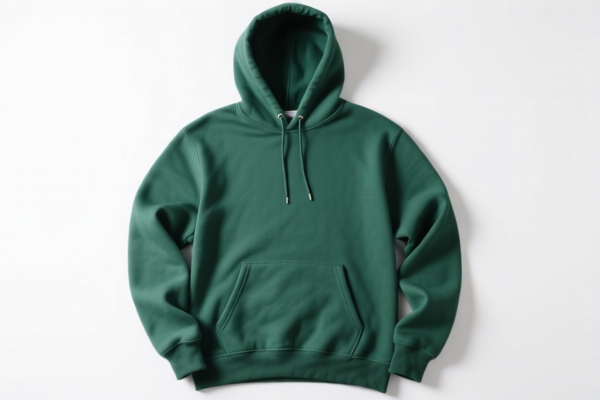
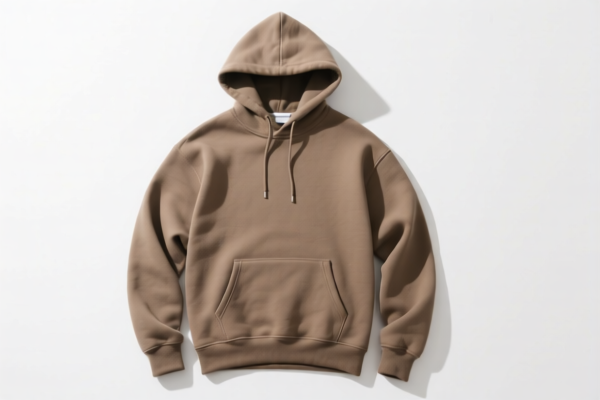
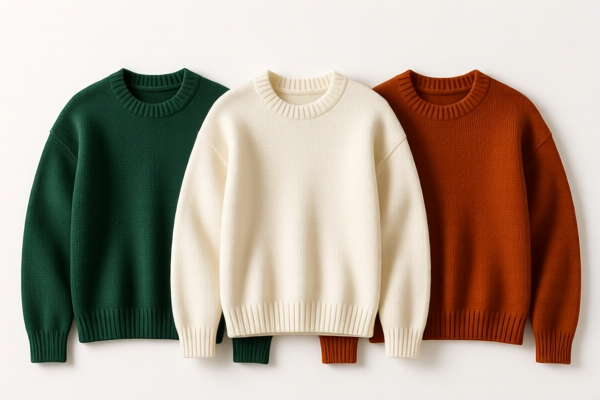

AI Analysis
🧥 Suit (Men's/Women's Suits)
🌐 HS Code Reference & Customs Clearance Guide | 2026 Tariff Analysis | Professional Entry Strategy
📌 I. Product Definition & Classification: Do You Really Understand "Suits"?
A Suit is a formal ensemble consisting of a jacket and matching trousers (or skirt), designed for professional, ceremonial, or business use. In international trade, classification depends heavily on material composition (wool, synthetic, etc.) and form (sets vs. separates).
⚠️ Critical Distinction:
- Wool/Synthetic Blends vs. Pure Synthetics: The tax rate fluctuates significantly based on fiber content.
- "Sets" vs. "Separates": A suit classified as a "set" often carries different duties than a jacket and pants imported separately.
- Gender: While not explicitly separated in this dataset, the HS codes imply distinct categories for men's vs. women's wear.
📦 II. HS Code Classification Breakdown (2026 Tariff Reference)
Based on the provided data, the following HS codes cover Suits with varying material assumptions and tax implications.
| HS Code | Product Description | Inferred Material/Category | Total Tax Rate |
|---|---|---|---|
6203.11.90.00 |
Suits (Men's), Shape & Use Match | Inferred Other (Not specified in data) | 35.0% |
6203.12.20.10 |
Suits (Men's), Within "Sets" Category | Synthetic Fibers or Others (No material conflict) | 44.8% |
6103.10.30.00 |
Suits (Men's), Shape & Use Match | Synthetic Fibers (Inferred from similar categories) | 45.7% |
🔍 Key Insight:
- Code6203.11.90.00: Likely a generic "Other" category for wool or mixed suits, but without material specifics, it defaults to a base tax structure.
- Code6203.12.20.10: Specifically targets Synthetic Fiber suits. The higher tax (44.8%) suggests stricter penalties for non-natural fibers.
- Code6103.10.30.00: Falls under Knitted suits (implied by "61" series), also inferred as synthetic. This attracts the highest tax (45.7%).
- Note: All data indicates these are Men's Suits (HS Code starts with 6203/6103). Women's suits typically fall under 6204/6104.
💰 III. 2026 Tariff Rate Breakdown (Detailed Tax Analysis)
✅ Applicable Country: USA (US)
✅ Origin: China (CN)
✅ Effective Time: Current (2025-2026 context)
🎯 1. 6203.11.90.00 —— Men's Suits (Other)
| Item | Content |
|---|---|
| Base Tariff | 17.5% (Ad Valorem) |
| Section 301 (Additional) | +7.5% |
| Section 122 (Trade Act) | +10% |
| Total Tax Rate | 35.0% |
| Tax Calculation | CIF Value × 35.0% |
| De Minimis Exemption | ❌ No (Subject to high tariffs) |
📌 Explanation:
- Base (17.5%): Standard Most Favored Nation (MFN) rate for wool/mixed suits.
- Section 301 (+7.5%): Additional tariff for Chinese goods under U.S. Trade Act Section 301.
- Section 122 (+10%): Specific tariff imposed under Section 122 for national security or economic reasons.
- Total: 35.0%. This is a significant cost increase, often making US entry for generic suits less profitable.
🎯 2. 6203.12.20.10 —— Men's Suits (Synthetic/Other)
| Item | Content |
|---|---|
| Base Tariff | 27.3% (Ad Valorem) |
| Section 301 (Additional) | +7.5% |
| Section 122 (Trade Act) | +10% |
| Total Tax Rate | 44.8% |
| Tax Calculation | CIF Value × 44.8% |
| De Minimis Exemption | ❌ No |
📌 Explanation:
- Base (27.3%): Higher base rate specifically for Synthetic Fiber suits, reflecting protectionist policies for domestic textile industries.
- Section 301 (+7.5%): Standard Section 301 surcharge.
- Section 122 (+10%): Additional Section 122 duty.
- Total: 44.8%. Synthetic suits face the harshest base rates, making them very expensive to import.
🎯 3. 6103.10.30.00 —— Men's Knitted Suits (Synthetic)
| Item | Content |
|---|---|
| Base Tariff | 28.2% (Ad Valorem) |
| Section 301 (Additional) | +7.5% |
| Section 122 (Trade Act) | +10% |
| Total Tax Rate | 45.7% |
| Tax Calculation | CIF Value × 45.7% |
| De Minimis Exemption | ❌ No |
📌 Explanation:
- Base (28.2%): Highest base rate for Knitted synthetic suits (HS 6103 series). Knitted garments often face different tariff structures than woven ones.
- Section 301 (+7.5%) & Section 122 (+10%): Apply as standard surcharges.
- Total: 45.7%. This is the most expensive classification for suits in this dataset, likely due to the combination of "Knitted" + "Synthetic" + "China Origin".
🛠️ IV. Customs Clearance Practical Advice (Pitfall Avoidance)
✅ 1. Documentation Checklist (Mandatory)
| Document | Requirement | Notes |
|---|---|---|
| Commercial Invoice | ✅ | Must clearly state "Men's Suit", Material % (e.g., 100% Polyester), and HS Code. |
| Packing List | ✅ | Must indicate "Sets" (Jacket + Trousers) if claiming 6203.12.20.10. |
| Material Certificate | ✅ | CRITICAL: Proof of fiber content (Wool vs. Synthetic) to avoid re-classification. |
| Product Photos | ✅ | Show weave/knit texture to distinguish between 6203 (Woven) and 6103 (Knitted). |
| Origin Declaration | ✅ | Explicitly state "Made in China" to prevent origin fraud claims. |
✅ 2. Classification Strategy (Key Rules)
🔥 Rule of Thumb: "Material is King, Knit vs. Woven is Queen!"
| Scenario | Correct Classification | Risk if Wrong |
|---|---|---|
| Wool/Mixed Suit (Woven) | 6203.11.90.00 |
Risk of being re-classified as Synthetic → 44.8% Tax |
| 100% Polyester Suit (Woven) | 6203.12.20.10 |
Risk of being re-classified as Knitted → 45.7% Tax |
| Knitted Suit (Synthetic) | 6103.10.30.00 |
Highest Risk: 45.7% Tax. Must prove it is knitted, not woven. |
| Jacket + Pants Separately | 6203.11.90.00 (Jacket) + 6203.12.20.10 (Pants) |
Avoid: "Sets" usually get better tax treatment if bundled correctly. |
✅ 3. Special Scenarios & Solutions
| Scenario | Advice |
|---|---|
| "Material Unknown" on Invoice | ❌ DO NOT SHIP: US Customs will re-classify based on the worst-case (Synthetic/Knitted) → 45.7%. |
| Sample Suits (No Sale) | Still subject to tax if value > $800 (De Minimis applies only to < $800). |
| OEM/Custom Suits | Provide client design specs to prove "Unique Design" if applicable, but tax rates remain high for China origin. |
| Mixed Material Suits | If Wool + Synthetic, the rule of substantial transformation applies. Usually taxed as Synthetic if >50%. |
🌍 V. Global Market Comparison (2026 Snapshot)
| Country/Region | Recommended HS Code | Base Tariff | Additional Taxes | Total (Approx.) |
|---|---|---|---|---|
| 🇺🇸 USA | 6203.12.20.10 |
27.3% | +17.5% (301+122) | 44.8% |
| 🇪🇺 EU | 6203.12.20 |
12% | 0% | 12% |
| 🇨🇦 Canada | 6203.12.20 |
6.5% | 0% | 6.5% |
| 🇦🇺 Australia | 6203.12.20 |
5% | 0% | 5% |
| 🇯🇵 Japan | 6203.12.20 |
8% | 0% | 8% |
📌 Conclusion:
- USA is the most expensive market for Chinese suits due to Section 301 and 122 tariffs.
- EU/Asia markets are significantly cheaper, but have stricter REACH/Textile Labeling requirements.
- Strategy: If selling in the US, consider sourcing from Vietnam, Mexico, or Turkey to avoid the high China-specific tariffs (if free trade agreements apply).
📌 VI. Common Errors & Pitfalls (Lessons Learned)
❌ Error 1: Declaring "Suit" without specifying Material (Wool vs. Synthetic).
👉 Consequence: Customs may assign the highest possible rate (45.7%) automatically.
❌ Error 2: Shipping Knitted Suits under Woven HS Code (6203).
👉 Consequence: Re-classification delay + Penalty for incorrect declaration.
❌ Error 3: Separating Jacket and Pants when they are sold as a "Set".
👉 Consequence: May lose "Set" benefits and pay higher combined duties.
❌ Error 4: Ignoring Section 122 Tariffs.
👉 Consequence: Unexpected 10% additional cost at the border, causing cash flow issues.
✅ Best Practice:
"Precise Material Declaration + Proof of Weave/Knit + Accurate HS Code = Smooth Clearance!"
Example Declaration:
"Men's Suit, Woven, 100% Polyester, Jacket & Pants Set, Model XYZ, Made in China"
HS Code:6203.12.20.10
🎯 VII. Final Verdict: Strategic Cost Saving
🎯 Remember the Math:
🔹 Wool/Mixed (Woven): ~35% (Best case for China)
🔹 Synthetic (Woven): ~44.8% (High cost)
🔹 Synthetic (Knitted): ~45.7% (Worst case)
🎯 Action Plan:
1. Verify Material: Get lab reports for all fabrics.
2. Check Origin: Can you source from a third country (e.g., Vietnam) to bypass Section 301/122?
3. Apply for Ruling: Request a Binding Ruling from CBP before shipping large volumes.
4. Diversify Markets: If US tariffs are too high, pivot to EU, Canada, or Australia.
📣 Immediate Action:
📞 Contact a Licensed Customs Broker + Submit Material Certs + Request Pre-shipment Ruling
🚀 Ensure Your Suits Clear Borders Without Costly Surprises!
✨ Professional Classification, Maximum Profit!
💼 Every Percent of Tariff Counts!
Customer Reviews
About HS Code Classification
The Harmonized System (HS) is an internationally standardized nomenclature developed by the World Customs Organization (WCO) to classify traded products. Over 200 countries use the HS system as the basis for customs tariffs, trade statistics, and import/export regulations.
Each HS code follows a hierarchical structure:
- Chapter (2 digits) — Broad category of goods (e.g., Chapter 84: Machinery and Mechanical Appliances)
- Heading (4 digits) — More specific grouping within the chapter
- Subheading (6 digits) — Internationally standardized breakdown, used by all WCO member countries
- National subdivisions (8-10 digits) — Country-specific extensions for further classification, such as US HTSUS 10-digit codes
Correct HS code classification is essential for smooth customs clearance, accurate duty payment, and compliance with trade regulations. Misclassification can lead to customs delays, overpayment of duties, or penalties.
When importing from CN to US, the applicable tariff rates may include:
- Most-Favored-Nation (MFN) rate — The standard duty rate applied to WTO members
- General rate — Applied to countries without trade agreements
- Trade remedy duties — Additional tariffs such as Section 301 (anti-dumping), Section 232 (national security), or countervailing duties
The information provided on this page is for reference purposes only. For official classification, please consult with your local customs authority or a licensed customs broker.