角饰条
CN → US| HS Code | Tariff Rate | Origin | Destination | Doc |
|---|---|---|---|---|
| 3926305000 | 22.8% | CN | US | Official Doc |
| 3926902500 | 24.0% | CN | US | Official Doc |
| 7326908688 | 87.9% | CN | US | Official Doc |
| 7326190080 | 87.9% | CN | US | Official Doc |
| 4418919140 | 38.2% | CN | US | Official Doc |
| 4418999195 | 38.2% | CN | US | Official Doc |
Product Images
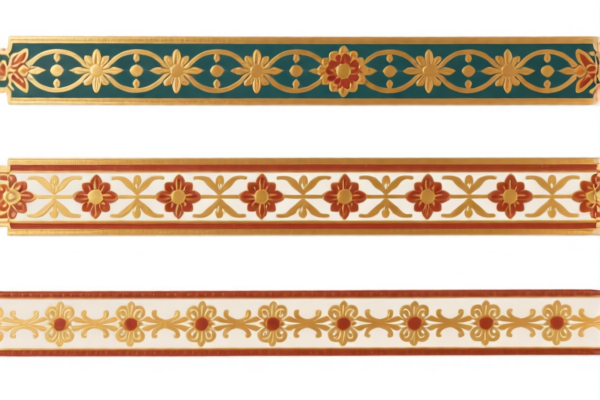
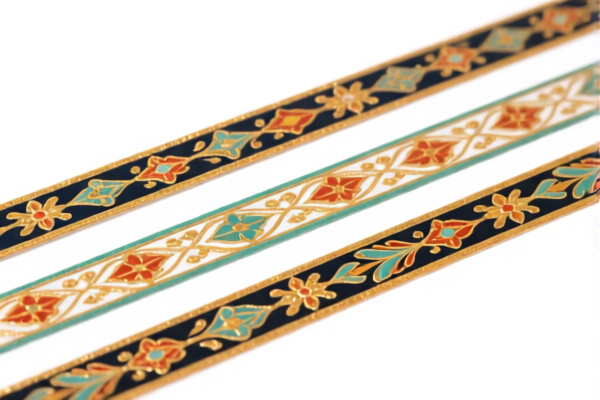
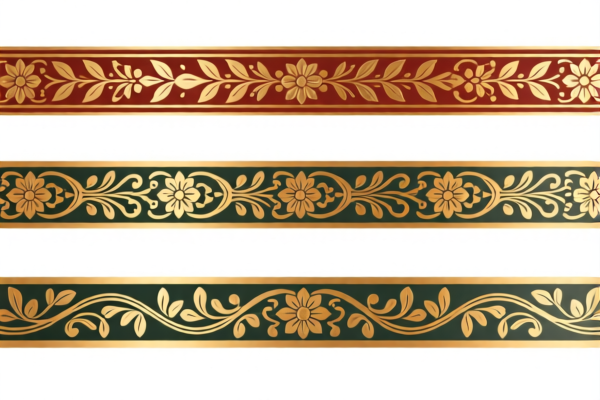
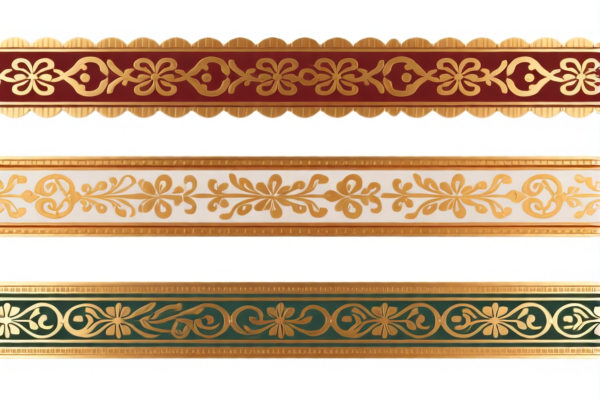
AI Analysis
📐 Corner Beads & Trim (Decorative Edge Protectors)
🌐 HS Code Reference & Customs Clearance Guide | 2026 Latest Tariff Analysis | Strategic Compliance Strategy
📌 1. Product Definition & Classification: What Exactly is a "Corner Bead"?
Corner beads (or corner trim) are essential finishing accessories used in construction, interior decoration, and furniture manufacturing. They serve two primary purposes: protection (preventing damage to vulnerable corners) and decoration (providing a clean, aesthetic edge).
In international trade, classification depends entirely on the material composition:
- Wooden/Metal/Plastic Variants: Classified under their respective material chapters (Chapter 44 for Wood, Chapter 73 for Iron/Steel, Chapter 39 for Plastics).
- Function: Regardless of shape or size, the key determinant is the raw material.
⚠️ Key Distinction:
- If it’s Wood/Bamboo → Go to Chapter 44
- If it’s Iron/Steel → Go to Chapter 73
- If it’s Plastic → Go to Chapter 39
- Do not mix materials in a single declaration line. Each material requires its own HS Code.
📦 2. HS Code Classification Matrix (2026 Latest Tariff Data)
Based on the provided data, here are the exact classifications for Corner Beads by material:
| HS Code | Product Description | Material | Primary Category | Tax Complexity |
|---|---|---|---|---|
4418.99.91.95 |
Wooden Corner Beads | Wood | Architectural Wood Products | High (38.2%) |
4418.91.91.95 |
Wooden or Bamboo Corner Beads | Wood/Bamboo | Woodworking Decorative Parts | High (38.2%) |
7326.19.00.80 |
Steel Corner Beads | Steel | Other Steel Articles | Critical (87.9%) |
7326.90.86.88 |
Iron or Steel Corner Beads | Iron/Steel | Other Iron/Steel Articles | Critical (87.9%) |
3926.30.50.00 |
Plastic Corner Beads | Plastic | Plastic Fittings/Connectors | Moderate (22.8%) |
🔍 Critical Insight:
- Steel/Iron products face the highest tariffs due to specific trade disputes (Section 301 + 122).
- Wood products also face significant tariffs but slightly lower than steel.
- Plastic products have the lowest burden among the three, though still subject to multiple surcharges.
💰 3. 2026 Tariff Rate Breakdown (Detailed Tax Structure)
✅ Jurisdiction: United States (US)
✅ Origin: China (CN)
✅ Status: All rates include Base Duty + Section 301 Surcharge + Section 122 Surcharge + Additional Material-Specific Duties.
🎯 1. Wooden Corner Beads (4418.99.91.95 & 4418.91.91.95)
Total Tax Rate: 38.2%
| Component | Rate | Source |
|---|---|---|
| Base Duty | 3.2% | HTSUS Standard Rate |
| Section 301 Surcharge | 25.0% | Trade Act of 1974, Section 301 |
| Section 122 Surcharge | 10.0% | Import Relief Investigation |
| Additional Material Duty | 0% | None for wood |
| TOTAL | 38.2% |
📌 Explanation:
- Wood products are subject to the standard 25% Section 301 tariff.
- The 10% Section 122 tariff applies broadly to certain imports.
- No extra steel/aluminum/copper surcharge applies here.
- Effective Cost Impact: For every $1,000 of CIF value, you pay $382 in duties.
🎯 2. Steel/Iron Corner Beads (7326.19.00.80 & 7326.90.86.88)
Total Tax Rate: 87.9%
| Component | Rate | Source |
|---|---|---|
| Base Duty | 2.9% | HTSUS Standard Rate |
| Section 301 Surcharge | 25.0% | Trade Act of 1974, Section 301 |
| Section 122 Surcharge | 10.0% | Import Relief Investigation |
| Additional Steel/Alu/Cu Duty | 50.0% | Specific Surcharge for Steel, Aluminum, Copper |
| TOTAL | 87.9% |
📌 CRITICAL WARNING:
- This is an extremely high tariff rate.
- The 50% additional duty is applied specifically to steel, aluminum, and copper products due to national security and trade defense measures.
- Effective Cost Impact: For every $1,000 of CIF value, you pay $879 in duties.
- Strategic Implication: Importing steel corner beads from China is prohibitively expensive unless exempted or re-routed.
🎯 3. Plastic Corner Beads (3926.30.50.00)
Total Tax Rate: 22.8%
| Component | Rate | Source |
|---|---|---|
| Base Duty | 5.3% | HTSUS Standard Rate |
| Section 301 Surcharge | 7.5% | Trade Act of 1974, Section 301 (Lower tier for plastics) |
| Section 122 Surcharge | 10.0% | Import Relief Investigation |
| Additional Material Duty | 0% | Not applicable to plastics |
| TOTAL | 22.8% |
📌 Explanation:
- Plastics face a lower Section 301 surcharge (7.5%) compared to steel (25%).
- No additional material-specific surcharge applies.
- Effective Cost Impact: For every $1,000 of CIF value, you pay $228 in duties.
- Best Option: Among the three materials, plastic offers the lowest tax burden.
🛠️ 4. Customs Clearance Practical Advice (Avoiding Pitfalls)
✅ 1. Documentation Checklist (Mandatory)
| Document | Required? | Purpose |
|---|---|---|
| Commercial Invoice | ✅ Yes | Must clearly state material (e.g., "Steel Corner Bead," not just "Trim") |
| Packing List | ✅ Yes | Specify weight and quantity per material type |
| Material Certificate | ✅ Yes (For Steel/Iron) | Proves composition to avoid misclassification |
| Product Photos | ✅ Yes | Show cross-section to confirm material |
| Country of Origin | ✅ Yes | Essential for calculating surcharges |
✅ 2. Declaration Tips
🔥 Golden Rule: "Be Specific About Material!"
- ❌ Bad Declaration: "Decorative Trim" → Risk of misclassification, audits, and penalties.
- ✅ Good Declaration:
-"Steel Corner Beads, 10mm x 10mm, for Wall Protection, HS 7326.90.86.88"
-"Wooden Corner Beads, Pine, for Cabinet Edges, HS 4418.99.91.95"
- Do Not Combine: Never declare wood and steel beads in the same line item. They have vastly different tax rates (38.2% vs. 87.9%).
✅ 3. Special Considerations
| Scenario | Recommendation |
|---|---|
| Mixed Shipments | Separate packaging by material. Declare each material under its own HS Code. |
| Steel Beads | Consider alternative materials (plastic/wood) or sourcing from non-China origins to avoid 87.9% tariff. |
| Plastic Beads | Ensure compliance with FDA/Californian Prop 65 if used in food-related environments. |
| Wood Beads | Ensure FSC certification if selling to eco-conscious markets; check for ISPM 15 wood packaging rules. |
🌍 5. Global Market Comparison (2026)
| Market | Recommended HS Code | Estimated Total Tax (China Origin) | Notes |
|---|---|---|---|
| 🇺🇸 USA | 7326.90.86.88 (Steel) |
87.9% | Highest global burden due to 301 + 122 + Material Surcharge |
| 🇪🇺 EU | 7326.90.98 |
~2.9% | No Section 301/122. Standard EU tariff applies. |
| 🇨🇳 China | 7326.90.88 |
Varies | Import duties depend on domestic policy. |
| 🇲🇽 Mexico | 7326.90.99 |
~0-5% | Nearshoring advantage; no US-style surcharges. |
📌 Conclusion:
- USA is the most costly market for steel corner beads due to multiple overlapping tariffs.
- Plastic is the most cost-effective material for US imports.
- Steel products should consider supply chain diversification (e.g., Vietnam, Mexico) to mitigate 87.9% tariffs.
📌 6. Common Errors & How to Avoid Them
❌ Error 1: Declaring "Steel Corner Bead" as "Other Metal Accessories" without specifying steel.
👉 Consequence: Misclassification, potential penalties, and inability to apply correct surcharges.
❌ Error 2: Combining Wood and Steel beads in one HS Code.
👉 Consequence: Customs rejection, delays, and re-evaluation of duties (likely resulting in higher overall tax).
❌ Error 3: Ignoring the "Steel/Aluminum/Copper" 50% surcharge.
👉 Consequence: Underpayment of duties, leading to audits, fines, and possible seizure.
✅ Correct Approach:
"Corner Beads, Steel, 12mm, for Drywall Protection, Origin: China, HS: 7326.90.86.88"
🎯 7. Strategic Recommendations
- Material Substitution: If importing to the US, switch from Steel to Plastic to reduce tax from 87.9% to 22.8% (savings of ~65% on duties).
- Supply Chain Shift: For steel products, consider sourcing from non-China origins (e.g., Southeast Asia) to avoid Section 301 and 122 tariffs.
- Pre-Ruling: Apply for an Advance Ruling with US Customs (CBP) to confirm HS Code and tariff applicability before shipping.
- Bonded Warehouses: Use bonded warehouses for steel products if immediate duty payment is not feasible, but note that surcharges still apply upon entry into US commerce.
📣 Immediate Action:
📞 Contact Customs Broker: Verify HS Code with specific product samples.
📉 Cost-Benefit Analysis: Compare total landed cost (CIF + 87.9% vs. CIF + 22.8%) for Steel vs. Plastic.
🚀 Optimize Supply Chain: Shift high-tariff steel items to alternative materials or origins.
✨ Professional Compliance Starts with Accurate Classification!
💼 Every Percentage Point Saved is Pure Profit!
Customer Reviews
About HS Code Classification
The Harmonized System (HS) is an internationally standardized nomenclature developed by the World Customs Organization (WCO) to classify traded products. Over 200 countries use the HS system as the basis for customs tariffs, trade statistics, and import/export regulations.
Each HS code follows a hierarchical structure:
- Chapter (2 digits) — Broad category of goods (e.g., Chapter 84: Machinery and Mechanical Appliances)
- Heading (4 digits) — More specific grouping within the chapter
- Subheading (6 digits) — Internationally standardized breakdown, used by all WCO member countries
- National subdivisions (8-10 digits) — Country-specific extensions for further classification, such as US HTSUS 10-digit codes
Correct HS code classification is essential for smooth customs clearance, accurate duty payment, and compliance with trade regulations. Misclassification can lead to customs delays, overpayment of duties, or penalties.
When importing from CN to US, the applicable tariff rates may include:
- Most-Favored-Nation (MFN) rate — The standard duty rate applied to WTO members
- General rate — Applied to countries without trade agreements
- Trade remedy duties — Additional tariffs such as Section 301 (anti-dumping), Section 232 (national security), or countervailing duties
The information provided on this page is for reference purposes only. For official classification, please consult with your local customs authority or a licensed customs broker.