诊断仪
CN → US| HS Code | Tariff Rate | Origin | Destination | Doc |
|---|---|---|---|---|
| 9018194000 | 35.0% | CN | US | Official Doc |
| 9018199550 | 35.0% | CN | US | Official Doc |
| 9027504015 | 35.0% | CN | US | Official Doc |
| 9027894530 | 35.0% | CN | US | Official Doc |
Product Images
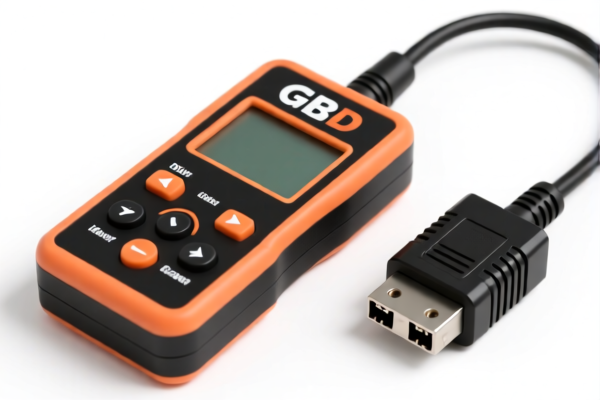
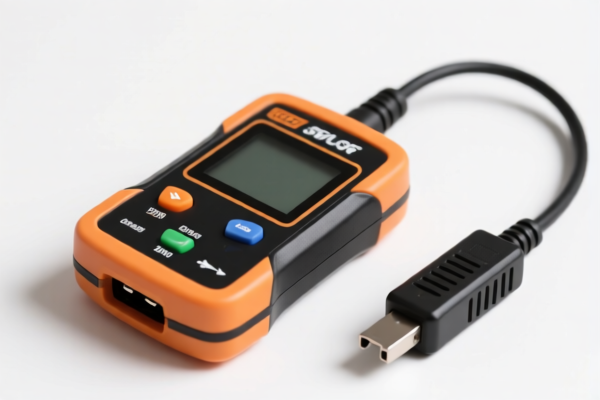
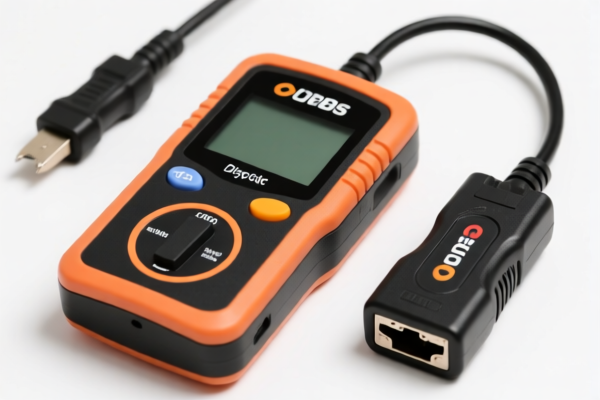
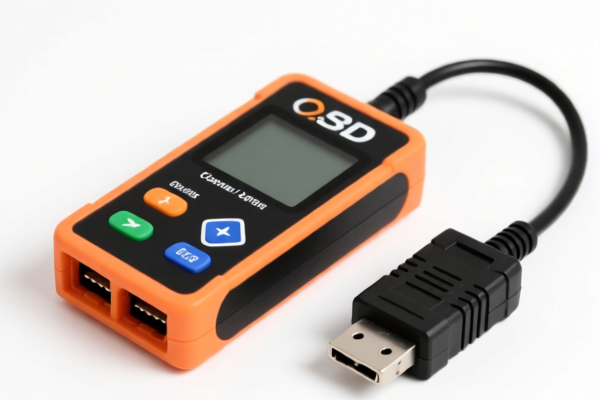
AI Analysis
🩺 Diagnostic Instruments (Medical & Chemical Analysis Devices)
🌐 HS Code Reference & Customs Clearance Guide | 2026 Latest Tariff Analysis | Professional Clearance Strategy
📌 I. Product Definition: What is a "Diagnostic Instrument"?
In international trade, "Diagnostic Instruments" (诊断仪) is a broad term that generally refers to devices used to detect, monitor, or analyze physiological functions or chemical compositions. To ensure accurate customs clearance and tax optimization, it is crucial to distinguish between Physiological/Electro-diagnostics and Chemical/Biochemical Analysis.
⚠️ Critical Distinction:
- Physiological Diagnostics (Electro-diagnostic): Devices that measure electrical signals from the body (e.g., ECG, EEG, EMG) or monitor vital signs via electrical means. → HS 9018
- Chemical/Biochemical Analysis: Devices that analyze the composition of samples (blood, urine, chemicals) through chemical reactions or spectrometry. → HS 9027
📦 II. HS Code Classification Details (2026 Latest Tariff Authority)
Based on the provided data, the following HS Codes are applicable. All listed codes carry a 35.0% Total Tax Rate due to additional duties.
| HS Code | Product Description | Applicable Scenario | Key Function |
|---|---|---|---|
9027.89.45.30 |
Chemical Analysis Instruments | Laboratory testing, Biochemical indicators | Determines chemical composition or biochemical markers (e.g., blood glucose analyzers, spectrophotometers). |
9018.19.40.00 |
Electro-diagnostic Instruments | Functional exploratory checks | Diagnoses physiological conditions via electrical parameters (e.g., ECG, EEG, EMG machines). |
9018.19.95.50 |
Other Electro-diagnostic Equipment | Functional exploration/Physiological monitoring | Other instruments for exploring function or checking physiological parameters not covered elsewhere. |
9018.19.55.00 |
Electro-diagnostic Matching Equipment | Functional exploration/Physiological checks | Equipment specifically matched for electro-diagnostic devices or physiological parameter checks; no material/form conflict. |
🔍 Key Reminder:
- Do not mix up Chemical vs. Electrical: If your device analyzes molecules/chemicals, it is 9027. If it analyzes electrical signals/vitals, it is 9018.
- No Material Conflict: HS9018.19.55.00is used when the device matches diagnostic functions but doesn't fit specific sub-headings, provided there are no material conflicts.
💰 III. 2026 Latest Tariff Rate Breakdown (Including Surcharges)
✅ Applicable Country: United States (US)
✅ Origin: China (CN)
✅ Effective Time: Current applicable rates based on provided data
🎯 1. Common Tax Structure for All Listed Codes
All four HS Codes (9027.89.45.30, 9018.19.40.00, 9018.19.95.50, 9018.19.55.00) share the same tariff structure in the provided data:
| Item | Detail |
|---|---|
| Base Tariff | 0.0% (Ad Valorem) |
| Additional Duty (Section 301) | +25.0% |
| Section 122 Tariff | +10.0% |
| Total Tax Rate | 35.0% |
| Tax Calculation | CIF Value × 35% |
| De Minimis Exemption | ❌ Not Applicable (High risk of audit/seizure for low-value shipments) |
📌 Explanation:
- Base Tariff (0%): Medical and analytical instruments often enjoy low or zero base MFN tariffs.
- Section 301 Duty (+25%): This is the standard punitive tariff on many Chinese industrial and medical goods.
- Section 122 Tariff (+10%): Specific additional levy applied in this dataset.
- Total Burden: The 35% rate significantly impacts profit margins. Importers must calculate landed costs carefully.
🛠️ IV. Customs Clearance Practical Advice (Real-World Pitfall Guide)
✅ 1. Required Documentation Checklist
| Document | Mandatory? | Description |
|---|---|---|
| ✅ Technical Specification Sheet | ✔️ | Must clearly state: Is it for electrical signals (9018) or chemical analysis (9027)? |
| ✅ Operational Manual | ✔️ | Shows the device's primary function (e.g., "Measures Heart Rhythm" vs. "Analyzes Blood Glucose"). |
| ✅ Product Photos (Internal/External) | ✔️ | Show interface, probes, and any chemical reagent slots. |
| ✅ FDA Clearance/510(k) | ✔️ | For medical diagnostics, FDA approval is often required for entry, even for HS classification. |
| ✅ Commercial Invoice | ✔️ | Clearly describe as "Electro-diagnostic Device" or "Chemical Analyzer". Avoid vague terms like "Tester". |
| ✅ Declaration of Composition | ✔️ | Confirm no prohibited materials are used. |
✅ 2. Classification Strategy (Key Mantra)
🔥 "Signal is 9018, Chemical is 9027; Mix them up, Tax Hike!"
| Scenario | Correct HS Code | Risk of Wrong Code |
|---|---|---|
| ECG/EEG/EMG Machine | 9018.19.40.00 |
Misclassifying as chemical analyzer may trigger FDA mismatch. |
| Blood Glucose Analyzer | 9027.89.45.30 |
Misclassifying as electro-diagnostic may lead to duty reassessment if components are chemical sensors. |
| Portable Vital Sign Monitor | 9018.19.95.50 |
Ensure it doesn't use chemical strips for measurement. |
| Research Lab Analyzer | 9027.89.45.30 |
Must demonstrate chemical/biochemical analysis capability. |
✅ 3. Special Considerations
| Situation | Handling Advice |
|---|---|
| Dual-Function Devices | If a device does both (e.g., measures electrical signal AND analyzes a chemical sample), classify based on the principal function. Provide clear evidence. |
| Reagent-Dependent Devices | If the device requires proprietary chemical reagents to function, it is strongly 9027. |
| OEM/White Label | Ensure the technical specs match the brand's official documentation. Customs may audit if the description doesn't match the model number. |
| Accessories | Probes or cables alone may be classified under 9018.90 or 9027.90. Do not bundle them incorrectly with the main unit to hide value. |
🌍 V. Global Market Comparison (2026 Update)
| Region | Recommended HS | Base Tax | Additional Taxes | Notes |
|---|---|---|---|---|
| 🇺🇸 USA | 9018.19.x / 9027.89.x |
0% | +35% (25% + 10%) | High barrier due to Section 301 & 122. |
| 🇪🇺 EU | 9018.19 / 9027.89 |
0% | Varies (Often 0-2.5%) | Requires CE Marking + MDR/IVDR Compliance. |
| 🇨🇳 China | 9018.19 / 9027.89 |
0% - 8% | None | Requires NMPA Registration for medical use. |
| 🇦🇺 Australia | 9018.19 / 9027.89 |
0% - 5% | GST 10% | TGA Registration required for therapeutic goods. |
📌 Conclusion:
- The USA is the most expensive market for these devices due to the 35% total tax rate.
- EU and China offer lower tariffs but have stricter regulatory compliance (CE/FDA/NMPA) requirements.
📌 VI. Common Mistakes & Pitfalls (Lessons Learned)
❌ Mistake 1: Calling everything a "Medical Device" without specifying function.
👉 Consequence: Customs cannot determine if it is 9018 or 9027 → Delayed clearance + Demurrage fees.
❌ Mistake 2: Under-declaring value to avoid the 35% tax.
👉 Consequence: High risk of seizure, fines, and future audits by CBP.
❌ Mistake 3: Ignoring the "Section 122 Tariff" in calculations.
👉 Consequence: Budget shortfall. The 10% is often overlooked in standard HS code lookups.
❌ Mistake 4: Confusing "Diagnostic" with "Therapeutic".
👉 Consequence: If the device treats (therapeutic), it may fall under different HTSUS subheadings with different duties. Ensure it is purely diagnostic.
✅ Correct Declaration Example:
"Electro-diagnostic instrument, Model XYZ, for measuring ECG signals, no chemical reagents required, FDA Cleared." → 9018.19.40.00
"Chemical analyzer, Model ABC, for determining glucose levels in blood samples, requires reagents." → 9027.89.45.30
🎯 VII. Conclusion: Precision in Classification, Profit in Clearance
🎯 Remember the Mantra:
🔹 "Signal is 9018, Chemical is 9027; 35% Tax is the Price, Correct Code is the Key!"
🔹 "Don't guess the function, declare the physics; Avoid the audit, avoid the crisis!"
📌 Pro Tip:
If you are shipping to the USA, consider pre-ruling (Advance Ruling) from CBP to confirm the 35% liability and correct HS code. This protects you from retroactive duty adjustments.
For non-US markets, focus on Regulatory Compliance (CE, NMPA) as the primary barrier, not just tariffs.
📣 Immediate Action:
📞 Contact a licensed customs broker.
📄 Prepare technical specs distinguishing Electrical vs. Chemical functions.
🚀 Ensure your diagnostic instruments clear customs smoothly and efficiently!
✨ Professional Clearance Starts with Accurate Classification!
💼 Your Margins Depend on the Details!
Customer Reviews
About HS Code Classification
The Harmonized System (HS) is an internationally standardized nomenclature developed by the World Customs Organization (WCO) to classify traded products. Over 200 countries use the HS system as the basis for customs tariffs, trade statistics, and import/export regulations.
Each HS code follows a hierarchical structure:
- Chapter (2 digits) — Broad category of goods (e.g., Chapter 84: Machinery and Mechanical Appliances)
- Heading (4 digits) — More specific grouping within the chapter
- Subheading (6 digits) — Internationally standardized breakdown, used by all WCO member countries
- National subdivisions (8-10 digits) — Country-specific extensions for further classification, such as US HTSUS 10-digit codes
Correct HS code classification is essential for smooth customs clearance, accurate duty payment, and compliance with trade regulations. Misclassification can lead to customs delays, overpayment of duties, or penalties.
When importing from CN to US, the applicable tariff rates may include:
- Most-Favored-Nation (MFN) rate — The standard duty rate applied to WTO members
- General rate — Applied to countries without trade agreements
- Trade remedy duties — Additional tariffs such as Section 301 (anti-dumping), Section 232 (national security), or countervailing duties
The information provided on this page is for reference purposes only. For official classification, please consult with your local customs authority or a licensed customs broker.