贴膜pvc
CN → US| HS Code | Tariff Rate | Origin | Destination | Doc |
|---|---|---|---|---|
| 5907001500 | 43.0% | CN | US | Official Doc |
| 3920435000 | 39.2% | CN | US | Official Doc |
| 3920490000 | 40.8% | CN | US | Official Doc |
| 3919905040 | 40.8% | CN | US | Official Doc |
| 3919905060 | 40.8% | CN | US | Official Doc |
| 5907006000 | 35.0% | CN | US | Official Doc |
Product Images
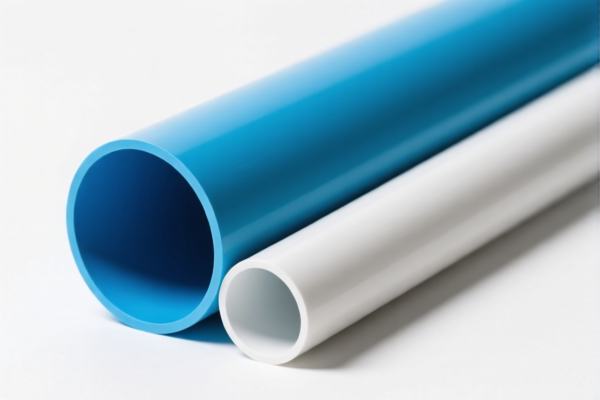
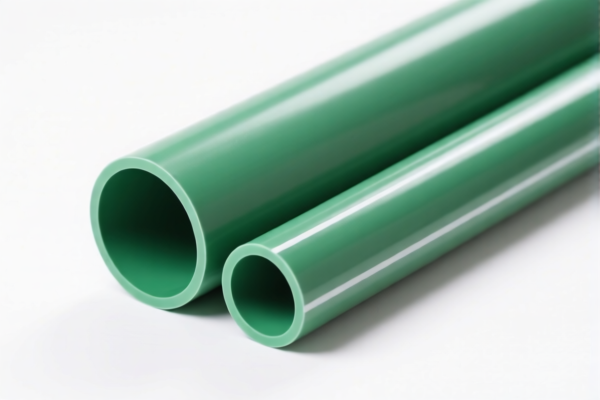
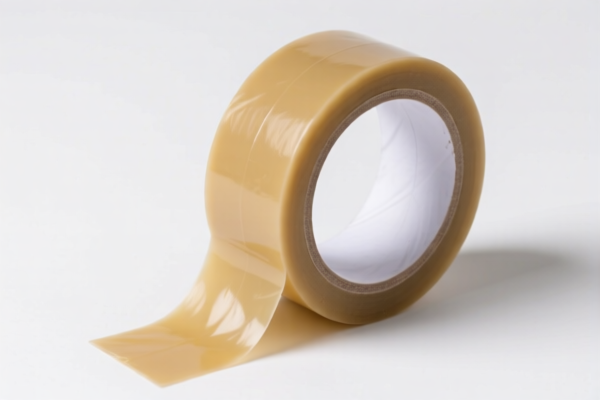
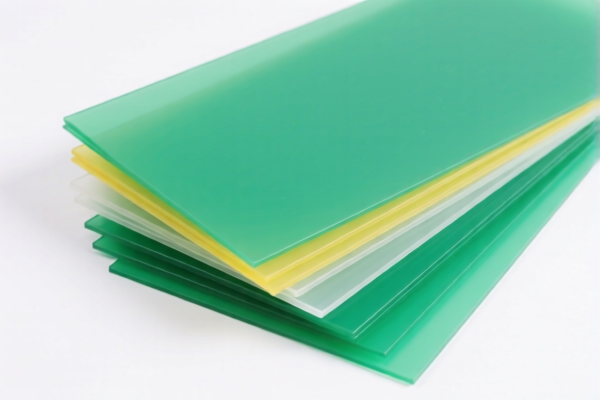
AI Analysis
🎯 PVC Film (PVC Coated/Impregnated Material)
🌐 HS Code Classification & Customs Clearance Guide | 2026 Latest Tariff Analysis | Pro-Level Import Strategy
📌 One-Stop Reference for PVC Film Exporters & Importers
📦 一、Product Definition & Classification: What Exactly Is "PVC Film"?
PVC film refers to flat, flexible, sheet-like materials made from polyvinyl chloride (PVC), often used in construction, packaging, signage, automotive, and industrial applications. These films can be:
- Coated, impregnated, or laminated onto textiles or other substrates
- Self-adhesive (e.g., vinyl stickers, protective films)
- Transparent or opaque, with or without release paper
- Used for protection, decoration, insulation, or structural reinforcement
⚠️ Critical Distinction:
- If the product is a textile coated with PVC → may fall under 5907.00.15.00
- If it’s pure PVC film (no textile backing) → falls under 3920.43.50.00, 3919.90.50.40, or 3919.90.50.60
- If PVC is applied as a coating or layer on a base material → may be classified under 5907.00.60.00
🔍 二、HS Code Breakdown (2026 Official Tariff List – U.S. Focus)
| HS Code | Product Description | Key Features | Tax Rate | Applicable To |
|---|---|---|---|---|
5907.00.15.00 |
PVC-coated/impregnated fabric | Textile base + PVC layer, non-woven or woven | 43.0% | Protective coatings, industrial fabrics |
3920.43.50.00 |
PVC polymer & film (flat) | Pure PVC film, not self-adhesive | 39.2% | Packaging, construction sheets, industrial films |
3920.49.00.00 |
Vinyl polymer films (flat) | General category for PVC-based films | 40.8% | Flexible sheets, technical films |
3919.90.50.40 |
Transparent or self-adhesive flat PVC | Transparent, no backing, used for protection | 40.8% | Screen protectors, window films, label films |
3919.90.50.60 |
Self-adhesive PVC films | Adhesive-backed, peel-and-stick type | 40.8% | Stickers, decals, automotive wraps |
5907.00.60.00 |
Coated or covered textile/film | PVC applied as a coating on any base | 35.0% | Lower tariff due to 0% base duty |
📌 Note: All these codes apply to PVC-based flat films, regardless of color, thickness, or transparency — as long as they are not part of a finished product (e.g., not a full sign, not a laminated panel).
💰 三、2026 U.S. Tariff Breakdown (With Full Legal Justification)
✅ Target Country: United States (US)
✅ Origin: China (CN)
✅ Effective Date: November 10, 2025 (and ongoing)
✅ Applicable Laws: IEEPA + USITC Section 301 + Footnote 9903.88.01
🎯 1. 5907.00.15.00 — PVC-Coated Fabric (High-Tax Category)
| Item | Detail |
|---|---|
| Base Duty | 8.0% (ad valorem) |
| USITC 301 Tariff | +25.0% (from Section 301 of Trade Act) |
| IEEPA Emergency Tariff | +10.0% (under International Emergency Economic Powers Act) |
| Total Effective Duty | 43.0% |
| Tax Calculation | CIF Value × 43% |
| De Minimis Exemption | ❌ Not available (denied under 9903.88.01) |
| Legal Pathway | IEEPA:9903.01.25 → USITC:5907.00.15.00 → FOOTNOTE:9903.88.01 |
📌 Why So High?
- This product is considered industrial material with strategic use (e.g., for military, infrastructure, or defense applications).
- Classified under "coated fabrics", which are subject to highest-tier tariffs under U.S. trade policy.
🎯 2. 3920.43.50.00 — PVC Polymer & Film (Flat)
| Item | Detail |
|---|---|
| Base Duty | 4.2% |
| USITC 301 Tariff | +25.0% |
| IEEPA Emergency Tariff | +10.0% |
| Total Effective Duty | 39.2% |
| Tax Calculation | CIF × 39.2% |
| De Minimis | ❌ Not eligible |
| Legal Pathway | IEEPA:9903.01.24 → USITC:3920.43.50.00 → FOOTNOTE:9903.88.01 |
📌 Key Insight:
- Even though this code has a lower base rate, the same 35% extra tariffs apply as other PVC films.
- This is not a "low-risk" code — it’s still heavily penalized under U.S. trade law.
🎯 3. 3920.49.00.00 — Vinyl Polymer Films (General)
| Item | Detail |
|---|---|
| Base Duty | 5.8% |
| USITC 301 Tariff | +25.0% |
| IEEPA Emergency Tariff | +10.0% |
| Total Effective Duty | 40.8% |
| Tax Calculation | CIF × 40.8% |
| De Minimis | ❌ Not allowed |
| Legal Pathway | IEEPA:9903.01.24 → USITC:3920.49.00.00 → FOOTNOTE:9903.88.01 |
📌 Note:
- This is a catch-all category for PVC films not covered elsewhere.
- Often used for technical films, insulation sheets, or industrial laminates.
🎯 4. 3919.90.50.40 — Transparent or Self-Adhesive Flat PVC (Non-Textile)
| Item | Detail |
|---|---|
| Base Duty | 5.8% |
| USITC 301 Tariff | +25.0% |
| IEEPA Emergency Tariff | +10.0% |
| Total Effective Duty | 40.8% |
| Tax Calculation | CIF × 40.8% |
| De Minimis | ❌ Not eligible |
| Legal Pathway | IEEPA:9903.01.24 → USITC:3919.90.50.40 → FOOTNOTE:9903.88.01 |
📌 Use Case:
- Screen protectors, window films, protective wraps for electronics or vehicles
- Even if transparent and thin, it's still taxed at 40.8% due to PVC content and Chinese origin
🎯 5. 3919.90.50.60 — Self-Adhesive PVC Films
| Item | Detail |
|---|---|
| Base Duty | 5.8% |
| USITC 301 Tariff | +25.0% |
| IEEPA Emergency Tariff | +10.0% |
| Total Effective Duty | 40.8% |
| Tax Calculation | CIF × 40.8% |
| De Minimis | ❌ Not allowed |
| Legal Pathway | IEEPA:9903.01.24 → USITC:3919.90.50.60 → FOOTNOTE:9903.88.01 |
📌 Critical Point:
- Self-adhesive PVC films (like stickers, wraps, decals) are not exempt from the 35% extra tariffs.
- Even small rolls of film used for branding or decoration are subject to 40.8% total duty.
🎯 6. 5907.00.60.00 — Coated or Covered Textile/Film (Lowest Tariff)
| Item | Detail |
|---|---|
| Base Duty | 0.0% |
| USITC 301 Tariff | +25.0% |
| IEEPA Emergency Tariff | +10.0% |
| Total Effective Duty | 35.0% |
| Tax Calculation | CIF × 35% |
| De Minimis | ❌ Not eligible |
| Legal Pathway | IEEPA:9903.01.24 → USITC:5907.00.60.00 → FOOTNOTE:9903.88.01 |
📌 Why Lower?
- This code is for coated or covered materials, not pure film.
- No base duty, but still subject to 25% + 10% extra tariffs → 35% total
- Best option if your product is a coated fabric or laminated sheet
🛠️ 四、Customs Clearance Best Practices (Pro Tips to Avoid Penalties)
✅ 1. Essential Documents (Must-Have)
| Document | Required? | Why It Matters |
|---|---|---|
| ✅ Product Technical Specs | ✔️ | Prove material type, thickness, adhesive type, backing |
| ✅ High-Res Product Photos | ✔️ | Show surface texture, adhesive layer, transparency |
| ✅ Material Safety Data Sheet (MSDS) | ✔️ | Confirm PVC content and chemical composition |
| ✅ Commercial Invoice | ✔️ | Must clearly state “PVC Film, Self-Adhesive, Flat, Non-Textile” |
| ✅ Bill of Lading / Packing List | ✔️ | Verify weight, quantity, packaging |
| ✅ Certificate of Origin (CO) | ✔️ | Critical for tariff eligibility |
| ✅ Third-Party Test Report | ✔️ | RoHS, REACH, or UL (if applicable) |
✅ 2.申报技巧(申报口诀)
🔥 "PVC Film? Check the Base!
Textile? Use 5907.
Pure Film? 3920 or 3919.
Adhesive? 3919.90.50.60.
No Base Duty? 5907.00.60.00 — Save 8%!"
| Scenario | Correct HS Code | Wrong Code to Avoid |
|---|---|---|
| PVC-coated fabric | 5907.00.15.00 |
3920.43.50.00 (higher tax) |
| Transparent self-adhesive film | 3919.90.50.40 |
5907.00.60.00 (if not textile) |
| Pure PVC film (no adhesive) | 3920.43.50.00 |
3919.90.50.60 (wrong category) |
| Coated textile (no adhesive) | 5907.00.60.00 |
5907.00.15.00 (higher base duty) |
✅ 3. Special Cases & Solutions
| Situation | Recommended Action |
|---|---|
| Film with release liner (peel-off paper) | Still classify as PVC film — don’t split申报 |
| Film used in solar panels or electronics | Must declare PVC content — may trigger extra scrutiny |
| Small rolls (e.g., 100m) | No exemption — still taxed at 40.8% |
| Samples or prototypes | Can apply for de minimis exemption if value < $800 — but only if not from China |
| Re-exported after processing | Apply for HTS 9802.00.00 — duty-free re-import after manufacturing |
🌍 五、Global Tariff Comparison (2026)
| Country | Recommended HS Code | Base Duty | Extra Tariffs | Total Duty |
|---|---|---|---|---|
| 🇺🇸 United States | 5907.00.60.00 (best) |
0.0% | +35% (25+10) | 35.0% |
| 🇨🇳 China | 3919.90.50.40 |
0% | None | 0% |
| 🇪🇺 EU | 3919.90.50.40 |
0% | None | 0% |
| 🇦🇺 Australia | 3920.43.50.00 |
5% | None | 5% |
| 🇯🇵 Japan | 3920.43.50.00 |
0% | None | 0% |
📌 Insight:
- U.S. is the only market imposing 35%+ extra tariffs on PVC films from China.
- China, EU, Japan, Australia have no additional tariffs — ideal for re-export or transshipment.
🚨 Six Common Mistakes (Avoid These at All Costs!)
❌ Mistake 1: Using 3920.43.50.00 for a self-adhesive film
👉 Result: Incorrect classification → 40.8% instead of 40.8% (same rate, but wrong code = audit risk)
❌ Mistake 2: Calling "PVC film" as "plastic sheet" in invoice
👉 Result: Customs may reclassify → higher tariff or seizure
❌ Mistake 3: Splitting film rolls into multiple shipments
👉 Result: Each shipment triggers full 35–43% duty → total cost explodes
❌ Mistake 4: Not declaring "PVC" in product description
👉 Result: Customs may suspect non-compliant material → delay or rejection
❌ Mistake 5: Using "protective film" without specifying adhesive type
👉 Result: Misclassification → wrong HS Code → penalties
❌ Mistake 6: Assuming "transparent" means "exempt"
👉 Result: No — transparent PVC film is still taxed at 40.8%
✅ Final Verdict: How to Win the Tariff Game
🎯 "Know Your Base: Textile or Film?
Check Your Adhesive: Yes or No?
Confirm Your Origin: China? Then Prepare for 35–43%!"📌 Pro Tip:
- If your product is a coated fabric, use5907.00.60.00— save 8% vs.5907.00.15.00
- If it’s pure PVC film, use3920.43.50.00or3919.90.50.40depending on transparency
- Never split shipments — it triggers full duty per consignment
📣 Immediate Action Required!
📞 Contact a U.S. Customs Broker + Apply for Advance Ruling (Pre-Approval)
🚀 Get your HS Code confirmed BEFORE shipment
💼 Avoid $10k+ in unexpected duties, delays, or seizures
✨ Smart Classification = Smart Profit!
💼 Your PVC film’s fate is decided by a single digit in the HS Code.
✅ Get it right — once.
🚫 Never pay more than you have to.
📌 Bonus:
If your PVC film is produced in Vietnam, Mexico, or Thailand, you may qualify for IEEPA exemption → 0% extra tariff → Total duty drops to 4.2%–5.8%
✅ Switch production? Consider it.
✅ Transship via ASEAN? Possible.🌐 Your next move?
📄 Send product specs + photos → Get your HS Code + Tariff Quote in 24h.
Customer Reviews
About HS Code Classification
The Harmonized System (HS) is an internationally standardized nomenclature developed by the World Customs Organization (WCO) to classify traded products. Over 200 countries use the HS system as the basis for customs tariffs, trade statistics, and import/export regulations.
Each HS code follows a hierarchical structure:
- Chapter (2 digits) — Broad category of goods (e.g., Chapter 84: Machinery and Mechanical Appliances)
- Heading (4 digits) — More specific grouping within the chapter
- Subheading (6 digits) — Internationally standardized breakdown, used by all WCO member countries
- National subdivisions (8-10 digits) — Country-specific extensions for further classification, such as US HTSUS 10-digit codes
Correct HS code classification is essential for smooth customs clearance, accurate duty payment, and compliance with trade regulations. Misclassification can lead to customs delays, overpayment of duties, or penalties.
When importing from CN to US, the applicable tariff rates may include:
- Most-Favored-Nation (MFN) rate — The standard duty rate applied to WTO members
- General rate — Applied to countries without trade agreements
- Trade remedy duties — Additional tariffs such as Section 301 (anti-dumping), Section 232 (national security), or countervailing duties
The information provided on this page is for reference purposes only. For official classification, please consult with your local customs authority or a licensed customs broker.