跪垫
CN → US| HS Code | Tariff Rate | Origin | Destination | Doc |
|---|---|---|---|---|
| 6304910170 | 23.3% | CN | US | Official Doc |
| 4016990500 | 20.9% | CN | US | Official Doc |
| 3926909989 | 22.8% | CN | US | Official Doc |
| 3926902100 | 21.7% | CN | US | Official Doc |
| 6304920000 | 23.8% | CN | US | Official Doc |
Product Images
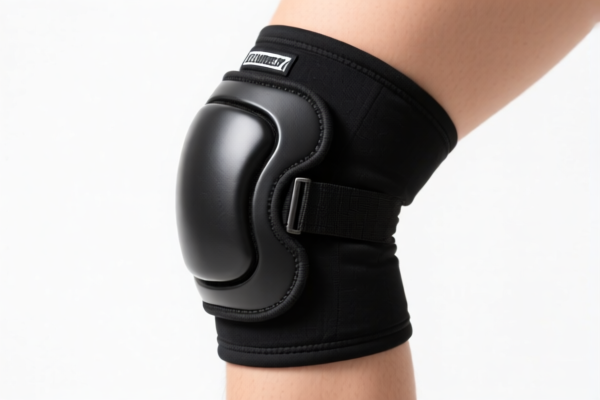
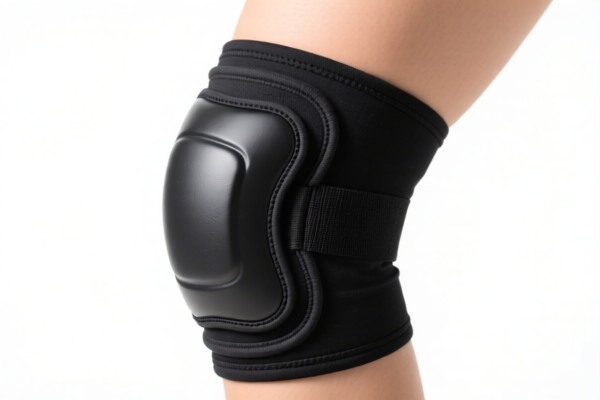
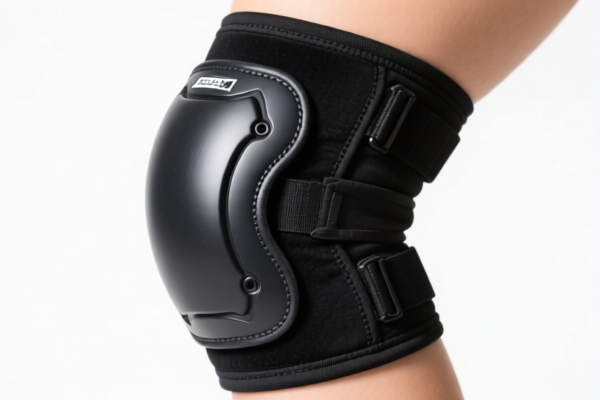
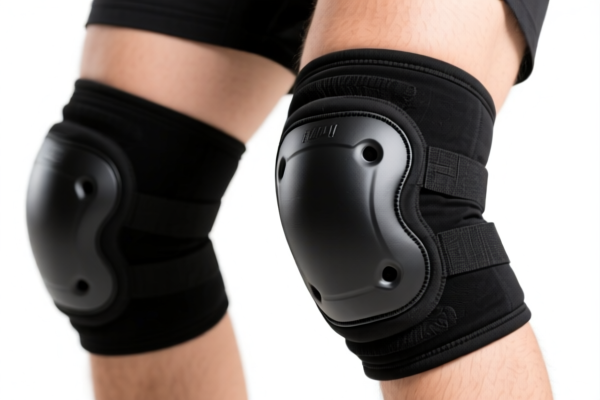
AI Analysis
🛋️ Kneeling Pads (Gym Mats / Yoga Kneelers)
🌐 HS Code Reference & Customs Clearance Guide | 2026 Latest Tariff Analysis | Professional Clearance Strategy
📌 I. Product Definition & Classification: Do You Really Understand "Kneeling Pads"?
Kneeling pads are soft goods or rubber products used for cushioning the knees during yoga, gardening, cleaning, or industrial work. In international trade, their classification depends heavily on material composition and functional design. They are generally divided into two main categories:
Textile-Based Pads: Made of cotton, fabric, or synthetic fibers (polyester, etc.), often with foam filling. These fall under household articles or furniture accessories. Rubber/Elastic-Based Pads: Made of EVA, vulcanized rubber, or PU plastic to provide shock absorption and non-slip properties. These fall under rubber or plastic articles.
⚠️ Key Distinction Point:
- If made of cotton/fabric with soft filling → Classified under Chapter 63 (Other made up textile articles).
- If made of rubber/foam for cushioning → Classified under Chapter 40 (Rubber articles) or Chapter 39 (Plastic articles).
📦 II. HS Code Classification Details (2026 Latest Tariff Authority Comparison)
| HS Code | Product Description | Application Scenario | Material Attribute |
|---|---|---|---|
6304.92.00.00 |
Other made up furnishing articles, except knitted or crocheted (mostly cotton/fabric) | Home use, yoga, fabric-covered pads | ✅ Fabric/Cotton |
6304.91.01.70 |
Other made up furnishing articles, knitted or crocheted | Soft, knitted/crocheted pads | ✅ Knitted Fabric |
4016.10.00.00 |
Other vulcanized rubber goods (other than hard rubber) | Gym mats, EVA/rubber pads for cushioning | ✅ Rubber/EVA |
4016.99.05.00 |
Other vulcanized rubber articles (household items) | Household rubber kneeling pads | ✅ Rubber/Household |
3926.90.99.89 |
Other articles of plastics and articles of other materials | PU/EVA plastic-based pads | ✅ Plastic/Synthetic |
🔍 Key Reminder:
- Fabric pads must go to 6304, not rubber/plastic. Misclassification leads to incorrect duty rates.
- Rubber/EVA pads are often classified under 4016 due to their elastic/cushioning nature.
- PU/EVA plastic pads may fall under 3926 if they are considered general plastic articles.
💰 III. 2026 Latest Tariff Rate Breakdown (Including Additional Taxes & Policy Surcharges)
✅ Applicable Country: United States (US)
✅ Country of Origin: China (CN)
✅ Effective Time: 2025 November 10 onwards (for subsequent imports)
🎯 1. 6304.92.00.00 —— Other made up furnishing articles (Fabric/Cotton)
| Item | Content |
|---|---|
| Base Tariff | 6.3% (ad valorem) |
| Section 301 Tariff | +7.5% (List 4B) |
| Section 122 Tariff | +10% (Specific surcharge for certain textiles/apparel) |
| Total Tariff | 23.8% |
| Tax Calculation | CIF Value × 23.8% |
| De Minimis Exemption | ❌ Not Eligible (deny_de_minimis for Section 301/122 goods) |
| Legal Basis Path | USITC:6304.92.00.00 → 301:7.5% → 122:10% |
📌 Explanation:
- Base 6.3%: Standard MFN rate for household textile articles.
- Section 301 7.5%: Applies to many textile/garment categories from China.
- Section 122 10%: Additional surcharge for specific textile imports.
- Total 23.8%: High burden for fabric-based pads.
🎯 2. 4016.10.00.00 —— Other vulcanized rubber goods (EVA/Rubber)
| Item | Content |
|---|---|
| Base Tariff | 0.0% (ad valorem) |
| Section 301 Tariff | +25.0% (List 4A/4B depending on specific rubber subheading) |
| Section 122 Tariff | +10% (If deemed similar to textile/apparel in function) |
| Total Tariff | 35.0% |
| Tax Calculation | CIF Value × 35.0% |
| De Minimis Exemption | ❌ Not Eligible |
| Legal Basis Path | USITC:4016.10.00.00 → 301:25% → 122:10% |
📌 Note:
- Despite a 0% base rate, the 25% Section 301 surcharge makes this category expensive.
- Section 122 10% may apply if the pad is classified as a "household article" subject to specific surcharges.
- Total 35.0%: Very high due to heavy trade restrictions on rubber goods from China.
🎯 3. 6304.91.01.70 —— Other made up furnishing articles, knitted or crocheted
| Item | Content |
|---|---|
| Base Tariff | 5.8% (ad valorem) |
| Section 301 Tariff | +7.5% |
| Section 122 Tariff | +10% |
| Total Tariff | 23.3% |
| Tax Calculation | CIF Value × 23.3% |
| De Minimis Exemption | ❌ Not Eligible |
| Legal Basis Path | USITC:6304.91.01.70 → 301:7.5% → 122:10% |
📌 Explanation:
- Knitted/crocheted pads have a slightly lower base rate (5.8%) than woven ones.
- Still subject to 7.5% + 10% surcharges.
- Total 23.3%: Slightly cheaper than non-knitted fabric pads.
🎯 4. 4016.99.05.00 —— Other vulcanized rubber articles (Household)
| Item | Content |
|---|---|
| Base Tariff | 3.4% (ad valorem) |
| Section 301 Tariff | +7.5% |
| Section 122 Tariff | +10% |
| Total Tariff | 20.9% |
| Tax Calculation | CIF Value × 20.9% |
| De Minimis Exemption | ❌ Not Eligible |
| Legal Basis Path | USITC:4016.99.05.00 → 301:7.5% → 122:10% |
📌 Note:
- This is a "catch-all" for rubber household items.
- Base rate is 3.4%, which is lower than4016.10.
- Total 20.9%: One of the more competitive options for rubber-based pads.
🎯 5. 3926.90.99.89 —— Other articles of plastics
| Item | Content |
|---|---|
| Base Tariff | 5.3% (ad valorem) |
| Section 301 Tariff | +7.5% |
| Section 122 Tariff | +10% |
| Total Tariff | 22.8% |
| Tax Calculation | CIF Value × 22.8% |
| De Minimis Exemption | ❌ Not Eligible |
| Legal Basis Path | USITC:3926.90.99.89 → 301:7.5% → 122:10% |
📌 Explanation:
- PU/EVA plastic pads fall here if not classified as rubber.
- Base rate 5.3%.
- Total 22.8%: Mid-range tariff.
🛠️ IV. Customs Clearance Practical Advice (Real-World Pitfall Guide)
✅ 1. Required Documentation Checklist (None Can Be Missing)
| Document | Must Provide | Explanation |
|---|---|---|
| ✅ Product Spec Sheet | ✔️ | Material (Cotton/Rubber/Plastic), dimensions, weight, filling type |
| ✅ Material Composition Certificate | ✔️ | Critical for HS Code determination (e.g., % cotton vs. % rubber) |
| ✅ Product Photos (Clear) | ✔️ | Show texture, shape, and any branding |
| ✅ Commercial Invoice | ✔️ | Must specify "Kneeling Pad" and material clearly |
| ✅ Packing List | ✔️ | Include net/gross weight, pieces per carton |
| ✅ Certificates (if any) | ✔️ | REACH, Prop 65, or safety tests if applicable |
✅ 2. Declaration Tips (Key Mantra)
🔥 "Material Defines Code, Fabric vs. Rubber, Don't Mix Them Up!"
| Scenario | Correct Declaration | Wrong Practice |
|---|---|---|
| Cotton/Fabric Pad | 6304.92.00.00 |
Misdeclare as rubber → 35% duty |
| EVA/Rubber Pad | 4016.10.00.00 or 4016.99.05.00 |
Misdeclare as plastic → 22.8% (might be ok, but check if rubber) |
| PU/Plastic Pad | 3926.90.99.89 |
Misdeclare as rubber → 35% |
| Generic "Yoga Mat" | Specify material: "Cotton Kneeling Pad" | Vague description → Customs delay |
✅ 3. Special Handling Cases
| Scenario | Handling Advice |
|---|---|
| Composite Material Pads (e.g., Rubber base + Fabric top) | Declare based on essential character. If rubber provides cushioning → 4016. If fabric covers it → 6304. Consult a specialist. |
| Gym vs. Home Use | No difference in HS Code, but ensure description matches use to avoid suspicion of prohibited items. |
| Section 122 Applicability | Some textile/rubber goods face 10% extra surcharge. Always check if 122 applies to your specific material. |
| De Minimis (Section 321) | ❌ Not available for these HS codes from China due to Section 301/122 surcharges. |
🌍 V. Global Market Comparison (2026 Latest)
| Country/Region | Recommended HS Code | Tariff (China Origin) | Certification | Notes |
|---|---|---|---|---|
| 🇺🇸 USA | 6304.92.00.00 / 4016.10.00.00 |
23.8% ~ 35.0% | None specific | High tariffs due to 301/122 |
| 🇨🇳 China | 6304.92.00.00 / 4016.10.00.00 |
5% ~ 10% | CCC (if applicable) | Lower import duty |
| 🇪🇺 EU | 6307.90.98 / 4016.93 |
0% ~ 4% | CE (if safety gear) | No major surcharges |
| 🇦🇺 Australia | 6307.90.90 / 4016.93 |
5% | None | Moderate duty |
| 🇯🇵 Japan | 6307.90.00 / 4016.93 |
0% ~ 3% | None | Low duty |
📌 Conclusion:
- USA is the most expensive market for kneeling pads from China due to Section 301 (7.5%-25%) and Section 122 (10%) surcharges.
- EU, Japan, and Australia are much more favorable, with tariffs often under 5%.
- Consider diversifying suppliers to Vietnam/Mexico if targeting the US market to avoid high tariffs.
📌 VI. Common Errors & Pitfalls (Blood Lessons)
❌ Error 1: Declaring a rubber EVA pad as a "Cotton Pad"
👉 Consequence: Misclassification. If caught, customs will reclassify to 4016 → 35% duty instead of 23.8%. Penalty + Back Tax!
❌ Error 2: Using "Yoga Mat" as the product name without specifying material
👉 Consequence: Customs may classify based on highest duty or delay shipment for inspection.
❌ Error 3: Ignoring Section 122 Tariff
👉 Consequence: If the pad is subject to Section 122, failing to declare it leads to 10% additional duty + penalties.
❌ Error 4: Assuming De Minimis applies
👉 Consequence: For China-origin goods in these categories, Section 321 exemption is blocked. Small shipments will still be taxed!
✅ Correct Practice:
"Cotton Kneeling Pad for Yoga, 100% Cotton Cover, Foam Fill, Model XYZ, Not for Industrial Use"
🎯 VII. Conclusion: Professional Declaration, Cost Savings!
🎯 Remember the Mantra:
🔹 "Material First: Fabric=6304, Rubber=4016, Plastic=3926!"
🔹 "USA High Duty: 301+122, Total 23%-35%, Plan Ahead!"
🔹 "De Minimis? No Way for China Goods in These Codes!"
📌 Pro Tip:
If your kneeling pads are made in Vietnam, India, or Malaysia, you may qualify for lower or zero Section 301 tariffs.
Consider Advance Ruling from US CBP if you have mixed materials (e.g., rubber + fabric) to secure the correct HS Code and duty rate.
📣 Immediate Action:
📞 Contact a licensed customs broker + Provide material samples + Apply for HS Code pre-classification
🚀 Ensure smooth clearance, avoid penalties, and maximize your profit margins!
✨ Professional customs clearance starts with accurate classification!
💼 Every dollar of duty saved is pure profit!
Customer Reviews
About HS Code Classification
The Harmonized System (HS) is an internationally standardized nomenclature developed by the World Customs Organization (WCO) to classify traded products. Over 200 countries use the HS system as the basis for customs tariffs, trade statistics, and import/export regulations.
Each HS code follows a hierarchical structure:
- Chapter (2 digits) — Broad category of goods (e.g., Chapter 84: Machinery and Mechanical Appliances)
- Heading (4 digits) — More specific grouping within the chapter
- Subheading (6 digits) — Internationally standardized breakdown, used by all WCO member countries
- National subdivisions (8-10 digits) — Country-specific extensions for further classification, such as US HTSUS 10-digit codes
Correct HS code classification is essential for smooth customs clearance, accurate duty payment, and compliance with trade regulations. Misclassification can lead to customs delays, overpayment of duties, or penalties.
When importing from CN to US, the applicable tariff rates may include:
- Most-Favored-Nation (MFN) rate — The standard duty rate applied to WTO members
- General rate — Applied to countries without trade agreements
- Trade remedy duties — Additional tariffs such as Section 301 (anti-dumping), Section 232 (national security), or countervailing duties
The information provided on this page is for reference purposes only. For official classification, please consult with your local customs authority or a licensed customs broker.