车把包
CN → US| HS Code | Tariff Rate | Origin | Destination | Doc |
|---|---|---|---|---|
| 4202923900 | 52.6% | CN | US | Official Doc |
| 4202924500 | 55.0% | CN | US | Official Doc |
Product Images
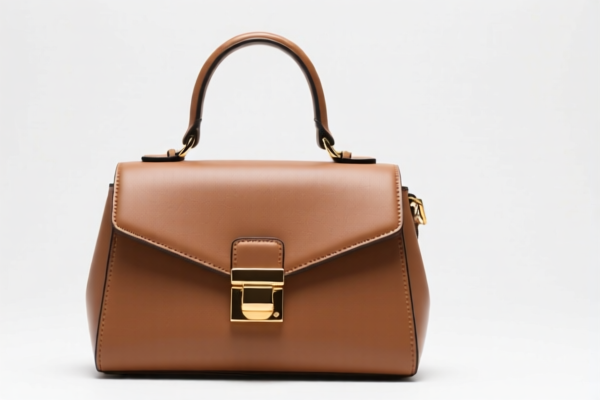
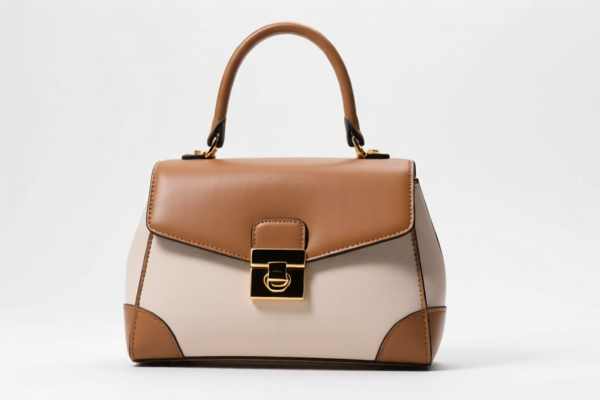
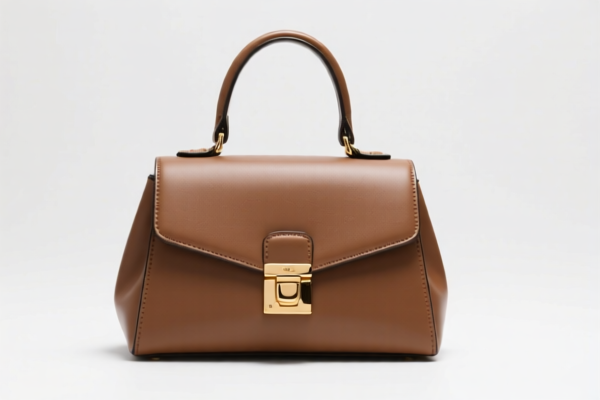
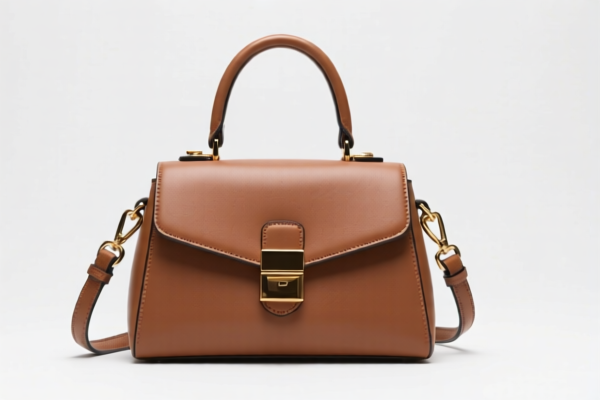
AI Analysis
🚴♂️ Bicycle Handlebar Bags (车把包)
🌐 HS Code Reference & Customs Clearance Guide | 2024/2025 Latest Tariff Analysis | Professional Compliance Strategy
📌 I. Product Definition & Classification: What Exactly is a "Handlebar Bag"?
Bicycle handlebar bags are specialized storage containers designed to attach to the handlebars of bicycles, motorcycles, or e-bikes. In international trade, these items fall under the broad category of "Travel, Sports and Similar Bags" within Heading 4202.
The critical distinction lies in the outer surface material: 1. Textile Materials: Made from nylon, polyester, canvas, or other woven fabrics. 2. Plastics Sheeting: Made from PVC, TPU, PU, or other synthetic sheet materials.
⚠️ Key Distinction Point:
- If the outer surface is primarily textile (e.g., Nylon/Polyester) →归类 to 4202.92.39.00
- If the outer surface is primarily plastics sheeting (e.g., PVC/TPU) → 归类 to 4202.92.45.00
📦 II. HS Code Classification Details (Authoritative对照 for 2024/2025)
Based on the provided data, here are the two specific HS Codes relevant to handlebar bags:
| HS Code | Product Description | Applicable Scenario | Outer Material |
|---|---|---|---|
4202.92.39.00 |
Travel, sports and similar bags: With outer surface of textile materials: Other | Standard nylon/polyester handlebar bags, waterproof fabric bags, canvas bags | ✅ Textile (Nylon, Polyester, etc.) |
4202.92.45.00 |
Travel, sports and similar bags: Other | PVC/TPU/PU handlebar bags, rain-proof plastic bags, vinyl pouches | ✅ Plastics Sheeting |
🔍 Important Note:
- Both codes fall under 4202.92 ("With outer surface of sheeting of plastics or of textile materials: Travel, sports and similar bags").
- The sub-classification depends strictly on the outer visible surface material, not the inner lining or straps.
- If a bag has a textile exterior but plastic interior lining, it is still 4202.92.39.00.
💰 III. 2024/2025 Tariff Rate Details (Tax Breakdown)
✅ Context: Based on the provided JSON data, these rates reflect standard tariffs. Please verify if any additional trade war tariffs (e.g., US Section 301) apply to your specific country of origin.
🎯 1. 4202.92.39.00 —— Handlebar Bags (Textile Outer Surface)
| Item | Content |
|---|---|
| Base Tariff Rate | 0.0% |
| Additional Tariff | 0.0% |
| Total Tax Rate | 0.0% |
| Tax Detail | Base: 0.0%, Additional: 0.0% |
| Cost Impact | Zero duty burden |
| Legal Basis | HTSUS 4202.92.39.00 |
📌 Explanation:
- Textile-based sports/travel bags often enjoy zero base tariffs under general trade agreements or national preferences.
- No additional taxes are listed in the provided data for this code.
- This is the most cost-effective classification if your product is made of standard textile materials (Nylon/Polyester).
🎯 2. 4202.92.45.00 —— Handlebar Bags (Plastic/Other Outer Surface)
| Item | Content |
|---|---|
| Base Tariff Rate | 20.0% |
| Additional Tariff | 25.0% |
| Total Tax Rate | 45.0% |
| Tax Detail | Base: 20.0%, Additional: 25.0% |
| Cost Impact | High duty burden |
| Legal Basis | HTSUS 4202.92.45.00 |
📌 Explanation:
- Base Rate (20%): Standard duty for non-textile travel bags.
- Additional Rate (25%): Likely reflects Section 301 tariffs or other punitive trade measures against specific countries of origin (e.g., China).
- Total 45%: This is a very high tax rate. If your handlebar bag is made of PVC or TPU, the duty cost will be nearly half the product's value.
- ⚠️ Critical Advice: Consider switching to textile materials (Nylon/Polyester) to access the 0% tax rate if feasible.
🛠️ IV. Customs Clearance Practical Advice (Pitfall Avoidance Guide)
✅ 1. Material Verification is Key
| Checkpoint | Action |
|---|---|
| Outer Layer Material | Test the fabric. Is it woven (textile) or non-woven/sheet (plastic)? |
| Labeling | Ensure the hangtag or product description clearly states "100% Nylon" or "PVC Coated" to support your HS code claim. |
| Composition Ratio | If the bag is partially textile and partially plastic, customs will likely classify it based on the chief material or the outermost visible layer. |
✅ 2. Declaration Tips
| Scenario | Correct Declaration | Common Mistake |
|---|---|---|
| Standard Bike Bag | Bicycle Handlebar Bag, 100% Polyester, Waterproof → 4202.92.39.00 |
Vague terms like "Bag" → Risk of audit |
| Plastic Rain Cover | PVC Handlebar Cover → 4202.92.45.00 |
Misclassifying as textile → Underpayment penalty |
| Hybrid Bag | Specify: Outer: Nylon, Lining: TPU → 4202.92.39.00 (if textile is chief material/outer) |
Ambiguous description → Delays |
✅ 3. Special Considerations
| Situation | Recommendation |
|---|---|
| OEM Custom Bags | Provide material certificates from suppliers to prove textile composition. |
| New Material Tech | If using "fabric-like" plastics (e.g., woven PVC), consult a customs broker. Customs may still view it as plastics. |
| Trade War Impact | If the 25% additional tariff is prohibitive, explore alternative materials (textile) or countries of origin eligible for exemptions. |
🌍 V. Global Market Comparison (General Insight)
| Market | Recommended HS Code | Estimated Duty | Notes |
|---|---|---|---|
| USA | 4202.92.39.00 |
0% | Ideal for textile bags. |
| USA | 4202.92.45.00 |
45% | High cost for plastic bags. |
| EU | 4202.92.39.00 |
~10-12% | Varies by country. |
| EU | 4202.92.45.00 |
~10-12% | No significant difference in base duty. |
📌 Conclusion:
- In the US market, material choice dramatically affects cost.
- Textile (0%) vs. Plastic (45%) is a massive difference.
- For exporters to the US, always prioritize textile materials for handlebar bags to minimize customs costs.
📌 VI. Common Errors & Pitfalls (Lessons Learned)
❌ Error 1: Calling a PVC bag a "Fabric Bag"
👉 Consequence: Customs tests material → Finds PVC → Re-classifies to 4202.92.45.00 → Back taxes + fines!
❌ Error 2: Assuming all bike bags are the same
👉 Consequence: Misclassification leads to 45% duty instead of 0%.
❌ Error 3: Ignoring the "Outer Surface" rule
👉 Consequence: Even if the bag is 90% fabric, if the outer shell is a plastic coating, it may be classified as plastic.
✅ Correct Approach:
"Bicycle Handlebar Bag, 600D Polyester, Waterproof Coating, Zipper Closure, Brand XYZ" → 4202.92.39.00
🎯 VII. Conclusion: Professional Declaration, Cost Optimization!
🎯 Remember:
🔹 "Material Matters: Textile is 0%, Plastic is 45%!"
🔹 "Always declare the outer layer material accurately!"
🔹 "Save thousands on duty by choosing Nylon over PVC!"
📌 Pro Tip:
If you are importing to the US, apply for a Binding Ruling if you are unsure about the classification of hybrid materials. This provides legal certainty and protects you from retroactive duties.
📣 Immediate Action:
📞 Verify Material → Choose HS Code → Document Clearly
🚀 Optimize Your Supply Chain for Zero Duty!
✨ Professional Clearance Starts with Accurate Classification!
💼 Every Percent of Duty Saved is Pure Profit!
Customer Reviews
About HS Code Classification
The Harmonized System (HS) is an internationally standardized nomenclature developed by the World Customs Organization (WCO) to classify traded products. Over 200 countries use the HS system as the basis for customs tariffs, trade statistics, and import/export regulations.
Each HS code follows a hierarchical structure:
- Chapter (2 digits) — Broad category of goods (e.g., Chapter 84: Machinery and Mechanical Appliances)
- Heading (4 digits) — More specific grouping within the chapter
- Subheading (6 digits) — Internationally standardized breakdown, used by all WCO member countries
- National subdivisions (8-10 digits) — Country-specific extensions for further classification, such as US HTSUS 10-digit codes
Correct HS code classification is essential for smooth customs clearance, accurate duty payment, and compliance with trade regulations. Misclassification can lead to customs delays, overpayment of duties, or penalties.
When importing from CN to US, the applicable tariff rates may include:
- Most-Favored-Nation (MFN) rate — The standard duty rate applied to WTO members
- General rate — Applied to countries without trade agreements
- Trade remedy duties — Additional tariffs such as Section 301 (anti-dumping), Section 232 (national security), or countervailing duties
The information provided on this page is for reference purposes only. For official classification, please consult with your local customs authority or a licensed customs broker.