车把手
CN → US| HS Code | Tariff Rate | Origin | Destination | Doc |
|---|---|---|---|---|
| 8302306000 | 38.5% | CN | US | Official Doc |
| 8714996000 | 17.5% | CN | US | Official Doc |
| 8714998000 | 27.5% | CN | US | Official Doc |
| 8302303060 | 87.0% | CN | US | Official Doc |
| 7326908676 | 87.9% | CN | US | Official Doc |
Product Images
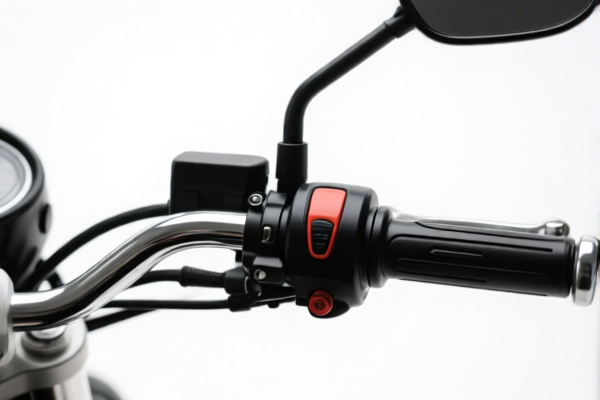
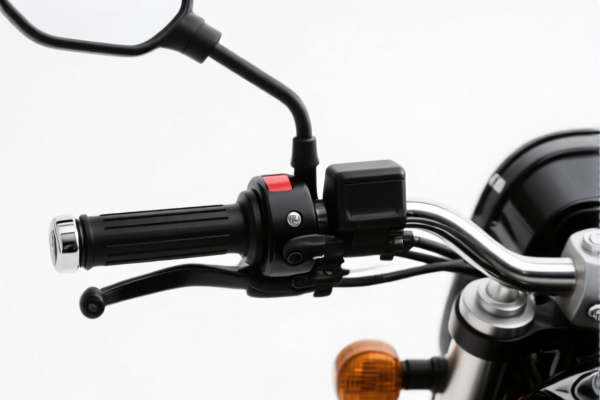
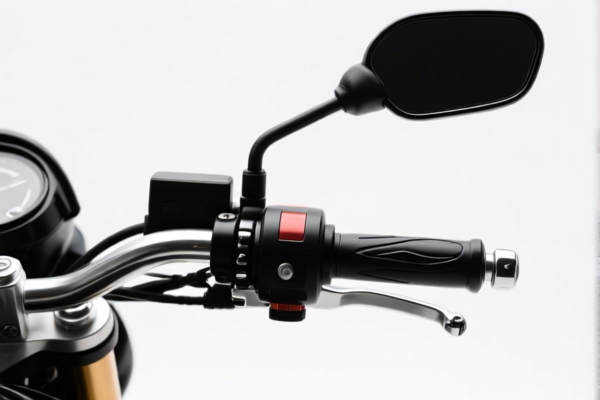
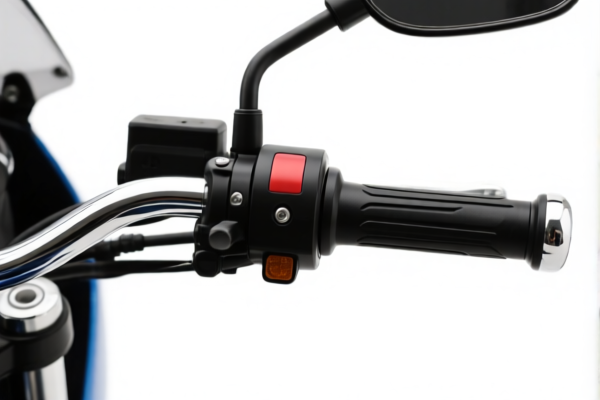
AI Analysis
🚲 Metal Handlebars (Vehicle Grips & Bars)
🌐 HS Code Reference & Clearance Guide | 2026 Latest Tariff Analysis | Professional Customs Strategy
📌 I. Product Definition & Classification: Do You Really Understand "Handlebars"?
Metal handlebars are essential control components for various vehicles, ranging from bicycles to automobiles. In international trade, their classification depends heavily on material composition, specific application, and intended vehicle type. Misclassification can lead to drastic tariff differences (from 17.5% to 87.9%).
⚠️ Key Distinction Point:
- Bicycle Parts: Generally fall under Chapter 87 (Vehicles other than railway); lower base tariffs.
- Automotive/Auto Parts: Fall under Chapter 83 (Miscellaneous articles of base metal) or Chapter 87 depending on specific attachment; often subject to higher "Section 301" or "122" additional tariffs due to steel/aluminum content.
- Material Specifics: Steel, Aluminum, and Copper products face extra surcharges in specific scenarios.
📦 II. HS Code Classification Details (2026 Latest Tariff Authority Reference)
| HS Code | Product Description | Application Scenario | Base Tariff | Additional Tariffs | Total Tax Rate |
|---|---|---|---|---|---|
8714.99.60.00 |
Metal handlebars, Aluminum alloy or hardware | Bicycle handlebars | 0.0% | 7.5% + 10% (Sec 122) | 17.5% |
8714.99.80.00 |
Metal handlebars, General metal | General vehicle parts & accessories | 10.0% | 7.5% + 10% (Sec 122) | 27.5% |
8302.30.60.00 |
Metal vehicle door handles/handles | Motor vehicle equipment accessories | 3.5% | 25.0% + 10% (Sec 122) | 38.5% |
8302.30.30.60 |
Metal handlebars, For car installation | Car installation parts | 2.0% | 25.0% + 10% (Sec 122) + 50% (Steel/Al/Cu) | 87.0% |
7326.90.86.76 |
Metal handlebars, Iron or Steel | Other articles of iron or steel | 2.9% | 25.0% + 10% (Sec 122) + 50% (Steel/Al/Cu) | 87.9% |
🔍 Key Reminder:
- Chapter 87 vs. Chapter 83: If it's clearly a bicycle part, use8714. If it's an automotive accessory (like door handles or car-specific grips), it may shift to8302.
- Steel/Aluminum Surcharge: Codes8302.30.30.60and7326.90.86.76incur an additional 50% tariff for Steel, Aluminum, or Copper products. This is the biggest cost driver!
💰 III. 2026 Latest Tariff Rate Details (Including Surcharges)
✅ Applicable Country: United States (US)
✅ Origin: China (CN)
✅ Effective Time: 2025/2026 (Current Policy)
🎯 1. 8714.99.60.00 —— Bicycle Handlebars (Aluminum/Hardware)
| Item | Content |
|---|---|
| Base Tariff | 0.0% |
| Section 301 Surcharge | +7.5% |
| Section 122 Tariff | +10% |
| Total Tax Rate | 17.5% |
| Calculation | CIF Value × 17.5% |
| De Minimis Eligible? | ✅ Yes (Likely eligible under $800 de minimis if structured correctly, but check current CBP rulings) |
| Legal Basis | HTSUS 8714.99.60.00 |
📌 Explanation:
- This is the most favorable classification for bicycle handlebars.
- Base tariff is 0%, making it highly competitive.
- Total burden is only 17.5%, significantly lower than auto parts.
🎯 2. 8714.99.80.00 —— General Vehicle Handlebars (Metal)
| Item | Content |
|---|---|
| Base Tariff | 10.0% |
| Section 301 Surcharge | +7.5% |
| Section 122 Tariff | +10% |
| Total Tax Rate | 27.5% |
| Calculation | CIF Value × 27.5% |
| De Minimis Eligible? | ✅ Yes (Generally eligible) |
📌 Note:
- Higher base tariff (10%) due to less specific classification.
- Still much cheaper than automotive accessories.
🎯 3. 8302.30.60.00 —— Auto Equipment Accessories (Metal Handles)
| Item | Content |
|---|---|
| Base Tariff | 3.5% |
| Section 301 Surcharge | +25.0% |
| Section 122 Tariff | +10% |
| Total Tax Rate | 38.5% |
| Calculation | CIF Value × 38.5% |
| De Minimis Eligible? | ❌ No (High tariff threshold often excludes de minimis) |
| Legal Basis | HTSUS 8302.30.60.00 |
📌 Explanation:
- Classified as "Base metal fittings" for vehicles.
- 25% Section 301 is significant.
- Not suitable for de minimis shipments in most cases.
🎯 4. 8302.30.30.60 & 7326.90.86.76 —— High-Tariff Steel/Aluminum Products
| Item | Content |
|---|---|
| Base Tariff | 2.0% - 2.9% |
| Section 301 Surcharge | +25.0% |
| Section 122 Tariff | +10% |
| Steel/Al/Cu Surcharge | +50.0% |
| Total Tax Rate | 87.0% - 87.9% |
| Calculation | CIF Value × ~87.5% |
| De Minimis Eligible? | ❌ No |
📌 CRITICAL WARNING:
- These codes apply to Steel, Aluminum, or Copper products.
- The 50% surcharge is punitive and extremely costly.
- Avoid these codes unless absolutely necessary. If possible, redesign or reclassify to avoid steel/aluminum classification.
🛠️ IV. Customs Clearance Practical Advice (Avoid Pitfalls)
✅ 1. Documentation Checklist (All Required)
| Document | Must Provide | Explanation |
|---|---|---|
| ✅ Product Spec Sheet | ✔️ | Material (Aluminum/Steel?), Dimensions, Usage (Bike/Car?) |
| ✅ Product Photos | ✔️ | Clear view of handlebar shape, ends, clamp area |
| ✅ Commercial Invoice | ✔️ | Precise description: "Aluminum Alloy Bicycle Handlebar" vs "Steel Auto Handle" |
| ✅ Packing List | ✔️ | Weight, dimensions, packaging type |
| ✅ Certificate of Origin | ✔️ | To confirm origin and potential FTZ benefits |
| ✅ Material Declaration | ✔️ | Explicitly state material composition (e.g., "6061 Aluminum Alloy") |
✅ 2. Declaration Tips (Key Mnemonics)
🔥 "Bike is 17.5%, Auto is 38.5%, Steel is 87.5%!"
| Scenario | Correct Declaration | Wrong Practice |
|---|---|---|
| Bicycle Handlebars | HS 8714.99.60.00 |
Misclassify as Auto Part → 38.5%+ |
| Auto Door Handles | HS 8302.30.60.00 |
Misclassify as Bike Part → Audit Risk |
| Steel Handlebars | HS 7326.90.86.76 (if unavoidable) |
Claim "Aluminum" falsely → Fraud Penalty |
| Mixed Pack | Separate by HS Code | Mixed申报 → Delay & Reassessment |
✅ 3. Special Situation Handling
| Situation | Recommendation |
|---|---|
| OEM Custom Handlebars | Provide design drawings to prove specific vehicle compatibility |
| Aluminum vs. Steel | Prove Material: Use mill certificates to support "Aluminum" claim for lower tariffs |
| Part of a Kit | If handlebar is shipped with brake levers, declare as complete assembly under appropriate HS |
| De Minimis Strategy | For < $800, focus on 8714 (Bike) codes which may still qualify, but verify with broker |
🌍 V. Global Market Clearance Comparison (2026 Latest)
| Country/Region | Recommended HS Code | Tariff (China Origin) | Certification | Notes |
|---|---|---|---|---|
| 🇺🇸 USA | 8714.99.60.00 |
17.5% | None | Avoid Steel/Al codes (87%+) |
| 🇺🇸 USA | 8302.30.60.00 |
38.5% | None | For auto accessories |
| 🇪🇺 EU | 8714.99.00 |
0% | CE/UKCA | No Section 301 |
| 🇨🇳 China | 8714.99.00 |
0% | CCC | Low import duty |
| 🇲🇽 Mexico | 8714.99.00 |
0% (under USMCA) | None | If meets Rules of Origin |
📌 Conclusion:
- USA is the most challenging market due to Section 301 and 122 tariffs.
- Bicycle parts (8714) are significantly cheaper than Auto parts (8302/7326).
- Steel/Aluminum surcharges make certain classifications prohibitively expensive.
📌 VI. Common Mistakes & Pitfalls (Blood Lessons)
❌ Mistake 1: Calling "Steel Auto Handle" a "Bicycle Handlebar"
👉 Consequence: Customs rejects, audit, penalties. Material mismatch is easy to detect.
❌ Mistake 2: Using 8714 for Auto Handles
👉 Consequence: Duty evasion claim → 3x penalty + seizure.
❌ Mistake 3: Ignoring the 50% Steel/Aluminum Surcharge
👉 Consequence: Budget overrun. 87.9% tariff can wipe out all profit margins.
❌ Mistake 4: Vague Description "Metal Handle"
👉 Consequence: Customs assigns worst-case HS code automatically.
✅ Correct Approach:
"Aluminum Alloy Bicycle Handlebar, Model XYZ, 25.4mm Clamp Diameter, Black Anodized, No Auto Components"
🎯 VII. Conclusion: Professional Declaration Saves Money!
🎯 Remember the Mnemonic:
🔹 "Bike 17.5%, Auto 38.5%, Steel 87.5%!"
🔹 "Prove Aluminum, Avoid Steel, Declare Precisely!"
📌 Pro Tip:
- If your handlebars are 100% Aluminum, ensure your documentation explicitly states "Aluminum Alloy" and provides material test reports.
- For De Minimis (<$800), confirm with your broker if 8714 codes are still eligible under current CBP enforcement.
- Pre-ruling: Consider applying for a HTSUS Pre-Ruling to lock in the 17.5% rate for bike parts.
📣 Immediate Action:
📞 Contact a Licensed Customs Broker
📄 Provide Detailed Material Specs
🚀 Optimize HS Code to Avoid 87%+ Tariffs
✨ Professional Clearance Starts with Accurate Classification!
💼 Every Percent Saved is Pure Profit!
Customer Reviews
About HS Code Classification
The Harmonized System (HS) is an internationally standardized nomenclature developed by the World Customs Organization (WCO) to classify traded products. Over 200 countries use the HS system as the basis for customs tariffs, trade statistics, and import/export regulations.
Each HS code follows a hierarchical structure:
- Chapter (2 digits) — Broad category of goods (e.g., Chapter 84: Machinery and Mechanical Appliances)
- Heading (4 digits) — More specific grouping within the chapter
- Subheading (6 digits) — Internationally standardized breakdown, used by all WCO member countries
- National subdivisions (8-10 digits) — Country-specific extensions for further classification, such as US HTSUS 10-digit codes
Correct HS code classification is essential for smooth customs clearance, accurate duty payment, and compliance with trade regulations. Misclassification can lead to customs delays, overpayment of duties, or penalties.
When importing from CN to US, the applicable tariff rates may include:
- Most-Favored-Nation (MFN) rate — The standard duty rate applied to WTO members
- General rate — Applied to countries without trade agreements
- Trade remedy duties — Additional tariffs such as Section 301 (anti-dumping), Section 232 (national security), or countervailing duties
The information provided on this page is for reference purposes only. For official classification, please consult with your local customs authority or a licensed customs broker.