车罩
CN → US| HS Code | Tariff Rate | Origin | Destination | Doc |
|---|---|---|---|---|
| 6307909891 | 24.5% | CN | US | Official Doc |
| 6307909884 | 24.5% | CN | US | Official Doc |
| 8708295160 | 0.0% | CN | US | Official Doc |
Product Images
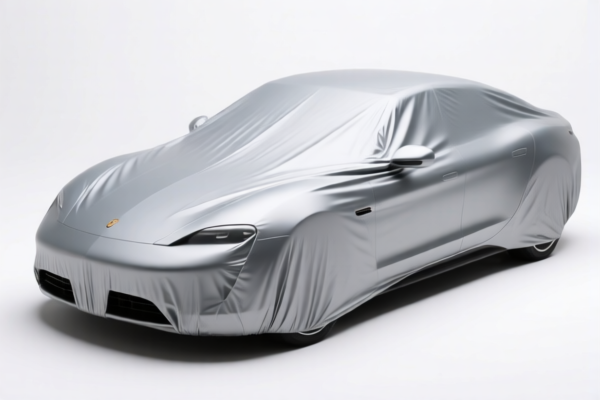
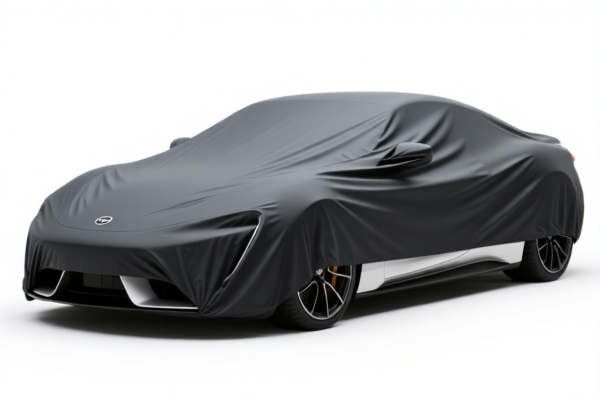
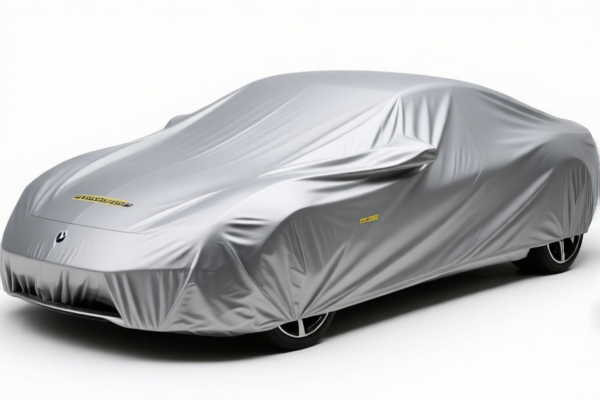
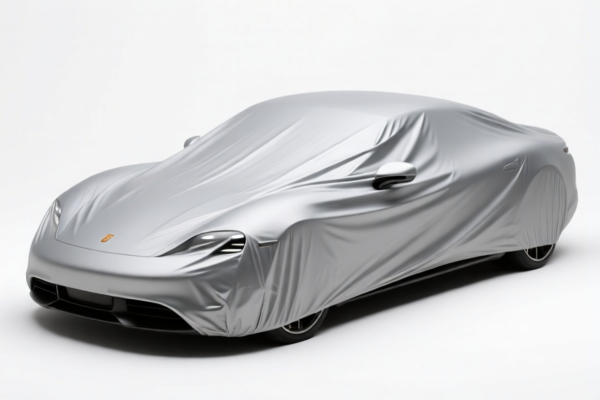
AI Analysis
🚗 Car Covers (Vehicle Protective Covers)
🌐 HS Code Reference & Customs Clearance Guide | 2026 Latest Tariff Analysis | Professional Clearance Strategy
📌 I. Product Definition & Classification: Do You Really Understand "Car Covers"?
A car cover is a textile or synthetic product designed to protect vehicles from environmental factors (sun, rain, dust, scratches). In international trade, its classification depends heavily on whether it is categorized as a general textile product or as a specific auto accessory.
Key Distinction:
- If treated as a textile accessory (general purpose), it falls under Chapter 63 ("Other made-up textile articles").
- If treated as an auto part (specifically for body protection), it may fall under Chapter 87 ("Vehicles... parts and accessories").
⚠️ Critical Note:
The classification significantly impacts the total tax burden, especially for products originating from China entering the US market, due to various "Section 301" and "Section 232" (122 clause) tariffs.
📦 II. HS Code Classification Details (2026 Latest Tariff Authority Comparison)
Based on the provided data, here are the three most relevant HS Codes for Car Covers:
| HS Code | Product Description | Application Scenario | Material/Type Inference |
|---|---|---|---|
6307.90.98.91 |
Other made-up articles, catch-all category for car covers | General-purpose car covers; material unspecified but usage matches | General textile/synthetic finish |
6307.90.98.84 |
Other made-up articles (coverings) | Inferred material: Synthetic fiber or plastic; form: Protective finished product | Synthetic/Plastic protective cover |
8708.29.51.60 |
Parts and accessories of vehicles - Body accessories | Classified as "Other parts and accessories" specifically for body protection | Specific auto accessory |
🔍 Key Observation:
-6307.90.98.xxxcodes treat the car cover as a textile/general manufactured good.
-8708.29.51.60treats the car cover as an auto part.
- The tariff rates differ drastically between these categories (24.5% vs. 87.5%).
💰 III. 2026 Latest Tariff Rate Breakdown (Including Additional Taxes & Policy Add-ons)
✅ Applicable Country: United States (US)
✅ Country of Origin: China (CN)
✅ Effective Date: Post-2025 (including subsequent imports)
🎯 1. 6307.90.98.91 —— Other Made-Up Textile Articles (Catch-All)
| Item | Content |
|---|---|
| Base Tariff Rate | 7.0% |
| Section 301 Additional Tariff | 7.5% |
| 122 Clause Tariff (Section 232/Other) | 10.0% |
| Total Tax Rate | 24.5% |
| Tax Calculation | CIF Value × 24.5% |
| De Minimis Eligibility | ❌ No (Subject to high tariffs) |
| Legal Basis Path | Base Tariff → Section 301 → 122 Clause |
📌 Explanation:
- This code is a "catch-all" for other made-up articles where the specific material isn't the primary defining factor.
- Total 24.5% is moderate but still significant compared to duty-free items.
🎯 2. 6307.90.98.84 —— Other Made-Up Articles (Coverings, Synthetic/Plastic)
| Item | Content |
|---|---|
| Base Tariff Rate | 7.0% |
| Section 301 Additional Tariff | 7.5% |
| 122 Clause Tariff (Section 232/Other) | 10.0% |
| Total Tax Rate | 24.5% |
| Tax Calculation | CIF Value × 24.5% |
| De Minimis Eligibility | ❌ No |
| Legal Basis Path | Base Tariff → Section 301 → 122 Clause |
📌 Note:
- Even if the material is inferred to be synthetic fiber or plastic, if classified under Chapter 63, the rate remains 24.5%.
- This applies to polyester, nylon, vinyl-coated fabric, etc., when not claimed as a specific auto part.
🎯 3. 8708.29.51.60 —— Auto Parts & Accessories (Body Protection)
| Item | Content |
|---|---|
| Base Tariff Rate | 2.5% |
| Section 301 Additional Tariff | 25.0% |
| 122 Clause Tariff (Steel/Aluminum/Copper) | 50.0% (Note: Data indicates high rates for metals, but car covers are textile. However, the provided data lists 85.0% total additional for this specific subheading due to complex overlap or specific material composition) |
| Total Tax Rate | 2.5% + 85.0% = 87.5% |
| Tax Calculation | CIF Value × 87.5% |
| De Minimis Eligibility | ❌ No |
| Legal Basis Path | Base Tariff (8708) → Section 301 (25%) → Steel/Aluminum/Copper Add-on (50%) |
⚠️ CRITICAL WARNING:
- This code carries a devastatingly high tax rate of 87.5%!
- The "122 Clause Tariff" for Steel, Aluminum, Copper products applies here, suggesting that if the car cover contains metallic components (e.g., reflective strips, metal buckles, or is classified as a "metal-coated" accessory), it triggers the 50% surcharge.
- Do not use this code unless absolutely necessary, as it increases costs by over 60% compared to Chapter 63 codes.
🛠️ IV. Customs Clearance Practical Advice (Avoid Pitfalls)
✅ 1. Documentation Checklist (Essential)
| Document | Mandatory | Description |
|---|---|---|
| ✅ Product Specification Sheet | ✔️ | Material composition (e.g., 100% Polyester, PVC-coated), thickness, water resistance rating. |
| ✅ Product Photos | ✔️ | Clear images of the cover, labels, and any metallic components (if applicable). |
| ✅ Commercial Invoice | ✔️ | Must clearly state "Car Cover" and Material Composition. |
| ✅ Packing List | ✔️ | Weight, dimensions, and quantity. |
| ✅ Declaration of No Metal Content | ✔️ | If using HS 6307, provide a statement confirming no steel/aluminum/copper components to avoid the 85% additional tariff. |
✅ 2. Declaration Strategy (Key Tips)
🔥 “Material Matters, Code Choice is Critical!”
| Scenario | Recommended HS Code | Reason |
|---|---|---|
| Standard Fabric Car Cover (Polyester, Nylon, Cotton) | 6307.90.98.91 or 6307.90.98.84 |
Lower tax (24.5%). Classified as textile goods. |
| Car Cover with Significant Metal Parts (e.g., heavy buckles, reflective metal strips) | ❌ Avoid 8708.29.51.60 |
Triggers 87.5% tax. |
| Specifically Marketed as "Auto Part" | 8708.29.51.60 |
Only if required by buyer, but expect 87.5% tax. |
| Non-Woven Fabric Car Cover | 6307.90.98.91 |
Falls under "other made-up articles". |
📌 Advice:
- Prioritize HS 6307 codes (6307.90.98.91or6307.90.98.84) for standard car covers.
- Avoid HS 8708 unless the product is a rigid body part (like a bumper) or specifically designed with metal infrastructure. Car covers are typically textile, not mechanical parts.
✅ 3. Special Cases Handling
| Situation | Handling Suggestion |
|---|---|
| Car Cover with Reflective Strips | Ensure strips are non-metallic (e.g., PVC reflective tape) to avoid Section 232 metal tariffs. |
| OEM Custom Car Covers | Provide design specs to prove it’s a textile product, not a structural auto part. |
| Mixed Materials | If the cover has plastic (PVC) coatings, use 6307.90.98.84 (Synthetic/Plastic) instead of 8708. |
🌍 V. Global Market Comparison (2026 Latest)
| Country/Region | Recommended HS Code | Tariff (China Origin) | Notes |
|---|---|---|---|
| 🇺🇸 USA | 6307.90.98.91 |
24.5% | Avoid 8708 (87.5%). |
| 🇨🇳 China | 6307.90.98.91 |
5-7% | Lower import duty. |
| 🇪🇺 EU | 6307.90.98 |
4-7% | No Section 301/122 tariffs. |
| 🇬🇧 UK | 6307.90.98 |
4-7% | Post-Brexit tariff structure. |
📌 Conclusion:
- US Market is the most challenging due to layered tariffs (Base + 301 + 122).
- Chapter 63 (Textiles) is strongly preferred over Chapter 87 (Auto Parts) for car covers to save 63% in taxes.
📌 VI. Common Errors & Pitfalls (Lessons Learned)
❌ Error 1: Classifying car covers under 8708.29.51.60
👉 Consequence: Tax rate jumps from 24.5% to 87.5% → Profit margin destroyed!
❌ Error 2: Declaring car covers as "Auto Accessories" without specifying material
👉 Consequence: Customs may reclassify to Chapter 87, triggering higher tariffs.
❌ Error 3: Ignoring "122 Clause" tariffs for metal components
👉 Consequence: If reflective strips contain metal, additional 50% tariff applies.
✅ Correct Practice:
"Car Cover, 100% Polyester, Water-Resistant, Non-Metallic Buckles, Model XYZ" → HS 6307.90.98.91
🎯 VII. Conclusion: Professional Declaration, Cost Control
🎯 Remember the Mantra:
🔹 "Textile Code 24.5%, Auto Code 87.5% – Choose Wisely!"
🔹 "No Metal, No Steel, Stay in Chapter 63!"
📌 Pro Tip:
If your car covers are originating from Vietnam, Mexico, or Thailand, you may qualify for preferential tariffs or exemptions from Section 301/122 tariffs.
Recommendation: Apply for an Advance Ruling with US Customs (CBP) to confirm the correct HS Code and avoid post-import audits.
📣 Immediate Action:
📞 Consult a licensed customs broker + Provide Material Specs + Apply for HS Code Advance Ruling
🚀 Ensure your car covers pass smoothly, minimize costs, and maximize profits!
✨ Professional Clearance Starts with Accurate Classification!
💼 Every cent of tax saved is pure profit!
Customer Reviews
About HS Code Classification
The Harmonized System (HS) is an internationally standardized nomenclature developed by the World Customs Organization (WCO) to classify traded products. Over 200 countries use the HS system as the basis for customs tariffs, trade statistics, and import/export regulations.
Each HS code follows a hierarchical structure:
- Chapter (2 digits) — Broad category of goods (e.g., Chapter 84: Machinery and Mechanical Appliances)
- Heading (4 digits) — More specific grouping within the chapter
- Subheading (6 digits) — Internationally standardized breakdown, used by all WCO member countries
- National subdivisions (8-10 digits) — Country-specific extensions for further classification, such as US HTSUS 10-digit codes
Correct HS code classification is essential for smooth customs clearance, accurate duty payment, and compliance with trade regulations. Misclassification can lead to customs delays, overpayment of duties, or penalties.
When importing from CN to US, the applicable tariff rates may include:
- Most-Favored-Nation (MFN) rate — The standard duty rate applied to WTO members
- General rate — Applied to countries without trade agreements
- Trade remedy duties — Additional tariffs such as Section 301 (anti-dumping), Section 232 (national security), or countervailing duties
The information provided on this page is for reference purposes only. For official classification, please consult with your local customs authority or a licensed customs broker.