车载支架
CN → US| HS Code | Tariff Rate | Origin | Destination | Doc |
|---|---|---|---|---|
| 7326908688 | 87.9% | CN | US | Official Doc |
| 7326200090 | 88.9% | CN | US | Official Doc |
Product Images
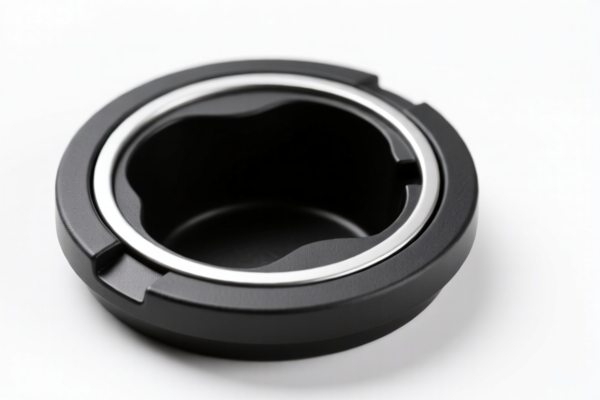
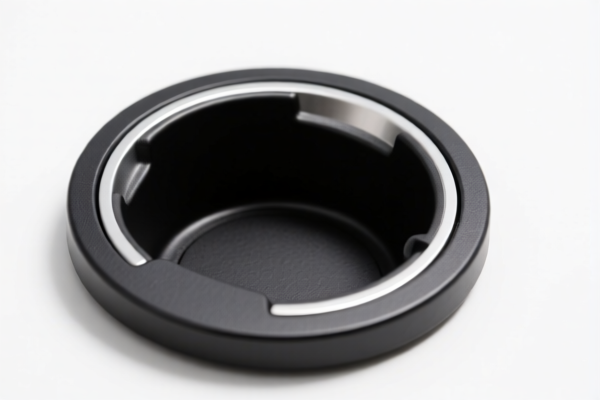
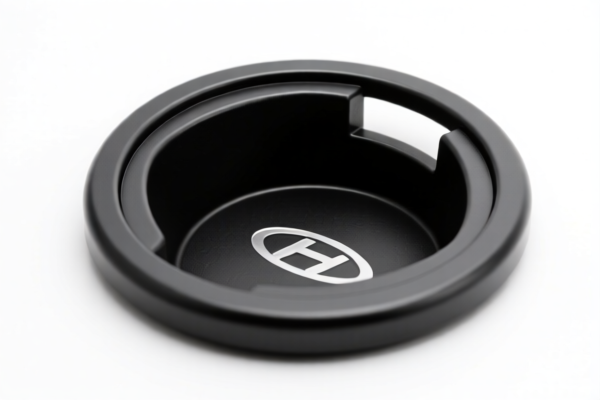
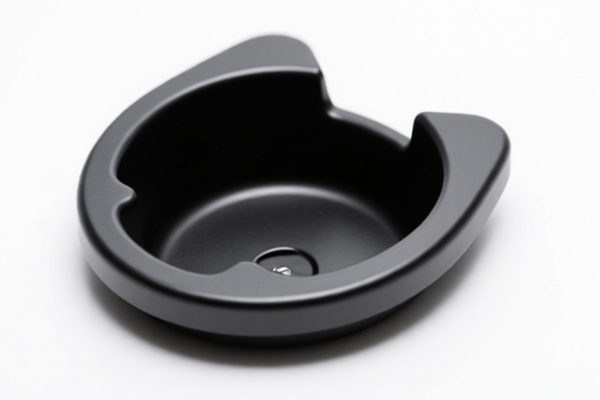
AI Analysis
🚗 Car Mounts & Holders (Automotive Accessories)
🌐 HS Code Reference & Customs Clearance Guide | 2026 Latest Tariff Analysis | Professional Clearance Strategy
📌 I. Product Definition & Classification: What Exactly is a "Car Mount"?
A "Car Mount" (车载支架) is a broad category covering devices designed to hold smartphones, GPS units, tablets, or dash cameras in vehicles. In international trade, classification depends heavily on material and functionality.
Under the provided data (<DATA>), the classification is restricted to Iron or Steel Articles. This means plastic, rubber, or wood-based mounts are NOT covered by the specific HS codes below, though they often follow similar tariff logic under other chapters (e.g., Chapter 39 for plastics).
For Metal (Iron/Steel) car mounts, there are two primary classification paths:
1. Wire Products (Articles of Iron or Steel Wire)
- Description: Mounts constructed primarily from wire frames, springs, or flexible wire hinges.
- HS Code Range: 7326.20.00.90
- Key Feature: If the structural integrity relies on wired components (e.g., a wire cage holding the phone), it may fall here.
2. Other Articles of Iron or Steel
- Description: Rigid metal brackets, cast iron bases, or stamped metal arms that do not qualify as "wire products."
- HS Code Range: 7326.90.86.88
- Key Feature: Most common heavy-duty metal car mounts, vent clips, or dashboard holders made of solid metal parts.
⚠️ Critical Distinction:
- If the mount is mostly plastic with small metal screws/clamps → It likely belongs to Chapter 39 (Plastics), NOT the codes below.
- If the mount is predominantly metal (frame, bracket, base) → Use the codes below.
- Misclassification Risk: Declaring a plastic mount as steel to avoid plastic tariffs (or vice versa) will lead to customs audits and fines.
📦 II. HS Code Classification Details (Based on Provided Data)
| HS Code | Product Description | Material Composition | Typical Use Case |
|---|---|---|---|
7326.20.00.90 |
Other articles of iron or steel: Articles of iron or steel wire Other | Iron/Steel Wire | Wire-frame phone holders, flexible wire clamps, metal spring hinges |
7326.90.86.88 |
Other articles of iron or steel: Other: Other: Other: Other | Solid Metal/Steel Parts | Rigid metal brackets, cast bases, heavy-duty dashboard mounts, vent clips |
🔍 Key Reminder:
- The data provided ONLY covers iron/steel articles.
-7326.20.00.90is for wire articles.
-7326.90.86.88is for other metal articles (non-wire).
- Do not use these codes for plastic, leather, or wooden mounts.
💰 III. 2026 Latest Tariff Rate Breakdown (Detailed Analysis)
✅ Applicable Country: United States (US)
✅ Origin: China (CN)
✅ Effective Date: Current as of latest trade regulations (Section 301 & IEEPA)
🎯 1. 7326.20.00.90 – Articles of Iron or Steel Wire
| Item | Detail |
|---|---|
| Base Tariff | 0.0% |
| Section 301 Surcharge (Steel/Aluminum/Copper) | +50% (Special surcharge for steel/aluminum/copper products) |
| Total Tax Rate | 50.0% |
| Tax Calculation | CIF Value × 50% |
| Legal Basis | Steel/Aluminum/Copper Surcharge: 50% |
📌 Explanation:
- Even though the base tariff is 0%, the Section 301/Steel Surcharge applies heavily.
- The note "Steel, Aluminum, Copper Products Surcharge: 50%" indicates that this HS code is subject to a high punitive tariff due to its classification as a steel article.
- Cost Impact: Extremely high. Importing metal wire-based car mounts is costly.
🎯 2. 7326.90.86.88 – Other Articles of Iron or Steel
| Item | Detail |
|---|---|
| Base Tariff | 2.9% |
| Section 301 Surcharge (Steel/Aluminum/Copper) | +50% (Special surcharge for steel/aluminum/copper products) |
| Total Tax Rate | 77.9% |
| Tax Calculation | CIF Value × 77.9% |
| Legal Basis | Steel/Aluminum/Copper Surcharge: 50% |
📌 Explanation:
- This category attracts both a base tariff (2.9%) AND the 50% surcharge.
- Total Effective Rate: 77.9%.
- This is a prohibitive tariff rate. Importing rigid metal car mounts from China to the US is likely unprofitable unless the product value is extremely high or sourced from a non-Chinese origin.🔥 Critical Insight:
- Both codes attract the 50% surcharge for steel products.
-7326.90.86.88is worse (77.9%) than7326.20.00.90(50%) due to the base tariff.
- If your product is plastic, do NOT use these HS codes. Use Chapter 39 (Plastics) which typically has lower or zero base tariffs, though Section 301 may still apply depending on the specific plastic subheading.
🛠️ IV. Customs Clearance Practical Advice
✅ 1. Material Verification is Key
| Scenario | Recommended HS Code | Tariff Impact | Action |
|---|---|---|---|
| 100% Plastic Mount | 3926.90.99.99 (Example) |
Lower Base + Possible Sec 301 | Avoid Steel Codes |
| Hybrid (Plastic Body + Metal Spring) | Depends on Essential Character | High Risk | Provide BOM (Bill of Materials) |
| 100% Metal Wire Mount | 7326.20.00.90 |
50% | Accept high tariff or re-source |
| 100% Metal Rigid Mount | 7326.90.86.88 |
77.9% | Strongly Advised Against |
📌 Note:
- Most consumer car mounts are plastic or silicone with small metal clips.
- If the plastic constitutes the essential character, classify under Chapter 39.
- If you incorrectly declare a plastic mount as steel, you risk 77.9% tariff + penalties.
✅ 2. Documentation Checklist
| Document | Requirement | Reason |
|---|---|---|
| Product Photos | Clear shots of material (metal vs. plastic) | Customs must verify material composition |
| Bill of Materials (BOM) | List % of metal vs. plastic | Determines "Essential Character" |
| Commercial Invoice | Describe as "Car Phone Holder" + "Material: Plastic/Metal" | Avoid vague terms like "Auto Part" |
| Material Test Report | If claiming plastic, provide SGS/Intertek report | Prove it is not steel to avoid steel tariffs |
✅ 3. Clearance Strategy
- Confirm Material: If >50% by weight or essential character is plastic, DO NOT use
7326.xxcodes. - Check Section 301 for Plastics: Even if plastic, check if your plastic HS code is on the Section 301 list (many are, at 7.5%~25%).
- Origin Strategy:
- If sourcing from China, metal mounts are not cost-effective due to 50-77.9% tariffs.
- Consider sourcing from Vietnam, Mexico, or Thailand for metal mounts to avoid Section 301 surcharges.
- Pre-Ruling:
- For hybrid products (plastic + metal), apply for a Binding Ruling with US Customs to ensure correct classification and avoid surprise tariffs.
🌍 V. Global Market Comparison (2026)
| Country/Region | Recommended HS Code | Est. Tariff (China Origin) | Note |
|---|---|---|---|
| 🇺🇸 USA | 7326.90.86.88 (Metal) |
77.9% | Prohibitive for metal mounts |
| 🇺🇸 USA | 3926.90.99 (Plastic) |
~7.5% - 25% | Much more favorable |
| 🇪🇺 EU | 7326.90 (Metal) |
~2.7% + VAT | No Section 301 surcharge |
| 🇨🇳 China | 7326.90 (Metal) |
~5-10% | Import into China |
📌 Conclusion:
- USA is the most challenging market for metal car mounts from China due to the 50% steel surcharge.
- Plastic mounts are the standard for cost-effective US imports.
- Metal mounts should be sourced from non-China origins or classified correctly as plastic if hybrid.
📌 VI. Common Mistakes & Pitfalls
❌ Mistake 1: Declaring a plastic mount as "Iron or Steel" to match a "popular" HS code.
👉 Consequence: Customs inspects, finds plastic, reclassifies, and charges 77.9% + penalties.
❌ Mistake 2: Ignoring the "50% Steel Surcharge."
👉 Consequence: Budgeting for 2.9% tariff when actual cost is 77.9%. Profit margin destroyed.
❌ Mistake 3: Using 7326.20.00.90 for a rigid metal bracket.
👉 Consequence: Misclassification. 7326.20 is for wire. Rigid brackets go to 7326.90. While tariff might be similar, it raises red flags.
✅ Correct Practice:
"Car Phone Mount, Plastic Body with Metal Spring Clamp, Model XYZ, Non-Electronic"
→ Classify under Chapter 39 (Plastics) if plastic is essential.
→ Provide BOM to prove material ratio.
🎯 VII. Conclusion: Smart Classification Saves Money
🎯 Remember:
🔹 "Plastic is King, Steel is Expensive" in US imports from China.
🔹 77.9% Tariff on metal mounts is a deal-breaker.
🔹 Verify Material First! Do not guess HS codes.
📌 Pro Tip:
If you are selling car mounts to the US:
1. Switch to Plastic/Silicone designs if possible.
2. If Metal is required, source from Mexico/Vietnam to avoid Section 301.
3. Always provide material composition in customs docs.
📣 Immediate Action:
📞 Consult a customs broker to verify if your specific product (Plastic vs. Metal ratio) qualifies for Chapter 39.
🚀 Don't let 77.9% tariff eat your profits!
✨ Precise Classification, Efficient Clearance!
💼 Every percentage point saved is pure profit!
Customer Reviews
About HS Code Classification
The Harmonized System (HS) is an internationally standardized nomenclature developed by the World Customs Organization (WCO) to classify traded products. Over 200 countries use the HS system as the basis for customs tariffs, trade statistics, and import/export regulations.
Each HS code follows a hierarchical structure:
- Chapter (2 digits) — Broad category of goods (e.g., Chapter 84: Machinery and Mechanical Appliances)
- Heading (4 digits) — More specific grouping within the chapter
- Subheading (6 digits) — Internationally standardized breakdown, used by all WCO member countries
- National subdivisions (8-10 digits) — Country-specific extensions for further classification, such as US HTSUS 10-digit codes
Correct HS code classification is essential for smooth customs clearance, accurate duty payment, and compliance with trade regulations. Misclassification can lead to customs delays, overpayment of duties, or penalties.
When importing from CN to US, the applicable tariff rates may include:
- Most-Favored-Nation (MFN) rate — The standard duty rate applied to WTO members
- General rate — Applied to countries without trade agreements
- Trade remedy duties — Additional tariffs such as Section 301 (anti-dumping), Section 232 (national security), or countervailing duties
The information provided on this page is for reference purposes only. For official classification, please consult with your local customs authority or a licensed customs broker.