车门锁执行器
CN → US| HS Code | Tariff Rate | Origin | Destination | Doc |
|---|---|---|---|---|
| 8708291500 | 0.0% | CN | US | Official Doc |
| 8708295160 | 0.0% | CN | US | Official Doc |
| 8505200000 | 38.1% | CN | US | Official Doc |
| 8505904000 | 35.0% | CN | US | Official Doc |
| 8301200060 | 40.7% | CN | US | Official Doc |
| 8301600000 | 0.0% | CN | US | Official Doc |
Product Images
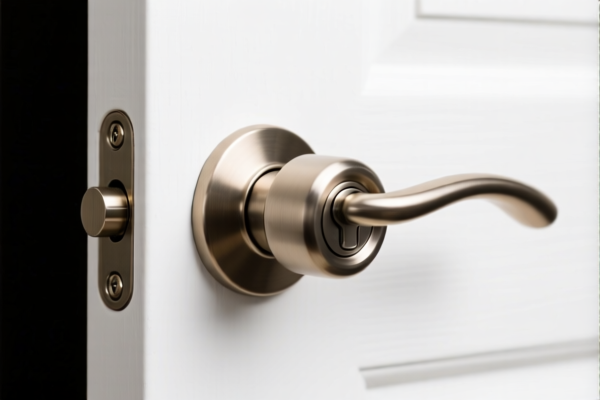
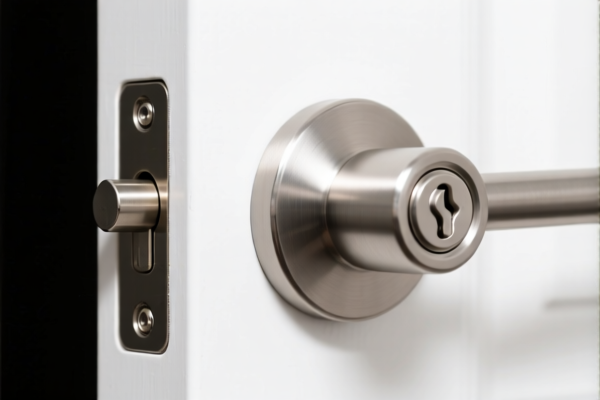
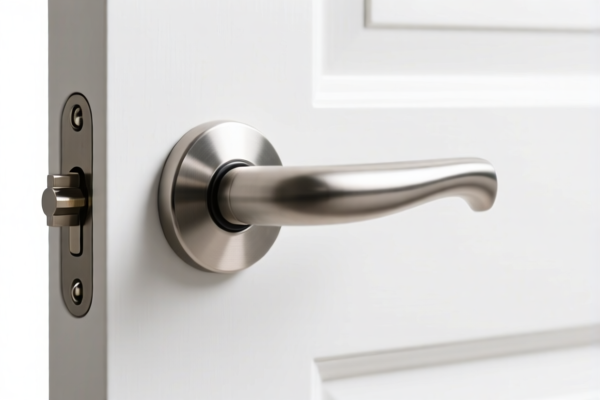
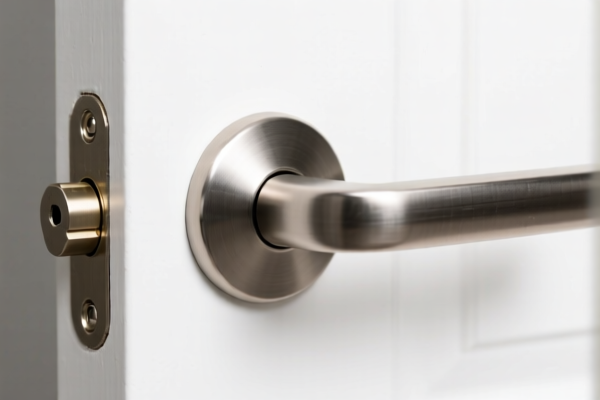
AI Analysis
🚗 Car Door Lock Actuators (Vehicle Body Parts)
🌐 HS Code Reference & Customs Clearance Guide | 2026 Latest Tariff Analysis | Professional Customs Strategy
📌 I. Product Definition & Classification: What exactly is a "Door Lock Actuator"?
A car door lock actuator is an electromechanical device responsible for locking and unlocking vehicle doors. It can be driven by electromagnetic coils or electric motors. In international trade, its classification depends heavily on whether it is viewed as a general mechanical part, an electromagnetic device, or a specific automotive body component.
⚠️ Key Classification Logic:
- If classified as a generic metal lock component → Harmonized Code 8301
- If classified as an electromagnetic/electric drive device → Harmonized Code 8505
- If classified as an automotive body part → Harmonized Code 8708 (Lowest Tariff Path)
📦 II. HS Code Classification Details (2026 Latest Tariff Authority Mapping)
Based on the provided data, here are the valid HS Codes for Car Door Lock Actuators and their corresponding tax structures:
| HS Code | Product Description | Customs Summary / Rationale | Total Tariff Rate |
|---|---|---|---|
8301.20.00.60 |
Metal Locks (Other) Automotive Locks |
Classified as a component of metal locks. Specifically under "Automotive Locks - Other". | 40.7% (Base 5.7% + 25% Section 301 + 10% Section 122) |
8505.90.40.00 |
Electromagnets / Electromagnetic Devices (Other) |
Classified as an electromagnetic or motor-driven actuating device. Falls under "Other electromagnetic devices". | 35.0% (Base 0.0% + 25% Section 301 + 10% Section 122) |
8708.29.15.00 |
Parts & Accessories of Motor Vehicles (Body Parts) |
Classified as a functional part of the door assembly, highly consistent with door assembly usage. | 2.5% + 35.0% (Base 2.5% + 25% Section 301 + 10% Section 122) |
8708.29.51.60 |
Parts & Accessories of Motor Vehicles (Body Parts - Other) |
Classified as a vehicle body part/accessory. Fits the definition of "Other body parts and accessories". | 2.5% + 85.0% (Base 2.5% + 25% Section 301 + 10% Section 122 + 50% Steel/Alu/Cu Surcharge) |
🔍 Critical Note:
- Codes starting with 8708 (Automotive Parts) generally offer lower base tariffs (2.5%) compared to 8301 (5.7%) or 8505 (0.0%).
- However, the total effective rate varies drastically based on material composition and Section 122/301 applicability.
-8708.29.51.60carries a massive additional 50% surcharge for products made of steel, aluminum, or copper.
💰 III. 2026 Latest Tariff Rate Breakdown (Including Surtaxes)
✅ Applicable Country: United States (US)
✅ Origin: China (CN)
✅ Effective Date: Post-2025/2026 regimes (Based on provided data)
🎯 1. 8301.20.00.60 — Metal Locks (Automotive)
| Item | Detail |
|---|---|
| Base Duty | 5.7% |
| Section 301 Surcharge | +25.0% |
| Section 122 Surcharge | +10.0% |
| Total Effective Rate | 40.7% |
| Calculation | CIF Value × 40.7% |
| Legal Basis | HTSUS 8301.20.00.60 + USITC Footnotes for Sec 301/122 |
📌 Explanation:
- This classification treats the actuator as a lock mechanism.
- The base tariff is higher (5.7%) than the automotive part option.
- Total Cost: High. Suitable only if the product is clearly identifiable as a "lock" and not a "part".
🎯 2. 8505.90.40.00 — Electromagnetic Devices
| Item | Detail |
|---|---|
| Base Duty | 0.0% |
| Section 301 Surcharge | +25.0% |
| Section 122 Surcharge | +10.0% |
| Total Effective Rate | 35.0% |
| Calculation | CIF Value × 35.0% |
| Legal Basis | HTSUS 8505.90.40.00 + USITC Footnotes |
📌 Explanation:
- This classification treats the actuator as an electromagnetic component.
- Zero base duty makes this cheaper than8301, but still significantly more expensive than the optimal automotive path.
- Often used when the electromagnetic nature is the primary feature declared.
🎯 3. 8708.29.15.00 — Automotive Body Parts (Optimal Base Rate)
| Item | Detail |
|---|---|
| Base Duty | 2.5% |
| Section 301 Surcharge | +25.0% |
| Section 122 Surcharge | +10.0% |
| Total Effective Rate | 37.5% (Displayed as 2.5% + 35.0%) |
| Calculation | CIF Value × 37.5% |
| Legal Basis | HTSUS 8708.29.15.00 + USITC Footnotes |
📌 Explanation:
- This is the most common and generally safest classification for automotive accessories.
- It leverages the low 2.5% base duty for automotive parts.
- Total Cost: Lower than8301(40.7%) and8505(35.0% is lower, but 8708 is more specific to auto). Wait, 35.0% is lower than 37.5%.
- Strategic Insight: If you can justify8505, it is cheaper (35%). If you justify8708.29.15, it is 37.5%. However,8708is often preferred for customs acceptance because it matches the end-use (vehicle part).
🎯 4. 8708.29.51.60 — Automotive Body Parts (Steel/Alu/Cu Surcharge)
| Item | Detail |
|---|---|
| Base Duty | 2.5% |
| Section 301 Surcharge | +25.0% |
| Section 122 Surcharge | +10.0% |
| Material Surcharge | +50.0% (For Steel, Aluminum, or Copper products) |
| Total Effective Rate | 87.5% (Displayed as 2.5% + 85.0%) |
| Calculation | CIF Value × 87.5% |
| Legal Basis | HTSUS 8708.29.51.60 + Material Surcharge Rules |
⚠️ CRITICAL WARNING:
- DO NOT USE this code if your actuator contains significant steel, aluminum, or copper components unless absolutely necessary.
- The additional 50% surcharge makes this the most expensive option.
- This code applies to "Other body parts" that fall into specific material categories triggering the surcharge.
🛠️ IV. Customs Clearance Practical Advice (Pitfall Avoidance)
✅ 1. Preparation Checklist (Non-Negotiable)
| Document | Required | Explanation |
|---|---|---|
| ✅ Product Specification Sheet | ✔️ | Must detail drive type (electric/magnetic), dimensions, and material composition (to avoid 8708.29.51.60 if possible). |
| ✅ Installation Manual | ✔️ | Proves it is a "vehicle part" (supporting 8708). |
| ✅ Product Photos | ✔️ | Clear view of motor/coil, mounting brackets, and electrical connectors. |
| ✅ Commercial Invoice | ✔️ | Describe as: "Electric Door Lock Actuator for Vehicle, Model XYZ". Avoid vague terms like "Lock Part". |
| ✅ Origin Certificate | ✔️ | For China-origin goods, expect full surtaxes. |
✅ 2. Classification Strategy (The "Golden Rule")
🔥 "End-Use is King, Material is Trap!"
| Scenario | Recommended HS Code | Reasoning |
|---|---|---|
| General Auto Part Import | 8708.29.15.00 |
Best balance of specificity and lower base rate (2.5%). Avoids the 50% material surcharge of 8708.29.51.60. |
| Emphasize Electrical Nature | 8505.90.40.00 |
If the actuator is sold separately as an electronic component. Rate: 35%. |
| Strictly "Lock Mechanism" | 8301.20.00.60 |
If imported as a standalone lock unit, not a vehicle part. Rate: 40.7%. |
| Heavy Steel/Aluminum Construction | Avoid 8708.29.51.60 |
The 50% surcharge makes it 87.5%. Try to re-classify as 8708.29.15 if design allows. |
✅ 3. Special Handling Tips
| Situation | Advice |
|---|---|
| Material Composition | If the actuator is primarily plastic with a small motor, ensure documentation highlights non-steel/non-aluminum structure to avoid the 8708.29.51.60 surcharge. |
| Kit Imports | If shipped with screws, wiring harnesses, and brackets, declare as a "Kit" under 8708.29.15.00. Do not split into parts. |
| Customs Inquiry | Be prepared to prove "Principal Use" as a vehicle part. Provide OEM installation guides. |
| Section 122/301 | These surtaxes apply to all codes listed for Chinese origin. There is no exemption for automotive parts from Section 301 or 122 in this dataset. |
🌍 V. Global Market Comparison (Snapshot)
| Market | Recommended HS Code | Est. Duty (CN Origin) | Note |
|---|---|---|---|
| 🇺🇸 USA | 8708.29.15.00 |
37.5% | Best balance. Avoid 8708.29.51.60 (87.5%). |
| 🇨🇳 China | 8708.99.90.90 |
~5-10% | Low duty, no surtaxes. |
| 🇪🇺 EU | 8708.29.90 |
~4.5% | No Section 301/122. Standard auto part duty. |
| 🇬🇧 UK | 8708.29.90 |
~4.5% | Post-Brexit standard rates. |
📌 Conclusion:
The United States is the most challenging market for Car Door Lock Actuators due to the combination of Section 301 (25%) and Section 122 (10%) surtaxes on top of base duties.
- Cheapest Path:8505.90.40.00at 35.0%.
- Safest/Most Common Path:8708.29.15.00at 37.5%.
- Most Expensive:8708.29.51.60at 87.5% (due to material surcharge).
📌 VI. Common Mistakes & Pitfalls (Blood Lessons)
❌ Mistake 1: Classifying as 8708.29.51.60 without checking material.
👉 Result: Paying an extra 50% for steel/aluminum content. Loss: $50 per $100.
❌ Mistake 2: Calling it a "Lock" to avoid auto parts scrutiny.
👉 Result: Classified as 8301 → 40.7% duty. Higher than the automotive part rate.
❌ Mistake 3: Ignoring Section 122.
👉 Result: Assuming only 301 (25%) applies. Forgetting the additional 10% Section 122 leads to underpayment and penalties.
✅ Correct Action:
"Declare as 'Vehicle Body Part Actuator', use HS
8708.29.15.00, verify material content to avoid steel/aluminum surcharge."
🎯 VII. Conclusion: Strategic Clearance for Maximum Profit
🎯 Key Takeaways:
🔹 Avoid
8708.29.51.60like the plague if your product has metal parts.
🔹8708.29.15.00is the standard for automotive integration (37.5%).
🔹8505.90.40.00is a viable cheaper alternative (35%) if electrical nature is emphasized.
🔹 Always account for Section 122 (10%) and Section 301 (25%) in cost models.
📌 Pro Tip:
If your actuators are made primarily of plastic with minimal metal, emphasize this in the spec sheet to defend against the 8708.29.51.60 material surcharge. Consider applying for a Pre-Ruling from US Customs (CBP) to lock in the 8708.29.15.00 classification.
📣 Immediate Action:
📞 Consult a licensed customs broker.
📄 Provide detailed Bill of Materials (BOM) to assess material surcharges.
🚀 Clear Customs Smoothly, Protect Margins!
✨ Professional Customs Clearance Starts with Precise Classification!
💼 Your Every Cent Counts!
Customer Reviews
About HS Code Classification
The Harmonized System (HS) is an internationally standardized nomenclature developed by the World Customs Organization (WCO) to classify traded products. Over 200 countries use the HS system as the basis for customs tariffs, trade statistics, and import/export regulations.
Each HS code follows a hierarchical structure:
- Chapter (2 digits) — Broad category of goods (e.g., Chapter 84: Machinery and Mechanical Appliances)
- Heading (4 digits) — More specific grouping within the chapter
- Subheading (6 digits) — Internationally standardized breakdown, used by all WCO member countries
- National subdivisions (8-10 digits) — Country-specific extensions for further classification, such as US HTSUS 10-digit codes
Correct HS code classification is essential for smooth customs clearance, accurate duty payment, and compliance with trade regulations. Misclassification can lead to customs delays, overpayment of duties, or penalties.
When importing from CN to US, the applicable tariff rates may include:
- Most-Favored-Nation (MFN) rate — The standard duty rate applied to WTO members
- General rate — Applied to countries without trade agreements
- Trade remedy duties — Additional tariffs such as Section 301 (anti-dumping), Section 232 (national security), or countervailing duties
The information provided on this page is for reference purposes only. For official classification, please consult with your local customs authority or a licensed customs broker.