轮速传感器
CN → US| HS Code | Tariff Rate | Origin | Destination | Doc |
|---|---|---|---|---|
| 8543704500 | 37.6% | CN | US | Official Doc |
| 9031909195 | 85.0% | CN | US | Official Doc |
| 9031499000 | 35.0% | CN | US | Official Doc |
| 8543706000 | 35.0% | CN | US | Official Doc |
| 8543709860 | 37.6% | CN | US | Official Doc |
Product Images
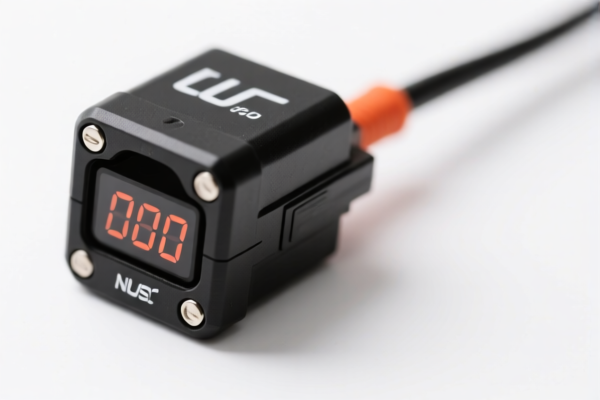
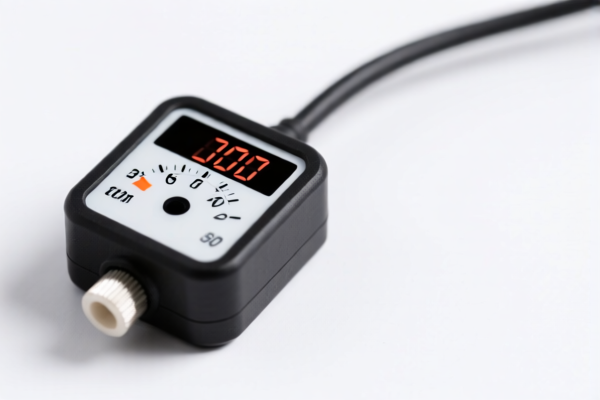
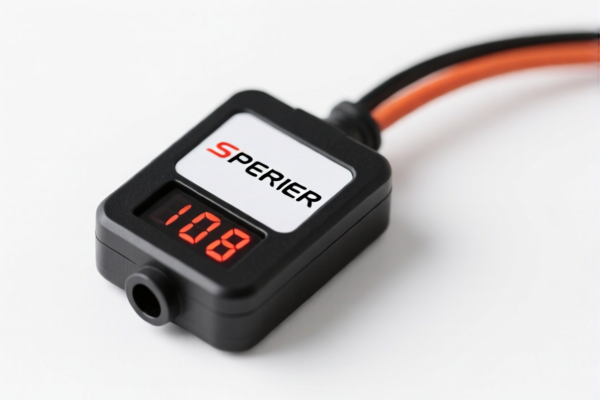
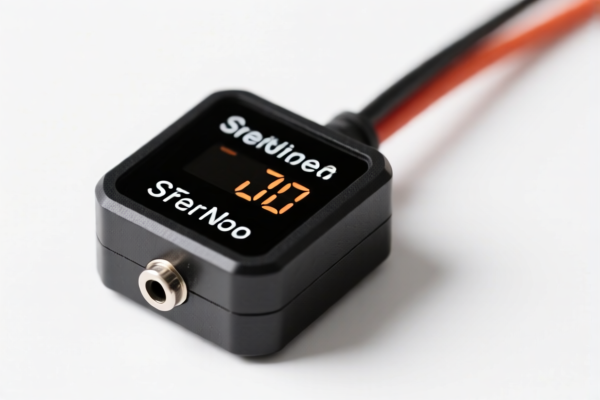
AI Analysis
🚗 Speed Sensors (Vehicle Wheel Speed Sensors)
🌐 HS Code Reference & Clearance Guide | 2026 Latest Tariff Analysis | Professional Customs Strategy
📌 I. Product Definition & Classification: What is a "Speed Sensor"?
A Speed Sensor (specifically Vehicle Wheel Speed Sensors in this context) is a critical component in modern automotive electronics, essential for Anti-lock Braking Systems (ABS), Traction Control Systems (TCS), and Electronic Stability Control (ESC).
In international trade, these sensors are primarily classified under two competing chapters: 1. Chapter 90 (Optical, Medical, & Measuring Instruments): Classified as parts/accessories of measuring instruments. 2. Chapter 85 (Electrical Machinery & Equipment): Classified as independent electrical devices with specific functions.
⚠️ Critical Distinction:
- If classified as a Measuring Instrument Accessory → Likely9031series.
- If classified as an Independent Electrical Device → Likely8543series.
- Key Factor: Does it perform a specific, standalone function (8543) or is it merely a component for a larger measuring system (9031)?
📦 II. HS Code Classification Details (2026 Latest Tariff Reference)
Based on the provided data, here are the 5 potential HS Codes for "Speed Sensors," along with their justification and tax implications.
| HS Code | Classification Logic | Total Tax Rate | Tax Breakdown |
|---|---|---|---|
| 9031.90.91.95 | Measuring Instrument Accessories: The sensor is viewed as a part/accessory of instruments used for "measurement or detection." It fits the "parts and accessories" description in Chapter 90. | 85.0% | Base: 0% Sec 301: 25% Section 122 (Steel/Aluminum/Copper): 50% |
| 8543.70.45.00 | Independent Electrical Device: The sensor is an independent electrical apparatus with its own function ("Sensor" usage), distinct from general measuring tools. | 37.6% | Base: 2.6% Sec 301: 25% Section 122: 10% |
| 9031.49.90.00 | Optical/Mechanical Detection Device: The sensor is categorized under "Other optical or mechanical detecting equipment." It aligns with the detection/measurement function. | 35.0% | Base: 0% Sec 301: 25% Section 122: 10% |
| 8543.70.98.60 | Other Machines/Devices: The sensor is an independent electrical measuring/detecting device that doesn't fit other specific subheadings, falling under "Other machines and apparatus." | 37.6% | Base: 2.6% Sec 301: 25% Section 122: 10% |
| 9031.80.80.85 | General Measuring Instrument (Catch-all): The sensor is a general "Other measuring or checking instrument." This is a residual category for measurement tools. | 10.0% | Base: 0% Sec 301: 0% Section 122: 10% |
🔍 Analysis Insight:
- Lowest Tax:9031.80.80.85(10.0%) – But carries higher compliance risk due to "catch-all" nature.
- Highest Tax:9031.90.91.95(85.0%) – Due to the heavy Section 122 surcharge on steel/aluminum components.
- Middle Ground:8543codes (~37.6%) – Balance of specificity and reasonable tax.
💰 III. 2026 Latest Tariff Rate Breakdown (Including Surtaxes)
✅ Applicable Country: USA (US)
✅ Origin: China (CN)
✅ Effective Date: From November 10, 2025 (and subsequent imports)
🎯 1. 9031.90.91.95 — Parts of Measuring Instruments (Highest Risk)
| Item | Detail |
|---|---|
| Base Duty | 0.0% |
| Section 301 Duty | +25.0% |
| Section 122 Duty | +50.0% (Due to steel/aluminum/copper content) |
| Total Duty | 85.0% |
| Calculation | CIF Value × 85.0% |
| De Minimis Exemption | ❌ Not Available |
| Legal Basis | USITC 9031.90.91.95 → Section 122 (Steel/Aluminum/Copper) |
📌 Warning:
The 50% Section 122 surcharge is catastrophic. If your sensor contains metal components (steel/aluminum housing/casing), this rate applies. Avoid this classification unless absolutely necessary.
🎯 2. 8543.70.45.00 — Independent Electrical Devices (Sensor Specific)
| Item | Detail |
|---|---|
| Base Duty | 2.6% |
| Section 301 Duty | +25.0% |
| Section 122 Duty | +10.0% |
| Total Duty | 37.6% |
| Calculation | CIF Value × 37.6% |
| De Minimis Exemption | ❌ Not Available |
| Legal Basis | USITC 8543.70.45.00 → Section 301 → Section 122 |
📌 Advantage:
Lower base rate and lower Section 122 surcharge compared to9031.90. Preferred if the sensor is an "independent electrical device."
🎯 3. 9031.49.90.00 — Other Optical/Mechanical Detection Devices
| Item | Detail |
|---|---|
| Base Duty | 0.0% |
| Section 301 Duty | +25.0% |
| Section 122 Duty | +10.0% |
| Total Duty | 35.0% |
| Calculation | CIF Value × 35.0% |
| De Minimis Exemption | ❌ Not Available |
| Legal Basis | USITC 9031.49.90.00 → Section 301 → Section 122 |
📌 Note:
Slightly lower than the8543option. Useful if the sensor is considered a "mechanical detecting equipment."
🎯 4. 8543.70.98.60 — Other Machines and Apparatus
| Item | Detail |
|---|---|
| Base Duty | 2.6% |
| Section 301 Duty | +25.0% |
| Section 122 Duty | +10.0% |
| Total Duty | 37.6% |
| Calculation | CIF Value × 37.6% |
| De Minimis Exemption | ❌ Not Available |
| Legal Basis | USITC 8543.70.98.60 → Section 301 → Section 122 |
📌 Note:
Essentially identical in tax to8543.70.45.00. Use if8543.70.45.00is deemed too specific or inapplicable.
🎯 5. 9031.80.80.85 — Other Measuring Instruments (Lowest Tax)
| Item | Detail |
|---|---|
| Base Duty | 0.0% |
| Section 301 Duty | 0.0% (Exempt under specific conditions) |
| Section 122 Duty | +10.0% |
| Total Duty | 10.0% |
| Calculation | CIF Value × 10.0% |
| De Minimis Exemption | ❌ Not Available |
| Legal Basis | USITC 9031.80.80.85 → Section 122 |
📌 Opportunity:
This is the most cost-effective option (10%). However, "Other measuring instruments" is a broad category. You must justify that the speed sensor is a standalone measuring instrument, not just a part of a larger system.
🛠️ IV. Customs Clearance Practical Advice
✅ 1. Documentation Checklist (Mandatory)
| Document | Required | Purpose |
|---|---|---|
| ✅ Product Specification Sheet | ✔️ | Detailed technical specs (output type, voltage, range, material). |
| ✅ Circuit Diagram/Block Diagram | ✔️ | Proves if it's an "independent electrical device" (8543) or a "part" (9031). |
| ✅ Product Photos | ✔️ | Show casing, connectors, labels. Check for steel/aluminum parts (Section 122 impact). |
| ✅ Function Description | ✔️ | Explain how it measures speed (inductive, hall-effect, optical?). |
| ✅ Commercial Invoice | ✔️ | Clear description: "Vehicle Wheel Speed Sensor for ABS System." |
| ✅ Origin Certificate (CO) | ✔️ | Essential for China origin verification. |
✅ 2. Classification Strategy (Key Maneuvers)
🔥 "Material Matters, Function Defines, Code Saves Money!"
| Scenario | Recommended HS Code | Reason |
|---|---|---|
| Sensor with Steel/Aluminum Housing | Avoid 9031.90.91.95 |
The 50% Section 122 tax makes it unprofitable. |
| Sensor as Independent Unit | 8543.70.45.00 |
Strong legal basis for "independent electrical device." |
| Sensor for General Measurement | 9031.80.80.85 |
Best Tax Rate (10%) if justification holds. |
| Sensor as Part of ABS Module | 9031.49.90.00 |
If it doesn't operate independently without the ABS ECU. |
✅ 3. Special Case Handling
| Situation | Advice |
|---|---|
| Material Composition | If the sensor is mostly plastic with minimal metal, argue against Section 122 applicability (though data shows 10-50% depending on code). |
| OEM Custom Sensors | Provide OEM drawings to prove it's a specialized measuring device. |
| Pre-Ruling Application | Highly Recommended. Apply for an USITC Advance Ruling to lock in the 10% or 35% rate before shipping. |
| De Minimis (Section 321) | ❌ Not Applicable. Electronic measuring devices and sensors generally do not qualify for $800 de minimis entry from China. |
🌍 V. Global Market Comparison (2026)
| Market | Recommended HS Code | Est. Tax | Notes |
|---|---|---|---|
| 🇺🇸 USA | 9031.80.80.85 |
10.0% | Best rate, but high scrutiny. |
| 🇺🇸 USA | 8543.70.45.00 |
37.6% | Safer classification, moderate tax. |
| 🇪🇺 EU | 9031.49.90.00 |
~2.5% | Lower base duty, no Section 122. |
| 🇨🇳 China | 9031.49.90.00 |
~8% | Import duty for foreign sensors. |
| 🇲🇽 Mexico | 9031.49.90.00 |
0-5% | Under USMCA if originating. |
📌 Conclusion:
The USA is the most complex market due to Section 301 and Section 122 tariffs. The tax difference between 10% and 85% is massive. Proper classification is not optional; it is a profit-center strategy.
📌 VI. Common Mistakes & Pitfalls (Lessons Learned)
❌ Mistake 1: Classifying under 9031.90.91.95 without checking Section 122.
👉 Result: 85% tax. Profit margin destroyed.
❌ Mistake 2: Ignoring "Independent Function."
👉 Result: CBP rejects 8543 and assigns 9031 with higher duty. Always prove the sensor works independently or has a defined standalone function.
❌ Mistake 3: Assuming De Minimis applies.
👉 Result: Seizure or penalties. Sensors are often excluded from $800 exemption for China-origin goods.
❌ Mistake 4: Inconsistent Product Names.
👉 Result: Delay in customs. Use consistent terms like "Wheel Speed Sensor" or "ABS Speed Sensor" across all documents.
✅ Correct Approach:
"Speed Sensor, Hall-Effect, ABS System Component, Model XYZ, Plastic Housing, Electrical Output."
🎯 VII. Conclusion: Precise Classification, Maximum Profit!
🎯 Key Takeaways:
1. Avoid 9031.90.91.95 due to the 50% Section 122 surcharge.
2. Aim for 9031.80.80.85 for the 10% effective rate, if legally defensible.
3. Use 8543.70.45.00 as a safe, balanced alternative (37.6%).
4. Always apply for an Advance Ruling to secure the lower tax rate before shipment.
📌 Pro Tip:
If your speed sensor is plastic-heavy with minimal metal, argue strongly against Section 122 applicability. If it's metal-heavy, structure the invoice and description to emphasize the electrical/measuring function (8543 or 9031.80) rather than the mechanical part (9031.90).
📣 Immediate Action:
📞 Contact a Customs Broker today.
📤 Submit a Pre-Ruling Request to USITC.
🚀 Secure the 10% rate and protect your margins!
✨ Precision in Classification, Precision in Profit!
💼 Every percent of tax saved is pure profit earned!
Customer Reviews
About HS Code Classification
The Harmonized System (HS) is an internationally standardized nomenclature developed by the World Customs Organization (WCO) to classify traded products. Over 200 countries use the HS system as the basis for customs tariffs, trade statistics, and import/export regulations.
Each HS code follows a hierarchical structure:
- Chapter (2 digits) — Broad category of goods (e.g., Chapter 84: Machinery and Mechanical Appliances)
- Heading (4 digits) — More specific grouping within the chapter
- Subheading (6 digits) — Internationally standardized breakdown, used by all WCO member countries
- National subdivisions (8-10 digits) — Country-specific extensions for further classification, such as US HTSUS 10-digit codes
Correct HS code classification is essential for smooth customs clearance, accurate duty payment, and compliance with trade regulations. Misclassification can lead to customs delays, overpayment of duties, or penalties.
When importing from CN to US, the applicable tariff rates may include:
- Most-Favored-Nation (MFN) rate — The standard duty rate applied to WTO members
- General rate — Applied to countries without trade agreements
- Trade remedy duties — Additional tariffs such as Section 301 (anti-dumping), Section 232 (national security), or countervailing duties
The information provided on this page is for reference purposes only. For official classification, please consult with your local customs authority or a licensed customs broker.