运动包
CN → US| HS Code | Tariff Rate | Origin | Destination | Doc |
|---|---|---|---|---|
| 3923290000 | 38.0% | CN | US | Official Doc |
| 6305330080 | 25.9% | CN | US | Official Doc |
| 4202923131 | 52.6% | CN | US | Official Doc |
| 4202923120 | 52.6% | CN | US | Official Doc |
| 6305390000 | 25.9% | CN | US | Official Doc |
Product Images
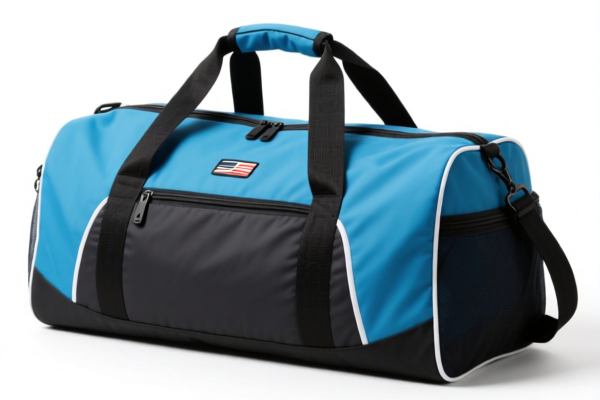
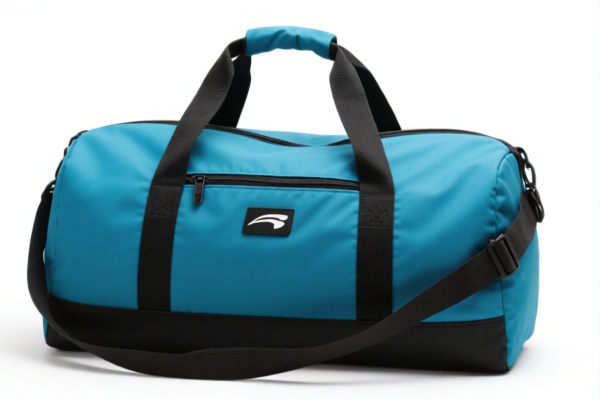
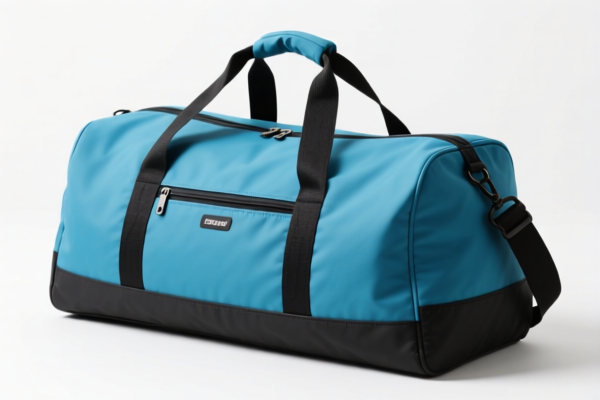
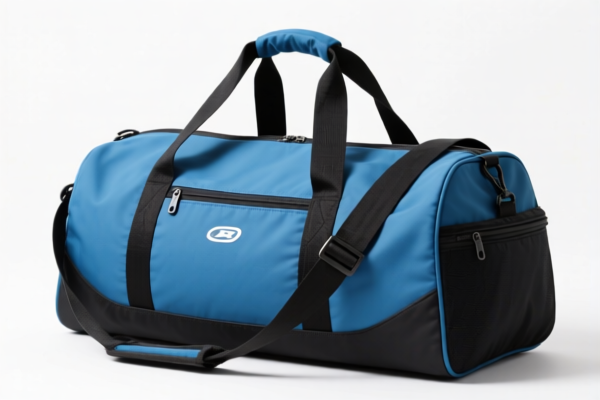
AI Analysis
🎒 Sports Bags (Polyester Sports Bags)
🌐 HS Code Reference & Customs Clearance Guide | 2026 Latest Tariff Analysis | Professional通关 Strategy
📌 I. Product Definition & Classification: What Exactly Is a "Sports Bag"?
A "Polyester Sports Bag" (涤纶运动包) is a broad category that includes duffel bags, gym bags, running backpacks, and equipment carriers. However, in international trade (specifically US Customs and Border Protection - CBP), the HS Code classification varies drastically based on two critical factors: 1. Material Composition: Is it made of plastic film/foil, or textile materials? 2. Functional Structure: Is it a simple container (heading 6305) or a structured article of apparel/accessory (heading 4202)?
⚠️ Key Distinction Point:
- If the bag is made of plastic sheeting (e.g., PVC bags, plastic woven bags without textile lining) → Heading 3923.
- If the bag is made of textile materials (woven, non-woven) and is not specifically designed for specific sports equipment (like ski bags with boots) or is a general-purpose bag → Heading 6305.
- If the bag is specifically designed for sports/fitness (e.g., gym bag, golf bag, duffel) with a structured exterior of textile materials → Heading 4202.
📦 II. HS Code Classification Details (2026 Latest Tariff Reference)
Based on the provided dataset, here are the specific classifications for "Polyester Sports Bags":
| HS Code | Product Description | Applicable Scenario | Material/Structure Key |
|---|---|---|---|
3923.29.00.00 |
Plastic bags/sacs for packaging/transport | Simple plastic sacks, lightweight plastic carriers | ✅ Plastic/Synthetic Fiber (Non-textile structure) |
6305.33.00.80 |
Sacks and bags, of synthetic fibers (General) | Generic bags, sacks, bulk packaging, or non-structured textile bags | ✅ Synthetic Textile (General Use) |
6305.39.00.00 |
Other sacks and bags, of textile materials | Bags not specified in 6305.33/34, general textile containers | ✅ Textile Material (General Use) |
4202.92.31.31 |
Sports bags, outer surface synthetic fiber textile | Dedicated Sports Bags (Gym, Running, Duffel) with structured shape | ✅ Synthetic Textile (Sport Specific) |
4202.92.31.20 |
Sports bags or running bags, synthetic fiber | Running Bags, Gym Bags with specific sports design | ✅ Synthetic Textile (Sport Specific) |
🔍 Critical Note:
-3923vs6305vs4202:
-3923is for plastic packaging. If your "polyester bag" is essentially a plastic sack, it goes here.
-6305is for sacks and bags of textile materials that are not specifically classified elsewhere (like 4202). This is a "general" textile bag category.
-4202is the premium classification for Sports Bags. If your product is clearly a "Gym Bag," "Duffel," or "Running Bag" with a structured exterior, CBP prefers 4202. Misclassifying a structured sports bag as6305(general sack) can lead to audits because4202is the specific provision for such items.
💰 III. 2026 Latest Tariff Rate Breakdown (US Import from China)
✅ Applicable Country: United States (US)
✅ Origin: China (CN)
✅ Effective Date: 2025/2026 Current Trade Policies
Note: Rates include Base Duty, Section 301 Additional Duty, and Section 122 Duty.
🎯 1. 3923.29.00.00 —— Plastic Packaging Bags
| Item | Detail |
|---|---|
| Base Duty | 3.0% |
| Section 301 Additional Duty | 25.0% |
| Section 122 Duty | 10.0% |
| Total Tax Rate | 38.0% |
| Calculation | CIF Value × 38.0% |
| Legal Path | Base Tariff → USITC Footnote 301 → Section 122 |
📌 Analysis:
- This is the lowest tariff bracket among the options.
- Suitable only if the product is not a structured sports bag but rather a simple plastic/polyethylene packaging sack.
- ⚠️ Risk: If CBP determines the item is a reusable sports bag, they may reclassify it to4202, leading to higher duties (52.6%) + penalties.
🎯 2. 6305.33.00.80 & 6305.39.00.00 —— General Textile Sacks/Bags
| Item | Detail |
|---|---|
| Base Duty | 8.4% |
| Section 301 Additional Duty | 7.5% |
| Section 122 Duty | 10.0% |
| Total Tax Rate | 25.9% |
| Calculation | CIF Value × 25.9% |
| Legal Path | Base Tariff → USITC Footnote 301 → Section 122 |
📌 Analysis:
- This is the most cost-effective classification for textile bags, if eligible.
- Eligibility Condition: The bag must be classified as a "Sack or Bag" under Heading 6305. This often applies to unstructured bags, bulk packaging bags, or bags that do not meet the specific "sports bag" definition of Heading 4202.
- 💡 Strategy: If your bag is a simple drawstring gym sack without rigid structures, buckles, or specific sports branding, you might argue for this lower rate. However, if it’s a structured duffel with wheels or shoulder straps, CBP will likely push for4202.
🎯 3. 4202.92.31.31 & 4202.92.31.20 —— Dedicated Sports Bags
| Item | Detail |
|---|---|
| Base Duty | 17.6% |
| Section 301 Additional Duty | 25.0% |
| Section 122 Duty | 10.0% |
| Total Tax Rate | 52.6% |
| Calculation | CIF Value × 52.6% |
| Legal Path | Base Tariff → USITC Footnote 301 → Section 122 |
📌 Analysis:
- This is the highest tariff bracket.
- Applicability: This is the correct classification for standard polyester gym bags, running backpacks, and sports duffels that are specifically designed for sports use.
- ⚠️ Impact: A 52.6% total duty is extremely high. This eats significantly into profit margins.
- Compliance Warning: You cannot simply choose6305to save taxes if the product is clearly a sports bag. CBP uses "Essential Character" and "Specific Use" to override generic classifications.
🛠️ IV. Customs Clearance Practical Advice (Avoid Pitfalls)
✅ 1. Preparation Checklist (Non-Negotiable)
| Document | Required | Explanation |
|---|---|---|
| ✅ Product Specs | ✔️ | Detail material (e.g., "100% Polyester Woven"), dimensions, weight. |
| ✅ Product Photos | ✔️ | Front, back, interior, straps, zippers, labels. Must show if it’s structured or a simple sack. |
| ✅ Bill of Lading/Invoice | ✔️ | Clearly describe the item. Avoid vague terms like "Bag." Use "Sports Duffel Bag" or "Textile Storage Sack." |
| ✅ Material Certificate | ✔️ | Prove if the outer material is plastic film (3923) or textile (6305/4202). |
✅ 2. Classification Strategy & Tricks
🔥 "Structure Defines Status: Structured = 4202 (High Tax); Unstructured/General = 6305 (Low Tax); Plastic = 3923 (Med Tax)."
| Scenario | Recommended HS Code | Reasoning |
|---|---|---|
| Structured Gym Bag (with straps, zippers, specific sports use) | 4202.92.31.31 |
Meets definition of "Sports Bag" in Ch. 42. High tax unavoidable. |
| Simple Drawstring Bag (no straps, just a sack) | 6305.33.00.80 |
Considered a "Sack" not a structured bag. Lower tax (25.9%). |
| Plastic Woven Shopping Bag | 3923.29.00.00 |
Made of plastic sheeting/film. Mid tax (38.0%). |
| Generic Textile Bag (not for sports, no specific sports design) | 6305.39.00.00 |
General textile bag. Lowest tax (25.9%). |
✅ 3. Special Handling
| Situation | Advice |
|---|---|
| OEM Custom Sports Bags | Provide the design brief. If it’s designed for golf/tennis/running, it’s 4202. |
| "Sporty" Looking General Bags | If the bag is a general tote but looks like a gym bag, try 6305. But be prepared for CBP challenge. |
| Mixed Materials | If the bag is 80% polyester textile + 20% plastic parts, it’s still likely textile (6305 or 4202) unless plastic is the primary outer surface. |
🌍 V. Global Market Comparison (2026 Latest)
| Country/Region | Recommended HS Code | Approx. Total Duty (China Origin) | Notes |
|---|---|---|---|
| 🇺🇸 USA | 4202.92.31.31 |
52.6% | High Section 301 + 122 duties. |
| 🇺🇸 USA | 6305.33.00.80 |
25.9% | If classified as generic sack. |
| 🇨🇳 China | 4202.92.31.31 |
10-12% | Lower import duty, no Section 301. |
| 🇪🇺 EU | 4202.92.31 |
~12% | No Section 301/122 equivalent. |
📌 Conclusion:
- The US market is the most challenging due to the 52.6% rate for sports bags.
- Value-Add Strategy: To avoid4202, consider marketing the product as a "General Purpose Textile Storage Sack" rather than a "Sports Bag" if the design permits. However, this requires careful description and photo evidence to show lack of specific sports features.
📌 VI. Common Errors & Pitfalls (Lessons Learned)
❌ Error 1: Classifying a structured gym bag as 6305 to save taxes.
👉 Consequence: CBP reclassification → Back taxes (26.7% difference) + Penalties + Audit flag.
❌ Error 2: Using "Plastic Bag" for a polyester woven bag.
👉 Consequence: Misdeclaration of material → Fine + Delay.
❌ Error 3: Ignoring Section 122 Duty.
👉 Consequence: All these rates include a 10% Section 122 Duty. Forgetting this leads to underpayment.
✅ Correct Approach:
"Polyester Duffel Bag, for Sports Use, Outer Material: 100% Polyester Woven Fabric, Lining: Polyester. Model: SG-2026."
🎯 VII. Conclusion: Professional Declaration, Cost Optimization!
🎯 Remember the Mantra:
🔹 "Sports = 4202 (52.6%); General Sack = 6305 (25.9%); Plastic = 3923 (38.0%)."
🔹 "Structure is King: If it’s a bag for sports, expect the sports tax."
📌 Pro Tip:
If your sales volume is high, consider Pre-Ruling with CBP to confirm if your specific bag design qualifies for 6305 (Sack) instead of 4202 (Sports Bag). This legal clarity can save 26.7% in duties.
📣 Immediate Action:
📞 Review your product photos. Do they look like "Sports Bags" or "General Sacks"?
🚀 Optimize your description to match the most favorable HS Code that is still legally defensible.
✨ Professional Customs Clearance Starts with Accurate Classification!
💼 Every 1% of duty saved is pure profit!
Customer Reviews
About HS Code Classification
The Harmonized System (HS) is an internationally standardized nomenclature developed by the World Customs Organization (WCO) to classify traded products. Over 200 countries use the HS system as the basis for customs tariffs, trade statistics, and import/export regulations.
Each HS code follows a hierarchical structure:
- Chapter (2 digits) — Broad category of goods (e.g., Chapter 84: Machinery and Mechanical Appliances)
- Heading (4 digits) — More specific grouping within the chapter
- Subheading (6 digits) — Internationally standardized breakdown, used by all WCO member countries
- National subdivisions (8-10 digits) — Country-specific extensions for further classification, such as US HTSUS 10-digit codes
Correct HS code classification is essential for smooth customs clearance, accurate duty payment, and compliance with trade regulations. Misclassification can lead to customs delays, overpayment of duties, or penalties.
When importing from CN to US, the applicable tariff rates may include:
- Most-Favored-Nation (MFN) rate — The standard duty rate applied to WTO members
- General rate — Applied to countries without trade agreements
- Trade remedy duties — Additional tariffs such as Section 301 (anti-dumping), Section 232 (national security), or countervailing duties
The information provided on this page is for reference purposes only. For official classification, please consult with your local customs authority or a licensed customs broker.