连体裤
CN → US| HS Code | Tariff Rate | Origin | Destination | Doc |
|---|---|---|---|---|
| 6114200048 | 28.3% | CN | US | Official Doc |
| 6114303044 | 32.4% | CN | US | Official Doc |
| 6211325010 | 25.6% | CN | US | Official Doc |
| 6211325025 | 25.6% | CN | US | Official Doc |
| 6109901090 | 49.5% | CN | US | Official Doc |
Product Images
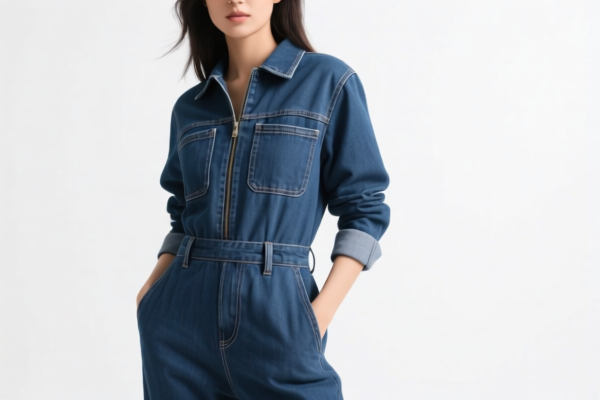
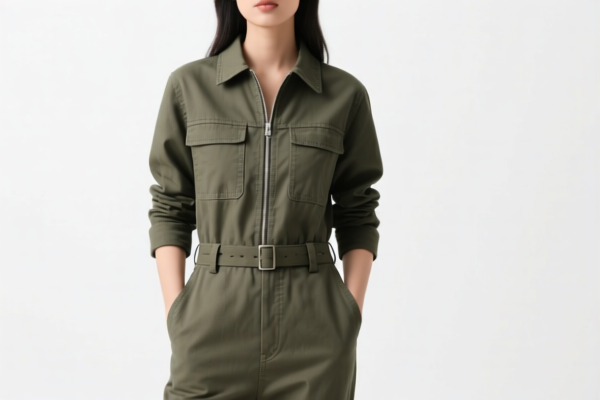
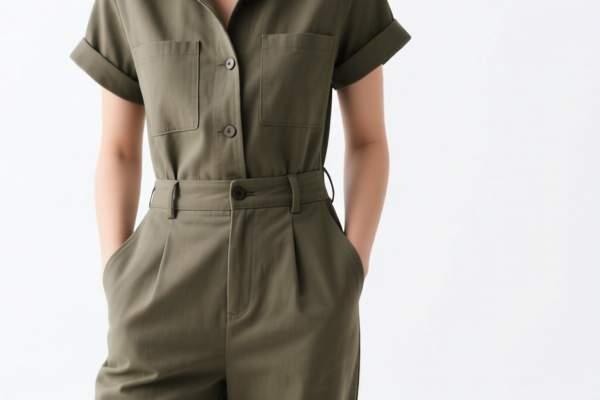
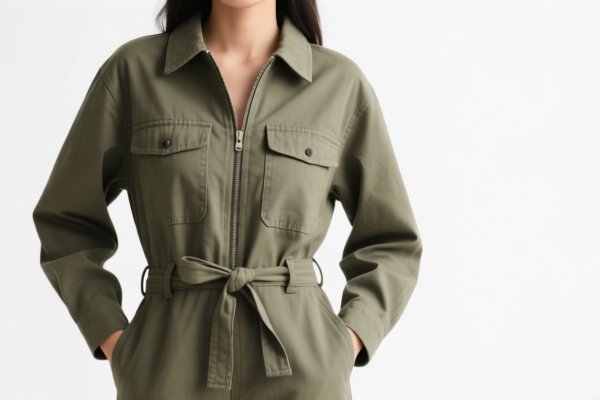
AI Analysis
👙 Romper / Jumpsuit (Coveralls)
🌐 HS Code Reference & Customs Clearance Guide | 2026 Latest Tariff Analysis | Professional Strategy for Garments
📌 1. Product Definition & Classification: Do You Really Understand "Romper"?
A "Romper" (or Jumpsuit/Overall) is a one-piece garment combining a shirt/blouse and shorts/pants. In international trade, classification depends strictly on weave type (Knitted vs. Woven) and fiber composition (Cotton vs. Synthetic).
Key Distinctions: * Knitted (针织类): Soft, stretchable fabrics (e.g., jersey, ribbed). Often used for casual wear, baby clothes, or activewear. * Woven (梭织类): Structured, non-stretch fabrics (e.g., denim, twill, cotton poplin). Often used for fashion, workwear, or structured casual wear. * Material Matters: * Cotton (棉制): Natural fiber, generally lower base tariff. * Synthetic/Man-made Fiber (人造纤维/合成纤维): Polyester, viscose, etc., often facing higher base tariffs.
⚠️ Critical Classification Point:
- If it is Knitted + Cotton → Likely 6114.20
- If it is Knitted + Synthetic → Likely 6114.30 or 6109
- If it is Woven + Cotton → Likely 6211.32
- If it is Woven + Synthetic → Likely 6109 (if knitted jersey-like) or other sub-headings.
📦 2. HS Code Classification Details (2026 Tariff Authority Mapping)
Based on the provided data for Romper (连体裤/连体短裤), here are the precise classifications:
| HS Code | Product Description | Composition | Total Tax Rate | Key Tax Components |
|---|---|---|---|---|
6114.20.00.48 |
Knitted Romper | Cotton (棉制) | 28.3% | Base: 10.8% + Sec 301: 7.5% + 122 Clause: 10% |
6114.30.30.44 |
Knitted Romper | Man-made Fiber (人造纤维制) | 32.4% | Base: 14.9% + Sec 301: 7.5% + 122 Clause: 10% |
6211.32.50.10 |
Woven Romper | Cotton (棉制) | 25.6% | Base: 8.1% + Sec 301: 7.5% + 122 Clause: 10% |
6211.32.50.25 |
Woven Romper | Cotton/Synthetic Blend (棉或合成纤维) | 25.6% | Base: 8.1% + Sec 301: 7.5% + 122 Clause: 10% |
6109.90.10.90 |
Polyester Jumpsuit | Synthetic (聚酯纤维/人造纤维制) | 49.5% | Base: 32.0% + Sec 301: 7.5% + 122 Clause: 10% |
🔍 重点提醒 (Key Insights):
- Knitted vs. Woven: Knitted items generally fall under Chapter 61, while Woven items fall under Chapter 62. This is the first major split.
- Cotton vs. Synthetic: Cotton items (6114.20,6211.32) have significantly lower base tariffs (8.1%-10.8%) compared to synthetic items (6114.30,6109), which range from 14.9% to 32.0%.
- The "Polyester Trap": The item6109.90.10.90(Polyester Jumpsuit) has the highest total tax (49.5%) due to a high base tariff of 32.0%. Misclassifying a polyester woven item as a different code could lead to severe underpayment penalties.
💰 3. 2026 Tariff Rate Breakdown (Including Surtaxes)
✅ Applicable Country: United States (US)
✅ Origin: China (CN)
✅ Effective Date: Rates include Section 301 & 122 Clause surcharges.
🎯 1. Cotton Rompers (Lowest Tax Bracket)
Codes: 6114.20.00.48 (Knitted) & 6211.32.50.10 / .25 (Woven)
| Item | Content |
|---|---|
| Base Tariff | 8.1% - 10.8% (Ad Valorem) |
| Section 301 Surtax | +7.5% (Standard USITC Footnote) |
| 122 Clause Surtax | +10% (Targeted Surcharge) |
| Total Effective Rate | 25.6% - 28.3% |
| De Minimis Exemption? | ❌ No (Deny de minimis for these HTSUs) |
| Legal Basis | USITC:6114.20.00.48 / USITC:6211.32.50.10 → FOOTNOTE:301 → FOOTNOTE:122 |
📌 Analysis:
- Cotton rompers are the most cost-effective options.
- Even with surcharges, the total burden stays below 30%.
- Recommendation: If fabric allows, choosing Cotton (Knitted or Woven) reduces tax by ~20-24% compared to Polyester.
🎯 2. Synthetic Knitted Romper (Medium-High Tax)
Code: 6114.30.30.44
| Item | Content |
|---|---|
| Base Tariff | 14.9% (Ad Valorem) |
| Section 301 Surtax | +7.5% |
| 122 Clause Surtax | +10% |
| Total Effective Rate | 32.4% |
| De Minimis Exemption? | ❌ No |
| Legal Basis | USITC:6114.30.30.44 → FOOTNOTE:301 → FOOTNOTE:122 |
📌 Analysis:
- Man-made fiber knitted garments face a higher base tariff than cotton.
- Suitable for activewear or stretchy casual styles.
- Tax is 4.1% higher than the cotton knitted equivalent.
🎯 3. Polyester Jumpsuit (Highest Tax Bracket)
Code: 6109.90.10.90
| Item | Content |
|---|---|
| Base Tariff | 32.0% (Ad Valorem) |
| Section 301 Surtax | +7.5% |
| 122 Clause Surtax | +10% |
| Total Effective Rate | 49.5% |
| De Minimis Exemption? | ❌ No |
| Legal Basis | USITC:6109.90.10.90 → FOOTNOTE:301 → FOOTNOTE:122 |
📌 Analysis:
- CRITICAL WARNING: This code carries the highest penalty.
- The base tariff of 32.0% is nearly 4x that of woven cotton.
- Why? The classification6109often refers to "T-shirts and singlets" or similar knit tops, and when applied to a full polyester jumpsuit, it attracts the highest duty rate in this dataset.
- Cost Impact: On a $1,000 shipment, you pay $495 in duties vs. $256 for cotton woven.
🛠️ 4. Customs Clearance Practical Advice (Action Plan)
✅ 1. Documentation Checklist (Non-Negotiable)
| Document | Required? | Purpose |
|---|---|---|
| Product Specification Sheet | ✔️ | Must specify: Knitted/Woven, Cotton/Synthetic, GSM (fabric weight). |
| Fabric Composition Label | ✔️ | Photo of the hangtag/wash label showing % fiber content. |
| Commercial Invoice | ✔️ | Must clearly state "Knitted/Woven Cotton Polyester Romper" + HS Code. |
| Origin Certificate (CO) | ✔️ | Essential for verifying CN origin and applying correct surcharges. |
| Material Test Report | ✔️ | Lab test confirming fiber content (e.g., "100% Cotton" vs. "95% Cotton"). |
✅ 2. Classification Strategy (Avoid Pitfalls)
| Scenario | Correct HS Code | Risk of Misclassification |
|---|---|---|
| Cotton Knitted Romper | 6114.20.00.48 |
Low Risk. Ensure it's not "baby wear" (which might have different codes). |
| Cotton Woven Romper | 6211.32.50.10 / .25 |
Medium Risk. Ensure it is NOT "denim" (which may have different codes). |
| Polyester Knitted Jumpsuit | 6109.90.10.90 |
High Risk. Verify if it can be classified under 6114 (Other garments) for lower tax if structure permits. |
| Mixed Fiber (e.g., 80% Cotton) | 6114.20 or 6211.32 |
Follow "Major Fiber" rule. If cotton >50%, use cotton code (Lower Tax!). |
🔥 "Golden Rule" for Rompers:
"Check Weave, Check Fiber, Check Base Rate!"
- Knitted → Chapter 61
- Woven → Chapter 62
- Cotton → Lower Base Rate
- Polyester → Avoid6109if possible; check if6114applies.
✅ 3. Special Considerations
- De Minimis (Section 321):
❌ Not Applicable. All listed HS Codes are subject to full duty collection. Even small shipments (<$800) will be taxed. - 122 Clause Surcharge:
✅ Always Applied. This is a specific surcharge on Chinese-origin goods, adding 10% to all items in the dataset. - Section 301 Surtax:
✅ Always Applied. 7.5% on all listed items.
🌍 5. Global Market Comparison (2026 Outlook)
| Market | Recommended HS Code | Est. Duty Rate (China Origin) | Key Certification |
|---|---|---|---|
| 🇺🇸 USA | 6114.20.00.48 (Cotton Knitted) |
28.3% (Best Case) | CPSIA (if kids), Prop 65 |
| 🇪🇺 EU | 6114.20.00.90 |
~12% + VAT | REACH, CE (if tech) |
| 🇬🇧 UK | 6114.20.00.90 |
~12% + VAT | UKCA, CE |
| 🇨🇳 China | 6114.20.00.48 |
~10% | CCC (if special) |
📌 Conclusion:
- The USA is the most expensive market due to Section 301 + 122 Clause.
- Cotton knitted/woven rompers offer the best tax efficiency in the US.
- Polyester jumpsuits (6109) should be avoided or re-evaluated for better classification.
📌 6. Common Errors & Lessons Learned
❌ Error 1: Declaring a Woven item as Knitted to save base tariff.
👉 Result: Customs audit fails → Fine + Back Tax + Delay.
❌ Error 2: Mislabeling Polyester as Cotton.
👉 Result: Tariff drops from 49.5% to 28.3% → Huge Fraud Risk → Severe Penalties.
❌ Error 3: Ignoring the 122 Clause.
👉 Result: Underestimating landed cost by 10% → Profit Margin Eroded.
❌ Error 4: Using "Jumpsuit" vs. "Romper" loosely.
👉 Result: "Romper" usually implies shorts; "Jumpsuit" implies pants. Ensure description matches physical product.
✅ Correct Declaration Example:
"Women's Knitted Cotton Romper, Short Sleeve, Elastic Waist, Model XYZ, 100% Cotton, Made in China"
🎯 7. Conclusion: Smart Classification, Maximize Profit!
🎯 Key Takeaway:
🔹 Cotton is King: If you can use cotton, save ~20% in duties vs. polyester.
🔹 Knitted vs. Woven: Both have similar total rates if cotton, but check fabric structure.
🔹 Avoid6109for Polyester: The 32% base rate is a profit killer. Check if6114applies.
📌 Pro Tip:
- Request Fiber Content Reports from suppliers.
- Apply for Advance Rulings if unsure about Knitted vs. Woven.
- Factor in 17.5% (301+122) on top of base duty in all pricing models.
📣 Immediate Action:
📞 Audit your current BOM (Bill of Materials).
📦 Switch to Cotton if possible.
📝 Verify Fabric Construction (Knitted/Woven) before shipping.
✨ Professional Customs Clearance Starts with Accurate Classification!
💼 Don't let tax errors eat your margins!
Customer Reviews
About HS Code Classification
The Harmonized System (HS) is an internationally standardized nomenclature developed by the World Customs Organization (WCO) to classify traded products. Over 200 countries use the HS system as the basis for customs tariffs, trade statistics, and import/export regulations.
Each HS code follows a hierarchical structure:
- Chapter (2 digits) — Broad category of goods (e.g., Chapter 84: Machinery and Mechanical Appliances)
- Heading (4 digits) — More specific grouping within the chapter
- Subheading (6 digits) — Internationally standardized breakdown, used by all WCO member countries
- National subdivisions (8-10 digits) — Country-specific extensions for further classification, such as US HTSUS 10-digit codes
Correct HS code classification is essential for smooth customs clearance, accurate duty payment, and compliance with trade regulations. Misclassification can lead to customs delays, overpayment of duties, or penalties.
When importing from CN to US, the applicable tariff rates may include:
- Most-Favored-Nation (MFN) rate — The standard duty rate applied to WTO members
- General rate — Applied to countries without trade agreements
- Trade remedy duties — Additional tariffs such as Section 301 (anti-dumping), Section 232 (national security), or countervailing duties
The information provided on this page is for reference purposes only. For official classification, please consult with your local customs authority or a licensed customs broker.