连帽衫
CN → US| HS Code | Tariff Rate | Origin | Destination | Doc |
|---|---|---|---|---|
| 6110202046 | 34.0% | CN | US | Official Doc |
| 6110202041 | 34.0% | CN | US | Official Doc |
| 6110202041 | 34.0% | CN | US | Official Doc |
| 6110303041 | 49.5% | CN | US | Official Doc |
Product Images

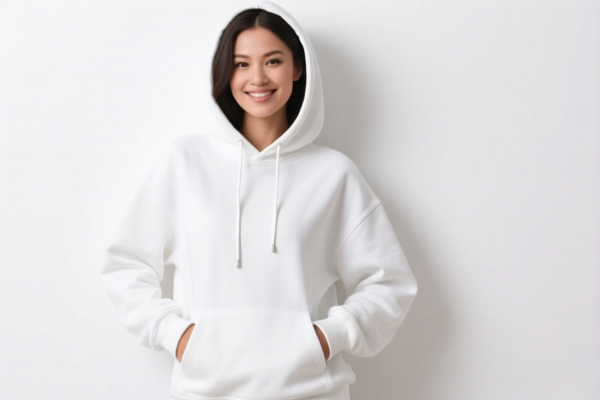
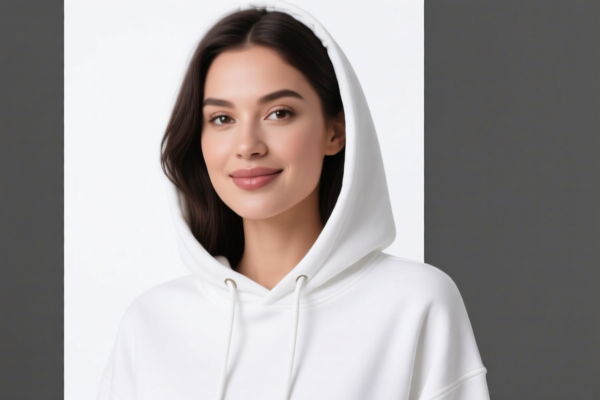
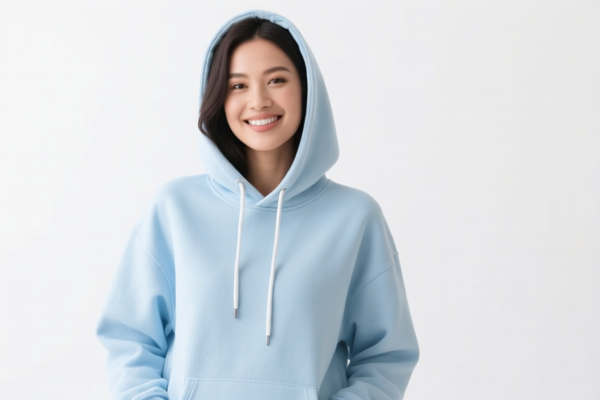
AI Analysis
👕 Hoodies & Sweatshirts (Knitted/Crocheted Men's or Women's)
🌐 HS Code Reference & Customs Clearance Guide | 2026 Latest Tariff Analysis | Professional Strategy for US Imports
📌 I. Product Definition & Classification: Do You Really Know "Hoodies"?
Hoodies (or sweatshirts with hoods) are a staple in global apparel trade. In international customs classification, they are primarily categorized under Chapter 61 (Articles of Apparel and Clothing Accessories, Knitted or Crocheted). The key distinction lies in the material composition (Cotton vs. Synthetic Fibers) and gender (Men's vs. Women's), which drastically affects the tariff burden.
Key Distinction Points: - Cotton-Based (6110.20): Typically carries a lower base tariff (16.5%) but still faces significant additional levies. - Synthetic/Man-made Fiber (6110.30): Carries a much higher base tariff (32.0%) due to trade protection measures on synthetics. - Gender: "Men's" vs. "Women's" sub-codes determine the specific 8-digit HS code.
⚠️ Critical Note:
- "Hoodie" is often declared as "Sweatshirt" or "Pullover" with a hood.
- If the hoodie is woven (not knitted), it would fall under Chapter 62 (e.g., 6110.20 is wrong; it would be 6201/6203). The data provided assumes KNITTED hoodies, which is the standard for most sweatshirts.
📦 II. HS Code Classification Details (2026 Latest Tariff Authority Cross-Reference)
Based on the provided data, here are the applicable HS Codes for knitted hoodies imported into the USA from China:
| HS Code | Product Description | Material Inference | Gender/Type | Total Tax Rate |
|---|---|---|---|---|
6110.20.20.46 |
Hoodie, Form & Use Match | Cotton (Knitted) | General/Unisex | 34.0% |
6110.20.20.41 |
Hoodie, Form Match | Knitted Cotton | General/Unisex | 34.0% |
6110.20.20.41 |
Men's Hoodie | Cotton (Knitted) | Men's | 34.0% |
6110.30.30.41 |
Men's Hoodie | Synthetic or Cotton | Men's | 49.5% |
🔍 Key Observation:
- Codes starting with6110.20indicate Cotton sweaters/sweatshirts.
- Codes starting with6110.30indicate Man-made Fiber (Polyester, Acrylic, etc.) sweaters/sweatshirts.
- The last two digits (e.g.,.41,.46) often specify the specific sub-category or gender in US HTS.
💰 III. 2026 Latest Tariff Rate Breakdown (Including Surtaxes & Policy Add-ons)
✅ Applicable Country: USA (US)
✅ Origin: China (CN)
✅ Effective Time: Current Trade War Policies (Section 301 + Section 122/IEEPA)
🎯 1. 6110.20.20.41 / 6110.20.20.46 —— Cotton Hoodies (Men's or Unisex)
| Item | Content |
|---|---|
| Base Tariff (MFN) | 16.5% |
| Section 301 Surcharge | +7.5% (25% of original value, often scaled or applied as a specific rate in this context) |
| Section 122 / IEEPA Surcharge | +10% (Special trade measure on textiles/apparel) |
| Total Tax Rate | 34.0% |
| Tax Calculation | CIF Value × 34.0% |
| De Minimis Exemption | ❌ NOT Eligible (Deny de minimis for China-origin textiles under Section 301) |
| Legal Basis Path | HTSUS:6110.20 → Section 301: Footnote 9903.88.01 → Section 122: 19 USC 1671 |
📌 Explanation:
- 16.5% Base: The standard Most Favored Nation (MFN) rate for cotton sweaters.
- 7.5% Section 301: Part of the ongoing trade war tariffs on Chinese goods.
- 10% Section 122: A specific tariff provision sometimes applied to certain textile categories to protect domestic manufacturing.
- Total 34%: This is a high-cost item. Profit margins must account for this significant duty.
🎯 2. 6110.30.30.41 —— Men's Hoodie (Synthetic/Man-made Fiber)
| Item | Content |
|---|---|
| Base Tariff (MFN) | 32.0% |
| Section 301 Surcharge | +7.5% |
| Section 122 / IEEPA Surcharge | +10% |
| Total Tax Rate | 49.5% |
| Tax Calculation | CIF Value × 49.5% |
| De Minimis Exemption | ❌ NOT Eligible |
| Legal Basis Path | HTSUS:6110.30 → Section 301: Footnote 9903.88.01 → Section 122 |
📌 Explanation:
- 32.0% Base: Synthetic fibers face higher base tariffs than cotton due to different trade policies.
- Total 49.5%: This is an extremely high tariff. Importers must seriously consider cost-restructuring, pricing strategies, or supply chain diversification (e.g., sourcing from Vietnam/Mexico if possible, though USMCA rules apply).
🛠️ IV. Customs Clearance Practical Advice (Field Avoidance Guide)
✅ 1. Document Checklist (Non-negotiable)
| Document | Required | Notes |
|---|---|---|
| ✅ Commercial Invoice | ✔️ | Must clearly state "Hoodie" or "Knitted Sweatshirt", not just "Shirt" |
| ✅ Packing List | ✔️ | Detail quantity per carton, net/gross weight |
| ✅ Material Composition | ✔️ | CRITICAL: Must specify % Cotton vs. % Polyester. Misclassification here leads to penalties |
| ✅ Product Photos | ✔️ | Show hood, stitching, and fabric texture to prove it's knitted |
| ✅ Labeling | ✔️ | Fiber content must be visible on the product (US Law) |
| ✅ Origin Certificate | ✔️ | If applicable for duty drawbacks or specific exemptions |
✅ 2. Declaration Tactics (Key Mantras)
🔥 "Cotton is 34%, Synthetic is 49.5%: Know your Fabric!"
| Scenario | Correct Declaration | Wrong Action |
|---|---|---|
| Cotton Hoodie | 6110.20.20.41 (Men's) or 46 (Unisex) |
Declaring as 6110.30 → Overpay by 15.5% |
| Polyester Hoodie | 6110.30.30.41 |
Declaring as 6110.20 → Underpayment Penalty + Interest |
| Mixed Fabric | Declare the Principal Material | Vague description "Mixed Fabric" → Customs Audit |
| Woven Hoodie | 6203.42 (if men's) or 6211.43 (if women's) |
Declaring as 6110 → Rejection/Retraining Fee |
✅ 3. Special Handling Cases
| Case | Advice |
|---|---|
| OEM Private Label | Ensure the brand owner is declared; avoid "Generic" if brand is known, as brand value can affect customs valuation. |
| Accessories Included | If hoodies come with drawstrings/tags, declare as a set. Do not split. |
| Sample vs. Commercial | Samples under $800 may qualify for de minimis if not restricted, but textiles from China are often excluded from de minimis under Section 301. Check current CBP rulings. |
| Anti-Dumping | Check if specific cotton or polyester hoodies are subject to AD/CVD orders (less common for generic hoodies, but possible for specific manufacturers). |
🌍 V. Global Market Clearance Comparison (2026)
| Country/Region | Recommended HS Code | Estimated Duty (China Origin) | Key Certifications | Remarks |
|---|---|---|---|---|
| 🇺🇸 USA | 6110.20 / 6110.30 |
34.0% (Cotton) / 49.5% (Synthetic) | None for apparel | Highest Duty. Section 301 + 122 heavily impact. |
| 🇨🇳 China | 6110.20 / 6110.30 |
~10-15% (Import Duty) | CCC (if labeled) | Domestic production hub. |
| 🇪🇺 EU | 6110.20 / 6110.30 |
~12% (Standard) | REACH, CE (if labeled) | No Section 301. Lower duty than US. |
| 🇨🇦 Canada | 6110.20 / 6110.30 |
~17-18% | None | USMCA benefits if produced in NA. |
| 🇲🇽 Mexico | 6110.20 / 6110.30 |
~20% | NOM | Often used as alternative to China to avoid US tariffs. |
📌 Conclusion:
- The USA is the most expensive market for Chinese-made hoodies due to layered tariffs.
- Cotton is cheaper than Synthetic in terms of duty (34% vs. 49.5%).
- Consider Nearshoring (Mexico/Vietnam) to avoid Section 301 tariffs, though origin rules are strict.
📌 VI. Common Mistakes & Pitfalls (Lessons Learned)
❌ Mistake 1: Declaring "Sweatshirt" instead of "Hoodie"
👉 Consequence: Minor, but "Hoodie" is more precise. Customs may still accept "Sweatshirt" under 6110, but accuracy reduces audit risk.
❌ Mistake 2: Confusing Cotton with Polyester
👉 Consequence: If declared as Cotton (6110.20) but is Polyester (6110.30), you underpay by 15.5%. CBP will demand back duties + penalties.
❌ Mistake 3: Ignoring Section 122 Tariffs
👉 Consequence: Assuming only Section 301 applies. The 10% add-on is significant. Always verify the full tax rate.
❌ Mistake 4: Assuming De Minimis ($800) Applies
👉 Consequence: Textiles from China are frequently excluded from de minimis under Section 301. Full duties apply even for small shipments.
✅ Correct Practice:
"Men's Knitted Cotton Hoodie, Pullover Style, 100% Cotton, HS 6110.20.20.41, Origin China"
🎯 VII. Conclusion: Professional Classification, Cost Control!
🎯 Remember:
🔹 "Cotton is 34%, Synthetic is 49.5%: Fabric defines the cost!"
🔹 "No De Minimis for China Textiles: Prepare for full duty payment!"
🔹 "Always verify Material Composition: One wrong digit costs 15.5%!"
📌 Pro Tip:
If your hoodies are 100% Cotton, use 6110.20. If Polyester, use 6110.30.
For Men's, ensure the .41 suffix is used where applicable.
Consider Pre-Ruling (CBP Advance Ruling) for large volumes to lock in the classification and avoid surprises.
📣 Action Plan:
📞 Verify Material: Check supplier specs for exact fiber content.
📄 Prepare Docs: Invoice + Packing List + Material Proof.
🚀 Calculate Landed Cost: Include 34-49.5% duty in your pricing model.
✨ Accurate Classification Saves Money!
💼 Every percentage point matters in apparel trade.
Customer Reviews
About HS Code Classification
The Harmonized System (HS) is an internationally standardized nomenclature developed by the World Customs Organization (WCO) to classify traded products. Over 200 countries use the HS system as the basis for customs tariffs, trade statistics, and import/export regulations.
Each HS code follows a hierarchical structure:
- Chapter (2 digits) — Broad category of goods (e.g., Chapter 84: Machinery and Mechanical Appliances)
- Heading (4 digits) — More specific grouping within the chapter
- Subheading (6 digits) — Internationally standardized breakdown, used by all WCO member countries
- National subdivisions (8-10 digits) — Country-specific extensions for further classification, such as US HTSUS 10-digit codes
Correct HS code classification is essential for smooth customs clearance, accurate duty payment, and compliance with trade regulations. Misclassification can lead to customs delays, overpayment of duties, or penalties.
When importing from CN to US, the applicable tariff rates may include:
- Most-Favored-Nation (MFN) rate — The standard duty rate applied to WTO members
- General rate — Applied to countries without trade agreements
- Trade remedy duties — Additional tariffs such as Section 301 (anti-dumping), Section 232 (national security), or countervailing duties
The information provided on this page is for reference purposes only. For official classification, please consult with your local customs authority or a licensed customs broker.