速度传感器
CN → US| HS Code | Tariff Rate | Origin | Destination | Doc |
|---|---|---|---|---|
| 9029204080 | 35.0% | CN | US | Official Doc |
| 9029908040 | 35.0% | CN | US | Official Doc |
| 9031808085 | 10.0% | CN | US | Official Doc |
| 9031909195 | 85.0% | CN | US | Official Doc |
| 8543704500 | 37.6% | CN | US | Official Doc |
| 8543706000 | 35.0% | CN | US | Official Doc |
Product Images
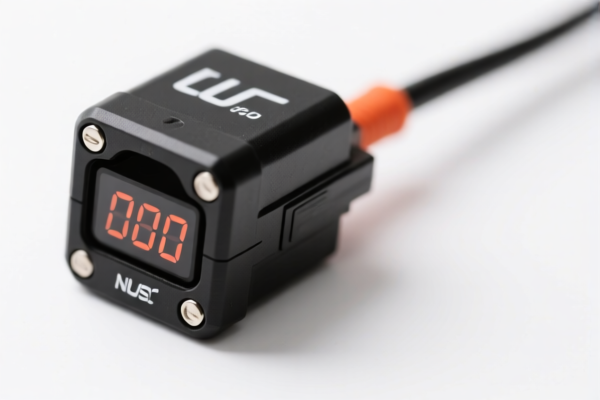
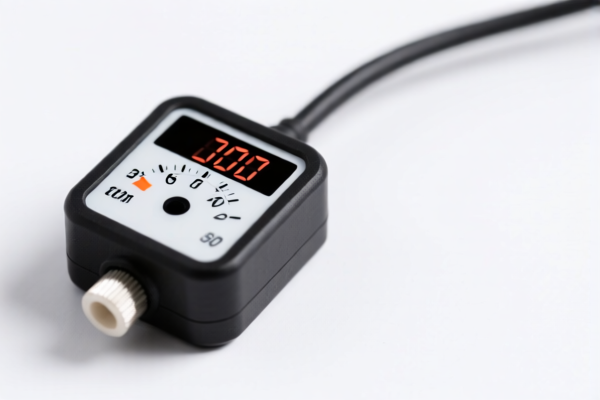
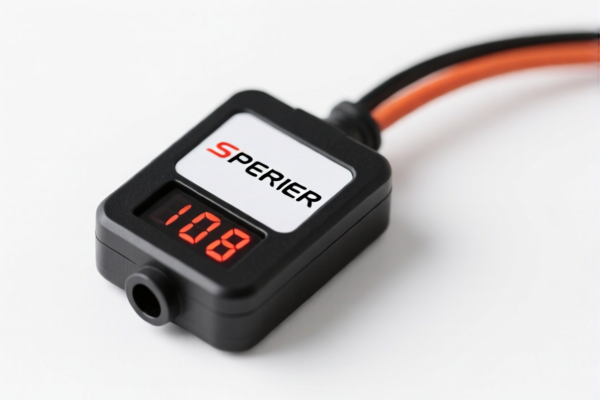
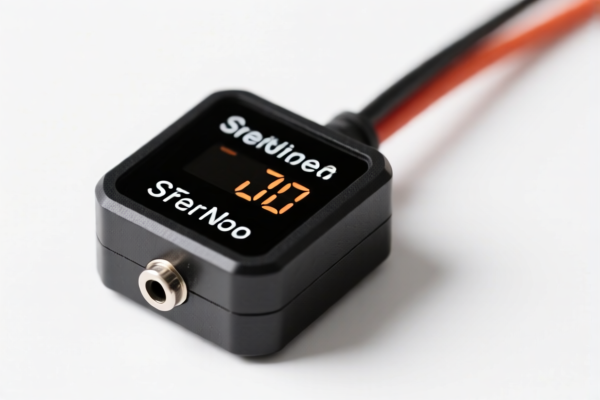
AI Analysis
📡 Speed Sensors (Velocity Transducers)
🌐 HS Code Reference & Customs Clearance Guide | 2026 Tariff Structure Analysis | Professional Strategy
📌 1. Product Definition: What is a "Speed Sensor"?
A Speed Sensor (or Velocity Transducer) is a device that detects rotational or linear motion and converts it into an electrical signal. It is a critical component in automotive, industrial automation, and aerospace systems.
⚠️ Key Classification Challenge:
Speed sensors do not have a single, exclusive HS Code. They are classified based on function and specific application.
- If viewed as a general electrical measuring instrument → Chapter 85
- If viewed as a mechanical measuring instrument (tacho/speedometer part) → Chapter 90
📦 2. HS Code Classification Matrix (Based on Provided Data)
The following five HS Codes are the primary candidates for Speed Sensors. The choice depends on how you define the sensor's primary function in your specific context.
| HS Code | Summary / Functional Basis | Applicable Scenario | Total Tax Rate* |
|---|---|---|---|
| 8543.70.98.60 | Independent Electrical Measuring/Testing Apparatus (Falls under "Other Machines/Devices") |
General-purpose sensors with independent functionality, not strictly part of a larger mechanical assembly. | 37.6% |
| 8543.70.45.00 | Independent Motor/Device with Sensor Function (Directly matches "Sensor Use") |
Sensors treated as standalone electrical devices capable of independent operation. | 37.6% |
| 9031.80.80.85 | Other Measuring/Checking Instruments (General Instrument Category) |
Used if the sensor is considered a standalone "checking instrument" rather than a machine part. | 35.0% |
| 9029.90.80.40 | Parts & Accessories for Tachometers (Component of Speed Measuring Device) |
If the sensor is identified as a component of a speedometer, tachometer, or revolution counter. | 35.0% |
| 9029.20.40.80 | Other Speed Measuring Instruments (Functionally Consistent with Speedometers) |
If the device performs the exact same function as a speedometer but is not explicitly listed elsewhere. | 35.0% |
* Note: All rates include Base Duty, Additional Duty (Section 301), and Section 122 Duty.
💰 3. Detailed Tariff Breakdown (China Origin → US Market)
✅ Applicable Country: United States (US)
✅ Origin: China (CN)
✅ Effective Time: Current 2026 Tariff Structure
🎯 Scenario A: High-Tariff Classification (Ch 85)
Codes: 8543.70.98.60 & 8543.70.45.00
| Item | Detail |
|---|---|
| Base Duty | 2.6% |
| Section 301 Additional Duty | 25.0% |
| Section 122 Duty | 10.0% |
| Total Effective Rate | 37.6% |
| Calculation Basis | CIF Value × 37.6% |
| De Minimis Exemption | ❌ NOT Eligible (High tariff thresholds apply) |
📌 Why this rate?
- Base (2.6%): Standard Most Favored Nation (MFN) rate for electrical machines/apparatus.
- Section 301 (25%): Retaliatory tariff on Chinese goods under US Trade Act Section 301.
- Section 122 (10%): Specific duty on certain industrial/electronic components.
🎯 Scenario B: Low-Tariff Classification (Ch 90)
Codes: 9031.80.80.85, 9029.90.80.40, 9029.20.40.80
| Item | Detail |
|---|---|
| Base Duty | 0.0% |
| Section 301 Additional Duty | 25.0% |
| Section 122 Duty | 10.0% |
| Total Effective Rate | 35.0% |
| Calculation Basis | CIF Value × 35.0% |
| De Minimis Exemption | ❌ NOT Eligible |
📌 Why this rate?
- Base (0.0%): Optical, photographic, medical, or precision instruments often have zero base duty.
- Section 301 (25%): Still applies because the origin is China.
- Section 122 (10%): Still applies.
- Savings: You save 2.6% compared to Chapter 85 classifications.
🛠️ 4. Customs Clearance Strategy & Tips
✅ 1. Documentation Checklist
| Document | Required? | Purpose |
|---|---|---|
| Product Specification Sheet | ✔️ | Must explicitly state: "Speed Sensor," measuring range, output signal (4-20mA, 0-5V, etc.). |
| Circuit Diagram / Schematic | ✔️ | Critical to prove if it is an "independent instrument" (Ch 90) or "electrical apparatus" (Ch 85). |
| Application Statement | ✔️ | State clearly: "This is a component of a tachometer" (Ch 90) OR "This is a standalone electrical sensor" (Ch 85). |
| Commercial Invoice | ✔️ | Accurate description matching the HS Code choice. |
| Packing List | ✔️ | Standard requirement. |
✅ 2. Strategic Classification Advice
🟢 Option 1: Aim for Chapter 90 (35.0% Total)
Recommended if:
- The sensor is clearly a part of a larger measuring device (e.g., a car dashboard speedometer sensor or an industrial tachometer component).
- HS Codes: 9029.90.80.40 or 9029.20.40.80.
- Logic: Since the base duty is 0%, you save 2.6% on every shipment compared to Ch 85.
🟡 Option 2: Use Chapter 85 (37.6% Total)
Recommended if:
- The sensor is a standalone electrical device with its own housing, power supply, and signal processing circuit, used generally in electrical systems.
- HS Codes: 8543.70.98.60 or 8543.70.45.00.
- Risk: Higher base duty (2.6%).
🔥 Critical Rule:
"Define the Primary Function."
- If it measures mechanical rotation/speed → Lean towards Ch 90.
- If it is a generic electrical signal converter → Lean towards Ch 85.
✅ 3. Common Mistakes to Avoid
| Mistake | Consequence |
|---|---|
| Vague Description "Sensor for Machine" |
Customs may reject Ch 90 and assign a default high-duty code, or require extra testing. |
| Misclassifying Parts as Whole Instruments | Declaring a simple chip-assembled sensor as a "Speed Measuring Instrument" (9029.20) when it’s just a component (9029.90) can lead to audits. |
| Ignoring Section 122 | Many traders forget the 10% Section 122 duty. It applies to ALL codes in this dataset. |
| Assuming De Minimis Applies | Do not use 800-shipment exemptions for these high-duty items. They will be seized or taxed. |
🌍 5. Global Market Comparison (2026)
| Market | Recommended HS Code | Est. Total Duty (China Origin) | Notes |
|---|---|---|---|
| 🇺🇸 USA | 9029.90.80.40 |
35.0% | Best balance of specificity and lower base duty. |
| 🇺🇸 USA | 8543.70.98.60 |
37.6% | Safe fallback if Ch 90 is rejected. |
| 🇨🇳 China (Export) | Varies | 0% - 10% | No export duties typically, but check local VAT refunds. |
| 🇪🇺 EU | 9029.20 or 8543 |
0% - 2.5% | Generally lower tariffs, but strict CE/RoHS compliance needed. |
| 🇲🇽 Mexico (USMCA) | N/A | 0% | If assembled in Mexico with sufficient local content. |
💡 Pro Tip: If your speed sensors are assembled in Mexico using Chinese components, you may qualify for USMCA Zero Duty if the regional value content (RVC) meets the threshold. This is a massive cost-saving strategy!
📌 6. Conclusion & Action Plan
🎯 Final Recommendation:
- First Choice: Try to classify under
9029.90.80.40(Parts of Tachometers) or9031.80.80.85(Other Measuring Instruments) to secure the 35.0% rate. - Second Choice: If Customs disputes Ch 90, fallback to
8543.70.98.60(37.6%). - Documentation: Ensure your invoice says "Speed Sensor, Component for Tachometer" rather than just "Electrical Sensor" to support Ch 90.
⚠️ Warning:
- Do NOT claim the goods are "free of duty." Even with 0% base duty, the 25% + 10% additional duties are mandatory.
- Keep records of the sensor's technical datasheets proving its function as a speed-measuring component.
📣 Immediate Next Step:
📞 Consult your customs broker with the technical schematic.
📝 Ask for an "Advance Ruling" from CBP if the volume is high, to lock in the9029classification.
🚀 Optimize your supply chain: Consider Mexico assembly to bypass Section 301 and 122 duties entirely!
✨ Precision in Classification = Profit in Your Pocket!
💼 Don’t let 2.6% or vague descriptions cost you thousands.
Customer Reviews
About HS Code Classification
The Harmonized System (HS) is an internationally standardized nomenclature developed by the World Customs Organization (WCO) to classify traded products. Over 200 countries use the HS system as the basis for customs tariffs, trade statistics, and import/export regulations.
Each HS code follows a hierarchical structure:
- Chapter (2 digits) — Broad category of goods (e.g., Chapter 84: Machinery and Mechanical Appliances)
- Heading (4 digits) — More specific grouping within the chapter
- Subheading (6 digits) — Internationally standardized breakdown, used by all WCO member countries
- National subdivisions (8-10 digits) — Country-specific extensions for further classification, such as US HTSUS 10-digit codes
Correct HS code classification is essential for smooth customs clearance, accurate duty payment, and compliance with trade regulations. Misclassification can lead to customs delays, overpayment of duties, or penalties.
When importing from CN to US, the applicable tariff rates may include:
- Most-Favored-Nation (MFN) rate — The standard duty rate applied to WTO members
- General rate — Applied to countries without trade agreements
- Trade remedy duties — Additional tariffs such as Section 301 (anti-dumping), Section 232 (national security), or countervailing duties
The information provided on this page is for reference purposes only. For official classification, please consult with your local customs authority or a licensed customs broker.