酒壶
CN → US| HS Code | Tariff Rate | Origin | Destination | Doc |
|---|---|---|---|---|
| 7323999030 | 88.4% | CN | US | Official Doc |
| 7323991000 | 67.5% | CN | US | Official Doc |
| 6911104100 | 16.3% | CN | US | Official Doc |
| 6911108010 | 38.3% | CN | US | Official Doc |
| 7615109100 | 70.6% | CN | US | Official Doc |
| 7615107155 | 63.1% | CN | US | Official Doc |
Product Images
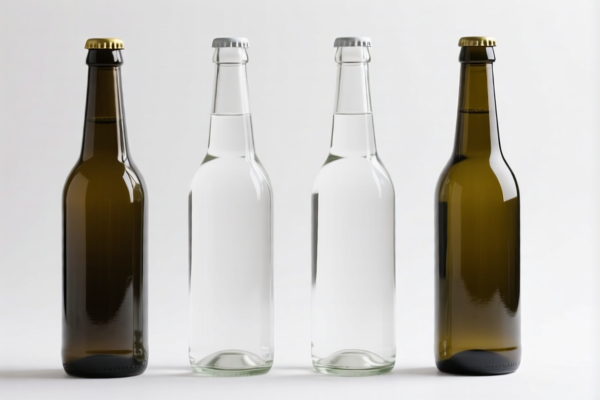
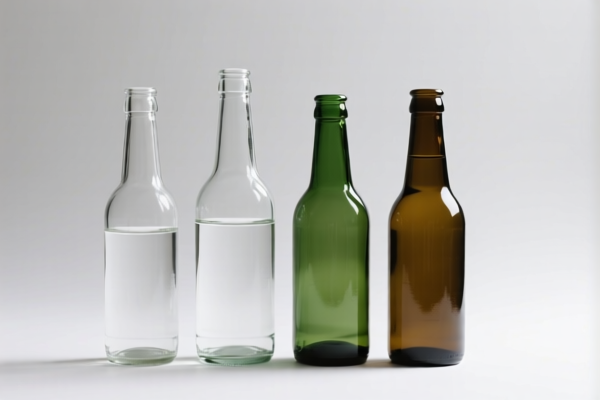
AI Analysis
🍷 Decanters & Specialized Wine Vessels (Alcoholic Beverage Decanters)
🌐 HS Code Reference & Customs Clearance Guide | 2026 Updated Tariff Analysis | Expert-Level Strategy
📌 I. Product Definition & Classification: Do You Really Know "Decanters"?
Decanters are essential vessels in the world of fine dining and alcohol culture, designed to separate sediment, aerate wine, and serve as elegant presentation pieces. In international trade, they are NOT classified simply as "bottles" or "glassware" but fall under specific sub-categories based on material and function:
Porcelain/Ceramic Decanters: The classic "Steins with lids," "Bonbon dishes," or "Tiered servers" made of high-fired porcelain or china. These are often decorative yet functional.
Glass/Aluminum/Iron Decanters: If made of other materials (glass, aluminum, steel), they fall under completely different HS Codes (e.g., Glass Chapter 70, Aluminum 76, Steel 73).
⚠️ CRITICAL DISTINCTION:
- If the decanter is Porcelain/Ceramic → It belongs to Chapter 69 (Porcelain).
- If the decanter is Aluminum or Steel (even if for wine) → It belongs to Chapter 76 or Chapter 73.
- Material is the King: Do not confuse "Decanter" (function) with "Porcelain Tableware" (material).
📦 II. HS Code Classification Details (2026 Tariff Authority)
Based on the provided DATA, here are the precise classifications for "Decanters" depending on their material composition:
| HS Code | Material Category | Specific Description | Key Features |
|---|---|---|---|
| 6911.10.41.00 | Porcelain / China | Steins with permanently attached pewter lids, candy boxes, decanters, punch bowls, pretzel dishes... | Material: Porcelain/China. Features: Often includes pewter lids (steins) or specific shapes for serving. Use: Tableware/Kitchenware. |
| 6911.10.80.10 | Porcelain / China | Other suitable for food or drink contact | Material: Porcelain/China. Features: General decanters not covered by the specific "pewter lid" description in 6911.10.41.00. Use: Food/Drink contact. |
| 7615.10.91.00 | Aluminum | Table, kitchen or other household articles... of Aluminum: Other: Other | Material: Aluminum. Features: Aluminum decanters, thermos flasks, or kitchen vessels. Note: High tariff due to "Steel/Aluminum/Copper" surcharge. |
| 7615.10.71.55 | Aluminum | Other: Cooking and kitchen ware... Other Other cookware | Material: Aluminum. Features: Specifically non-enamel/non-glazed aluminum cookware or vessels. Note: If the decanter is aluminum "cookware" style. |
| 7323.99.90.30 | Iron / Steel | Table, kitchen or other household articles... of Iron or Steel... Other Kitchen or tableware suitable for food or drink contact | Material: Iron/Steel (not coated with precious metal). Features: Stainless steel or carbon steel decanters. Note: Highest tariff tier in this list. |
| 7323.99.10.00 | Iron / Steel | ...Coated or plated with silver | Material: Iron/Steel plated with Silver. Features: Luxury steel decanters with silver plating. Note: Still subject to steel surcharges despite silver coating. |
🔍 Key Insight:
- "Decanters" are mostly classified under 6911 if made of Porcelain (the most common luxury material).
- If your decanter is Aluminum or Steel, the tariff structure changes drastically (see Tax Section below), often incurring ~60-78% total tax due to material-specific surcharges.
💰 III. 2026 Latest Tariff Rate Breakdown (USA Import)
✅ Applicable Market: USA
✅ Origin: China (CN)
✅ Status: Includes Base Duty + "Section 301" (USITC) + "Steel/Aluminum" (232) + "IEEPA" surcharges where applicable.
🎯 1. 6911.10.41.00 – Porcelain Decanters (e.g., with Pewter Lids)
The "Classic" Luxury Decanter
| Item | Content |
|---|---|
| Base Duty | 6.3% (Ad Valorem) |
| Section 301 Surcharge | 0.0% (None listed for this specific sub-code in data) |
| Total Rate | 6.3% |
| Tax Detail | Base: 6.3%, Additional: 0.0% |
| Material Factor | Porcelain (No Steel/Aluminum surcharge) |
📌 Explanation:
This is the most cost-effective option for porcelain decanters (especially "Steins with pewter lids"). The tariff is low (6.3%) because it falls under specific decorative porcelain categories not subject to the heavy "Steel/Aluminum/Copper" retaliatory tariffs.
🎯 2. 6911.10.80.10 – Porcelain Decanters (Other Food/Drink Contact)
General Porcelain Decanters
| Item | Content |
|---|---|
| Base Duty | 20.8% |
| Section 301 Surcharge | 7.5% |
| Total Rate | 28.3% |
| Tax Detail | Base: 20.8%, Additional: 7.5% |
| Material Factor | Porcelain (Higher base duty for "Other") |
📌 Explanation:
If the decanter is Porcelain but does not fit the "Pewter Lid" or specific "Stein" description, it falls into the "Other" category. The base tariff jumps to 20.8% + 7.5% additional = 28.3%. This is still manageable compared to metal alternatives.
🎯 3. 7615.10.91.00 – Aluminum Decanters
High-Risk Material Category
| Item | Content |
|---|---|
| Base Duty | 3.1% |
| Section 301 Surcharge | 7.5% |
| Steel/Aluminum/Copper Surcharge | 50% (232 Tariff) |
| Total Rate | 60.6% |
| Tax Detail | Base: 3.1%, 301: 7.5%, Section 232: 50% |
| Material Factor | Aluminum (Subject to Section 232) |
📌 Explanation:
⚠️ WARNING: Even though aluminum is light and common, importing aluminum tableware from China triggers the 50% "Steel/Aluminum/Copper" retaliatory tariff. Combined with the base 3.1% and 7.5% Section 301, the total hits 60.6%. Avoid if possible for US import.
🎯 4. 7323.99.90.30 – Iron/Steel Decanters (Non-Plated)
Highest Risk Category
| Item | Content |
|---|---|
| Base Duty | 3.4% |
| Section 301 Surcharge | 25.0% |
| Steel/Aluminum/Copper Surcharge | 50% |
| Total Rate | 78.4% |
| Tax Detail | Base: 3.4%, 301: 25.0%, Section 232: 50% |
| Material Factor | Iron/Steel (Highest Section 301 + Section 232) |
📌 Explanation:
🚨 CRITICAL ALERT: This is the most expensive classification. Stainless steel or iron decanters face a 78.4% total tariff. The 25% Section 301 surcharge on "Steel/Aluminum/Copper" products combined with the 50% Section 232 surcharge makes this unviable for most profit margins.
🎯 5. 7323.99.10.00 – Silver-Plated Steel Decanters
| Item | Content |
|---|---|
| Base Duty | 0.0% |
| Section 301 Surcharge | 7.5% |
| Steel/Aluminum/Copper Surcharge | 50% |
| Total Rate | 57.5% |
| Tax Detail | Base: 0.0%, 301: 7.5%, Section 232: 50% |
📌 Explanation:
Even with Silver Plating (which usually reduces base duty to 0%), the 50% Section 232 surcharge on the base steel material and 7.5% Section 301 surcharge remain. Total remains 57.5%. The silver coating does not exempt you from metal tariffs.
🛠️ IV. Customs Clearance Practical Advice (Pitfall Avoidance)
✅ 1. Material Verification (The #1 Priority)
| Scenario | Action | Risk if Ignored |
|---|---|---|
| Product is Porcelain | Declare as 6911.10... | Low Risk (6.3% - 28.3%) |
| Product is Aluminum | Declare as 7615.10... | High Risk (60.6%) - Check if it can be classified elsewhere? |
| Product is Steel | Declare as 7323.99... | Extreme Risk (78.4%) - Almost impossible to import profitably. |
| Mixed Material | Separate Components! | If decanter has a porcelain body but steel base, ensure classification is based on the principal material. |
🔥 Golden Rule: Porcelain is your friend. Aluminum and Steel are "Tariff Traps" for US importers. If your product is "Wine Decanter," ensure it is Ceramic/Porcelain to enjoy the 6.3% rate.
✅ 2. Description Precision (Customs Declaration)
- Bad Description: "Wine Bottle," "Metal Vessel," "Kitchenware."
→ Result: Random classification, high chance of error, audit risk. - Good Description:
"Porcelain Decanter, 500ml, Hand-Painted, For Tableware Use, Class 6911.10"
"Stein with Pewter Lid, Porcelain, Decorative, 6911.10.41.00"
✅ 3. Special Considerations for "Pewter Lids"
- If your decanter has a permanently attached pewter lid, it falls into 6911.10.41.00 (6.3% tax).
- If the lid is removable, or made of plastic/metal without pewter, it might fall into 6911.10.80.10 (28.3% tax).
- Action: Verify the lid material. If it is Pewter, highlight this in the commercial invoice to claim the lower tariff.
✅ 4. Avoid "Steel/Aluminum" Surcharges
- Strategy: If you must use metal, consider Glass (Chapter 70, not listed in data, but usually lower tariffs than Steel) or Wood/Ceramic.
- Warning: Do not attempt to classify Steel decanters as "Glass" or "Ceramic" to avoid the 50% surcharge. This is Customs Fraud and leads to fines, seizure, and loss of import privileges.
🌍 V. Global Market Comparison (2026)
| Region | Porcelain Decanter (6911) | Aluminum/Steel Decanter (76/73) | Verdict |
|---|---|---|---|
| 🇺🇸 USA | 6.3% - 28.3% | 57.5% - 78.4% | Porcelain ONLY recommended |
| 🇨🇳 China | 0% - 5% | 3% - 10% | No major surcharges |
| 🇪🇺 EU | 6.5% | 6.5% + VAT | No 232/301 surcharges |
| 🇯🇵 Japan | 6.0% | 6.0% | Stable |
📌 Conclusion:
The USA market is extremely sensitive to material composition. Porcelain is the only viable option for high-margin imports. Aluminum and Steel decanters are effectively blocked by 60-80% tariffs.
📌 VI. Common Mistakes & Lessons (Lessons Learned)
❌ Mistake 1: Calling a steel decanter "Aluminum" to save tax.
👉 Result: 100% audit, 50% surcharge applies anyway + Penalties.
❌ Mistake 2: Describing a porcelain decanter as "Tableware, Other" without specifying material.
👉 Result: Misclassification to a higher tax rate or delay.
❌ Mistake 3: Assuming "Pewter Lid" means "Metal" classification.
👉 Result: NO! As per 6911.10.41.00, the Porcelain body dictates the HS Code, not the pewter accessory. This is a 6.3% win!
✅ Correct Approach:
"Porcelain Decanter with Attached Pewter Lid, Decorative Tableware, HS 6911.10.41.00, Origin: China"
🎯 VII. Final Strategy: Cost Optimization
🎯 Remember the Formula:
🔹 "Porcelain = 6.3% (Win!) | Aluminum = 60.6% (Lose!) | Steel = 78.4% (Fail!)"
🔹 "Material dictates Tax, not Shape!"
🔹 "Pewter Lid on Porcelain = Low Tax!"
📌 Pro Tip:
If you are designing a new product line for the US:
1. Use Porcelain/Ceramic for decanters.
2. Avoid Aluminum/Steel unless the product is for industrial use (non-food).
3. Explicitly state "Porcelain" on the Commercial Invoice.
4. Highlight "Pewter Lid" if applicable to qualify for 6911.10.41.00.
📣 Action Now:
📞 Verify your product's material composition immediately!
🚀 If Steel/Aluminum, retool to Porcelain or pivot to EU/Asia markets where metal tariffs are lower.
💼 Your profit margin depends on this single HS Code!
✨ Professional Customs Clearance Starts with Accurate Material Classification!
💼 Don't let a 78% tariff eat your entire profit!
Customer Reviews
About HS Code Classification
The Harmonized System (HS) is an internationally standardized nomenclature developed by the World Customs Organization (WCO) to classify traded products. Over 200 countries use the HS system as the basis for customs tariffs, trade statistics, and import/export regulations.
Each HS code follows a hierarchical structure:
- Chapter (2 digits) — Broad category of goods (e.g., Chapter 84: Machinery and Mechanical Appliances)
- Heading (4 digits) — More specific grouping within the chapter
- Subheading (6 digits) — Internationally standardized breakdown, used by all WCO member countries
- National subdivisions (8-10 digits) — Country-specific extensions for further classification, such as US HTSUS 10-digit codes
Correct HS code classification is essential for smooth customs clearance, accurate duty payment, and compliance with trade regulations. Misclassification can lead to customs delays, overpayment of duties, or penalties.
When importing from CN to US, the applicable tariff rates may include:
- Most-Favored-Nation (MFN) rate — The standard duty rate applied to WTO members
- General rate — Applied to countries without trade agreements
- Trade remedy duties — Additional tariffs such as Section 301 (anti-dumping), Section 232 (national security), or countervailing duties
The information provided on this page is for reference purposes only. For official classification, please consult with your local customs authority or a licensed customs broker.