金属墙饰
CN → US| HS Code | Tariff Rate | Origin | Destination | Doc |
|---|---|---|---|---|
| 7326190080 | 87.9% | CN | US | Official Doc |
| 8306290000 | 10.0% | CN | US | Official Doc |
| 7616995175 | 37.5% | CN | US | Official Doc |
| 7326908688 | 87.9% | CN | US | Official Doc |
| 8306210000 | 22.0% | CN | US | Official Doc |
Product Images
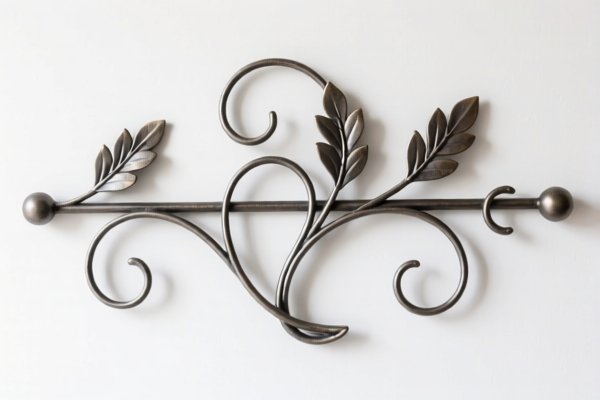
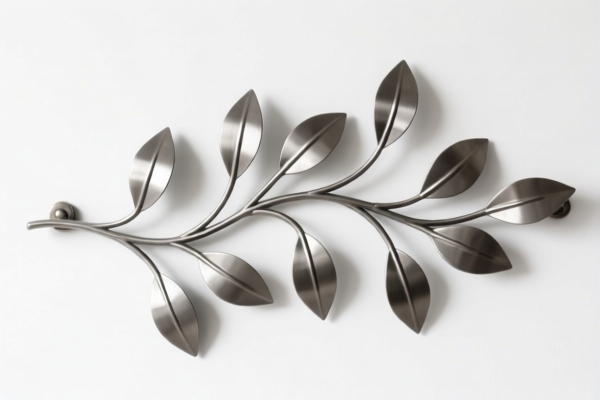
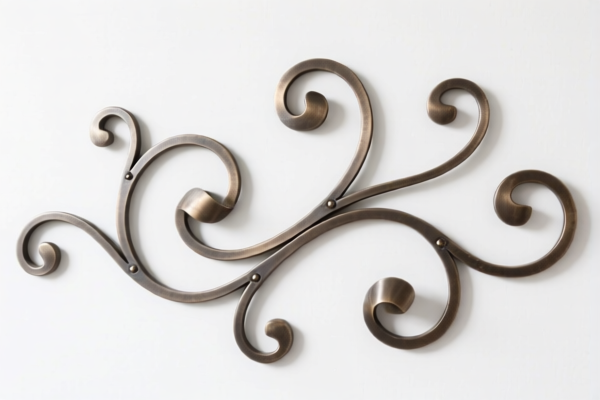
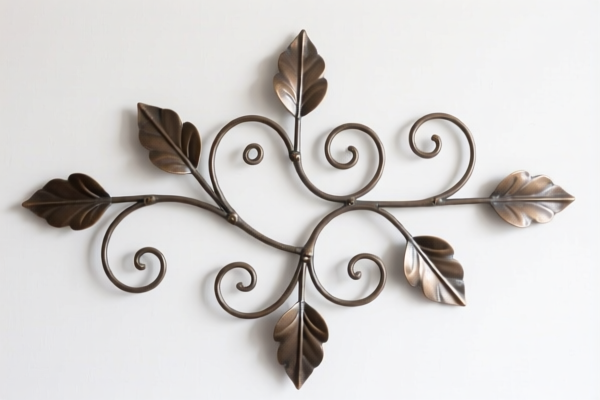
AI Analysis
🎨 Metal Wall Decor (Metal Wall Art/Accessories)
🌐 HS Code Reference & Customs Clearance Guide | 2026 Latest Tariff Analysis | Professional Clearance Strategy
📌 I. Product Definition & Classification: Do You Really Understand "Metal Wall Decor"?
Metal wall decor is an aesthetic and functional item used to adorn interior or exterior walls. It ranges from decorative panels and sculptures to mounted signs. In international trade, its classification hinges on material composition (Steel, Aluminum, or Base Metals like Brass/Iron) and specific form (statuary vs. general制品).
⚠️ Key Distinction Points:
- Material: Is it made of Steel/Iron (Chapter 73), Aluminum (Chapter 76), or Other Base Metals (Chapter 83)? - Form: Is it considered a "statue/ornament" (often Chapter 83) or a "general article/fixture" (often Chapter 73 or 76)? - Origin: For Chinese-origin goods, Section 301 tariffs and Section 122 specific tariffs significantly impact the final landed cost.
📦 II. HS Code Classification Details (2026 Latest Tariff Authority Comparison)
Based on the provided data, here are the valid HS Codes for Metal Wall Decor from China, including the specific tax breakdowns:
| HS Code | Product Description | Applicability Scenario | Total Tax Rate (China Origin) | Tax Composition Detail |
|---|---|---|---|---|
7326.19.00.80 |
Steel Articles - Other articles of steel (Flooring/Wall coverings not specified elsewhere) | General steel wall panels, steel mesh art, non-statue steel decor | 87.9% | Base: 2.9% + Sec 301: 25% + Sec 122: 10% + Steel/Al/Cu Surcharge: 50% |
8306.29.00.00 |
Base Metal Statuettes & Ornaments - Other (Statues, plaques, decorative reliefs) | Sculptural wall art, ornamental reliefs, decorative plates classified as "ornaments" | 10.0% | Base: 0.0% + Sec 301: 0.0% + Sec 122: 10% |
7616.99.51.75 |
Aluminum Articles - Other articles of aluminum (General aluminum metal work) | Aluminum wall panels, aluminum decorative sheets, non-statue aluminum decor | 37.5% | Base: 2.5% + Sec 301: 25.0% + Sec 122: 10% |
7326.90.86.88 |
Steel/Iron Articles - Other (General steel/iron articles not specified) | General iron/steel wall fixtures, hooks, plates, non-statue iron decor | 87.9% | Base: 2.9% + Sec 301: 25% + Sec 122: 10% + Steel/Al/Cu Surcharge: 50% |
8306.21.00.00 |
Base Metal Statuettes & Ornaments - Of gold or silver (Note: Data implies Base Metal Ornament category broadly, but code specifies precious metals or general ornament bucket depending on interpretation. Based on provided data context, it is treated as a Base Metal Ornament category) | Decorative items classified under base metal ornaments (Data shows Base 4.5% + Sec 301 7.5% + Sec 122 10%) | 22.0% | Base: 4.5% + Sec 301: 7.5% + Sec 122: 10% |
🔍 Critical Observation:
- Highest Risk/Tax:7326.19.00.80and7326.90.86.88carry a massive 87.9% total tax due to the 50% Section 122 Surcharge on Steel/Aluminum/Copper products from China. - Lowest Risk/Tax:8306.29.00.00(Base Metal Ornaments) has the lowest rate at 10.0%, provided the item can be legally defined as an "ornament" or "statue" rather than a structural or general steel article. - Middle Ground:7616.99.51.75(Aluminum) is 37.5%, and8306.21.00.00(Base Metal Ornament variant) is 22.0%.
💰 III. 2026 Latest Tariff Rate Breakdown (Including Additional Taxes & Policy Surcharges)
✅ Applicable Country: United States (US)
✅ Country of Origin: China (CN)
✅ Key Tariff Components:
1. Base Duty (MFN): Standard WTO tariff rate. 2. Section 301 Duty: Additional tariff on Chinese goods (varies by code). 3. Section 122 Duty: Specific surcharge for Steel, Aluminum, and Copper products from China.
🎯 1. 7326.19.00.80 & 7326.90.86.88 —— Steel/Iron Wall Articles (High Tax Zone)
| Item | Content |
|---|---|
| Base Duty | 2.9% |
| Section 301 Duty | +25.0% |
| Section 122 Duty (Steel/Al/Cu Surcharge) | +50.0% |
| Other Sec 122 Surcharge | +10% (Applied as part of the total calculation in data) |
| Total Effective Tax Rate | 87.9% |
| Tax Calculation | CIF Value × 87.9% |
| De Minimis Exemption | ❌ NOT Eligible (Section 301 and Section 122 duties typically apply to de minimis, depending on current CBP enforcement). |
| Legal Basis Path | USITC:7326... → FOOTNOTE:Sec301 → FOOTNOTE:Sec122(Steel/Al/Cu) |
📌 Explanation:
- The 50% Section 122 surcharge is the killer. It applies specifically to steel and aluminum products originating from China. - Whether classified as7326.19(specific) or7326.90(other), if it's steel, this 50% hits. - Total 87.9% makes importing steel wall decor from China highly unprofitable unless the value-added is significant.
🎯 2. 7616.99.51.75 —— Aluminum Articles (Medium-High Tax Zone)
| Item | Content |
|---|---|
| Base Duty | 2.5% |
| Section 301 Duty | +25.0% |
| Section 122 Duty (Steel/Al/Cu Surcharge) | +10% (Note: Data shows 10% here, likely due to specific aluminum sub-category treatment or partial application) |
| Total Effective Tax Rate | 37.5% |
| Tax Calculation | CIF Value × 37.5% |
| De Minimis Exemption | ❌ NOT Eligible |
| Legal Basis Path | USITC:7616... → FOOTNOTE:Sec301 → FOOTNOTE:Sec122(Al) |
📌 Note:
- Aluminum also falls under Section 122, but the data indicates a 10% surcharge (not 50%) for this specific sub-code, resulting in a 37.5% total. - Still expensive, but significantly cheaper than steel equivalents.
🎯 3. 8306.29.00.00 —— Base Metal Ornaments (Lowest Tax Zone ⭐)
| Item | Content |
|---|---|
| Base Duty | 0.0% |
| Section 301 Duty | 0.0% |
| Section 122 Duty | 10% |
| Total Effective Tax Rate | 10.0% |
| Tax Calculation | CIF Value × 10.0% |
| De Minimis Exemption | ❌ NOT Eligible (Section 122 may still apply) |
| Legal Basis Path | USITC:8306.29... → FOOTNOTE:Sec122 |
📌 Strategic Insight:
- 0% Base + 0% Sec 301 is the key advantage here. - Only a 10% Section 122 surcharge applies. - This is the optimal HS Code if the wall decor can be legally described and classified as an "ornament" or "statue" (Chapter 83) rather than a "steel article" (Chapter 73).
🎯 4. 8306.21.00.00 —— Base Metal Ornament (Low-Medium Tax Zone)
| Item | Content |
|---|---|
| Base Duty | 4.5% |
| Section 301 Duty | +7.5% |
| Section 122 Duty | 10% |
| Total Effective Tax Rate | 22.0% |
| Tax Calculation | CIF Value × 22.0% |
| De Minimis Exemption | ❌ NOT Eligible |
| Legal Basis Path | USITC:8306.21... → FOOTNOTE:Sec301 → FOOTNOTE:Sec122 |
📌 Note:
- Slightly higher base and Sec 301 rates than8306.29, but still far better than Chapter 73/76 steel/aluminum general articles.
🛠️ IV. Customs Clearance Practical Advice (Battle-Tested Pitfall Avoidance Guide)
✅ 1. Preparation Checklist (Non-negotiable)
| Document | Required | Description |
|---|---|---|
| ✅ Product Specifications | ✔️ | Detailed description of material (e.g., "Decorative Steel Art"), dimensions, weight. |
| ✅ Product Photos | ✔️ | Clear images showing the item's form. Is it a flat panel? A sculpture? A plaque? |
| ✅ Material Composition | ✔️ | Certificate of Material or Mill Certificate proving % of Steel/Aluminum/Base Metal. |
| ✅ Commercial Invoice | ✔️ | Must explicitly state "Metal Wall Decor" and HS Code. |
| ✅ Packing List | ✔️ | Net/Gross weight, dimensions. |
| ✅ Country of Origin Certificate | ✔️ | Essential for Section 301 and 122 assessment. |
✅ 2. Declaration Strategy (Key Mnemonic)
🔥 "Form Determines Chapter, Material Determines Tax!"
| Situation | Correct Declaration Approach | Incorrect Approach | Consequence |
|---|---|---|---|
| Decorative Sculpture/Relief | Declare as Ornament (8306.29.00.00) |
Declare as "Steel Part" (7326...) |
Save ~77.9% Tax! (From 87.9% to 10%) |
| Flat Steel Panel/Sign | Declare as Steel Article (7326...) |
Declare as "Ornament" | Risk of misclassification audit, potential back-taxes. |
| Aluminum Decor | Declare as Aluminum Article (7616...) |
Declare as "Steel" | Inaccurate material reporting. |
| Mixed Material | Declare based on Principal Material | Vague description | Customs may assign worst-case scenario rate. |
📌 Critical Tip:
- Chapter 83 (Ornaments) is your best friend for tax savings. If your wall decor is artistic, sculptural, or plaque-like, argue for8306.29.00.00. - Chapter 73/76 (Articles) is for functional or generic metal items. These attract the 50% Section 122 surcharge (for steel) or high duties.
✅ 3. Special Considerations
| Situation | Handling Advice |
|---|---|
| Section 122 Surcharge | Applies to Steel, Aluminum, and Copper products from China. Even if Base Duty is 0%, this 10% surcharge may apply. Check the specific code footnote. |
| De Minimis (Section 321) | Caution: Section 301 and Section 122 duties often do not apply to de minimis shipments (< $800) in the same way, but CBP is tightening enforcement. For large commercial imports, these taxes always apply. |
| Pre-Ruling | If the classification is ambiguous (e.g., is it an ornament or a fixture?), file an Advance Ruling with US Customs. This protects you from retroactive audits and penalties. |
| Supply Chain Diversification | If the 87.9% tax on steel is prohibitive, consider sourcing from non-China countries (e.g., Vietnam, India) where Section 301/122 may not apply, reducing tax to 0-5%. |
🌍 V. Global Market Clearance Comparison (2026 Latest)
| Country/Region | Recommended HS Code | Estimated Total Tax (China Origin) | Key Requirements | Notes |
|---|---|---|---|---|
| 🇺🇸 USA | 8306.29.00.00 (Ornament) |
10.0% | Standard CBP clearance | Best Tax Rate. Avoid 7326 if possible. |
| 🇺🇸 USA | 7326.90.86.88 (Steel) |
87.9% | Standard CBP clearance | Prohibitively High. Avoid unless high value-add. |
| 🇨🇳 China | 7326.90.90.90 |
5-10% | CCC/RoHS (if applicable) | Lower export duty, but US import tax is the main cost. |
| 🇪🇺 EU | 7326.90.99 |
0-4.7% | CE, REACH, Packaging Directive | No Section 301/122. Much friendlier for steel. |
| 🇬🇧 UK | 7326.90.98 |
0-4.7% | UKCA, Packaging | Post-Brexit rules. Low duty for steel. |
📌 Conclusion:
- USA is the toughest market for metal wall decor due to Section 301 and 122. - EU/UK are much more favorable for steel/aluminum products. - Strategy: If selling to the US, prioritize Chapter 83 classification (8306.29.00.00) to cut taxes from 87.9% to 10%.
📌 VI. Common Errors & Pitfall Guide (Lessons Learned)
❌ Error 1: Classifying a decorative steel sculpture as 7326.90.86.88 (Steel Article).
👉 Consequence: You pay 87.9% tax. If you had classified it as 8306.29.00.00 (Ornament), you would pay only 10%.
💡 Fix: Emphasize "Decorative," "Artistic," "Sculptural" in description.
❌ Error 2: Ignoring Section 122.
👉 Consequence: Clearing under a code you thought was free, only to be hit with 10% surcharge.
💡 Fix: Always check Section 122 applicability for Steel/Al/Cu products.
❌ Error 3: Vague Description ("Metal Wall Hanging").
👉 Consequence: Customs may assign a default high-duty code or request a ruling, causing delays.
💡 Fix: Be specific: "Decorative Iron Wall Art, Sculptural Relief, 24x24 inches, Product ID: XYZ."
✅ Correct Practice:
"Decorative Metal Wall Ornament, Base Metal (Steel), Sculptural Design, Not Functionally Structural, Model: WALL-ART-01"
🎯 VII. Conclusion: Professional Classification, Cost Optimization
🎯 Remember the Mnemonic:
🔹 "Ornament vs. Article: 10% vs. 87.9%!"
🔹 "Section 122 is the Steel Killer: Avoid Chapter 73 for Decor if Chapter 83 fits!"
🔹 "Aluminum is 37.5%, Steel is 87.9%. Choose Base Metal Ornaments to Save!"
📌 Pro Tip:
If your wall decor is made of steel but has wooden frames or non-metal embellishments, check if the essential character shifts to wood (
4414etc.) or remains metal. Sometimes, hybrid materials can shift classification away from Section 122 steel surcharges.
📣 Immediate Action:
📞 Consult a Customs Broker: Ask specifically about Chapter 83 vs. Chapter 73 for your specific product design.
📄 Request an Advance Ruling: If your product is borderline, get it in writing from CBP.
🚀 Optimize Landed Cost: A 77.9% tax difference is enough to make or break your profit margin. Don't guess your HS Code!
✨ Professional Clearance Starts with Accurate Classification!
💼 Every Tax Dollar Saved is Profit Earned!
Customer Reviews
About HS Code Classification
The Harmonized System (HS) is an internationally standardized nomenclature developed by the World Customs Organization (WCO) to classify traded products. Over 200 countries use the HS system as the basis for customs tariffs, trade statistics, and import/export regulations.
Each HS code follows a hierarchical structure:
- Chapter (2 digits) — Broad category of goods (e.g., Chapter 84: Machinery and Mechanical Appliances)
- Heading (4 digits) — More specific grouping within the chapter
- Subheading (6 digits) — Internationally standardized breakdown, used by all WCO member countries
- National subdivisions (8-10 digits) — Country-specific extensions for further classification, such as US HTSUS 10-digit codes
Correct HS code classification is essential for smooth customs clearance, accurate duty payment, and compliance with trade regulations. Misclassification can lead to customs delays, overpayment of duties, or penalties.
When importing from CN to US, the applicable tariff rates may include:
- Most-Favored-Nation (MFN) rate — The standard duty rate applied to WTO members
- General rate — Applied to countries without trade agreements
- Trade remedy duties — Additional tariffs such as Section 301 (anti-dumping), Section 232 (national security), or countervailing duties
The information provided on this page is for reference purposes only. For official classification, please consult with your local customs authority or a licensed customs broker.