金属非注射针
CN → US| HS Code | Tariff Rate | Origin | Destination | Doc |
|---|---|---|---|---|
| 9018320000 | 10.0% | CN | US | Official Doc |
| 7319909000 | 70.4% | CN | US | Official Doc |
| 8209000060 | 39.6% | CN | US | Official Doc |
| 8209000030 | 39.6% | CN | US | Official Doc |
| 9018390050 | 10.0% | CN | US | Official Doc |
Product Images
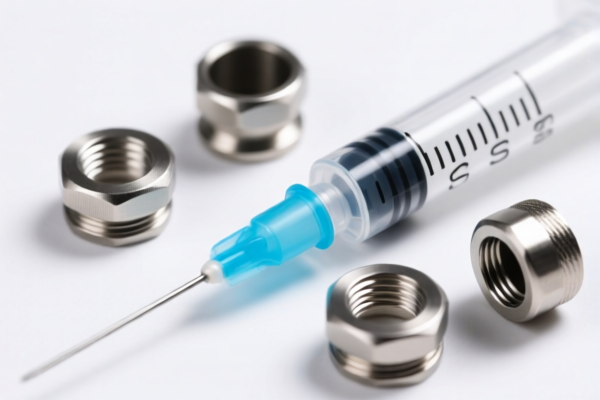
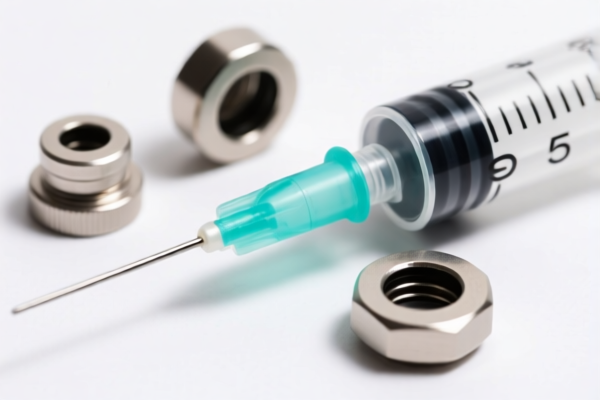
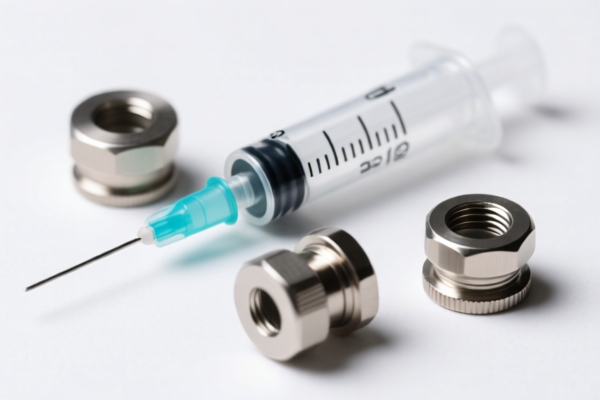
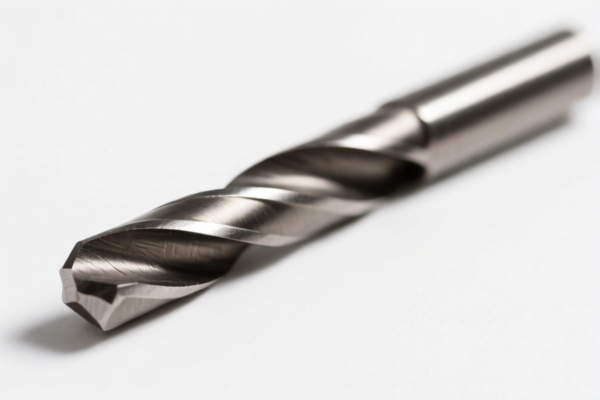
AI Analysis
🧪 Metal Non-Injection Needles (Non-Subcutaneous Metal Needles)
🌐 HS Code Classification & Duty Guide | 2026 Updated Tariff Analysis | Expert Customs Clearance Strategy
📌 One Product, Five HS Codes – Why the Tax Rate Varies So Much!
🔍 You’re shipping metal non-injection needles?
⚠️ Wrong HS code = 39.6% vs. 70.4% duty!
✅ This guide reveals the exact classification logic, tax breakdown, and real-world clearance tips — based on official U.S. tariff data.
🔍 1. What Are "Metal Non-Injection Needles"?
Definition:
Non-needle-type metal tools designed for cutting, piercing, or grinding, not for subcutaneous injection. They are used in industrial, medical, or tool-making applications — not for human injection.
❗ Key Clarification:
- These are not syringe needles, not for medical injection, and not for dermatology.
- They are metal rods, pins, or tips used in ceramic-metal tools, surgical instruments, or industrial cutting equipment.
📦 2. HS Code Classification Breakdown (2026 U.S. Tariff Authority)
| HS Code | Product Description | Key Features | Tax Rate | Legal Basis |
|---|---|---|---|---|
8209.00.00.30 |
Non-subcutaneous metal needles; metal material; needle shape; used as plates, rods, tips for ceramic-metal tools | Industrial tool components, not for injection | 39.6% | 4.6% + 25% + 10% |
8209.00.00.60 |
Non-subcutaneous metal needles; metal material; needle shape; used as tips for metal-ceramic tools | Tool tips for grinding, cutting, drilling | 39.6% | 4.6% + 25% + 10% |
7319.90.90.00 |
Non-subcutaneous metal needles; iron or steel material; used like sewing needles or needle products | Steel needles for industrial use | 70.4% | 2.9% + 7.5% + 10% + 50% |
9018.32.00.00 |
Non-subcutaneous metal needles; metal material; used in medical/surgical instruments | Surgical or diagnostic tools | 10.0% | 0% + 0% + 10% |
7319.90.10.00 |
Non-subcutaneous metal needles; iron or steel material; needle shape & function | Steel needle-like parts | 67.5% | 0% + 7.5% + 10% + 50% |
📌 Critical Insight:
- The same physical item can be taxed 39.6% or 70.4% depending on how it's classified.
- Material (metal vs. steel), shape, and intended use determine the final HS code.
💰 3. Detailed Tax Breakdown (U.S. 2026 Tariff Rules)
🎯 1. 8209.00.00.30 – Ceramic-Metal Tool Components
| Tax Component | Rate | Legal Basis |
|---|---|---|
| Base Tariff | 4.6% | U.S. HTSUS §8209.00.00 |
| Section 301 (USITC) | +25% | From U.S. Trade Act §301 (China tariffs) |
| Section 122 (IEEPA) | +10% | IEEPA: International Emergency Economic Powers Act |
| Total Duty | 39.6% | ✅ Standard for industrial tool tips |
📌 When to Use This Code:
- The needle is part of a ceramic-metal composite tool (e.g., cutting tool tip).
- Not used in medical devices.
- No steel-specific tax.
🎯 2. 8209.00.00.60 – Metal-Ceramic Tool Tips
| Tax Component | Rate | Legal Basis |
|---|---|---|
| Base Tariff | 4.6% | HTSUS §8209.00.00 |
| Section 301 (USITC) | +25% | U.S. Trade Act §301 |
| Section 122 (IEEPA) | +10% | IEEPA: 9903.01.24 |
| Total Duty | 39.6% | ✅ Same as above – industrial use only |
📌 When to Use This Code:
- The needle is a replaceable tip for metal-ceramic tools.
- Used in drilling, grinding, or machining.
- Not for medical or sewing.
🎯 3. 7319.90.90.00 – Steel-Based Needle-Like Items (Sewing/Industrial Use)
| Tax Component | Rate | Legal Basis |
|---|---|---|
| Base Tariff | 2.9% | HTSUS §7319.90.90 |
| Section 301 (USITC) | +7.5% | From U.S. Trade Act §301 |
| Section 122 (IEEPA) | +10% | IEEPA: 9903.01.24 |
| Steel, Aluminum, Copper Add-on | +50% | Critical! Applies to steel products under U.S. 2025-2026 tariffs |
| Total Duty | 70.4% | ❌ Highest risk – avoid if possible! |
📌 When to Use This Code:
- The item is made of iron or steel.
- Used like sewing needles, industrial needles, or threading tools.
- Even if not for sewing, if steel-based and needle-shaped → 50% steel tax applies!⚠️ Warning:
- This is not for medical or surgical tools.
- If your product is steel-based, even if industrial, this code triggers 50% steel tariff — double the risk.
🎯 4. 9018.32.00.00 – Medical/Surgical Instrument Use
| Tax Component | Rate | Legal Basis |
|---|---|---|
| Base Tariff | 0.0% | HTSUS §9018.32.00 |
| Section 301 (USITC) | 0.0% | No 301 tariff on medical devices |
| Section 122 (IEEPA) | +10% | IEEPA: 9903.01.24 |
| Total Duty | 10.0% | ✅ Lowest tax – but only if truly medical |
📌 When to Use This Code:
- The needle is part of a surgical instrument (e.g., biopsy tool, scalpel tip).
- Used in medical diagnosis or treatment.
- Must prove medical purpose — not industrial.✅ Pro Tip:
- If your product is used in hospitals or clinics, claim medical use — save 29.6% in duty.
🎯 5. 7319.90.10.00 – Steel Needle-Like Products (General Use)
| Tax Component | Rate | Legal Basis |
|---|---|---|
| Base Tariff | 0.0% | HTSUS §7319.90.10 |
| Section 301 (USITC) | +7.5% | U.S. Trade Act §301 |
| Section 122 (IEEPA) | +10% | IEEPA: 9903.01.24 |
| Steel, Aluminum, Copper Add-on | +50% | Applies to steel products |
| Total Duty | 67.5% | ❌ Still very high – avoid if possible |
📌 When to Use This Code:
- Steel-based, needle-shaped, but not for medical or industrial tool tips.
- Often used in textile, packaging, or general manufacturing.⚠️ Risk:
- If the item is not medical, but steel-based, and needle-shaped, this code applies.
- 50% steel tariff makes it one of the most expensive.
🛠️ 4. Customs Clearance Best Practices (Real-World Tips)
✅ 1. Documentation Checklist (MUST-HAVE)
| Document | Required? | Why It Matters |
|---|---|---|
| ✅ Product Specs & Drawings | ✔️ | Prove shape, material, use |
| ✅ Usage Manual / Application Notes | ✔️ | Show intended use (industrial vs. medical) |
| ✅ Photos (Clear, with scale) | ✔️ | Prove no medical labeling |
| ✅ Material Certificate (Steel vs. Metal) | ✔️ | Avoid 50% steel tariff |
| ✅ Commercial Invoice | ✔️ | Must state true purpose |
| ✅ Certificate of Origin (CO) | ✔️ | If from China, expect 301/IEEPA tariffs |
| ✅ Third-Party Test Report | ✔️ | CE, RoHS, or ASTM (if applicable) |
✅ 2.申报技巧(Key Rules)
🔥 "Material Matters, Use Defines, Shape Misleads!"
| Scenario | Correct HS Code | Wrong Code | Risk |
|---|---|---|---|
| Steel needle, used in sewing machine | 7319.90.90.00 |
8209.00.00.30 |
70.4% vs. 39.6% → +30.8% duty |
| Metal tip for ceramic tool | 8209.00.00.60 |
7319.90.10.00 |
39.6% vs. 67.5% → Save 27.9% |
| Surgical biopsy tool | 9018.32.00.00 |
8209.00.00.30 |
10% vs. 39.6% → Save 29.6% |
| Industrial tool tip, non-steel | 8209.00.00.30 |
7319.90.90.00 |
39.6% vs. 70.4% → Avoid 50% steel tax! |
✅ 3. Special Cases & Workarounds
| Situation | Solution |
|---|---|
| Steel-based, but not for sewing | Use 8209.00.00.30 or 8209.00.00.60 if used in tools — avoid steel-specific tariff |
| Medical use but not FDA-approved | Still qualify for 9018.32.00.00 if used in clinical settings |
| Unclear use | Apply for Advance Ruling (Pre-Review) — get official HS code confirmation |
| High-value shipment | Use bonded warehouse to defer duty payment until sale |
🌍 5. Global Duty Comparison (2026)
| Country | Recommended HS Code | Duty | Certification | Notes |
|---|---|---|---|---|
| 🇺🇸 USA | Depends on use | 10%–70.4% | FCC, RoHS | High risk – 301/IEEPA tariffs apply |
| 🇨🇳 China | 8209.00.00 |
5% | CCC | No 301/IEEPA |
| 🇪🇺 EU | 8209.00.00 |
0% | CE | No extra tariffs |
| 🇦🇺 Australia | 8209.00.00 |
5% | RCM | No 301 |
| 🇯🇵 Japan | 8209.00.00 |
0% | PSE | No extra tax |
📌 Insight:
- Only the U.S. applies 301 and IEEPA tariffs.
- China, EU, Australia, Japan are much safer for high-value shipments.
🚨 6. Common Mistakes & How to Avoid Them
❌ Mistake 1: Calling a steel industrial needle "metal tool tip"
👉 Result: Misclassified as 7319.90.90.00 → 70.4% duty
✅ Fix: Prove tool use, not sewing → use 8209.00.00.30
❌ Mistake 2: Not proving medical use for surgical tools
👉 Result: Taxed at 39.6% instead of 10%
✅ Fix: Include clinical use description, doctor’s letter, or device manual
❌ Mistake 3: Using "needle" in product name without context
👉 Result: Customs assumes sewing or injection → higher tax
✅ Fix: Use "metal tool tip", "industrial needle", or "ceramic-metal cutting point"
✅ Final Summary: Choose Wisely, Pay Less!
🎯 HS Code = Tax Rate = Profit Margin
🔥 Your goal: Avoid 70.4% at all costs!
| Best Case | Worst Case | Risk Level |
|---|---|---|
9018.32.00.00 → 10% |
7319.90.90.00 → 70.4% |
⚠️ High |
8209.00.00.30 → 39.6% |
7319.90.10.00 → 67.5% |
⚠️ Medium-High |
📌 Pro Tip:
- If your product is steel-based, avoid7319.90.90.00and7319.90.10.00unless proven non-industrial.
- If medical, claim9018.32.00.00— 10% is worth it.
📣 Action Now: Protect Your Profit!
📞 Contact a U.S. Customs Broker + Submit product photos + Request HS Code Pre-Review
🚀 Get a ruling before shipment — avoid 70.4% surprise!
✨ Smart Classification = Lower Duty = Higher Profit!
💼 Your product’s tax rate is not set in stone — it’s in your hands!
📌 Remember:
- Material → Steel? → Watch for 50% tariff
- Use → Medical? → Use9018.32.00.00
- Shape → Needle-like? → But purpose defines code!
✅ Your next shipment?
🛠️ Classify right. Pay less. Ship faster.
🌐 Let’s make your metal non-injection needles a duty-saving success!
Customer Reviews
About HS Code Classification
The Harmonized System (HS) is an internationally standardized nomenclature developed by the World Customs Organization (WCO) to classify traded products. Over 200 countries use the HS system as the basis for customs tariffs, trade statistics, and import/export regulations.
Each HS code follows a hierarchical structure:
- Chapter (2 digits) — Broad category of goods (e.g., Chapter 84: Machinery and Mechanical Appliances)
- Heading (4 digits) — More specific grouping within the chapter
- Subheading (6 digits) — Internationally standardized breakdown, used by all WCO member countries
- National subdivisions (8-10 digits) — Country-specific extensions for further classification, such as US HTSUS 10-digit codes
Correct HS code classification is essential for smooth customs clearance, accurate duty payment, and compliance with trade regulations. Misclassification can lead to customs delays, overpayment of duties, or penalties.
When importing from CN to US, the applicable tariff rates may include:
- Most-Favored-Nation (MFN) rate — The standard duty rate applied to WTO members
- General rate — Applied to countries without trade agreements
- Trade remedy duties — Additional tariffs such as Section 301 (anti-dumping), Section 232 (national security), or countervailing duties
The information provided on this page is for reference purposes only. For official classification, please consult with your local customs authority or a licensed customs broker.