针织或钩编的人造纤维服装
CN → US| HS Code | Tariff Rate | Origin | Destination | Doc |
|---|---|---|---|---|
| 6109100070 | 34.0% | CN | US | Official Doc |
| 6112110010 | 32.4% | CN | US | Official Doc |
| 6109100027 | 34.0% | CN | US | Official Doc |
Product Images
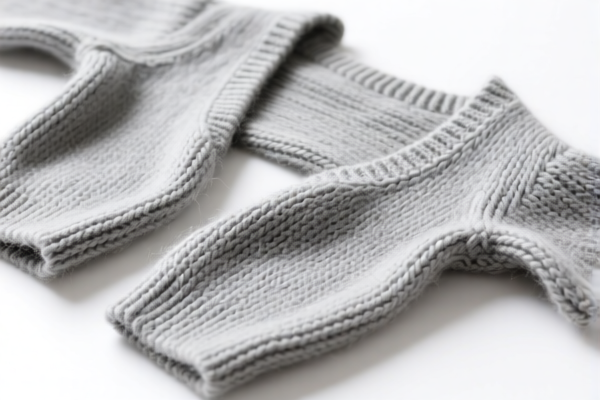
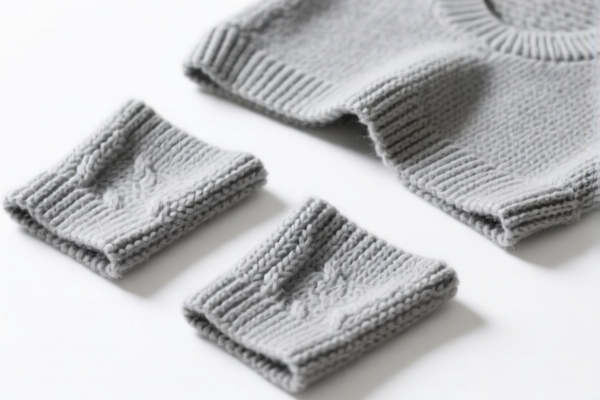

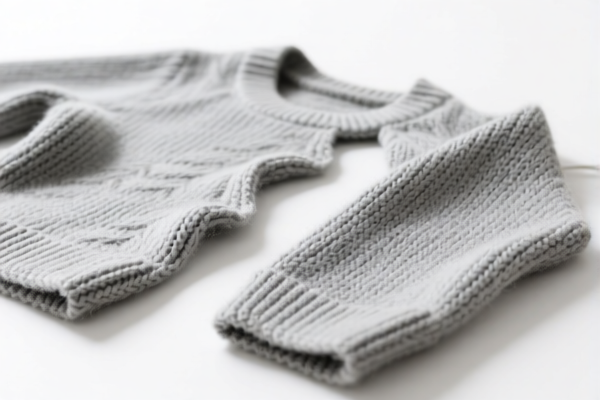
AI Analysis
👕 Knitted or Crochet Man-Made Fiber Clothing: HS Code Analysis & U.S. Customs Clearance Guide
🌐 HS Code Reference & Customs Clearance Guide | 2026 Latest Tariff Breakdown | Professional Strategy for Synthetic Apparel
📌 I. Product Definition: What is "Knitted/Crochet Man-Made Fiber Clothing"?
In international trade, this category specifically refers to apparel items made from synthetic fibers (such as polyester, nylon, acrylic) that are produced via knitting or crochet methods. Unlike woven fabrics, these garments are formed by interlocking loops of yarn, providing stretch and comfort.
Common examples include: * T-Shirts & V-Necks: Casual everyday wear. * Pullovers & Cardigans: Winter or layering pieces. * Vests & Singlets: Undergarments or athletic wear.
⚠️ Key Distinction:
- If the material is Cotton or Wool, it falls under different HS codes (e.g., 6109.10.00.70 for cotton).
- If the material is Man-Made Fibers (Polyester/Nylon), it falls under 6109.90 or 6112.11.
- Do not confuse "Man-Made Fiber" with "Cotton." Misclassification leads to severe duty discrepancies.
📦 II. HS Code Classification Details (2026 Latest Tariff Authority)
Based on the provided data, here are the specific HS Codes relevant to Man-Made Fiber (Synthetic) knitted/crochet garments:
| HS Code | Product Description | Material Type | Form/Usage | Tax Conflict Status |
|---|---|---|---|---|
6109.10.00.27 |
Knitted/Crochet T-Shirts, V-Necks, etc. | Cotton or Synthetic Blend | Matches description, no material conflict. | ✅ Compatible |
6109.90.10.13 |
Knitted/Crochet Pullovers, Cardigans, Vests | Man-Made Fiber (Synthetic) | Perfect match for form and material. | ✅ High Match |
6109.90.10.25 |
Knitted/Crochet Pullovers, Cardigans, Vests | Man-Made Fiber (Synthetic) | No clear conflict; fits synthetic category. | ✅ High Match |
6112.11.00.10 |
Knitted/Crochet Tracksuits/Sportswear | Material Unspecified | Form/Use match; material ambiguous. | ⚠️ Uncertain |
🔍 Critical Note:
- Items labeled as "Man-Made Fiber" (人造纤维) typically refer to synthetic materials like polyester.
- HS Code 6109.90.10.13 and 6109.90.10.25 are the most direct matches for synthetic knit tops.
- 6109.10.00.27 is broader and includes cotton blends, so ensure the composition is not 100% cotton if you are targeting the synthetic classification.
💰 III. 2026 Latest Tariff Rate Breakdown (Including Supplementary Taxes)
✅ Applicable Country: United States (US)
✅ Origin: China (CN)
✅ Effective Date: 2025-11-10 onwards
🎯 1. 6109.10.00.27 — Knitted/T-Shirt (Cotton or Synthetic)
| Item | Content |
|---|---|
| Base Duty Rate | 16.5% |
| Section 301 Additional Duty | 7.5% |
| Section 122 Additional Duty | 10% |
| Total Effective Duty Rate | 34.0% |
| Tax Calculation | CIF Value × 34.0% |
| De Minimis Eligibility | ❌ No (Subject to high duties) |
| Legal Basis Path | Base Tariff → 301: 7.5% → 122: 10% |
📌 Explanation:
- This code often covers basic T-shirts. Even if it contains some synthetic fiber, if it is not purely synthetic "man-made fiber" in the strict sense of 6109.90, it may fall here.
- Total 34% is a significant burden for low-margin apparel.
🎯 2. 6109.90.10.13 & 6109.90.10.25 — Knitted Synthetic Pullovers/Vests
| Item | Content |
|---|---|
| Base Duty Rate | 32.0% |
| Section 301 Additional Duty | 7.5% |
| Section 122 Additional Duty | 10% |
| Total Effective Duty Rate | 49.5% |
| Tax Calculation | CIF Value × 49.5% |
| De Minimis Eligibility | ❌ No |
| Legal Basis Path | Base Tariff → 301: 7.5% → 122: 10% |
📌 Warning:
- These codes apply specifically to Man-Made Fiber (synthetic) knitwear like polyester sweatshirts or acrylic vests.
- Total 49.5% is extremely high. This is one of the highest tariff burdens for apparel.
- Double-check Material: If your item is 100% Polyester, you MUST use 6109.90.x0.xx. If you misclassify it as 6109.10 (Cotton), you risk customs penalties.
🎯 3. 6112.11.00.10 — Knitted Sportswear/Tracksuits
| Item | Content |
|---|---|
| Base Duty Rate | 14.9% |
| Section 301 Additional Duty | 7.5% |
| Section 122 Additional Duty | 10% |
| Total Effective Duty Rate | 32.4% |
| Tax Calculation | CIF Value × 32.4% |
| De Minimis Eligibility | ❌ No |
| Legal Basis Path | Base Tariff → 301: 7.5% → 122: 10% |
📌 Note:
- This code is for Sportswear (e.g., tracksuits, athletic shorts).
- If your "Man-Made Fiber Clothing" is sport-specific (moisture-wicking, athletic cut), this might be the correct code.
- Lower total rate (32.4%) compared to general synthetic tops (49.5%), but requires strict proof of "sportswear" function.
🎯 4. 6109.10.00.70 — Cotton T-Shirt (For Reference/Comparison)
| Item | Content |
|---|---|
| Total Rate | 34.0% |
| Material | Cotton |
| Note | Included in data but NOT for Man-Made Fiber. Do not use for synthetic items. |
🛠️ IV. Customs Clearance Practical Advice (Avoid Pitfalls)
✅ 1. Critical Documentation Checklist
| Document | Required? | Purpose |
|---|---|---|
| ✅ Fabric Composition Label | ✔️ | Must clearly state: "100% Polyester" or "95% Nylon, 5% Spandex". |
| ✅ Tech Pack/Swatches | ✔️ | Prove it is Knitted/Crochet, not woven. |
| ✅ Product Photos | ✔️ | Show texture (loops visible for knitting vs. weave pattern). |
| ✅ Commercial Invoice | ✔️ | Describe item as "Knitted Synthetic Pullover" or "Synthetic T-Shirt". |
| ✅ Care Label | ✔️ | Often contains fiber content info, helps customs verify. |
✅ 2. Classification Strategy (Key Mnemonic)
🔥 "Synthetic Top? Check 6109.90. Cotton T? Check 6109.10. Sportswear? Check 6112.11."
| Scenario | Recommended HS Code | Duty Rate | Risk |
|---|---|---|---|
| 100% Polyester Sweater | 6109.90.10.13 / .25 |
49.5% | High duty, but accurate. |
| Polyester T-Shirt | 6109.10.00.27 |
34.0% | Lower duty if classified as "T-shirt" vs "Pullover". |
| Athletic Nylon Tracksuit | 6112.11.00.10 |
32.4% | Best rate, but must prove sport function. |
| Cotton T-Shirt | 6109.10.00.70 |
34.0% | Wrong for synthetic items. |
⚠️ Critical Warning:
- Never misclassify a 100% Polyester garment as Cotton to save duty. Customs lab testing (fiber analysis) is common. If caught, you face penalties + back duties.
- Difference between "T-Shirt" (6109.10) and "Pullover" (6109.90):
- 6109.10: Typically refers to T-shirts, singlets, vests.
- 6109.90: Refers to pullovers, cardigans, sweaters.
- Even if both are synthetic, the Base Duty differs (16.5% vs 32.0%).
✅ 3. Special Situations
| Situation | Advice |
|---|---|
| Blended Fibers | If >50% synthetic, classify as synthetic. If mixed with cotton, check specific HTS notes. |
| Embroidered/Printed | Does not change HS Code unless it adds significant value that changes the garment's essential character. |
| Sample vs. Bulk | Both are subject to the same duties. No exemption for samples from China. |
🌍 V. Global Market Comparison (2026)
| Market | Recommended HS Code | Estimated Duty (China Origin) | Key Requirement |
|---|---|---|---|
| 🇺🇸 USA | 6109.90.10.13 |
49.5% (32% base + 7.5% + 10%) | Strict fiber labeling. |
| 🇪🇺 EU | 6109.90.90.00 |
~12% | CE marking not required for clothing, but REACH for chemicals. |
| 🇨🇳 China | 6109.90.90.00 |
12% | CCC not required for general apparel. |
| 🇯🇵 Japan | 6109.90.90.00 |
16% | No special tariffs for China. |
📌 Conclusion:
- The US market is the most expensive for synthetic knitwear due to Section 301 and Section 122 tariffs.
- Total 49.5% significantly impacts profit margins. Consider pricing strategies or supply chain shifts.
📌 VI. Common Mistakes & Pitfalls (Blood Lessons)
❌ Mistake 1: Calling a Polyester Sweater a "Cotton T-Shirt"
👉 Consequence: Customs rejects, tests fabric, finds polyester, reclassifies to 6109.90, charges 49.5% + penalties.
❌ Mistake 2: Using 6109.10.00.27 for a 100% Nylon Pullover
👉 Consequence: Incorrect classification. 6109.10 is for T-shirts/vests. Pullovers belong in 6109.90. Risk of audit.
❌ Mistake 3: Ignoring Section 122 Tariffs
👉 Consequence: Underpaying by 10%. Customs will demand back payment + interest.
✅ Correct Approach:
"Polyester Knitted Pullover, Men's, Model XYZ, 100% Polyester, Knitted Fabric"
🎯 VII. Conclusion: Precise Classification Saves Money
🎯 Remember:
🔹 "Synthetic Pullover? 49.5% Duty. Cotton T-Shirt? 34%. Sportswear? 32.4%."
🔹 "Material is King: Polyester = High Duty. Cotton = Lower Duty. Be Honest."
📌 Tip:
If your product qualifies as "Sportswear" (6112.11.00.10), you can save 17.1% in duties compared to regular synthetic knitwear (49.5% vs 32.4%). Ensure your design and marketing emphasize athletic use.
📣 Immediate Action:
📞 Confirm fiber content with supplier.
🚀 Declare accurately: "Knitted Man-Made Fiber Pullover".
💼 Your bottom line depends on this 0.5% difference!
✨ Professional Clearance Starts with Accurate Classification!
💼 Every penny saved is pure profit!
Customer Reviews
About HS Code Classification
The Harmonized System (HS) is an internationally standardized nomenclature developed by the World Customs Organization (WCO) to classify traded products. Over 200 countries use the HS system as the basis for customs tariffs, trade statistics, and import/export regulations.
Each HS code follows a hierarchical structure:
- Chapter (2 digits) — Broad category of goods (e.g., Chapter 84: Machinery and Mechanical Appliances)
- Heading (4 digits) — More specific grouping within the chapter
- Subheading (6 digits) — Internationally standardized breakdown, used by all WCO member countries
- National subdivisions (8-10 digits) — Country-specific extensions for further classification, such as US HTSUS 10-digit codes
Correct HS code classification is essential for smooth customs clearance, accurate duty payment, and compliance with trade regulations. Misclassification can lead to customs delays, overpayment of duties, or penalties.
When importing from CN to US, the applicable tariff rates may include:
- Most-Favored-Nation (MFN) rate — The standard duty rate applied to WTO members
- General rate — Applied to countries without trade agreements
- Trade remedy duties — Additional tariffs such as Section 301 (anti-dumping), Section 232 (national security), or countervailing duties
The information provided on this page is for reference purposes only. For official classification, please consult with your local customs authority or a licensed customs broker.