针织或钩编的裤子及短裤
CN → US| HS Code | Tariff Rate | Origin | Destination | Doc |
|---|---|---|---|---|
| 6111205000 | 32.4% | CN | US | Official Doc |
| 6111301000 | 45.7% | CN | US | Official Doc |
| 6104632011 | 45.7% | CN | US | Official Doc |
| 6109100070 | 34.0% | CN | US | Official Doc |
| 6112110010 | 32.4% | CN | US | Official Doc |
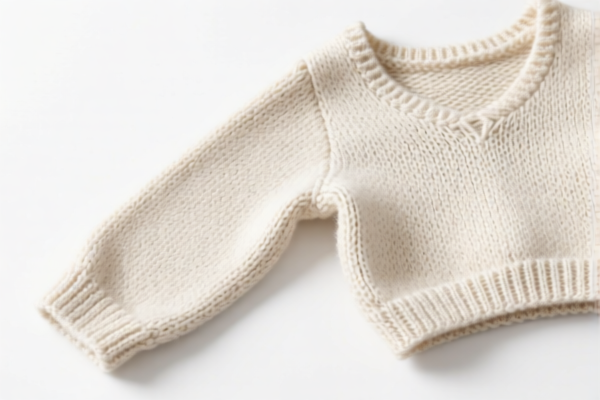
Product Images


AI Analysis
👖🩳 Knitted or Crocheted Trousers & Shorts | The Ultimate Trade Compliance Guide
🌐 HS Code Reference & Customs Clearance Guide | 2026 Latest Tariff Analysis | Strategic Clearance Strategy
📌 I. Product Definition & Classification: Do You Really Understand "Knitted Pants"?
Knitted or Crocheted Trousers and Shorts are essential apparel items in global trade, categorized under Chapter 61. Unlike woven fabrics (Chapter 62), these items are made via knitting or crocheting loops, offering stretch and comfort. In international trade, they are strictly differentiated by fabric composition (Cotton vs. Synthetic) and design structure (Trousers vs. Shorts vs. Hosiery/Socks).
⚠️ Critical Distinction Point:
- If the item is a full-length pant or short with a waistband and legs → Falls under 6103 (Men/Boys) or 6104 (Women/Girls) or specific generic codes like 6109/6112 depending on design.
- If the item is hosiery/socks (covering foot/ankle/calf) → Falls under 6115.
- Material Matters: Cotton triggers different tax rates than Polyester/Acrylic.
📦 II. HS Code Classification Matrix (2026 Latest Tariff Authority Mapping)
| HS Code | Product Description | Applicable Scenario | Material Inference | Tax Rate |
|---|---|---|---|---|
6109.10.00.70 |
T-shirts, singlets & similar articles, knitted or crocheted | Casual knitted tops/pants styled as shirts; loose fit | Cotton (Inferred) | 34.0% |
6112.11.00.10 |
Men's or boys' swimwear, knitted or crocheted | Swim trunks, board shorts (knitted) | N/A (Unspecified) | 32.4% |
6109.10.00.27 |
T-shirts, singlets & similar articles, knitted or crocheted | General knitted tops/shorts; versatile wear | Cotton/Polyester (Inferred) | 34.0% |
6111.20.60.50 |
Baby garments & clothing accessories, knitted or crocheted | Baby pants, shorties, onesies | Cotton (Inferred/Basis Logic) | 25.6% |
6115.95.90.00 |
Pantyhose, tights, stockings, socks & other hosiery | Socks, ankle socks, leg warmers | Cotton/Synthetic (Inferred) | 31.0% |
🔍 Key Insight:
- 6109.10.xx: Often used for "T-shirt style" pants or casual knitted shorts that blur the line with tops. High tax due to cotton inference. - 6112.11.xx: Specifically for swimwear. If your "shorts" are swim trunks, this is the correct code, but material details are crucial for accuracy. - 6111.20.xx: Exclusively for babies. If the pants are for adults, do NOT use this code! - 6115.95.xx: If the item covers the foot/ankle significantly, it is hosiery, not trousers/shorts. Misclassification here leads to major audits.
💰 III. 2026 Latest Tariff Rate Breakdown (Including Surtaxes & Policy Add-ons)
✅ Applicable Country: United States (US)
✅ Country of Origin: China (CN)
✅ Effective Date: November 10, 2025 onwards
🎯 1. 6109.10.00.70 & 6109.10.00.27 —— Knitted T-shirts/Similar Articles (Cotton/Poly Inferred)
| Item | Content |
|---|---|
| Base Tariff | 16.5% |
| Section 301 Surcharge | 7.5% |
| Section 122 Surcharge | 10% |
| Total Effective Rate | 34.0% |
| Tax Calculation | CIF Value × 34.0% |
| De Minimis Exemption? | ❌ No (denied) |
| Legal Basis Path | Base: 16.5% → Sec 301: 7.5% → Sec 122: 10% |
📌 Explanation:
- These codes are heavily taxed due to the 10% Section 122 surcharge and 16.5% base tariff on cotton-based knitted goods. - Warning: If the material is NOT cotton (e.g., 100% polyester), the base tariff might be lower, but Section 122 still applies. Prove material composition to avoid overpayment.
🎯 2. 6112.11.00.10 —— Men's Swimwear (Knitted)
| Item | Content |
|---|---|
| Base Tariff | 14.9% |
| Section 301 Surcharge | 7.5% |
| Section 122 Surcharge | 10% |
| Total Effective Rate | 32.4% |
| Tax Calculation | CIF Value × 32.4% |
| De Minimis Exemption? | ❌ No |
| Legal Basis Path | Base: 14.9% → Sec 301: 7.5% → Sec 122: 10% |
📌 Note:
- Slightly lower base tariff (14.9%) compared to general knitted tops (16.5%). - Crucial: Must be clearly labeled as SWIMWEAR. If it's just "casual shorts," this code is invalid and will be reclassified to 6109/6104, potentially increasing tax.
🎯 3. 6111.20.60.50 —— Baby Garments (Knitted)
| Item | Content |
|---|---|
| Base Tariff | 8.1% |
| Section 301 Surcharge | 7.5% |
| Section 122 Surcharge | 10% |
| Total Effective Rate | 25.6% |
| Tax Calculation | CIF Value × 25.6% |
| De Minimis Exemption? | ❌ No |
| Legal Basis Path | Base: 8.1% → Sec 301: 7.5% → Sec 122: 10% |
📌 Optimization Tip:
- This is the lowest tax rate in the dataset (25.6%) due to the lower base tariff (8.1%) for baby goods. - Strict Requirement: Must be explicitly for infants/children under 2 years. Adult "babydoll" styles may be challenged.
🎯 4. 6115.95.90.00 —— Other Knitted Hosiery (Socks)
| Item | Content |
|---|---|
| Base Tariff | 13.5% |
| Section 301 Surcharge | 7.5% |
| Section 122 Surcharge | 10% |
| Total Effective Rate | 31.0% |
| Tax Calculation | CIF Value × 31.0% |
| De Minimis Exemption? | ❌ No |
| Legal Basis Path | Base: 13.5% → Sec 301: 7.5% → Sec 122: 10% |
📌 Caution:
- If your product is a sock (covers foot), use this code (31.0%). - If it is a short (does not cover foot), DO NOT use this code. Misclassifying shorts as hosiery is a common audit trigger.
🛠️ IV. Customs Clearance Practical Advice (Battle-Proven Pitfall Guide)
✅ 1. Required Documentation Checklist (Non-Negotiable)
| Document | Must Provide | Explanation |
|---|---|---|
| ✅ Product Spec Sheet | ✔️ | Must clearly state: Knitted/Crocheted, Material % (e.g., 95% Cotton/5% Spandex), Age Group (Adult/Baby). |
| ✅ Product Photos | ✔️ | Clear shots of waistband, leg shape, and label. Proves it's NOT hosiery (6115) if it's pants. |
| ✅ Commercial Invoice | ✔️ | Description must match HS Code: e.g., "Men's Knitted Cotton Swim Shorts" for 6112.11.00.10. |
| ✅ Material Composition Label | ✔️ | Photo of the care label showing fabric content. Critical for avoiding base tariff disputes. |
| ✅ Origin Certificate | ✔️ | If not China-origin, may qualify for exemptions. |
✅ 2. Declaration Tips (Key Mnemonics)
🔥 “Material Matters, Style Defines, Baby is Cheapest, Socks are NOT Shorts!”
| Scenario | Correct Declaration | Wrong Action |
|---|---|---|
| Casual Knitted Shorts | 6109.10.00.27 (if T-shirt style) or 6103/6104 (if proper shorts) |
Call it "Pants" when it's shorts → Risk of reclassification. |
| Swim Trunks | 6112.11.00.10 |
Call it "Beach Shorts" without specifying swimwear → May be taxed as general apparel. |
| Baby Pants | 6111.20.60.50 |
Call it "Kids Pants" (age > 2) → Incorrect HS, higher tax. |
| Ankle Socks | 6115.95.90.00 |
Call it "Leg Warmers" or "Shorts" → Major compliance risk. |
✅ 3. Special Situation Handling
| Situation | Handling Advice |
|---|---|
| Mixed Material (e.g., 80% Cotton, 20% Polyester) | Declare as Cotton if it's the chief weight. This triggers the 34.0% rate (6109.10.00.70). |
| "Jeggings" or Leggings | Often classified as 6104.63 (Women's Trousers). If not in your dataset, ensure you have the correct 10-digit code for women's knitted trousers. |
| OEM Custom Knitted Pants | Provide design sketches showing the knitting loop structure to prove it's 61xx (Knitted) and not 62xx (Woven). |
| Samples vs. Commercial Goods | Both are subject to tariffs. No de minimis exemption for commercial shipments of apparel from China. |
🌍 V. Global Market Customs Comparison (2026 Latest)
| Country/Region | Recommended HS Code (General Knitted Pants) | Estimated Duty | Key Certification | Notes |
|---|---|---|---|---|
| 🇺🇸 USA | 6109.10.00.27 / 6103.49.00.00 |
34.0% (Cotton) | None specific | High tax due to Sec 122 & 301. Material proof is key. |
| 🇨🇳 China | 6103.43.00.00 |
5% - 10% | None | No surtaxes. |
| 🇪🇺 EU | 6103.43.00.00 |
12% | CE (if functional) | No Section 122 equivalent, but standard MFN applies. |
| 🇦🇺 Australia | 6103.43.00.00 |
5% | None | Competitive rate. |
| 🇬🇧 UK | 6103.43.00.00 |
12% | None | Post-Brexit rules apply. |
📌 Conclusion:
- The USA market is the most expensive due to the 10% Section 122 and 7.5% Section 301 surtaxes on top of base tariffs. - Material declaration is critical. Declaring "Polyester" instead of "Cotton" might lower the base rate but requires strict proof to avoid customs delays.
📌 VI. Common Errors & Pitfalls (Blood & Tears Lessons)
❌ Error 1: Calling "Swim Shorts" just "Shorts"
👉 Consequence: Customs may classify under 6103/6104 (General Trousers) instead of 6112 (Swimwear).
- 6112 Base: 14.9%
- 6103 Base: ~16-20%
- Result: Higher tax + potential audit for misdeclaration.
❌ Error 2: Calling "Ankle Socks" "Leggings" or "Shorts"
👉 Consequence: 6115 (Hosiery) has a base of 13.5%, while some trousers have different rates. More importantly, functional definition is violated.
- Result: Seizure or forced reclassification + penalties.
❌ Error 3: Not specifying Material Composition
👉 Consequence: Customs assumes the worst-case scenario (e.g., 100% Cotton) for tax calculation.
- Result: Overpayment or dispute if you later prove it's synthetic.
❌ Error 4: Using Baby Code (6111) for Adult "Mini Shorts"
👉 Consequence: Customs recognizes size/branding indicates adult use.
- Result: Penalty for fraud/misdeclaration, not just back taxes.
✅ Correct Practice:
"Men's Knitted Cotton Swim Trunks, 95% Cotton 5% Spandex, Size M, for Ocean Swimming"
"Baby Knitted Cotton Pants, 100% Cotton, Age 0-12 Months"
🎯 VII. Conclusion: Precision Declaration, Cost Savings, Efficient Clearance
🎯 Remember the Mantra:
🔹 "Knit or Crochet, Check the Material First!"
🔹 "Swimwear is Special, Baby is Cheap, Socks are NOT Shorts!"
🔹 "USA Tariffs are High: Prove Your Composition to Survive!"
📌 Pro Tip:
- If your product is 100% Polyester/Acrylic knitted shorts, the base tariff might be lower than Cotton. Always check the exact 10-digit HS Code for synthetic materials in Chapter 61, as the rates differ from the 6109.10.00.70 (Cotton) example above.
- Apply for Advance Rulings if you are unsure whether your "jeggings" or "leggings" are hosiery (6115) or trousers (6104).
📣 Immediate Action:
📞 Contact a Licensed Customs Broker
📸 Provide High-Res Photos + Material Labels
🚀 Clear Customs Smoothly, Minimize Tariffs, Maximize Profit!
✨ Professional Customs Clearance Starts with Accurate Classification!
💼 Every Dollar of Tariff Saved is Pure Profit!
Customer Reviews
About HS Code Classification
The Harmonized System (HS) is an internationally standardized nomenclature developed by the World Customs Organization (WCO) to classify traded products. Over 200 countries use the HS system as the basis for customs tariffs, trade statistics, and import/export regulations.
Each HS code follows a hierarchical structure:
- Chapter (2 digits) — Broad category of goods (e.g., Chapter 84: Machinery and Mechanical Appliances)
- Heading (4 digits) — More specific grouping within the chapter
- Subheading (6 digits) — Internationally standardized breakdown, used by all WCO member countries
- National subdivisions (8-10 digits) — Country-specific extensions for further classification, such as US HTSUS 10-digit codes
Correct HS code classification is essential for smooth customs clearance, accurate duty payment, and compliance with trade regulations. Misclassification can lead to customs delays, overpayment of duties, or penalties.
When importing from CN to US, the applicable tariff rates may include:
- Most-Favored-Nation (MFN) rate — The standard duty rate applied to WTO members
- General rate — Applied to countries without trade agreements
- Trade remedy duties — Additional tariffs such as Section 301 (anti-dumping), Section 232 (national security), or countervailing duties
The information provided on this page is for reference purposes only. For official classification, please consult with your local customs authority or a licensed customs broker.