钥匙链
CN → US| HS Code | Tariff Rate | Origin | Destination | Doc |
|---|---|---|---|---|
| 8301406030 | 23.2% | CN | US | Official Doc |
| 7318190000 | 90.7% | CN | US | Official Doc |
| 8302419015 | 13.5% | CN | US | Official Doc |
| 8302416015 | 63.9% | CN | US | Official Doc |
| 8301406060 | 23.2% | CN | US | Official Doc |
Product Images
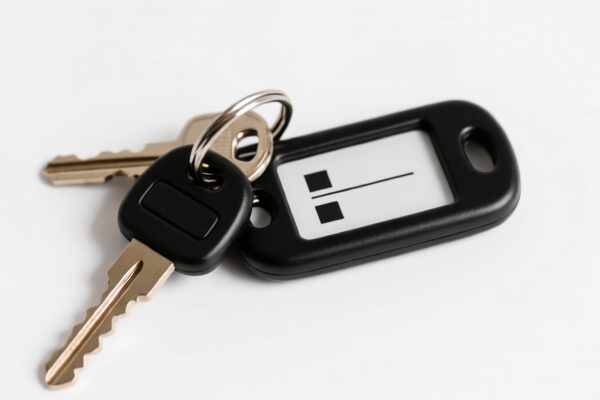
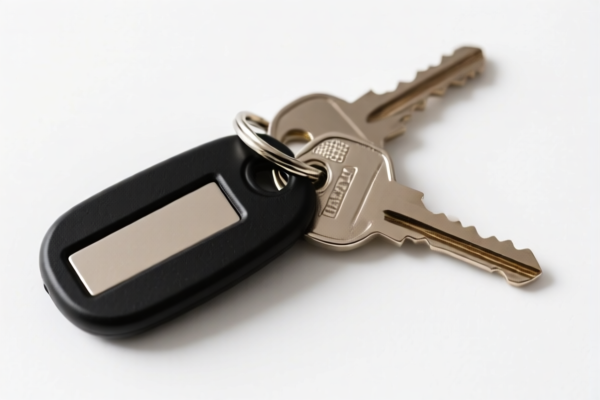
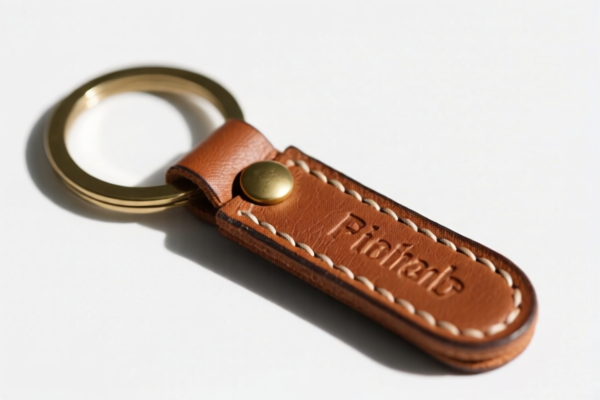

AI Analysis
🔑 Keychains (The Ultimate Door Chain & Lock Accessory Guide)
🌐 HS Code Reference & Customs Clearance Strategy | 2026 Tax Regime Deep Dive | Smart Import Tactics
📌 1. Product Definition & Classification: Is Your "Keychain" Really Just a Chain?
In international trade, the term "Keychain" (often functionally acting as a Door Chain or Security Chain) can be a classification minefield. While seemingly simple, its classification depends entirely on Material Composition and Specific Function within the lock system.
The data reveals three distinct pathways based on whether the item is treated as: 1. A Lock Accessory: Attached to the door lock mechanism (Class 8301). 2. A Metal Accessory/Fixture: A general chain or bracket (Class 8302). 3. A Fastener/Rivet: Treated as a screw/bolt due to manufacturing form (Class 7318 - High Risk for Tariffs).
⚠️ Critical Distinction:
- If it functions as a security barrier or door latch → 8301/8302 (Low/Medium Tax).
- If customs views it as a raw metal fastener (threaded/structural) → 7318 (Extremely High Tax).
- Material Matters: Steel, Iron, Aluminum, and Zinc have different tariff impacts.
📦 2. HS Code Classification Breakdown (2026 Data Analysis)
| HS Code | Product Description | Material/Form Logic | Tax Logic |
|---|---|---|---|
8301.40.60.30 |
Lock Accessories (Door Chain as part of lock set) | Base metal, fits "Locks & parts" definition | 23.2% (Base 5.7% + 7.5% Add-on + 10% Sec 122) |
7318.19.00.00 |
Screws/Fasteners (Threaded metal chain interpretation) | Steel/Iron, treated as "threaded products/fasteners" | 90.7% (Base 5.7% + 25% Add-on + 10% Sec 122 + 50% Metal Surcharge) |
8302.41.90.15 |
Metal Accessories (Chain lock/Door chain) | Metal, fits "Metal fittings for doors" | 13.5% (Base 3.5% + 0% Add-on + 10% Sec 122) ✅ Best Option |
8302.41.60.15 |
Locking Devices (Metal chain fitting lock category) | Metal (Fe, Steel, Al, Zn), fits "Locking device" | 63.9% (Base 3.9% + 0% Add-on + 10% Sec 122 + 50% Metal Surcharge) |
8301.40.60.60 |
Other Locks/Accessories (Auxiliary lock parts) | Base metal, auxiliary to "Other Locks" | 23.2% (Base 5.7% + 7.5% Add-on + 10% Sec 122) |
🔍 Analysis Insight:
- The "Trap":7318.19.00.00applies a 90.7% total tax due to the 50% additional surcharge on Steel/Aluminum products (Section 122 + Steel Al Surcharge). Avoid classifying as a "fastener" if possible. - The "Sweet Spot":8302.41.90.15offers the lowest total tax at 13.5% (Base 3.5% + 10% Sec 122) because it avoids the 25% and 50% surcharges.
💰 3. 2026 Tariff Rate Deep Dive (Detailed Breakdown)
✅ Applicable Region: US (Implied by "122 Section" & specific surcharge logic)
✅ Origin: China (CN)
✅ 生效时间: 2025/2026 Cycle (Current Data)
🎯 A. The "Safe" Route: 8302.41.90.15 (Metal Accessories)
Best for standard Door Chains/Keychains.
| Item | Content |
|---|---|
| Base Duty | 3.5% |
| Add-on Duty (Section 301) | 0.0% (No additional penalty) |
| Section 122 Duty | +10.0% (Standard trade barrier) |
| Steel/Al Surcharge | $0.0% (Not triggered) |
| Total Tax | 13.5% |
| Calculation | CIF Value × 13.5% |
| Status | ✅ Optimal Classification |
📌 Explanation: This code categorizes the chain as a metal fitting for doors, avoiding the "fastener" trap. The 0% Section 301 add-on is a massive saving compared to other options.
🎯 B. The "Lock Accessory" Route: 8301.40.60.30
Good for chains sold as part of a lock set.
| Item | Content |
|---|---|
| Base Duty | 5.7% |
| Add-on Duty (Section 301) | +7.5% |
| Section 122 Duty | +10.0% |
| Steel/Al Surcharge | $0.0% |
| Total Tax | 23.2% |
| Calculation | CIF Value × 23.2% |
| Status | ⚠️ Medium Risk/Cost |
📌 Explanation: While better than the fastener route, it incurs the 7.5% Section 301 add-on, nearly doubling the tax compared to the 8302 route.
🎯 C. The "Fastener" Trap: 7318.19.00.00
Avoid this! High risk of classification error.
| Item | Content |
|---|---|
| Base Duty | 5.7% |
| Add-on Duty (Section 301) | +25.0% |
| Section 122 Duty | +10.0% |
| Steel/Al Surcharge | +50.0% (Critical Penalty) |
| Total Tax | 90.7% |
| Calculation | CIF Value × 90.7% |
| Status | ❌ DISASTER |
📌 Explanation: If customs classifies the chain as a "threaded fastener" (even if it's a chain), the 50% Steel Surcharge + 25% 301 tariff creates a 90.7% tax rate. This destroys profit margins.
🎯 D. The "Mixed" Route: 8302.41.60.15
Higher risk due to material composition.
| Item | Content |
|---|---|
| Base Duty | 3.9% |
| Add-on Duty | 0.0% |
| Section 122 Duty | +10.0% |
| Steel/Al Surcharge | +50.0% (Triggered) |
| Total Tax | 63.9% |
| Calculation | CIF Value × 63.9% |
| Status | ❌ Avoid if possible |
📌 Explanation: Even with a low base tax, the 50% Steel Surcharge pushes this to 63.9%. This applies if the material is deemed "Steel/Aluminum" under a specific sub-regulation.
🛠️ 4. Customs Clearance Action Plan (Practical Avoidance Guide)
✅ 1. Material & Function Documentation
| Document | Requirement | Reason |
|---|---|---|
| Product Specification | Must explicitly state: "Door Chain," "Security Chain," or "Lock Accessory." | Avoid generic terms like "Metal Wire" or "Fastener." |
| Material Declaration | Specify alloy. If Aluminum/Zinc, avoid Steel surcharges if possible. | Crucial for avoiding the 50% Steel Surcharge (7318 & 8302.60 risks). |
| Usage Photo | Show chain attached to a door frame, not just loose metal. | Proves it is a "Locking Device/Fixture" (8302) vs. "Fastener" (7318). |
| Assembly Diagram | Show how it integrates with a door lock system. | Supports classification as 8301 (Lock Accessory). |
✅ 2. Strategic Declaration Tips
🔥 Golden Rule: "Define Function, Avoid Form!"
Don't let the "chain shape" make them think "fastener."
| Scenario | Recommended HS Code | Declaration Strategy |
|---|---|---|
| Standard Door Chain (Keychain style) | 8302.41.90.15 |
"Metal Door Chain/Accessory. Not a fastener." |
| Chain included with Lock Kit | 8301.40.60.30 |
"Accessory for Door Lock." |
| Loose Chain sold separately | 8302.41.90.15 |
Preferred (Lowest tax). |
| Industrial Steel Chain | 8302.41.90.15 |
Emphasize "Fitting," avoid "Fastener." |
✅ 3. Special Scenarios
| Situation | Action |
|---|---|
| Steel vs. Aluminum | If the chain is Aluminum or Zinc, it avoids the 50% Steel Surcharge in codes like 8302.41.60.15. |
| OEM Customization | If a client asks for "Keychains," clarify if they are Door Security Chains or Bag Keychains. Bag keychains might have different codes! (This guide assumes Door Chains based on input data). |
| Pre-Clearance Ruling | Highly Recommended. File for a binding ruling to confirm 8302.41.90.15 status before shipping. |
🌍 5. Global Market Comparison (2026 Projection)
| Country | Recommended HS Code | Total Tax (China Origin) | Key Risk |
|---|---|---|---|
| 🇺🇸 USA | 8302.41.90.15 |
13.5% | Avoid 7318 (90.7% trap). |
| 🇪🇺 EU | Varies | Low (0-5%) | Focus on "Fittings." |
| 🇯🇵 Japan | Varies | Low | Standard metal duty. |
📌 Conclusion: USA is the only market with these extreme surcharges.
- Strategy: Always aim for8302.41.90.15(13.5%) or8301.40.60.30(23.2%).
- Never accept classification as7318.19.00.00unless it is truly a screw/threaded bolt.
📌 6. Common Mistakes & Pitfalls (Blood & Tears)
❌ Mistake 1: Declaring a "Door Chain" as "Metal Fastener" (7318)
👉 Result: 90.7% Tax. Profit wiped out.
✅ Fix: Declare as "Door Security Chain" (8302).
❌ Mistake 2: Using generic terms like "Wire Chain" or "Metal Link"
👉 Result: Customs assumes "Fastener" → High Tax.
✅ Fix: Use "Door Chain," "Security Chain," or "Lock Accessory."
❌ Mistake 3: Ignoring Material Surcharge (8302.41.60.15)
👉 Result: 63.9% Tax due to Steel Surcharge.
✅ Fix: Use 8302.41.90.15 (no surcharge) or verify if material is non-Steel.
🎯 7. Final Verdict: Professional Clearance Strategy
🎯 Summary:
Your goal is8302.41.90.15(13.5% Tax).
Avoid7318(90.7% Tax).
Action Checklist: 1. Label products clearly as "Door Chain" or "Security Accessory." 2. Submit photos showing the chain attached to a door. 3. Verify material composition (Avoid Steel if possible, or ensure correct classification). 4. Apply for a Customs Ruling if shipping large volumes to the US.
📣 Immediate Call to Action:
🚀 Don't let a 50% surcharge destroy your margin!
📞 Consult your broker immediately to switch from7318to8302.41.90.15.
💡 Clear, Correct, Cost-Efficient.
✨ Smart Classification = High Profit.
💼 Your Keychain is a Security Device, not a Screw!
Customer Reviews
About HS Code Classification
The Harmonized System (HS) is an internationally standardized nomenclature developed by the World Customs Organization (WCO) to classify traded products. Over 200 countries use the HS system as the basis for customs tariffs, trade statistics, and import/export regulations.
Each HS code follows a hierarchical structure:
- Chapter (2 digits) — Broad category of goods (e.g., Chapter 84: Machinery and Mechanical Appliances)
- Heading (4 digits) — More specific grouping within the chapter
- Subheading (6 digits) — Internationally standardized breakdown, used by all WCO member countries
- National subdivisions (8-10 digits) — Country-specific extensions for further classification, such as US HTSUS 10-digit codes
Correct HS code classification is essential for smooth customs clearance, accurate duty payment, and compliance with trade regulations. Misclassification can lead to customs delays, overpayment of duties, or penalties.
When importing from CN to US, the applicable tariff rates may include:
- Most-Favored-Nation (MFN) rate — The standard duty rate applied to WTO members
- General rate — Applied to countries without trade agreements
- Trade remedy duties — Additional tariffs such as Section 301 (anti-dumping), Section 232 (national security), or countervailing duties
The information provided on this page is for reference purposes only. For official classification, please consult with your local customs authority or a licensed customs broker.