钩编女士防护服
CN → US| HS Code | Tariff Rate | Origin | Destination | Doc |
|---|---|---|---|---|
| 6104420010 | 29.0% | CN | US | Official Doc |
| 6104432010 | 33.5% | CN | US | Official Doc |
| 6204628014 | 34.1% | CN | US | Official Doc |
| 6114200060 | 28.3% | CN | US | Official Doc |
| 6114200052 | 28.3% | CN | US | Official Doc |
Product Images
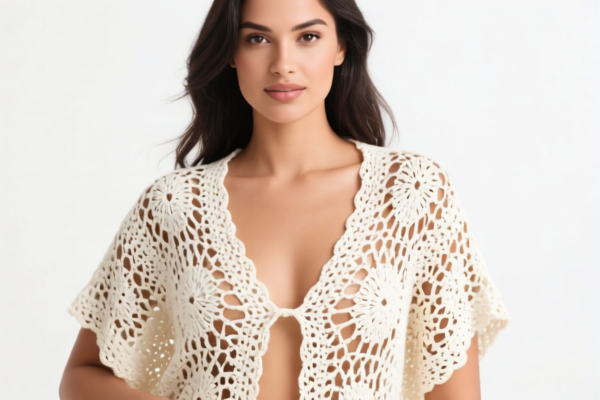


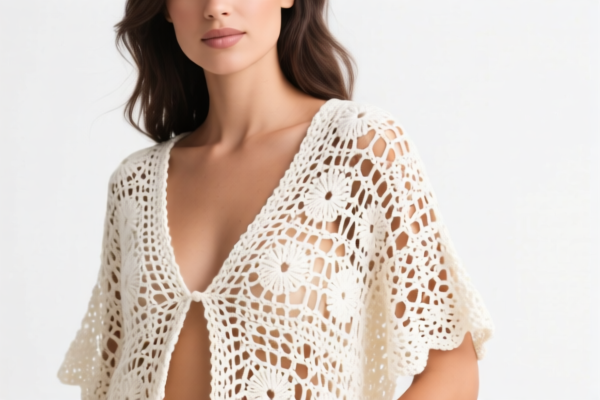
AI Analysis
👗 Women's Crochet Protective Suits: HS Code Classification & Duty Analysis | 2026 Customs Clearance Guide
🌐 HS Code Reference & Customs Clearance Guide | 2026 Latest Tariff Breakdown | Professional Compliance Strategy
📌 I. Product Definition: What Exactly is a "Women's Crochet Protective Suit"?
In international trade, the classification of "Women's Protective Suits" made of crochet/knit fabric depends heavily on two factors: 1. Fabric Structure: Is it Crochet (钩编) or Knitted/Looped (针织)? 2. Material: Is it Cotton (棉) or other fibers? 3. Intended Use: Is it classified as a "Dress" (连衣裙) or "Other Clothing" (其他服装/防护服)?
⚠️ Critical Distinction:
- If the garment is primarily worn as a dress (fashion/outerwear context), even if labeled "protective," it may fall under Chapter 61 (Knitted/Crocheted Dresses) →6104.
- If the garment is explicitly designed as protective workwear (industrial safety, hygiene, etc.) and not primarily a dress, it falls under Chapter 61 or 62 (Other Clothing) →6114or6204.
- Misclassification Risk: Classifying a "dress-style" protective suit as6104when it should be6114(or vice versa) can lead to significant duty differences and customs delays.
📦 II. HS Code Classification Matrix (2026 Latest Tariff Data)
Based on the provided data, here are the 4 possible classifications for "Women's Crochet Protective Suits," depending on material, structure, and usage:
| HS Code | Product Description (Summary) | Key Matching Criteria | Tax Rate |
|---|---|---|---|
6104.42.00.10 |
Crochet Women's Dress | Matches: Women's + Crochet + Dress | 29.0% |
6104.43.20.10 |
Crochet Women's Dress | Matches: Crochet/Knit + Women's Dress | 33.5% |
6204.62.80.14 |
Cotton Women's Protective Suit | Matches: Cotton Material + Protective Use | 34.1% |
6114.20.00.60 |
Cotton Women's Protective Suit | Matches: Cotton + Protective (Other Clothing) | 28.3% |
6114.20.00.52 |
Cotton Women's Protective Suit | Matches: Cotton + Women's Protective/Overall | 28.3% |
🔍 Key Takeaway:
- "Dress" vs. "Protective Suit" is the biggest differentiator.
- Cotton is a common material for protective suits in these codes.
- Crochet (钩编) is explicitly mentioned in6104codes, while6114/6204imply broader "knitted" or "other" protective clothing categories.
💰 III. 2026 Tariff Rate Detailed Breakdown (Including Surtaxes)
✅ Applicable Country: USA (US)
✅ Origin: China (CN)
✅ Effective Date: 2025 Nov 10 onwards (including subsequent imports)
🎯 1. 6104.42.00.10 — Crochet Women's Dress (Non-Cotton/General)
| Item | Detail |
|---|---|
| Base Duty | 11.5% |
| Section 301 Surtax | +7.5% |
| Section 122 Surtax | +10% |
| Total Duty | 29.0% |
| De Minimis Exemption | ❌ Not Eligible (deny_de_minimis) |
| Legal Path | Base Tariff → Section 301 (Footnote 9903.88.01) → Section 122 |
📌 Explanation:
- This code applies if the garment is deemed a "Dress" (fashion item) made by crochet.
- Even if labeled "protective," if it resembles a dress, customs may classify it here.
- 29% total duty is high, but lower than the "Cotton Protective Suit" category in some cases.
🎯 2. 6104.43.20.10 — Crochet Women's Dress (Specific Crochet/Knit)
| Item | Detail |
|---|---|
| Base Duty | 16.0% |
| Section 301 Surtax | +7.5% |
| Section 122 Surtax | +10% |
| Total Duty | 33.5% |
| De Minimis Exemption | ❌ Not Eligible |
| Legal Path | Base Tariff → Section 301 → Section 122 |
📌 Explanation:
- This code is for crochet/knit women's dresses with more specific material or construction criteria.
- Higher base duty (16%) than6104.42.00.10, leading to 33.5% total.
- Use only if the product strictly matches the "crochet/knit" and "women's dress" descriptors.
🎯 3. 6204.62.80.14 — Cotton Women's Protective Suit (Dress-like?)
| Item | Detail |
|---|---|
| Base Duty | 16.6% |
| Section 301 Surtax | +7.5% |
| Section 122 Surtax | +10% |
| Total Duty | 34.1% |
| De Minimis Exemption | ❌ Not Eligible |
| Legal Path | Base Tariff → Section 301 → Section 122 |
📌 Explanation:
- This code is for cotton women's protective suits, but the HS code6204typically refers to woven garments (not knitted/crochet).
- ⚠️ Contradiction Alert: If your product is crochet (knitted),6204(woven) may be incorrect.
- Only use if the garment is woven cotton, not crochet.
- Highest total duty: 34.1%.
🎯 4. 6114.20.00.60 & 6114.20.00.52 — Cotton Women's Protective Suit (Knitted/Crochet)
| Item | Detail |
|---|---|
| Base Duty | 10.8% |
| Section 301 Surtax | +7.5% |
| Section 122 Surtax | +10% |
| Total Duty | 28.3% |
| De Minimis Exemption | ❌ Not Eligible |
| Legal Path | Base Tariff → Section 301 → Section 122 |
📌 Explanation:
- Best Option for Cost Efficiency: 28.3% total duty.
- Applies to cotton women's protective suits classified as "Other Clothing" (6114= Knitted/Crocheted Other Clothing).
- Subtle Difference:
-6114.20.00.60: General "protective" classification.
-6114.20.00.52: Specifically for women's protective suits/overalls.
- ✅ Recommendation: If the product is crochet/knit cotton protective wear, choose this category for the lowest duty rate.
🛠️ IV. Customs Clearance Practical Advice (Pitfall Avoidance Guide)
✅ 1. Essential Documentation Checklist
| Document | Required | Notes |
|---|---|---|
| ✅ Product Specification | ✔️ | Material (Cotton?), Structure (Crochet/Knit?), Use (Protective/Dress?) |
| ✅ Photos (Front/Back/Detail) | ✔️ | Show stitching, lace, crochet patterns, labels |
| ✅ Invoice | ✔️ | Clearly state "Women's Crochet Protective Suit" or "Crochet Women's Dress" |
| ✅ Material Composition Certificate | ✔️ | Confirm 100% Cotton or blend |
| ✅ Use Statement | ✔️ | Explain if it's for industrial protection, hygiene, or fashion |
✅ 2. Classification Strategy (Key Mnemonic)
🔥 "Material & Use Decide Duty: Dress vs. Protection, Cotton is King!"
| Scenario | Recommended HS Code | Duty | Why? |
|---|---|---|---|
| Crochet + Looks Like a Dress | 6104.42.00.10 |
29.0% | If it’s primarily a dress, even if labeled "protective" |
| Crochet + High Base Duty Criteria | 6104.43.20.10 |
33.5% | Specific crochet/knit dress criteria |
| Cotton + Protective Suit (Knitted) | 6114.20.00.52 |
28.3% ✅ | Lowest duty! Best for knit/crochet protective wear |
| Cotton + Protective Suit (Woven) | 6204.62.80.14 |
34.1% | Only if woven, not crochet |
📌 Critical Warning:
- Do NOT use6204(woven) for crochet products. Crochet is a form of knitting (61xx).
- If the product is crochet, choose between6104(Dress) or6114(Other Clothing).
-6114is generally cheaper (28.3%) than6104(29%-33.5%).
✅ 3. Special Cases
| Situation | Handling Advice |
|---|---|
| OEM Custom Designs | Provide design drawings + use statement to justify "protective" classification |
| Mixed Materials | If >50% cotton, qualify for 6114 cotton-based codes |
| Label Says "Protective" But Looks Like a Dress | Customs may still classify as 6104 (Dress). Be prepared to argue for 6114 with use evidence |
| De Minimis (Under $800) | ❌ Not eligible for any of these codes due to Section 301/122 surtaxes |
🌍 V. Global Market Comparison (2026)
| Country/Region | Recommended HS Code | Duty (China Origin) | Certifications | Notes |
|---|---|---|---|---|
| 🇺🇸 USA | 6114.20.00.52 |
28.3% | No special certs | Lowest duty for knit/crochet protective suits |
| 🇨🇳 China | 6114.20.00.52 |
~5-10% | CCC (if applicable) | No surtaxes |
| 🇪🇺 EU | 6114.20.00.52 |
~12% | CE (if protective) | No Section 301/122 |
| 🇬🇧 UK | 6114.20.00.52 |
~12% | UKCA | Post-Brexit rules |
| 🇦🇺 Australia | 6114.20.00.52 |
~5% | RCAS | Low duty |
📌 Conclusion:
- USA has the highest effective duty due to Section 301 and Section 122 surtaxes.
-6114(Knitted/Crocheted Other Clothing) is the most cost-effective classification for crochet protective suits.
- Avoid6204unless the product is woven, not crochet.
📌 VI. Common Errors & Pitfalls (Lessons Learned)
❌ Error 1: Classifying a crochet dress as a woven protective suit (6204)
👉 Consequence: Customs rejection, delay, or reclassification with penalty.
❌ Error 2: Using 6104 (Dress) when the product is clearly protective workwear
👉 Consequence: Higher duty (29-33.5% vs. 28.3%). Missed savings!
❌ Error 3: Assuming De Minimis ($800) applies
👉 Consequence: All these codes are denied de minimis. Expect full duty payment.
❌ Error 4: Incorrect material declaration (e.g., saying "polyester" when it's 100% cotton)
👉 Consequence: Fine, seizure, or back-taxes.
✅ Correct Practice:
"Women's Crochet Cotton Protective Suit, Knitted, 100% Cotton, Designed for Industrial Hygiene Use, Model XYZ, Certifications: N/A"
🎯 VII. Conclusion: Smart Classification Saves Money!
🎯 Remember the Mnemonic:
🔹 "Crochet = Knitted (61xx), Not Woven (62xx)"
🔹 "Protective Suit > Dress" for Duty (28.3% vs. 29-33.5%)
🔹 "Cotton is King" for6114Classification
🔹 "No De Minimis" for US Imports from China
📌 Pro Tip:
If your product is 100% cotton crochet protective wear, always choose 6114.20.00.52 for the lowest duty (28.3%).
If it’s fashion-oriented, be prepared for 29-33.5%.
📣 Immediate Action:
📞 Contact a customs broker + Provide product photos + Request HS Code Pre-ruling
🚀 Ensure compliant classification, avoid penalties, and optimize costs!
✨ Professional Clearance Starts with Accurate Classification!
💼 Every cent saved on duty counts!
Customer Reviews
About HS Code Classification
The Harmonized System (HS) is an internationally standardized nomenclature developed by the World Customs Organization (WCO) to classify traded products. Over 200 countries use the HS system as the basis for customs tariffs, trade statistics, and import/export regulations.
Each HS code follows a hierarchical structure:
- Chapter (2 digits) — Broad category of goods (e.g., Chapter 84: Machinery and Mechanical Appliances)
- Heading (4 digits) — More specific grouping within the chapter
- Subheading (6 digits) — Internationally standardized breakdown, used by all WCO member countries
- National subdivisions (8-10 digits) — Country-specific extensions for further classification, such as US HTSUS 10-digit codes
Correct HS code classification is essential for smooth customs clearance, accurate duty payment, and compliance with trade regulations. Misclassification can lead to customs delays, overpayment of duties, or penalties.
When importing from CN to US, the applicable tariff rates may include:
- Most-Favored-Nation (MFN) rate — The standard duty rate applied to WTO members
- General rate — Applied to countries without trade agreements
- Trade remedy duties — Additional tariffs such as Section 301 (anti-dumping), Section 232 (national security), or countervailing duties
The information provided on this page is for reference purposes only. For official classification, please consult with your local customs authority or a licensed customs broker.