钩编女装连体衣
CN → US| HS Code | Tariff Rate | Origin | Destination | Doc |
|---|---|---|---|---|
| 6104420010 | 29.0% | CN | US | Official Doc |
| 6104432010 | 33.5% | CN | US | Official Doc |
| 6104499060 | 23.1% | CN | US | Official Doc |
| 6204423050 | 25.9% | CN | US | Official Doc |
| 6204423060 | 25.9% | CN | US | Official Doc |
Product Images
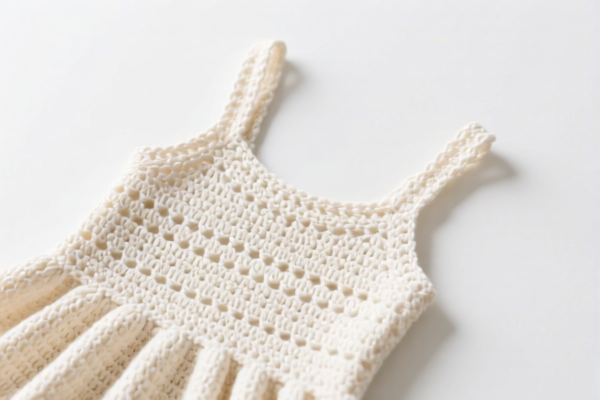
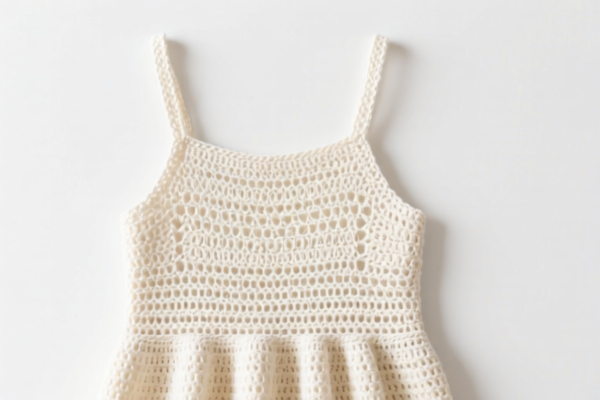
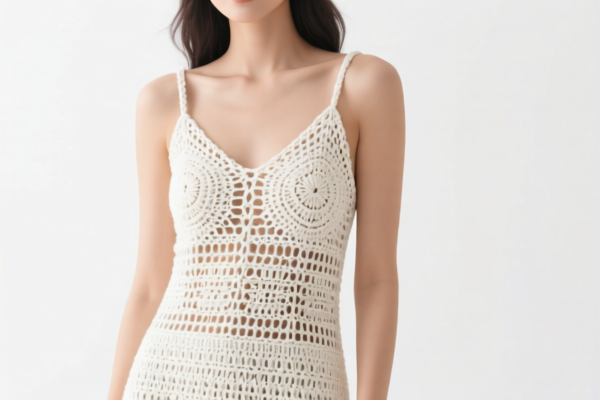
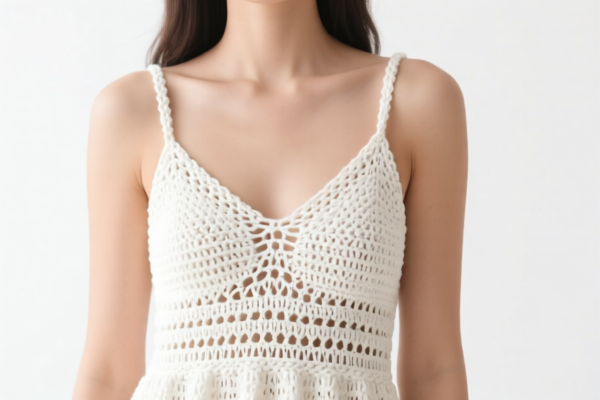
AI Analysis
👗 Women’s Crochet One-Piece Outfits (Romper / Jumpsuit / Overall Dress)
🌐 HS Code Reference & Customs Clearance Guide | 2026 Latest Tariff Analysis | Professional Customs Strategy
📌 I. Product Definition & Classification: Do You Really Understand "Crochet One-Pieces"?
Women’s crochet one-piece outfits (often referred to as rompers, jumpsuits, or overall dresses in trade) are garments constructed from crochet fabric. In international trade, they are classified based on two critical factors:
1. Material Composition: Cotton, Wool, Synthetic Fibers, or Other Materials.
2. Knitting State: Whether they are Knitted/Crocheted (Chapter 61) or Not Knitted/Crocheted (Chapter 62).
⚠️ Key Distinction:
- If the garment is Crocheted (made by interlocking loops of yarn with a hook), it falls under Chapter 61 (Knitted or Crocheted).
- If the garment is made from woven fabric or other non-knitted materials, it falls under Chapter 62.
- Note: The data provided specifically addresses Crocheted items, so all HS codes below are primarily from Chapter 61, with some potential cross-references to Chapter 62 if material/structure implies a different classification.
📦 II. HS Code Classification Details (2026 Latest Tariff Authority Comparison)
The following table maps the specific HS codes from your data to their definitions, material inferences, and tax implications.
| HS Code | Product Description & Summary | Material Inference | Total Tax Rate | Key Tax Components |
|---|---|---|---|---|
| 6104.42.00.10 | Crocheted Women’s Dress/One-piece | Cotton (Implied by 42) | 29.0% | Base: 11.5%, Section 301: 7.5%, Section 122: 10% |
| 6104.43.20.10 | Crocheted Women’s Dress/One-piece | Synthetic Fibers (Implied by 43) | 33.5% | Base: 16.0%, Section 301: 7.5%, Section 122: 10% |
| 6104.49.90.60 | Crocheted Dress/One-piece | Other Materials (Implied by 49) | 23.1% | Base: 5.6%, Section 301: 7.5%, Section 122: 10% |
| 6204.42.30.50 | Crocheted Dress/One-piece | Cotton or Textile Fibers (Chapter 62 Anomaly) | 25.9% | Base: 8.4%, Section 301: 7.5%, Section 122: 10% |
| 6204.42.30.60 | Crocheted Dress/One-piece | Cotton, Wool, or Synthetic (Chapter 62 Anomaly) | 25.9% | Base: 8.4%, Section 301: 7.5%, Section 122: 10% |
🔍 Critical Analysis:
- Ch. 61 (6104.xxxx): Applies to Knitted or Crocheted garments. Since your product is "Crocheted," 6104 is the primary chapter.
- Ch. 62 (6204.xxxx): Typically applies to Non-Knitted/Non-Crocheted garments. The presence of 6204 codes in your data suggests potential misclassification risks or specific structural definitions (e.g., if the crochet is applied to a woven base).
- Material Codes:
- 42: Cotton
- 43: Synthetic Fibers
- 49: Other Textile Materials
- Tax Structure: All entries include a Section 122 Tariff (10%) and Section 301 Tariff (7.5%), indicating these are imports from China into the US (or a similar jurisdiction with these specific trade measures).
💰 III. 2026 Latest Tariff Rate Breakdown (Including Surcharges)
✅ Applicable Country: United States (US)
✅ Origin: China (CN)
✅ Effective Time: Current Trade War Tariffs (Section 301 + Section 122)
🎯 1. 6104.42.00.10 —— Women’s Cotton Crocheted One-Piece/Dress
| Item | Content |
|---|---|
| Base Tariff | 11.5% |
| Section 301 Tariff | +7.5% |
| Section 122 Tariff | +10.0% |
| Total Tax Rate | 29.0% |
| Calculation | CIF Value × 29.0% |
| De Minimis Exemption | ❌ Not Eligible (High tariff rates usually exclude small packages from de minimis relief) |
| Legal Path | HTSUS:6104.42.00.10 → Section 301: Footnote 9903.88.01 → Section 122: Proclamation 10524 |
📌 Explanation:
- Base 11.5%: Standard US Most Favored Nation (MFN) rate for cotton women’s dresses/rompers.
- Section 301 (7.5%): Additional tariff on Chinese goods under Trade Act Section 301.
- Section 122 (10%): Additional tariff on specific textile/apparel imports from China (often related to circumvention or specific trade policy).
- Total 29.0%: A significant cost burden. Must be factored into pricing.
🎯 2. 6104.43.20.10 —— Women’s Synthetic Crocheted One-Piece/Dress
| Item | Content |
|---|---|
| Base Tariff | 16.0% |
| Section 301 Tariff | +7.5% |
| Section 122 Tariff | +10.0% |
| Total Tax Rate | 33.5% |
| Calculation | CIF Value × 33.5% |
| De Minimis Exemption | ❌ Not Eligible |
| Legal Path | HTSUS:6104.43.20.10 → Section 301 → Section 122 |
📌 Note:
- Synthetic fibers often carry higher base tariffs (16.0%) compared to cotton (11.5%).
- Total 33.5% is the highest rate in the dataset. High cost efficiency is critical here.
🎯 3. 6104.49.90.60 —— Women’s Other Material Crocheted One-Piece/Dress
| Item | Content |
|---|---|
| Base Tariff | 5.6% |
| Section 301 Tariff | +7.5% |
| Section 122 Tariff | +10.0% |
| Total Tax Rate | 23.1% |
| Calculation | CIF Value × 23.1% |
| De Minimis Exemption | ❌ Not Eligible |
📌 Insight:
- "Other materials" have the lowest base rate (5.6%), making this the most cost-effective classification if the material allows.
- Total 23.1% is significantly lower than the cotton (29.0%) and synthetic (33.5%) options.
🎯 4. 6204.42.30.50 & 6204.42.30.60 —— Non-Knitted/Crocheted Classification (Risk Alert)
| Item | Content |
|---|---|
| Base Tariff | 8.4% |
| Section 301 Tariff | +7.5% |
| Section 122 Tariff | +10.0% |
| Total Tax Rate | 25.9% |
| Calculation | CIF Value × 25.9% |
⚠️ CRITICAL WARNING:
- 6204 typically covers woven garments.
- If your product is truly crocheted, declaring it under 6204 is a classification error and risks customs seizure, fines, or forced reclassification.
- However, if the garment is made of woven fabric with crochet trim or appliqué, it may correctly fall under 6204.
- Total 25.9% is lower than 6104 cotton/synthetic but higher than 6104 other materials. Only use this code if the garment is NOT primarily crocheted/knitted.
🛠️ IV. Customs Clearance Practical Advice (Battle-Tested Pitfall Guide)
✅ 1. Preparation Checklist (Non-Negotiable)
| Document | Required | Explanation |
|---|---|---|
| ✅ Product Composition Statement | ✔️ | Must specify % of Cotton, Polyester, Wool, etc. Crucial for distinguishing between 42, 43, and 49. |
| ✅ Fabric Sample/Photo | ✔️ | Clear photo of the crochet stitch. Must prove it is crocheted (hook-made loops) vs. woven. |
| ✅ Construction Diagram | ✔️ | Show seams, lining, and any non-crochet parts. |
| ✅ Commercial Invoice | ✔️ | Description must match HS Code summary (e.g., "Crocheted Cotton Women's Romper"). |
| ✅ Packaging List | ✔️ | Verify weight and dimensions for accurate valuation. |
| ✅ Certificate of Origin | ✔️ | Essential for proving Chinese origin to apply/verify Section 301/122 tariffs. |
✅ 2. Declaration Tactics (Key Mantra)
🔥 "Material First, Craft Second, Code Accurate, Tax Minimized!"
| Scenario | Correct Declaration | Wrong Declaration | Consequence |
|---|---|---|---|
| Crocheted Cotton Romper | 6104.42.00.10 |
6204.42.30.50 |
Penalty for misclassification (Tax diff: 29% vs 25.9%, but legal risk is high). |
| Crocheted Synthetic Jumpsuit | 6104.43.20.10 |
6104.42.00.10 |
Underpayment of base tariff (16% vs 11.5%) → Audit + Back Taxes. |
| Crocheted Acrylic/Mix | 6104.49.90.60 |
6104.43.20.10 |
Overpayment of base tariff (5.6% vs 16%) → Lost profit. |
| Woven Dress with Crochet Trim | 6204.42.30.50 |
6104.42.00.10 |
Overpayment of base tariff (8.4% vs 11.5%) → Inefficient. |
✅ 3. Special Cases
| Case | Handling Advice |
|---|---|
| Mixed Materials | If >50% cotton → Use 6104.42. If >50% synthetic → Use 6104.43. If neither → Use 6104.49. |
| Lined Garments | If lined with non-crocheted fabric, the outer crochet layer determines classification. |
| Accessories | If the item is a "crochet vest" or "top" (not a one-piece/jumpsuit/dress), HS codes may differ. Ensure "One-Piece/Dress" scope is met. |
| Samples | Even for samples, accurate classification is required. Do not use "Samples" as a loophole for incorrect HS codes. |
🌍 V. Global Market Clearance Comparison (2026 Latest)
| Country/Region | Recommended HS Code | Tariff (China Origin) | Certification | Notes |
|---|---|---|---|---|
| 🇺🇸 USA | 6104.42.00.10 (Cotton) |
29.0% | No specific cert. | Highest tariff burden. Section 122 applies. |
| 🇺🇸 USA | 6104.49.90.60 (Other) |
23.1% | No specific cert. | Best tax rate if material allows. |
| 🇨🇳 China | 6104.42.00.10 |
8.0% (Import) | N/A | Domestic production vs import logic applies. |
| 🇪🇺 EU | 6104.42 |
12.0% | CE/REACH (if applicable) | No Section 301/122 equivalents. |
| 🇬🇧 UK | 6104.42 |
12.0% | UKCA | Post-Brexit tariffs similar to EU. |
📌 Conclusion:
- US Market is the most challenging due to Section 122 and Section 301 tariffs.
- Material selection is key: Using "Other Materials" (e.g., acrylic, rayon, blends under 50% cotton/synth) can save 5-10% in base tariffs.
- Do not misclassify Crochet as Woven (6204) to save 3% (29% vs 25.9%) – the risk of customs audits and penalties far outweighs the savings.
📌 VI. Common Errors & Pitfall Guide (Lessons Learned)
❌ Error 1: Declaring a Crocheted garment under 6204 (Woven)
👉 Consequence: Customs rejects the entry, demands correct code (6104), and may impose penalties.
👉 Fix: Always verify if the garment is Knitted/Crocheted (Ch. 61) or Woven (Ch. 62).
❌ Error 2: Ignoring Section 122 and Section 301 in cost calculation
👉 Consequence: Underpricing the product, leading to negative margins.
👉 Fix: Always add 17.5% (7.5% + 10%) to the base tariff for China-origin goods to the US.
❌ Error 3: Incorrect Material Declaration
👉 Consequence: If you declare 100% Cotton but lab tests show 51% Synthetic, you move from 6104.42 (11.5% base) to 6104.43 (16.0% base).
👉 Fix: Conduct lab testing on fabric samples before production/shipping.
✅ Correct Practice:
"Women's Crocheted Cotton Romper, 100% Cotton, Crocheted Construction, Model XYZ"
🎯 VII. Conclusion: Professional Declaration, Cost Control, Risk Mitigation
🎯 Remember the Mantra:
🔹 "Crochet is Ch. 61, Woven is Ch. 62.
301 and 122 add 17.5% to the base.
Check your material %, don't guess the code.
Misclassification costs more than you lose!"
📌 Pro Tip:
If your product uses non-cotton, non-synthetic materials (e.g., acrylic, wool blends under specific thresholds), consider classifying under 6104.49.90.60 to achieve the 23.1% total rate, saving up to 6% compared to cotton or synthetic options.
Recommend Advance Ruling from CBP (Customs and Border Protection) for complex multi-material crochet items to avoid disputes.
📣 Immediate Action:
📞 Contact your freight forwarder + Provide fabric composition report + Apply for HS Code Pre-Ruling
🚀 Ensure your crochet one-piece outfits clear US customs smoothly, efficiently, and profitably!
✨ Professional Customs Clearance Starts with Accurate Classification!
💼 Every Percentage Point Saved is Pure Profit!
Customer Reviews
About HS Code Classification
The Harmonized System (HS) is an internationally standardized nomenclature developed by the World Customs Organization (WCO) to classify traded products. Over 200 countries use the HS system as the basis for customs tariffs, trade statistics, and import/export regulations.
Each HS code follows a hierarchical structure:
- Chapter (2 digits) — Broad category of goods (e.g., Chapter 84: Machinery and Mechanical Appliances)
- Heading (4 digits) — More specific grouping within the chapter
- Subheading (6 digits) — Internationally standardized breakdown, used by all WCO member countries
- National subdivisions (8-10 digits) — Country-specific extensions for further classification, such as US HTSUS 10-digit codes
Correct HS code classification is essential for smooth customs clearance, accurate duty payment, and compliance with trade regulations. Misclassification can lead to customs delays, overpayment of duties, or penalties.
When importing from CN to US, the applicable tariff rates may include:
- Most-Favored-Nation (MFN) rate — The standard duty rate applied to WTO members
- General rate — Applied to countries without trade agreements
- Trade remedy duties — Additional tariffs such as Section 301 (anti-dumping), Section 232 (national security), or countervailing duties
The information provided on this page is for reference purposes only. For official classification, please consult with your local customs authority or a licensed customs broker.