钩编腿套
CN → US| HS Code | Tariff Rate | Origin | Destination | Doc |
|---|---|---|---|---|
| 6115959000 | 31.0% | CN | US | Official Doc |
| 6117809570 | 32.1% | CN | US | Official Doc |
| 6115956000 | 27.5% | CN | US | Official Doc |
| 6217109510 | 32.1% | CN | US | Official Doc |
| 6217108500 | 24.6% | CN | US | Official Doc |
Product Images
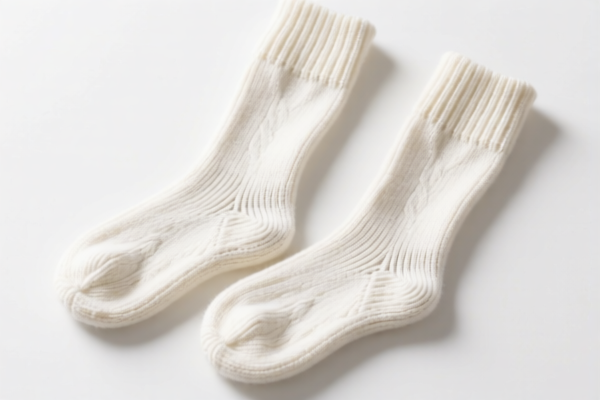
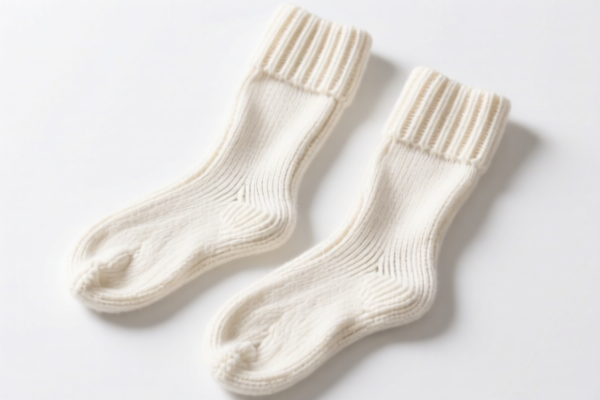
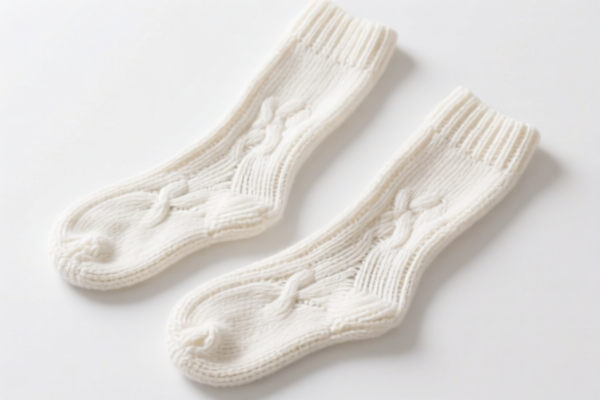
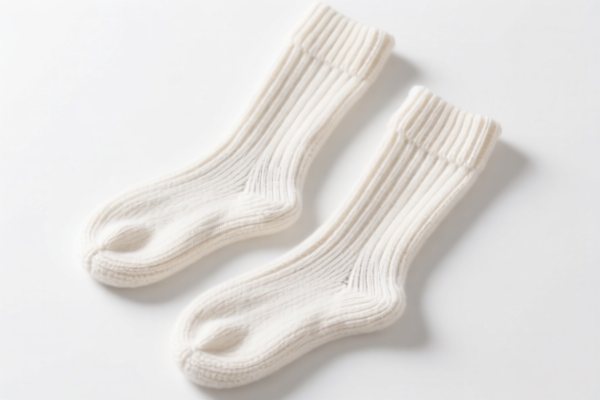
AI Analysis
🧶 Knitted Leg Warmers (Crocheted Leg Warmers)
🌐 HS Code Reference & Customs Clearance Guide | 2026 Latest Tariff Analysis | Professional Clearance Strategy
📌 I. Product Definition & Classification: Do You Really Understand "Leg Warmers"?
Knitted leg warmers are wearable accessories designed to cover the lower legs, typically extending from the ankle to just below the knee. They are primarily used for warmth, fashion, or athletic support (e.g., dance, yoga). In international trade, their classification depends heavily on two factors: Manufacturing Technique (Knitted vs. Crocheted vs. Woven) and Intended Use/Composition (Footwear accessory vs. Clothing accessory).
Key Distinction Points: * "Knitted" (Knitting): Fabric formed by interlocking loops of yarn (e.g., circular knitting). Often falls under Chapter 61 (Knitted or Crocheted Articles of Clothing and Clothing Accessories). * "Crocheted" (Crochet): Technically a form of knitting (looped yarn), but customs often treats "crocheted" items similarly to knitted items if they fall under heading 61. However, some specific crocheted items might fall under Chapter 62 (Non-Knitted) if they are considered "made up" clothing accessories not specifically covered in Ch 61, though 99% of leg warmers are Ch 61. * Footwear Accessory vs. Clothing Accessory: If they cover the foot (like socks), they are "socks" (6115). If they only cover the calf/shin and do not cover the foot, they are "other knitted accessories" (6117) or "made-up clothing accessories" (6217).
⚠️ Critical Note for "Crocheted":
Although the user specified "Crocheted," in HS Code systems, crocheted articles are generally classified under Chapter 61 (Knitted or Crocheted) alongside knitted items. Therefore, the codes provided in the DATA set (all starting with 61 or 62) are relevant. The key differentiator in the DATA is whether they are treated as "sock-like" (covering foot) or "calf-warmers" (not covering foot).
📦 II. HS Code Classification Details (2026 Latest Tariff Authority Comparison)
| HS Code | Product Description | Application Scenario | Material Inference |
|---|---|---|---|
6115.95.90.00 |
Knitted leg warmers, matching shape and use; material inferred as cotton or synthetic fiber | Warmth accessories, fashion leg warmers (non-sock style) | Cotton or Synthetic Fiber |
6117.80.95.70 |
Knitted leg warmers, classified as clothing accessories, material is "other" | Fashion accessories, non-standard materials | Other Materials |
6115.95.60.00 |
Knitted leg warmers, classified as sock accessories; material inferred as synthetic fiber or cotton | Sock-like warmth, potentially covering foot or ankle | Synthetic Fiber or Cotton |
6217.10.95.10 |
Clothing accessory leg warmers, knitted form; material is cotton, wool, or chemical fiber | General clothing accessory, non-specific material | Cotton, Wool, or Chemical Fiber |
6217.10.85.00 |
Made-up clothing accessories, knitted material, other made-up clothing accessories not elsewhere specified | Non-specific category of made-up accessories | Any Knitted Material |
🔍 Key Clarification:
- 6115.xxxx typically refers to "Hosiery" including socks, stockings, tights, and leg warmers that are part of hosiery. If the leg warmer is designed to be worn with socks or covers the foot, it may fall here. - 6117.80 and 6217.10 refer to "Other made-up clothing accessories." If the leg warmer is purely for the calf/shin (not the foot), it is more likely to be classified here. - The distinction between 61 (Knitted) and 62 (Non-Knitted) is crucial. However, since the user specified "Crocheted," and crochet is technically a looped fabric, it is often grouped with Knitted (Ch 61). The inclusion of 62 codes in the DATA suggests that some customs authorities might treat "made-up" crocheted items as non-knitted accessories if they don't fit the specific "hosiery" definition of 6115.
💰 III. 2026 Latest Tariff Rate Details (Including Surcharge Policies)
✅ Applicable Country: United States (US)
✅ Country of Origin: China (CN)
✅ Effective Time: Ongoing (Section 301, Section 122, etc.)
🎯 1. 6115.95.90.00 —— Knitted Leg Warmers (Cotton/Synthetic)
| Item | Content |
|---|---|
| Basic Tariff Rate | 13.5% (Ad Valorem) |
| Section 301 Surcharge | +7.5% (Additional Tariff for Chinese Origin) |
| Section 122 Tariff | +10% (Specific surcharge for certain textile/apparel items) |
| Total Tax Rate | 31.0% |
| Tax Calculation | CIF Value × 31.0% |
| De Minimis Exemption | ❌ Not Available (Deny de minimis for China-origin textile accessories in many cases, check latest CBP guidance) |
| Legal Basis Path | HTSUS:6115.95.90.00 → Section 301: Footnote 9903.88.02 → Section 122: Specific Statute |
📌 Explanation:
- Basic 13.5%: Standard MFN rate for "Other" knitted leg warmers. - 7.5% Section 301: Applies to "Knitted or crocheted hosiery" and certain other knitwear. - 10% Section 122: A specific tariff line added for certain apparel and textile accessories. - Total 31.0%: This is a significant cost burden.
🎯 2. 6117.80.95.70 —— Knitted Leg Warmers (Clothing Accessory)
| Item | Content |
|---|---|
| Basic Tariff Rate | 14.6% |
| Section 301 Surcharge | +7.5% |
| Section 122 Tariff | +10% |
| Total Tax Rate | 32.1% |
| Tax Calculation | CIF Value × 32.1% |
| De Minimis Exemption | ❌ Not Available |
| Legal Basis Path | HTSUS:6117.80.95.70 → Section 301: Footnote 9903.88.03 → Section 122 |
📌 Note:
- Slightly higher base rate (14.6%) than 6115.95.90 (13.5%) due to being classified as a general "other accessory" rather than "hosiery." - Total cost is the highest among the options if Section 122 applies.
🎯 3. 6115.95.60.00 —— Knitted Leg Warmers (Sock Accessory)
| Item | Content |
|---|---|
| Basic Tariff Rate | 10.0% |
| Section 301 Surcharge | +7.5% |
| Section 122 Tariff | +10% |
| Total Tax Rate | 27.5% |
| Tax Calculation | CIF Value × 27.5% |
| De Minimis Exemption | ❌ Not Available |
| Legal Basis Path | HTSUS:6115.95.60.00 → Section 301 → Section 122 |
📌 Advantage:
- Lowest Total Tax Rate (27.5%) among the options with Section 122. - Lower base rate (10.0%) suggests this code may benefit from a more favorable classification as "hosiery" rather than general accessory. - Recommendation: If the leg warmers are designed to be worn with socks or cover the ankle/foot, prioritize this code.
🎯 4. 6217.10.95.10 —— Clothing Accessory Leg Warmers (Non-Specific Material)
| Item | Content |
|---|---|
| Basic Tariff Rate | 14.6% |
| Section 301 Surcharge | +7.5% |
| Section 122 Tariff | +10% |
| Total Tax Rate | 32.1% |
| Tax Calculation | CIF Value × 32.1% |
| De Minimis Exemption | ❌ Not Available |
| Legal Basis Path | HTSUS:6217.10.95.10 → Section 301 → Section 122 |
📌 Note:
- Same rate as 6117.80.95.70. - Classification under Chapter 62 (Non-Knitted) is risky for "crocheted" items unless customs views crochet as non-knitted "made-up" goods. This is less common but possible.
🎯 5. 6217.10.85.00 —— Made-Up Clothing Accessories (Other)
| Item | Content |
|---|---|
| Basic Tariff Rate | 14.6% |
| Section 301 Surcharge | +0.0% (Note: Some items in 6217.85 may have different 301 footnotes) |
| Section 122 Tariff | +10% |
| Total Tax Rate | 24.6% |
| Tax Calculation | CIF Value × 24.6% |
| De Minimis Exemption | ❌ Not Available |
| Legal Basis Path | HTSUS:6217.10.85.00 → Section 122 |
📌 Advantage:
- Lowest Overall Tax Rate (24.6%) if Section 301 does not apply to this specific subheading or is exempt. - Risk: High. Classifying "crocheted" leg warmers under 6217.10.85 (Other made-up clothing accessories) is aggressive. Customs may argue they are knitted (Ch 61). However, if successful, it saves 3-7% compared to other codes. - Strategic Use: Consider this only if you can justify that the item is a "made-up accessory" not specifically provided for in Chapter 61, and if Section 301 footnotes exclude it.
🛠️ IV. Customs Clearance Practical Advice (Battle-Tested Pitfall Guide)
✅ 1. Preparation Checklist (No Omissions)
| Document | Required | Description |
|---|---|---|
| ✅ Product Specification Sheet | ✔️ | Detail dimensions, material composition (e.g., 95% Cotton, 5% Spandex), and construction method (Crochet/Knit). |
| ✅ Product Photos | ✔️ | Clear images of the item, including tags, labels, and how it is worn (to prove it doesn't cover the foot if claiming 6117/6217). |
| ✅ Material Test Report | ✔️ | From an accredited lab (e.g., SGS, BV) confirming fiber content. Critical for correct HTSUS subheading. |
| ✅ Commercial Invoice | ✔️ | Must clearly state "Crocheted Leg Warmers" and "Country of Origin: China." |
| ✅ Packing List | ✔️ | Include net/gross weight. |
| ✅ Customs Ruling (Optional but Recommended) | ✔️ | If unsure, apply for an Advance Ruling (CBP Form 5106) to lock in the HS Code. |
✅ 2. Declaration Tips (Key Mantra)
🔥 “Material Dictates Chapter, Foot Coverage Decides Subheading!”
| Scenario | Correct Declaration | Wrong Practice |
|---|---|---|
| Leg warmers cover ankle/foot | 6115.95.60.00 (Sock Accessory) |
Misdeclare as 6117.80 → Higher Tax |
| Leg warmers cover only calf | 6117.80.95.70 or 6115.95.90.00 |
Misdeclare as 6217 without justification → Risk of Audit |
| Crocheted vs. Knitted | State "Crocheted" but note it falls under Ch 61 | Ignore construction method → Potential Misclassification |
| Material Composition | Specify "Cotton" or "Synthetic" | Vague "Textile" → Delay in Clearance |
✅ 3. Special Case Handling
| Situation | Handling Suggestion |
|---|---|
| High Volume Import | Apply for Section 301 Exclusions if available for specific textile accessories. Check USTR website periodically. |
| De Minimis ($800) Strategy | ❌ Do Not Rely on De Minimis: Section 301 and Section 122 tariffs often do not apply to de minimis shipments from China, but CBP enforcement is increasing. Check latest CBP directives. |
| OEM/Private Label | Provide design sheets to prove the item is a "leg warmer" and not a "sock" or "glove." |
| Material Change | If switching from Cotton to Synthetic, ensure the HS Code subheading changes (e.g., 6115.95.60 vs 6115.95.90 may have different material restrictions). |
🌍 V. Global Market Clearance Comparison (2026 Latest)
| Country/Region | Recommended HS Code | Tariff Rate | Certification Requirement | Notes |
|---|---|---|---|---|
| 🇺🇸 USA | 6115.95.60.00 |
27.5% (China) | No special cert | Highest risk, Section 122+301 applies. |
| 🇺🇸 USA | 6217.10.85.00 |
24.6% (China) | No special cert | Aggressive classification, potential risk. |
| 🇨🇳 China | 6115.95.90.00 |
13.5% | No special cert | Export from China, low import tax. |
| 🇪🇺 EU | 6115.95.90.00 |
0-4% (if GSP/EBA) | CE/RoHS (if synthetic) | No Section 301/122 equivalent. |
| 🇬🇧 UK | 6115.95.90.00 |
0-4% | No special cert | Post-Brexit tariffs generally lower. |
📌 Conclusion:
- USA is the most challenging market due to cumulative tariffs (Base + 301 + 122). - Code6115.95.60.00(27.5%) is the most balanced and defensible for leg warmers that may cover the ankle. - Code6217.10.85.00(24.6%) offers the lowest rate but carries higher audit risk if the item is clearly knitted/crocheted hosiery.
📌 VI. Common Errors & Pitfall Guide (Blood & Tears Lessons)
❌ Error 1: Classifying leg warmers as "Gloves" or "Socks" indiscriminately
👉 Consequence: Misclassification penalty + Back Taxes.
Fix: If it doesn't cover the toes, it's not a sock (6115.11/6115.12).
❌ Error 2: Ignoring "Crocheted" vs. "Knitted" distinction
👉 Consequence: Customs may reject "Knitted" description for crochet items, causing delays.
Fix: Use "Crocheted Leg Warmers" in description, but classify under Ch 61 as crochet is treated as knitted.
❌ Error 3: Assuming De Minimis ($800) exemption from Section 301/122
👉 Consequence: CBP may assess duties on de minimis shipments from China if they are "restricted" or if policy changes.
Fix: Treat all China-origin textile imports as taxable, regardless of value.
✅ Correct Declaration Example:
"Crocheted Leg Warmers, 95% Cotton, 5% Spandex, For Fashion Use, Not Covering Toes, Model LW-001"
🎯 VII. Conclusion: Precision Classification for Cost Savings
🎯 Key Takeaway:
🔹 "Foot Coverage = 6115; No Foot = 6117/6217."
🔹 "Section 122 + 301 = High Tax; Choose 6115.95.60.00 for lowest total (27.5%)."
🔹 "Crocheted is still Chapter 61."
📌 Pro Tip:
If your volume is high, apply for a Binding Tariff Information (BTI) or Advance Ruling with CBP to confirm the use of 6115.95.60.00 or 6217.10.85.00. This provides legal certainty and protects you from retroactive penalties.
📣 Immediate Action:
📞 Consult a Licensed Customs Broker
📄 Provide Product Photos & Material Specs
🚀 Optimize Your HS Code to Save 3-7% in Duties
✨ Professional Clearance Starts with Accurate Classification!
💼 Your Every Dollar Counts in the Supply Chain!
Customer Reviews
About HS Code Classification
The Harmonized System (HS) is an internationally standardized nomenclature developed by the World Customs Organization (WCO) to classify traded products. Over 200 countries use the HS system as the basis for customs tariffs, trade statistics, and import/export regulations.
Each HS code follows a hierarchical structure:
- Chapter (2 digits) — Broad category of goods (e.g., Chapter 84: Machinery and Mechanical Appliances)
- Heading (4 digits) — More specific grouping within the chapter
- Subheading (6 digits) — Internationally standardized breakdown, used by all WCO member countries
- National subdivisions (8-10 digits) — Country-specific extensions for further classification, such as US HTSUS 10-digit codes
Correct HS code classification is essential for smooth customs clearance, accurate duty payment, and compliance with trade regulations. Misclassification can lead to customs delays, overpayment of duties, or penalties.
When importing from CN to US, the applicable tariff rates may include:
- Most-Favored-Nation (MFN) rate — The standard duty rate applied to WTO members
- General rate — Applied to countries without trade agreements
- Trade remedy duties — Additional tariffs such as Section 301 (anti-dumping), Section 232 (national security), or countervailing duties
The information provided on this page is for reference purposes only. For official classification, please consult with your local customs authority or a licensed customs broker.