钩针服装
CN → US| HS Code | Tariff Rate | Origin | Destination | Doc |
|---|---|---|---|---|
| 6208110000 | 32.4% | CN | US | Official Doc |
| 6108199030 | 24.1% | CN | US | Official Doc |
| 6117909090 | 32.1% | CN | US | Official Doc |
| 6208192000 | 28.7% | CN | US | Official Doc |
| 6117909095 | 32.1% | CN | US | Official Doc |
Product Images
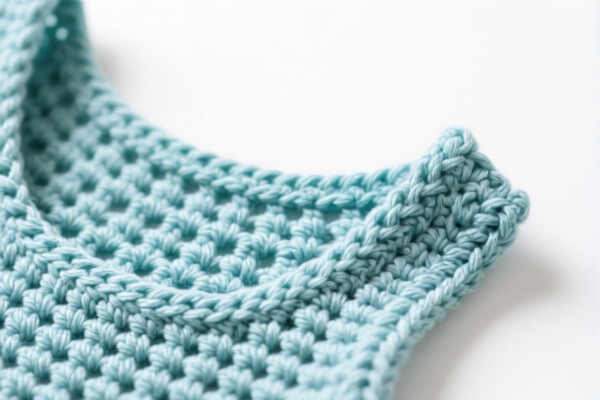
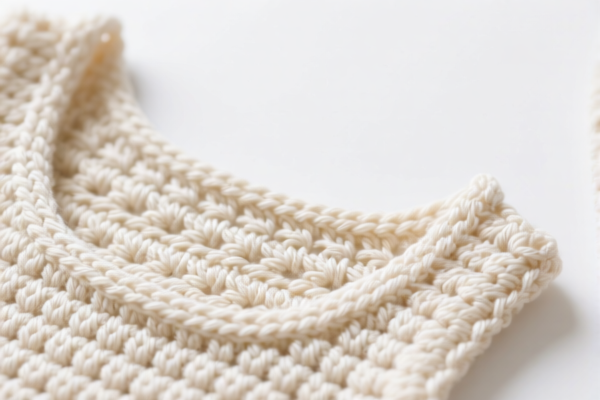
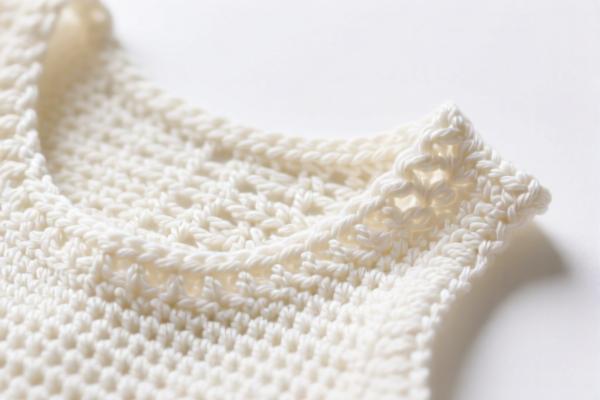
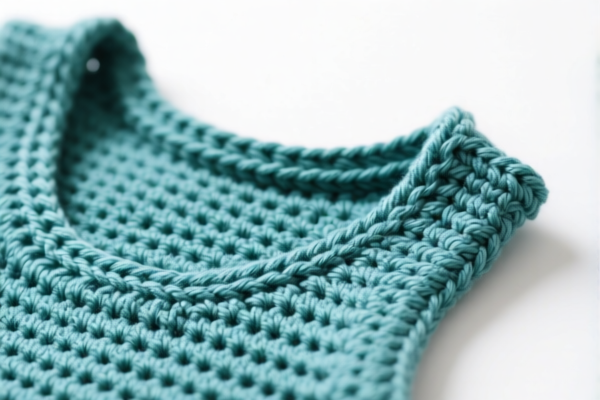
AI Analysis
🧶 Crochet Garments (钩针服装)
🌐 HS Code Reference & Customs Clearance Guide | 2026 Latest Tariff Analysis | Professional Clearance Strategy
📌 I. Product Definition and Classification: Do You Really Understand "Crochet Garments"?
Crochet garments, primarily suits and blazers, are distinct from standard woven or knitted apparel due to their specific construction method. In international trade, the classification hinges heavily on the morphology (crocheted/knitted vs. crocheted only) and material composition (synthetic fibers, cotton, wool, silk, or other textiles).
⚠️ Key Distinction Point:
- Crochet/Knitted (钩针/针织): Typically falls under Chapter 61 (Articles of Apparel and Clothing Accessories, knitted or crocheted), specifically 6103 (for men/boys) or 6104 (for women/girls).
- Purely Crocheted (钩编): If strictly crocheted without knitting, it may still fall under Chapter 61 but with different subheadings depending on material.
- Material Matters: "Artificial Fibers," "Cotton," "Wool," and "Silk" have vastly different duty rates and regulatory restrictions.
📦 II. HS Code Classification Details (Latest 2026 Tariff Authority Reference)
| HS Code | Product Description | Applicable Scenario | Material Inference |
|---|---|---|---|
6103.39.80.30 |
Crochet Suit, morphology: Crochet/Knitted, usage: Suit, material: Artificial Fibers (Restricted Category) | Men's/Unisex Suits, Synthetic Blends | ✅ Artificial Fibers |
6103.39.80.10 |
Crochet Suit, morphology: Crochet/Knitted, usage: Suit, material: Other Textile Materials (Cotton Restricted) | Men's/Unisex Suits, Mixed Materials | ✅ Other Textiles (Cotton restricted) |
6104.39.20.90 |
Crochet Suit, morphology: Crocheted, usage: Suit, material: Other Textile Materials (Non-cotton, Non-wool, Non-synthetic, Non-silk) | Women's Suits, Specialty Textiles | ✅ Other Textiles (Exotic/Natural blends) |
6103.39.10.00 |
Crochet Suit, morphology: Crochet/Knitted, usage: Suit Jacket, material: Artificial Fibers or Textile Materials | Men's Suit Jackets, Generic Synthetics | ✅ Synthetic/Textile Mix |
6110.30.30.59 |
Crochet Suit, morphology: Crochet/Knitted, usage: Women's Garment, material: Fiber Class (Artificial Fiber or Cotton) | Women's Cardigan/Suit Style, Knitwear | ✅ Artificial Fiber/Cotton |
🔍 Key Reminder:
- 6103 vs. 6104: 6103 is generally for Men's/Boys' suits; 6104 is for Women's/Girls' suits. Misclassification here leads to severe penalties.
- 6110 vs. 6103/6104: 6110 is for Sweaters, Pullovers, and Similar Items. If the "suit" is more cardigan-style (open front, knitted), it may fall here, often with higher base duties.
💰 III. 2026 Latest Tariff Rate Details (Including Additional Taxes, Policy Add-ons)
✅ Applicable Country: United States (US)
✅ Origin: China (CN)
✅ Effective Time: 2025 November 10 onwards (including subsequent imports)
🎯 1. 6103.39.80.30 & 6103.39.80.10 —— Crochet Suits (Men's/Unisex, Synthetic/Cotton Restricted)
| Item | Content |
|---|---|
| Base Tariff | 5.6% (ad valorem) |
| Section 301 / Additional Tax | +7.5% (Trade War Tariff) |
| Section 122 Tariff | +10% (Specific US Provision) |
| Total Tax Rate | 23.1% |
| Tax Calculation | CIF Value × 23.1% |
| De Minimis Eligibility | ❌ No (Not exempt) |
| Legal Basis Path | HTSUS:6103.39.80.30/10 → Section 301: 7.5% → Section 122: 10% |
📌 Explanation:
- Base 5.6%: Standard MFN duty for men's suits of other textile materials.
- Additional 7.5%: Standard Section 301 tariff for many textile/apparel items from China.
- Section 122 10%: Specific additional duty under US trade laws (often related to national security or specific trade remedies).
- Total 23.1%: High but manageable for suits. Must declare accurately to avoid "Other Textile" penalties.
🎯 2. 6104.39.20.90 —— Crochet Suits (Women's, Other Textile Materials)
| Item | Content |
|---|---|
| Base Tariff | 0.0% (ad valorem) |
| Section 301 / Additional Tax | +7.5% |
| Section 122 Tariff | +10% |
| Total Tax Rate | 17.5% |
| Tax Calculation | CIF Value × 17.5% |
| De Minimis Eligibility | ❌ No |
| Legal Basis Path | HTSUS:6104.39.20.90 → Section 301: 7.5% → Section 122: 10% |
📌 Note:
- Base 0.0%: Some women's suits of "other textile materials" (non-synthetic, non-cotton, non-wool, non-silk) may have lower base duties.
- Total 17.5%: Lower than men's suits due to 0% base, but still subject to all additional taxes.
🎯 3. 6103.39.10.00 —— Crochet Suit Jackets (Men's, Synthetic/Textile Mix)
| Item | Content |
|---|---|
| Base Tariff | 14.9% (ad valorem) |
| Section 301 / Additional Tax | +7.5% |
| Section 122 Tariff | +10% |
| Total Tax Rate | 32.4% |
| Tax Calculation | CIF Value × 32.4% |
| De Minimis Eligibility | ❌ No |
| Legal Basis Path | HTSUS:6103.39.10.00 → Section 301: 7.5% → Section 122: 10% |
📌 Critical Warning:
- High Base Duty 14.9%: Likely classified under a higher base duty category for certain synthetic blends or specific suit types.
- Total 32.4%: Significantly higher than other suits. This classification is risky for cost control.
🎯 4. 6110.30.30.59 —— Crochet Suits (Women's, Knitted/Cardigan Style)
| Item | Content |
|---|---|
| Base Tariff | 32.0% (ad valorem) |
| Section 301 / Additional Tax | 0.0% |
| Section 122 Tariff | +10% |
| Total Tax Rate | 42.0% |
| Tax Calculation | CIF Value × 42.0% |
| De Minimis Eligibility | ❌ No |
| Legal Basis Path | HTSUS:6110.30.30.59 → Section 122: 10% |
📌 Critical Warning:
- Highest Rate 42.0%: This is the most expensive classification.
- Why? Base duty is 32% (high for knitwear), plus Section 122 10%. No Section 301? (Data shows 0.0% for Section 301 here, but total is still high).
- Avoid if Possible: Unless the product is definitively a "sweater/cardigan" and not a "suit," this rate is punitive.
🛠️ IV. Customs Clearance Practical Advice (Battle-Tested Pitfall Guide)
✅ 1. Documentation Checklist (All are mandatory)
| Document | Required | Description |
|---|---|---|
| ✅ Product Specification Sheet | ✔️ | Material composition (exact fiber content %), construction method (crochet vs. knitted), size chart. |
| ✅ Product Photos | ✔️ | Clear shots of the garment, tag, label, and close-ups of the crochet texture to distinguish from knitting. |
| ✅ Commercial Invoice | ✔️ | Must clearly state "Crochet Suit" or "Knitted Suit Jacket," not just "Clothing." |
| ✅ Packing List | ✔️ | Quantity, weight, dimensions. |
| ✅ Certificate of Origin (CO) | ✔️ | If applicable, to claim any preferential rates (though unlikely for China-US). |
| ✅ Brand Authorization | ✔️ | If branded, to avoid IP issues. |
✅ 2. Declaration Tips (Key Mantra)
🔥 "Correct Chapter, Precise Material, Clear Usage, Lower Duty!"
| Scenario | Correct Declaration | Wrong Action |
|---|---|---|
| Men's Crochet Suit (Synthetic) | 6103.39.80.30 |
Misclassify as 6104 (Women's) → Audit Risk |
| Women's Crochet Suit (Other Textile) | 6104.39.20.90 |
Misclassify as 6110 → 42% Tax Instead of 17.5% |
| Suit Jacket (Not Full Suit) | 6103.39.10.00 |
Declare as full suit → Potential discrepancy if trousers are missing |
| Cardigan Style (Women's) | 6110.30.30.59 |
Declare as Suit → High Duty Risk |
📌 Crucial:
- Use "Suit" only if it includes matching trousers/skirt or is designed as a formal suit. If it's just a jacket/cardigan, use "Jacket" or "Cardigan."
- Specify "Crochet" or "Knitted" in the description. Customs officers look for morphology.
✅ 3. Special Case Handling
| Scenario | Handling Advice |
|---|---|
| Mixed Materials | Clearly state percentages. E.g., "60% Acrylic, 40% Polyester." Incorrect fiber content leads to reclassification and penalties. |
| OEM Custom Crochet | Provide design sketches and material bills of lading to prove construction method. |
| "Suit" vs. "Jacket" | If it's just a top without matching bottoms, consider "Jacket" (6103.39.10.00 or 6104.39.20.90) to potentially lower duty if applicable, but be consistent. |
| High-Value Luxury Crochet | Ensure accurate valuation to avoid customs suspicion of undervaluation. |
🌍 V. Global Market Comparison (2026 Latest)
| Country/Region | Recommended HS Code | Tariff (China Origin) | Certification | Remarks |
|---|---|---|---|---|
| 🇺🇸 USA | 6103.39.80.30 / 6104.39.20.90 |
23.1% / 17.5% | N/A | High additional taxes (301 + 122). |
| 🇨🇳 China | 6103.39.80.30 / 6104.39.20.90 |
5% - 10% | N/A | Lower base rates, no Section 122. |
| 🇪🇺 EU | 6103.39.80 / 6104.39.20 |
8% - 12% | CE (if applicable) | No Section 122/301. |
| 🇯🇵 Japan | 6103.39.80 / 6104.39.20 |
10% - 15% | PSE (if electronic components) | No US-style additional taxes. |
📌 Conclusion:
- USA is the most challenging market due to Section 301 and Section 122.
- EU and Japan are more favorable with standard tariffs.
- Duty Savings: Correctly classifying as6104(Women's) vs.6110(Knitwear) can save 24.5% in duties!
📌 VI. Common Errors & Pitfall Guide (Blood and Tears Lessons)
❌ Error 1: Misclassifying "Suit" as "Other Textile Garment"
👉 Consequence: Incorrect HS Code → 42% Tax instead of 17.5% or 23.1%.
❌ Error 2: Not specifying "Crochet" in the description
👉 Consequence: Customs cannot verify morphology → Delays, Audits, or Rejection.
❌ Error 3: Ignoring Section 122 Tariff
👉 Consequence: Underpayment by 10% → Back Taxes + Penalties + Interest.
❌ Error 4: Confusing "Knitted" and "Crocheted"
👉 Consequence: While both are Chapter 61, specific subheadings differ. Misclassification leads to Base Duty Errors (e.g., 5.6% vs. 14.9%).
✅ Correct Practice:
"Men's Crochet Suit, 100% Acrylic, Woven Construction, Model XYZ, Origin China"
"Women's Crochet Jacket, 60% Cotton/40% Polyester, Knitted, Model ABC, Origin China"
🎯 VII. Conclusion: Professional Declaration, Time and Cost Savings!
🎯 Remember the Mantra:
🔹 "Suit vs. Jacket? Check the Set!"
🔹 "Men = 6103, Women = 6104 or 6110!"
🔹 "Section 122 is 10% Extra, Don't Forget It!"
🔹 "Crochet Texture Matters, Declare It Clearly!"
📌 Pro Tip:
If your crochet garments are made in Vietnam, Mexico, or Thailand, you may avoid Section 301 and Section 122 tariffs, reducing the total rate to Base Duty Only (e.g., 5.6% or 0%).
Recommendation: Conduct an Advance Ruling with US Customs (CBP) before shipping high-value batches to ensure correct classification.
📣 Immediate Action:
📞 Contact Professional Customs Broker + Provide Product Photos + Apply for HS Code Advance Ruling
🚀 Let your Crochet Garments Clear Smoothly, Export Efficiently, and Maximize Profits!
✨ Professional Clearance Starts with Accurate Classification!
💼 Every Dollar of Duty is Worth Calculating Precisely!
Customer Reviews
About HS Code Classification
The Harmonized System (HS) is an internationally standardized nomenclature developed by the World Customs Organization (WCO) to classify traded products. Over 200 countries use the HS system as the basis for customs tariffs, trade statistics, and import/export regulations.
Each HS code follows a hierarchical structure:
- Chapter (2 digits) — Broad category of goods (e.g., Chapter 84: Machinery and Mechanical Appliances)
- Heading (4 digits) — More specific grouping within the chapter
- Subheading (6 digits) — Internationally standardized breakdown, used by all WCO member countries
- National subdivisions (8-10 digits) — Country-specific extensions for further classification, such as US HTSUS 10-digit codes
Correct HS code classification is essential for smooth customs clearance, accurate duty payment, and compliance with trade regulations. Misclassification can lead to customs delays, overpayment of duties, or penalties.
When importing from CN to US, the applicable tariff rates may include:
- Most-Favored-Nation (MFN) rate — The standard duty rate applied to WTO members
- General rate — Applied to countries without trade agreements
- Trade remedy duties — Additional tariffs such as Section 301 (anti-dumping), Section 232 (national security), or countervailing duties
The information provided on this page is for reference purposes only. For official classification, please consult with your local customs authority or a licensed customs broker.