钩针编织商务西装夹克
CN → US| HS Code | Tariff Rate | Origin | Destination | Doc |
|---|---|---|---|---|
| 6103398030 | 23.1% | CN | US | Official Doc |
| 6103398010 | 23.1% | CN | US | Official Doc |
| 6104332000 | 45.7% | CN | US | Official Doc |
| 6104392090 | 17.5% | CN | US | Official Doc |
| 6103391000 | 32.4% | CN | US | Official Doc |
Product Images
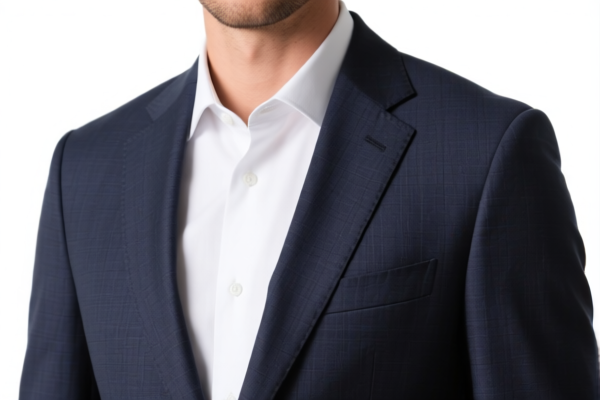
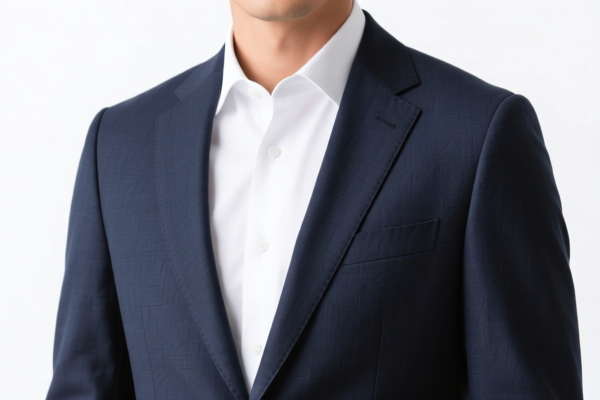
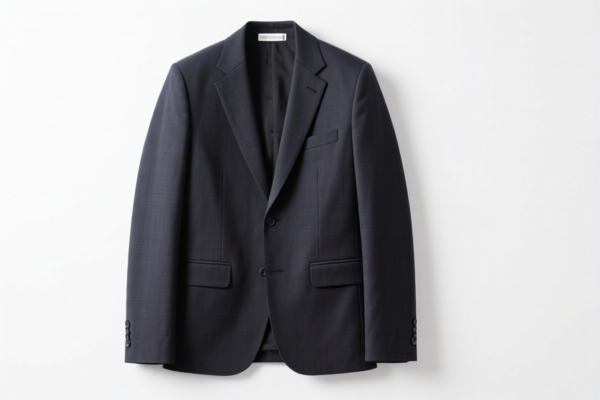
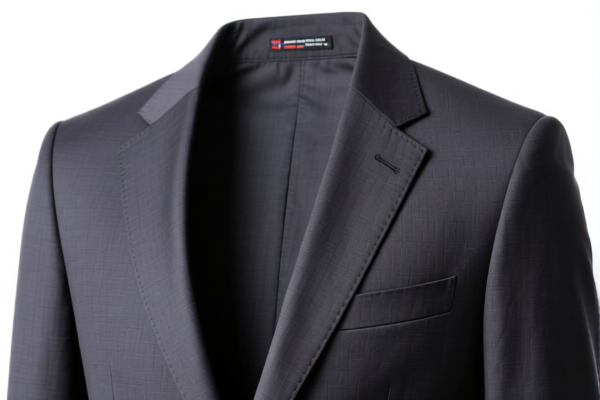
AI Analysis
👔 Women’s/Men’s Knitted Business Suit Jackets (Hook-Needle/Tricot Forms)
🌐 HS Code Reference & Customs Clearance Guide | 2026 Latest Tariff Analysis | Professional Clearance Strategy
📌 I. Product Definition and Classification: Do You Really Understand “Knitted Business Suits”?
Knitted or crochet business suit jackets are outer garments specifically designed for professional or formal wear. In international trade (specifically US imports from China), their classification depends heavily on the manufacturing method (knitting vs. crochet) and the material composition (synthetic vs. natural vs. other fibers).
The provided data indicates four distinct HS Code categories based on these nuances. Misclassification can lead to significant tariff discrepancies (from 17.5% to 45.7%).
⚠️ Key Distinction Points: - Construction: Are they knitted/tricot (6103/6104 series) or crocheted (also within 6104 but different subheadings)? - Material: Is it Synthetic/Mixed Fibers (higher base duty)? Man-made fibers (medium base duty)? Cotton/Other (lower base duty)? Or Other Textile Materials (lowest base duty)? - Form: The data specifies "Hook-needle/Knitted" (钩针/针织) generally falling under 6103/6104, and "Crocheted" (钩编) under 6104.39.
📦 II. HS Code Classification Details (2026 Latest Tariff Authority Comparison)
Based on the provided data, here is the breakdown of the specific HS Codes applicable to Knitted/Crocheted Business Suit Jackets.
| HS Code | Product Description | Material Inference | Total Tax Rate | Key Tax Components |
|---|---|---|---|---|
6104.33.20.00 |
Women's knitted/crocheted suit jackets, of synthetic fibers or mixed fibers | Synthetic or Mixed Fibers | 45.7% | Base: 28.2% + Add: 17.5% |
6103.39.10.00 |
Men’s/Unisex knitted suit jackets, of man-made fibers/textile materials | Man-made Fibers | 32.4% | Base: 14.9% + Add: 17.5% |
6103.39.80.30 |
Knitted suit jackets, Artificial Fiber restricted category | Artificial/Regenerated Fibers | 23.1% | Base: 5.6% + Add: 17.5% |
6103.39.80.10 |
Knitted suit jackets, Cotton or other fibers | Cotton or Other Fibers | 23.1% | Base: 5.6% + Add: 17.5% |
6104.39.20.90 |
Crocheted suit jackets, Other Textile Materials | Other Textile Materials | 17.5% | Base: 0.0% + Add: 17.5% |
🔍 Critical Observation:
- Highest Risk:6104.33.20.00carries a 45.7% total rate due to a high 28.2% Base Tariff for synthetic fibers.
- Lowest Cost:6104.39.20.90(Crocheted, Other Materials) has a 0% Base Tariff, resulting in the lowest total burden of 17.5%.
- Material Sensitivity: Switching from Synthetic (45.7%) to Cotton/Artificial (23.1%) can halve your tariff cost.
💰 III. 2026 Latest Tariff Rate Breakdown (Including Surtaxes & Policy Add-ons)
✅ Applicable Country: United States (US)
✅ Origin: China (CN)
✅ Effective Time: Current as of 2026 Data Context
🎯 1. 6104.33.20.00 — Synthetic/Mixed Fiber Knitted Suits
| Item | Content |
|---|---|
| Base Duty | 28.2% (High base rate for synthetic textiles) |
| Section 301 Surcharge | +7.5% (Standard additional duty for China-origin goods) |
| Section 122 Duties | +10.0% (Specific trade remedy duty) |
| Total Effective Rate | 45.7% |
| Calculation | CIF Value × 45.7% |
| De Minimis Eligibility | ❌ No (Deny de minimis; high value/textile restrictions) |
| Legal Basis Path | USITC:6104.33.20.00 → Section 301: 7.5% → Section 122: 10% |
📌 Explanation:
- Synthetic fibers (Polyester, Nylon, etc.) attract the highest base duty.
- The 45.7% rate is extremely punitive. Importers must verify if the fabric can be reclassified as "Artificial" or "Cotton" to save 22.6% in duties.
🎯 2. 6103.39.10.00 — Man-Made Fiber Knitted Suits
| Item | Content |
|---|---|
| Base Duty | 14.9% |
| Section 301 Surcharge | +7.5% |
| Section 122 Duties | +10.0% |
| Total Effective Rate | 32.4% |
| Calculation | CIF Value × 32.4% |
| De Minimis Eligibility | ❌ No |
| Legal Basis Path | USITC:6103.39.10.00 → Section 301: 7.5% → Section 122: 10% |
📌 Note:
- "Man-made fibers" often refers to regenerated fibers (like Viscose/Rayon) which have a lower base duty (14.9%) compared to synthetic (28.2%).
- Savings vs. Synthetic: ~13.3% lower total duty.
🎯 3. 6103.39.80.30 & 6103.39.80.10 — Artificial & Cotton Suits
| Item | Content |
|---|---|
| Base Duty | 5.6% (Low base rate for these categories) |
| Section 301 Surcharge | +7.5% |
| Section 122 Duties | +10.0% |
| Total Effective Rate | 23.1% |
| Calculation | CIF Value × 23.1% |
| De Minimis Eligibility | ❌ No |
| Legal Basis Path | USITC:6103.39.80.XX → Section 301: 7.5% → Section 122: 10% |
📌 Note:
- Whether classified as Artificial Fiber (6103.39.80.30) or Cotton/Other (6103.39.80.10), the base duty is identical at 5.6%.
- This is a sweet spot for cost efficiency, reducing total duty by 22.6% compared to synthetic suits.
🎯 4. 6104.39.20.90 — Crocheted Suits (Other Materials)
| Item | Content |
|---|---|
| Base Duty | 0.0% (Zero base duty for specific crochet classifications) |
| Section 301 Surcharge | +7.5% |
| Section 122 Duties | +10.0% |
| Total Effective Rate | 17.5% |
| Calculation | CIF Value × 17.5% |
| De Minimis Eligibility | ❌ No |
| Legal Basis Path | USITC:6104.39.20.90 → Section 301: 7.5% → Section 122: 10% |
📌 Note:
- Crocheted (钩编) items falling under "Other Textile Materials" enjoy a 0% Base Duty.
- This is the most cost-effective classification at 17.5%, saving 28.2% compared to synthetic knitted suits.
- Crucial: The item must be genuinely crocheted (hand-made or machine-crocheted style distinct from standard knitting) and made of materials not classified as standard synthetic/cotton in the other bins.
🛠️ IV. Customs Clearance Practical Advice (Real-World Pitfall Guide)
✅ 1. Essential Documentation Checklist (No Exceptions)
| Document | Required? | Explanation |
|---|---|---|
| ✅ Product Specification Sheet | ✔️ | Must detail fiber composition (e.g., "100% Cotton" vs. "100% Polyester"). |
| ✅ Photos of Construction | ✔️ | Clear images showing Knitting (loops) vs. Crochet (chain stitches). Critical for 6104.39.20.90. |
| ✅ Commercial Invoice | ✔️ | Must specify "Knitted" or "Crocheted" and "Suit Jacket". |
| ✅ Bill of Lading/Air Waybill | ✔️ | Standard shipping docs. |
| ✅ Origin Certificate (CO) | ✔️ | To prove China origin (subject to Surtaxes). |
| ✅ Labeling/Packaging | ✔️ | Must display fiber content clearly per US Customs requirements. |
✅ 2. Declaration Tips (Key Mantras)
🔥 “Fiber Defines Base, Construction Defines Code!”
| Scenario | Correct Declaration | Wrong Practice |
|---|---|---|
| Polyester Knitted Jacket | 6104.33.20.00 (45.7%) |
Declare as "Cotton" → Fraud Risk + Heavy Penalties |
| Cotton Knitted Jacket | 6103.39.80.10 (23.1%) |
Declare as "Synthetic" → Overpay 22.6% |
| Crocheted Jacket (Wool/Other) | 6104.39.20.90 (17.5%) |
Declare as "Knitted" → Missed Savings |
| Artificial Fiber (Viscose) | 6103.39.80.30 (23.1%) |
Mix up with Synthetic → Overpay 22.6% |
📌 Strategy:
- If your product is not strictly synthetic, negotiate with suppliers to use Cotton or Artificial (Rayon/Viscose) fibers to drop from 45.7% to 23.1%.
- If the product is Crocheted, ensure technical specs confirm crochet structure to qualify for 17.5%.
✅ 3. Special Situation Handling
| Situation | Handling Advice |
|---|---|
| Mixed Materials | Check which fiber is heaviest. If Synthetic is >50%, it likely falls under 6104.33.20.00 (45.7%). Try to formulate with <50% synthetic or switch to Cotton/Artificial. |
| "Suit" Definition | Ensure the item is structurally a "Suit Jacket" (has lining, lapels, etc.). If it’s a simple cardigan or pullover, it might fall under different codes (not in this data), so verify structure. |
| Customs Inspection | Be prepared for fiber testing. Customs may rip samples to test composition. Inconsistent labeling is a major red flag. |
🌍 V. Global Market Comparison (2026 Context)
| Country/Region | Recommended HS Code | Duty Burden | Notes |
|---|---|---|---|
| 🇺🇸 USA | Varies by Material/Crochet | 17.5% – 45.7% | High Section 301 + 122 duties. Material choice is critical. |
| 🇨🇳 China | Varies | Low/Medium | No Section 301/122. Base rates apply. |
| 🇪🇺 EU | 6104/6103 Series | Low/Medium | No Section 301/122. Base rates apply. |
📌 Conclusion:
- USA is the only market in this dataset applying Section 301 (7.5%) and Section 122 (10%) surcharges.
- For US-bound goods, material optimization is the #1 cost-saving strategy.
📌 VI. Common Mistakes & Pitfalls (Lessons Learned)
❌ Mistake 1: Declaring a Polyester Knitted Jacket as Cotton to save taxes.
👉 Consequence: Customs audit reveals synthetic fibers → Back duties + Fines + Cargo Hold.
❌ Mistake 2: Labeling a Crocheted Jacket as Knitted without proof.
👉 Consequence: Misclassification. If it doesn't meet the technical definition of 6104.39.20.90, it may be reclassified to a higher tax basket or denied entry.
❌ Mistake 3: Ignoring Section 122 Duties.
👉 Consequence: Even with 0% base duty (e.g., 6104.39.20.90), you still pay 17.5% total. Don’t assume "0% Base" means "0% Total".
✅ Correct Practice:
"Women’s Crocheted Suit Jacket, Made of Acrylic/Other Synthetic, Model XYZ, Label: 'Crocheted Textile Outerwear'"
🎯 VII. Conclusion: Professional Declaration, Cost Savings, Efficient Clearance!
🎯 Remember These Mantras:
🔹 “Synthetic Knit: 45.7% | Cotton/Artificial Knit: 23.1% | Crochet Other: 17.5%”
🔹 “Change Fiber, Change Fate. Switch to Cotton/Artificial to Halve Your Tax!”
🔹 “Crochet is King: 0% Base Duty, Lowest Total Burden!”
📌 Pro Tip:
If your current product is Polyester Knitted (45.7%), consider switching suppliers to produce Cotton or Artificial Fiber versions, or Crocheted versions. The 22.6%–28.2% savings per unit is massive for bulk imports.
📣 Immediate Action:
📞 Verify Fiber Content: Contact manufacturer for exact % of Synthetic vs. Cotton vs. Artificial.
📞 Confirm Construction: Is it Knitted or Crocheted? Get technical specs.
📞 Apply for Advance Ruling: If unsure, request a pre-classification from US Customs to avoid surprises.
✨ Professional Customs Clearance Starts with Precise Classification!
💼 Every Percent Saved is Pure Profit!
Customer Reviews
About HS Code Classification
The Harmonized System (HS) is an internationally standardized nomenclature developed by the World Customs Organization (WCO) to classify traded products. Over 200 countries use the HS system as the basis for customs tariffs, trade statistics, and import/export regulations.
Each HS code follows a hierarchical structure:
- Chapter (2 digits) — Broad category of goods (e.g., Chapter 84: Machinery and Mechanical Appliances)
- Heading (4 digits) — More specific grouping within the chapter
- Subheading (6 digits) — Internationally standardized breakdown, used by all WCO member countries
- National subdivisions (8-10 digits) — Country-specific extensions for further classification, such as US HTSUS 10-digit codes
Correct HS code classification is essential for smooth customs clearance, accurate duty payment, and compliance with trade regulations. Misclassification can lead to customs delays, overpayment of duties, or penalties.
When importing from CN to US, the applicable tariff rates may include:
- Most-Favored-Nation (MFN) rate — The standard duty rate applied to WTO members
- General rate — Applied to countries without trade agreements
- Trade remedy duties — Additional tariffs such as Section 301 (anti-dumping), Section 232 (national security), or countervailing duties
The information provided on this page is for reference purposes only. For official classification, please consult with your local customs authority or a licensed customs broker.