钻石画贴纸
CN → US| HS Code | Tariff Rate | Origin | Destination | Doc |
|---|---|---|---|---|
| 4823906700 | 35.0% | CN | US | Official Doc |
| 4823908680 | 35.0% | CN | US | Official Doc |
| 3926400090 | 15.3% | CN | US | Official Doc |
| 3926903500 | 24.0% | CN | US | Official Doc |
| 9503000073 | 10.0% | CN | US | Official Doc |
Product Images
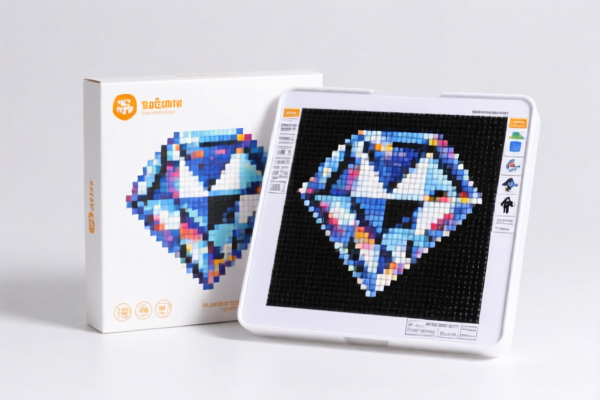
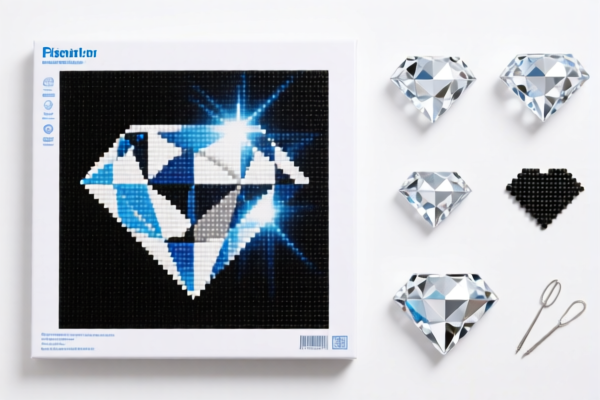

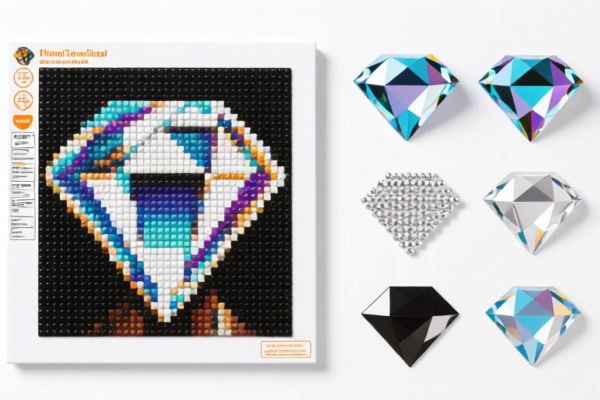
AI Analysis
💎 Diamond Painting Stickers (Craft & Hobby Supplies)
🌐 HS Code Reference & Clearance Guide | 2026 Latest Tariff Analysis | Professional Customs Strategy
📌 I. Product Definition & Classification: Do You Really Understand "Diamond Stickers"?
Diamond painting stickers are a popular DIY craft product consisting of two main components: a printed adhesive sheet (usually PET or PP material) with a viscous sticky surface, and small plastic resin "diamonds" (drilled acrylic/beads) sold separately or pre-packed. In international trade, classification depends heavily on packaging format, primary function, and material composition.
In customs practice, these products are generally classified under one of two pathways: 1. As a Toy/Entertainment Product: If sold as a complete kit (stickers + beads + tools) for children's play, it falls under Chapter 95 (Toys). 2. As a Plastic/Paper Craft: If sold as raw materials (sticks + beads) for decorative purposes, it falls under Chapter 39 (Plastics) or Chapter 48 (Paper).
⚠️ Critical Distinction Point: - If the item is a complete kit marketed as a "DIY Toy" for kids →归类入 9503 - If the item is just plastic beads/stickers without toy context → 归类入 3926 - If the item is paper-based (stickers only, no beads or paper craft) → 归类入 4823
📦 II. HS Code Classification Details (2026 Latest Tariff Authority Comparison)
Based on the provided data, here are the 5 most relevant HS Codes for Diamond Painting Stickers, categorized by material and form:
| HS Code | Product Description | Key Application Scenario | Material/Form |
|---|---|---|---|
9503.00.00.73 |
Puzzles and construction sets for recreational use | Complete DIY Kits: Includes adhesive sheet + beads + tray + pen, marketed as a toy/entertainment model for children | ✅ Toy/Kit |
3926.90.35.00 |
Other articles of plastics | Plastic Beads/Sequins: Unstringed plastic "diamonds" (beads), sequins, and their articles | ✅ Plastic Beads |
3926.40.00.90 |
Other articles of plastic | Plastic Decorations: Decorative items, including pre-made plastic embellishments or non-toy plastic crafts | ✅ Plastic Decor |
4823.90.67.00 |
Other paper products | Paper-Based Stickers: Coated paper or cardboard products, specifically adhesive stickers without plastic beads | ✅ Paper Coating |
4823.90.86.80 |
Other paper articles | Cut Paper Products: Paper products cut to size or shape, including paper craft sheets | ✅ Paper Cutout |
🔍 Key Insight: -
9503.00.00.73is the ideal code for full kits. It offers the lowest tariff burden if correctly declared as a "toy/kits". -3926.90.35.00is for bulk plastic beads. If you import only the beads, use this. -4823codes apply only if the product is 100% paper (e.g., sticker sheets only, no beads). Be careful not to misdeclare plastic beads as paper.
💰 III. 2026 Latest Tariff Rate Breakdown (Including Additional Taxes & Policy Surcharges)
✅ Applicable Country: United States (US)
✅ Origin: China (CN)
✅ Effective Time: Current rates (includes Section 301 & IEEPA surcharges)
🎯 1. 9503.00.00.73 —— Toys & Puzzle Kits (Recommended for Full Kits)
| Item | Content |
|---|---|
| Base Duty Rate | 0% (ad valorem) |
| Section 301 Surcharge | 0% (Note: Some toy categories have been exempted or reduced, but check latest updates) |
| Section 122 Tariff (IEEPA) | +10% (For China/HK products) |
| Total Effective Rate | 10.0% |
| Tax Calculation | CIF Value × 10% |
| De Minimis Eligibility | ❌ Not Eligible (For most commercial shipments >$800, but B2C may vary) |
| Legal Basis Path | USITC:9503.00.00.73 → IEEPA:9903.01.25 |
📌 Explanation:
- This is the most favorable tariff for diamond painting kits. - The "122 Tariff" (often referred to as IEEPA 10%) applies to all Chinese-origin goods unless specifically exempted. - Why it’s best: It avoids the high Section 301 duties (25%) that apply to many plastic/paper goods.
🎯 2. 3926.90.35.00 —— Unstringed Plastic Beads/Sequins
| Item | Content |
|---|---|
| Base Duty Rate | 6.5% |
| Section 301 Surcharge | +7.5% |
| Section 122 Tariff (IEEPA) | +10% |
| Total Effective Rate | 24.0% |
| Tax Calculation | CIF Value × 24% |
| De Minimis Eligibility | ❌ Not Eligible |
| Legal Basis Path | USITC:3926.90.35.00 → USITC:9903.88.01 → IEEPA:9903.01.25 |
📌 Explanation:
- High tariff due to Section 301 additions. - Applies if you are importing only the plastic beads or selling them as raw materials. - Warning: Do not declare plastic beads as toys if they are not part of a complete kit, or you risk misclassification penalties.
🎯 3. 3926.40.00.90 —— Plastic Decorations
| Item | Content |
|---|---|
| Base Duty Rate | 5.3% |
| Section 301 Surcharge | 0% (Note: Check latest exclusions; some decorative plastics may be exempt) |
| Section 122 Tariff (IEEPA) | +10% |
| Total Effective Rate | 15.3% |
| Tax Calculation | CIF Value × 15.3% |
| De Minimis Eligibility | ❌ Not Eligible |
| Legal Basis Path | USITC:3926.40.00.90 → IEEPA:9903.01.24 |
📌 Explanation:
- Moderate tariff. Useful if the product is marketed as decorative plastic items rather than toys or raw beads.
🎯 4. 4823.90.67.00 & 4823.90.86.80 —— Paper Products
| Item | Content |
|---|---|
| Base Duty Rate | 0.0% |
| Section 301 Surcharge | +25.0% |
| Section 122 Tariff (IEEPA) | +10% |
| Total Effective Rate | 35.0% |
| Tax Calculation | CIF Value × 35% |
| De Minimis Eligibility | ❌ Not Eligible |
| Legal Basis Path | USITC:4823.90.67.00 / 4823.90.86.80 → IEEPA:9903.01.25 |
📌 Explanation:
- Highest tariff among the options. - Applies to paper stickers or paper-based craft sheets. - Avoid this category if possible unless your product is purely paper-based, as the 35% rate significantly impacts profitability.
🛠️ IV. Customs Clearance Practical Advice (Real-World Pitfall Guide)
✅ 1. Document Checklist (Must-Have)
| Document | Required | Notes |
|---|---|---|
| ✅ Product Specification | ✔️ | Include: Material (Plastic/Paper), Dimensions, Package Contents (Sticker + Beads + Tools) |
| ✅ Product Photos | ✔️ | Clear images of front/back, showing "DIY Kit" or "Craft Supplies" |
| ✅ Commercial Invoice | ✔️ | Must state: "Diamond Painting Kit for DIY Craft" or "Plastic Beads for Craft" |
| ✅ Packing List | ✔️ | Detail items per box to avoid "missing parts" claims |
| ✅ Certificate of Origin | ✔️ | For IEEPA 10% surcharge verification |
✅ 2. Declaration Strategy (Key Tips)
🔥 "Kit as Toy, Beads as Plastic, Paper as Paper; Misclassification Costs You Big!"
| Scenario | Correct Declaration | Incorrect Declaration | Risk |
|---|---|---|---|
| Full DIY Kit (Sticker + Beads + Tools) | 9503.00.00.73 (Toy/Kits) |
3926.90.35.00 (Plastic Beads) |
+14% extra tax |
| Beads Only (No sticker/tools) | 3926.90.35.00 |
9503.00.00.73 |
Misclassification, potential fine |
| Sticker Sheet Only (No beads) | 4823.90.67.00 |
3926.90.35.00 |
+11% extra tax |
| Mixed Materials (Plastic frame + Paper) | Check primary material | Guessing | Delayed customs release |
✅ 3. Special Cases & Solutions
| Case | Handling Advice |
|---|---|
| OEM/White Label Kits | Provide buyer contract + design specs. Ensure "Toy" classification is supported by marketing materials (e.g., "Ages 3+") |
| Large Commercial Shipments | Consider applying for Section 301 Exclusion if available (check USTR website) |
| Sample Shipments | Mark as "Sample, Not for Sale" to potentially reduce duties, but ensure value is low enough for de minimis |
| Packaging with Electronics (e.g., LED light-up frames) | May fall under Chapter 85 – consult specialist; higher complexity |
🌍 V. Global Market Comparison (2026 Latest)
| Country/Region | Recommended HS Code | Tariff (China Origin) | Certification | Notes |
|---|---|---|---|---|
| 🇺🇸 USA | 9503.00.00.73 |
10% (Kit) / 24-35% (Parts) | CPC (Children's Product Cert) | Highest risk for misclassification |
| 🇨🇳 China | 9503.00.00.73 |
5% (Import Duty) | CCC (if toy) | Lower duty, strict safety standards |
| 🇪🇺 EU | 9503.00.00 |
0% | CE + EN71 | No Section 301/IEEPA equivalent |
| 🇬🇧 UK | 9503.00.00 |
0% | UKCA | Post-Brexit rules apply |
| 🇦🇺 Australia | 9503.00.00 |
5% | ACCC Compliance | Moderate duty |
📌 Conclusion:
- USA is the most complex market due to layered tariffs (Base + 301 + IEEPA). - EU/UK/Australia are simpler with lower or zero base duties. - Key to Savings: Classify full kits as Toys (9503) to minimize US tariffs.
📌 VI. Common Mistakes & Pitfalls (Lessons Learned)
❌ Mistake 1: Declaring a full DIY kit as "Plastic Beads" (3926.90.35.00)
👉 Consequence: Pay 24% instead of 10% → $14 extra per $100 CIF!
❌ Mistake 2: Not specifying "DIY Kit" in invoice
👉 Consequence: Customs may treat as raw materials → Higher duty + Delay
❌ Mistake 3: Including tools (tweezers, trays) in non-toy category
👉 Consequence: Misclassification → Penalty + Back taxes
❌ Mistake 4: Ignoring Section 122 (IEEPA 10%)
👉 Consequence: Underpayment of duties → Seizure or Fine
✅ Best Practice:
"Diamond Painting DIY Kit, Includes Adhesive Sticker Sheet, Plastic Resin Beads, Glue Pen, and Tray, For Ages 3+"
🎯 VII. Conclusion: Precise Classification Saves Money!
🎯 Remember the Motto:
🔹 "Kits are Toys (10%), Beads are Plastic (24%), Paper is Paper (35%)."
🔹 "Clear Description = Low Duty + Fast Clearance!"
📌 Pro Tip:
If you are exporting to the USA, consider applying for a Pre-Ruling (Advance Ruling) from US CBP to confirm your HS Code. This provides legal certainty and avoids surprises.
📣 Immediate Action:
📞 Contact your freight forwarder with product photos + invoice draft.
🚀 Ensure your declaration matches the actual product composition to avoid audits.
✨ Professional Clearance, Starts with Accurate Classification!
💼 Every percentage point of duty matters to your bottom line!
Customer Reviews
About HS Code Classification
The Harmonized System (HS) is an internationally standardized nomenclature developed by the World Customs Organization (WCO) to classify traded products. Over 200 countries use the HS system as the basis for customs tariffs, trade statistics, and import/export regulations.
Each HS code follows a hierarchical structure:
- Chapter (2 digits) — Broad category of goods (e.g., Chapter 84: Machinery and Mechanical Appliances)
- Heading (4 digits) — More specific grouping within the chapter
- Subheading (6 digits) — Internationally standardized breakdown, used by all WCO member countries
- National subdivisions (8-10 digits) — Country-specific extensions for further classification, such as US HTSUS 10-digit codes
Correct HS code classification is essential for smooth customs clearance, accurate duty payment, and compliance with trade regulations. Misclassification can lead to customs delays, overpayment of duties, or penalties.
When importing from CN to US, the applicable tariff rates may include:
- Most-Favored-Nation (MFN) rate — The standard duty rate applied to WTO members
- General rate — Applied to countries without trade agreements
- Trade remedy duties — Additional tariffs such as Section 301 (anti-dumping), Section 232 (national security), or countervailing duties
The information provided on this page is for reference purposes only. For official classification, please consult with your local customs authority or a licensed customs broker.