雨靴
CN → US| HS Code | Tariff Rate | Origin | Destination | Doc |
|---|---|---|---|---|
| 6402911000 | 47.5% | CN | US | Official Doc |
| 6402915020 | 47.5% | CN | US | Official Doc |
| 4016990500 | 20.9% | CN | US | Official Doc |
| 4016996050 | 37.5% | CN | US | Official Doc |
| 4016990500 | 20.9% | CN | US | Official Doc |
Product Images
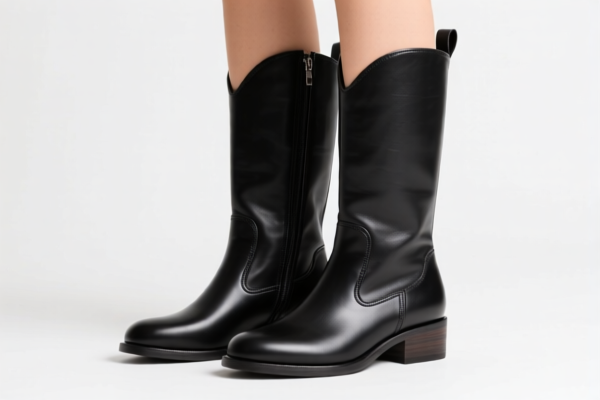
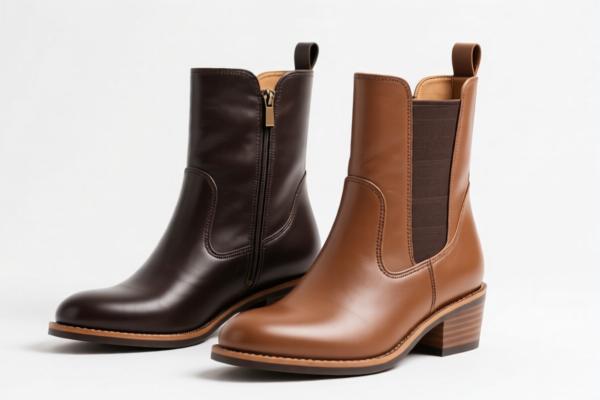
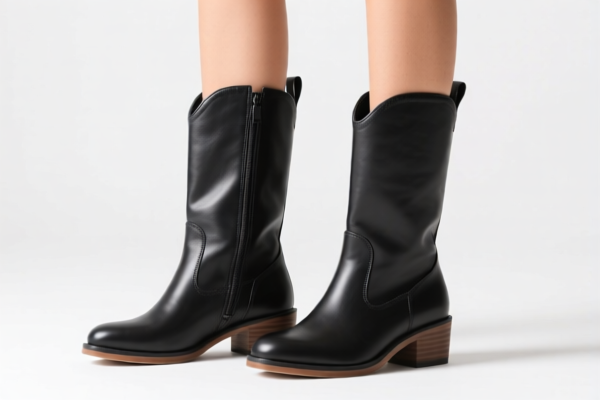
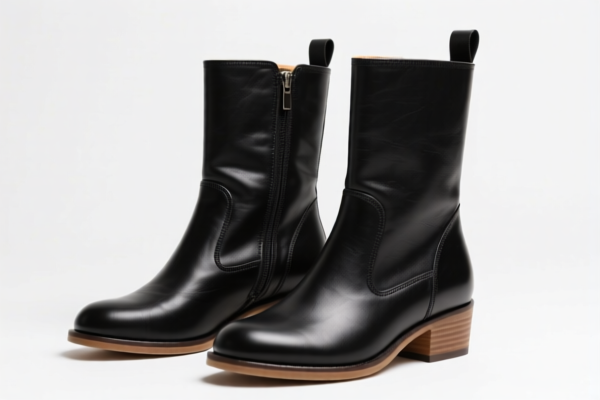
AI Analysis
🥾 Rubber Rain Boots (Wellington Boots)
🌐 HS Code Reference & Customs Clearance Guide | 2026 Latest Tariff Analysis | Professional Clearance Strategy
📌 I. Product Definition & Classification: Do You Really Understand "Rain Boots"?
Rubber rain boots are waterproof footwear designed for use in wet, muddy, or hazardous environments. In international trade, they are strictly classified based on material composition and structural form. The key distinction lies between Footwear (Chapter 64) and Rubber Products (Chapter 40).
Key Distinctions: * Footwear Class (Chapter 64): Boots with a sole attached to the upper, typically used as wearable shoes. Specifically, those covering the ankle. * Rubber Product Class (Chapter 40): Items made of vulcanized rubber that serve as protective covers, overshoes, or industrial components, rather than primary footwear structures.
⚠️ Critical Identification Point:
- If the item is a complete boot designed to be worn as a shoe/footwear covering the ankle → HS 6402.91
- If the item is a simple rubber cover/sleeve (overshoe) or an industrial rubber component → HS 4016.99
📦 II. HS Code Classification Details (2026 Latest Tariff Authority Comparison)
| HS Code | Product Description | Applicable Scenario | Tax Rate |
|---|---|---|---|
6402.91.10.00 |
Rubber rain boots, material: rubber, form: ankle-covering boots, purpose: waterproof protection | Standard consumer rain boots, ankle-high, solid rubber construction | 47.5% |
6402.91.50.20 |
Rubber rain boots, material: rubber, purpose: protective/ankle-covering footwear, no specific gender | Unisex rain boots, general protective footwear | 47.5% |
4016.99.05.00 |
Rubber rain boots or boot covers, material: vulcanized rubber, purpose: household/personal protection items | Rubber overshoes, protective boot sleeves, household use | 20.9% |
4016.99.60.50 |
Rubber rain boots, material: vulcanized rubber, form: finished goods, other rubber products for non-motor vehicles | Industrial rubber boots, specialized non-vehicle rubber articles | 37.5% |
4016.99.05.00 |
Rubber boot covers, material: vulcanized rubber, purpose: household/personal protection, fits residual category | Generic rubber boot covers falling under "other" residual categories | 20.9% |
🔍 Key Reminder:
- HS 6402.91 items are classified as Footwear. They attract higher base tariffs (37.5%) plus additional duties. - HS 4016.99 items are classified as Other Rubber Articles. They have lower base tariffs (2.5%-3.4%) but still face significant additional duties. - Misclassification Risk: Declaring a standard ankle boot as a "boot cover" to save taxes is risky and may lead to audits if the product structure clearly indicates it is footwear.
💰 III. 2026 Latest Tariff Rate Details (Including Surcharges & Policy Additions)
✅ Applicable Country: United States (US)
✅ Origin: China (CN)
✅ Effective Time: 2025/2026 Tariff Regime
🎯 1. 6402.91.10.00 & 6402.91.50.20 —— Rubber Rain Boots (Footwear Category)
| Item | Content |
|---|---|
| Base Tariff | 37.5% (ad valorem) |
| Section 301 Surcharge | 0.0% |
| Section 122 Surcharge | 10.0% |
| Total Effective Rate | 47.5% |
| Tax Calculation | CIF Value × 47.5% |
| De Minimis Exemption | ❌ Not Applicable (High tariff goods typically excluded from 800/500/250 thresholds) |
| Legal Basis Path | USITC:6402.91.xx.xx → SECTION:122 (10%) |
📌 Explanation:
- The 37.5% base rate is standard for rubber footwear covering the ankle. - The 10% Section 122 tariff applies to specific footwear and apparel items from China. - Total 47.5% is a significant cost driver. Ensure your margin accounts for this.
🎯 2. 4016.99.05.00 & 4016.99.05.00 —— Rubber Boot Covers / Overshoes (Residual Rubber Products)
| Item | Content |
|---|---|
| Base Tariff | 3.4% |
| Section 301 Surcharge | 7.5% |
| Section 122 Surcharge | 10.0% |
| Total Effective Rate | 20.9% |
| Tax Calculation | CIF Value × 20.9% |
| De Minimis Exemption | ⚠️ Check Eligibility (Lower base rate may allow for different de minimis thresholds, but Section 301/122 often override) |
| Legal Basis Path | USITC:4016.99.05.00 → SECTION:301 (7.5%) + SECTION:122 (10%) |
📌 Explanation:
- This classification is for items like simple rubber overshoes (slip-on covers worn over other shoes) or specific household rubber items. - The base rate is much lower (3.4%), but Section 301 (7.5%) and Section 122 (10%) still apply. - Total 20.9% is significantly cheaper than the footwear category.
🎯 3. 4016.99.60.50 —— Other Vulcanized Rubber Products (Industrial/Specialized)
| Item | Content |
|---|---|
| Base Tariff | 2.5% |
| Section 301 Surcharge | 25.0% |
| Section 122 Surcharge | 10.0% |
| Total Effective Rate | 37.5% |
| Tax Calculation | CIF Value × 37.5% |
| De Minimis Exemption | ❌ Not Applicable |
| Legal Basis Path | USITC:4016.99.60.50 → SECTION:301 (25%) + SECTION:122 (10%) |
📌 Explanation:
- This code is for "other rubber products" not specified elsewhere, often used for industrial rubber boots or specialized non-footwear rubber articles. - The Section 301 surcharge is high (25%), bringing the total to 37.5%. - Use this only if the product clearly does not fit the "footwear" or "overshoe" definitions.
🛠️ IV. Customs Clearance Practical Advice (Real-World Pitfall Avoidance)
✅ 1. Required Documentation Checklist (Non-Negotiable)
| Document | Must Provide | Explanation |
|---|---|---|
| ✅ Product Specifications | ✔️ | Material (Vulcanized Rubber vs. Latex), Sole Type, Height (Ankle vs. Knee) |
| ✅ Photos (Labeled) | ✔️ | Side view, sole view, interior view to distinguish from "overshoes" |
| ✅ Commercial Invoice | ✔️ | Clear description: "Rubber Rain Boot" or "Rubber Overshoe" |
| ✅ Packing List | ✔️ | Dimensions and weight per pair |
| ✅ Origin Certificate | ✔️ | If applicable for preferential treatment (though unlikely for China origin) |
| ✅ Test Reports | ✔️ | Material safety, lead/phthalate tests (if required by destination) |
✅ 2. Declaration Tips (Key Mnemonics)
🔥 "Structure Determines Code, Ankle = Footwear, Cover = Rubber!"
| Scenario | Correct Declaration | Incorrect Action |
|---|---|---|
| Standard Ankle Rain Boot (Worn as shoe) | 6402.91.xx.xx |
Declare as "Overshoe" → High Risk of Misclassification Penalty |
| Simple Rubber Slip-on Cover (Worn over shoes) | 4016.99.05.00 |
Declare as "Boot" → Higher Tax (47.5% vs 20.9%) |
| Industrial Rubber Boot (Heavy duty, no fabric lining) | 4016.99.60.50 or 6402.91 |
Ambiguous description → Customs Query/Delay |
| Mixed Pack (Boots + Covers) | Separate Declaration | Combined HS Code → Complex Audit |
✅ 3. Special Cases Handling
| Scenario | Handling Advice |
|---|---|
| OEM Custom Boots | Provide design drawings showing the sole-upper attachment method. If the sole is molded with the upper, it’s definitely 6402. |
| Boots with Fabric/Lining | If the upper contains significant textile material, it might not even be 6402 (rubber footwear). It could fall under textile footwear. Check Chapter 61/62 vs 64. |
| De Minimis (800/250/500) | Be aware that Section 122 (10%) and Section 301 duties often invalidate de minimis exemptions for low-value shipments. Always consult your broker for small parcels. |
| Seasonal Imports | Ensure clearance is planned well in advance. Customs may scrutinize imports during peak rainy seasons. |
🌍 V. Global Market Comparison (2026 Latest)
| Country/Region | Recommended HS Code | Tariff Rate | Certification Requirements | Notes |
|---|---|---|---|---|
| 🇺🇸 USA | 6402.91.xx.xx or 4016.99.xx.xx |
20.9% - 47.5% | None specific (General) | High Section 301/122 duties apply to China origin. |
| 🇨🇳 China | 6402.91.10.00 |
~10-14% | CCC (if applicable) | Lower import duty, no Section 301/122. |
| 🇪🇺 EU | 6402.91.xx.xx |
~0-10% | CE (if PPE), REACH | Generally lower tariffs than US, but stricter chemical regulations. |
| 🇬🇧 UK | 6402.91.xx.xx |
~0-10% | UKCA (if PPE) | Post-Brexit rules apply. |
| 🇦🇺 Australia | 6402.91.xx.xx |
5% | No specific | GST applies (10%). |
📌 Conclusion:
- USA is the most expensive market due to Section 301 and Section 122 tariffs. - EU and Australia are more tariff-friendly, but have stricter chemical/safety regulations (REACH, CE). - Strategic Advice: If exporting to the US, ensure accurate classification to avoid double taxation or penalties. Consider if "overshoes" (4016.99.05.00) are a viable alternative product form to reduce tariffs.
📌 VI. Common Mistakes & Pitfall Guide (Lessons Learned)
❌ Mistake 1: Declaring standard ankle boots as "Rubber Overshoes" to save tax.
👉 Consequence: Customs verifies the product structure. If it's a full boot, you pay back taxes + penalties (47.5% vs 20.9%).
❌ Mistake 2: Using "Footwear" as a generic description without specifying material.
👉 Consequence: Customs may default to a higher tariff code or request extensive documentation.
❌ Mistake 3: Ignoring Section 122 (10%).
👉 Consequence: Under-declaration of duties. Section 122 applies to many footwear items from China.
❌ Mistake 4: Assuming De Minimis applies to all low-value shipments.
👉 Consequence: Section 301 and Section 122 duties often override de minimis thresholds. Your small package may still incur duty.
✅ Correct Practice:
"Ankle-High Vulcanized Rubber Rain Boot, Black, Size 10, For Outdoor/Waterproof Use, Model XYZ, Made in China"
🎯 VII. Conclusion: Professional Declaration, Save Time, Reduce Costs!
🎯 Remember the Mnemonic:
🔹 "Ankle Boot = 6402 (47.5%) / Overshoe = 4016 (20.9%)"
🔹 "Section 122 adds 10%, Section 301 adds 7.5% or 25%."
🔹 "Accurate HS Code saves thousands, wrong code costs everything!"
📌 Pro Tip:
If your product is a simple rubber cover that slips over an existing shoe, strictly use 4016.99.05.00. Provide photos showing it is not a standalone footwear item. This can save you 26.6% in tariffs (47.5% - 20.9%).
📣 Immediate Action:
📞 Contact a licensed customs broker + Provide clear product images + Apply for HS Code Advance Ruling (if available)
🚀 Ensure your rain boots, smoothly cleared, efficiently exported, profit maximized!
✨ Professional Customs Clearance Starts with Precise Classification!
💼 Every penny of your cost deserves precise calculation!
Customer Reviews
About HS Code Classification
The Harmonized System (HS) is an internationally standardized nomenclature developed by the World Customs Organization (WCO) to classify traded products. Over 200 countries use the HS system as the basis for customs tariffs, trade statistics, and import/export regulations.
Each HS code follows a hierarchical structure:
- Chapter (2 digits) — Broad category of goods (e.g., Chapter 84: Machinery and Mechanical Appliances)
- Heading (4 digits) — More specific grouping within the chapter
- Subheading (6 digits) — Internationally standardized breakdown, used by all WCO member countries
- National subdivisions (8-10 digits) — Country-specific extensions for further classification, such as US HTSUS 10-digit codes
Correct HS code classification is essential for smooth customs clearance, accurate duty payment, and compliance with trade regulations. Misclassification can lead to customs delays, overpayment of duties, or penalties.
When importing from CN to US, the applicable tariff rates may include:
- Most-Favored-Nation (MFN) rate — The standard duty rate applied to WTO members
- General rate — Applied to countries without trade agreements
- Trade remedy duties — Additional tariffs such as Section 301 (anti-dumping), Section 232 (national security), or countervailing duties
The information provided on this page is for reference purposes only. For official classification, please consult with your local customs authority or a licensed customs broker.