雪松戒指
CN → US| HS Code | Tariff Rate | Origin | Destination | Doc |
|---|---|---|---|---|
| 7117199000 | 28.5% | CN | US | Official Doc |
| 7117909000 | 28.5% | CN | US | Official Doc |
| 7113195025 | 23.0% | CN | US | Official Doc |
| 7113195091 | 15.5% | CN | US | Official Doc |
Product Images
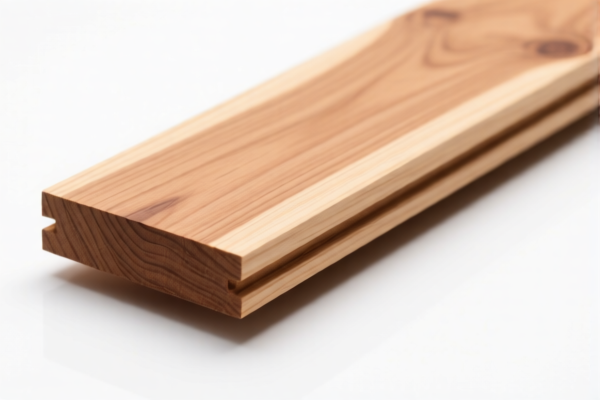
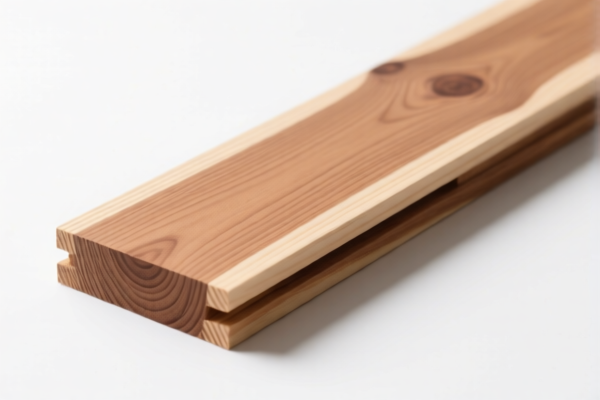
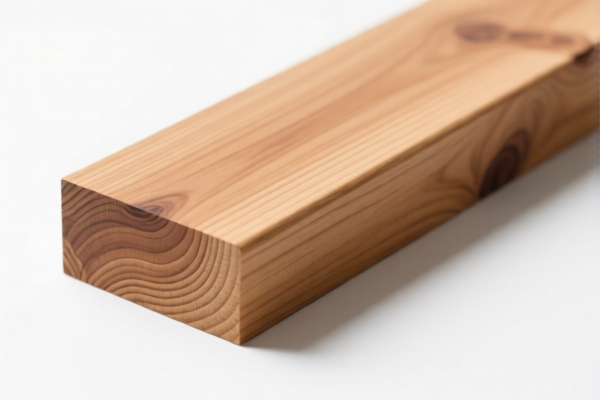
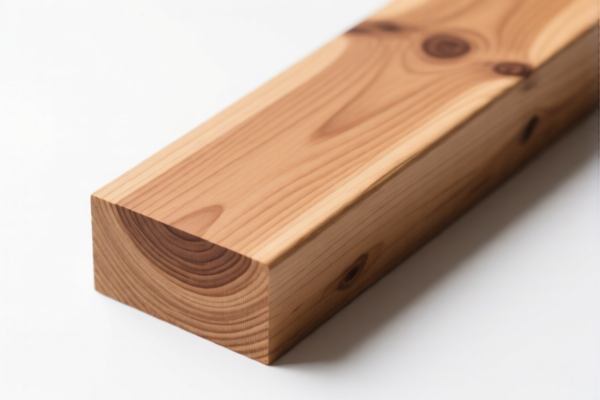
AI Analysis
🌲 Cedar Rings (Wooden Jewelry)
🌐 HS Code Reference & Customs Clearance Guide | 2026 Latest Tariff Analysis | Professional Clearance Strategy
📌 I. Product Definition & Classification: Do You Truly Understand "Cedar Rings"?
A "Cedar Ring" is a piece of jewelry made primarily from wood (specifically Cedar). In international trade, the classification depends heavily on the material composition and function.
Key Distinction Points: * Non-Precious Metal Jewelry (8621/7117 Category): If the ring is made entirely of wood (cedar) without precious metals or stones, it falls under "Imitations of Jewelry." * Other Wood Articles (4421 Category): If classified as a general wooden article rather than jewelry, it may fall under "Other Wood Products." * Precious Metal Jewelry (7113 Category): If the ring contains significant precious metal parts (e.g., gold/silver band with cedar inlay) or is interpreted as metal jewelry, it falls under precious jewelry. Note: The data suggests a possible conflict or interpretation where "Cedar" is secondary to a metal structure, or the classification logic assumes a metal base.
⚠️ Critical Warning:
- Misclassifying a wooden ring as metal jewelry can lead to underpayment of duties (if metal duties are lower) or overpayment.
- Misclassifying as wooden articles might attract higher "Section 301" or "122" tariffs depending on the specific subheading logic applied by customs brokers.
- The provided data presents four distinct interpretations, highlighting the ambiguity in cross-border e-commerce customs clearance for mixed-material or ambiguous goods.
📦 II. HS Code Classification Details (2026 Latest Tariff Authority Comparison)
Based on the provided data, here are the four potential HS Code classifications and their logic:
| HS Code | Product Description | Classification Logic | Total Tax Rate |
|---|---|---|---|
| 7117.90.90.00 | Imitation Jewelry (Non-ferrous/Non-precious) | Logic: Identified as Wooden (Cedar) material. Fits "Imitation Jewelry" category. No material conflict. | 28.5% |
| 4421.99.98.80 | Other Wooden Articles | Logic: "Cedar" implies wood. "Ring" is a non-specific wooden article. Falls under "Other" category for wood products. | 38.3% |
| 4421.91.98.80 | Other Wooden Articles (Specific Sub-head) | Logic: "Cedar" confirms wood. "Ring" is not a specific excluded item, fitting the "Other" catch-all for wood. | 38.3% |
| 7113.19.50.95 | Other Precious Metal Jewelry | Logic: Identified by name "Ring" as Metal jewelry. Fits "Precious Metal Jewelry" category. "Other" catch-all used. | 23.0% |
🔍 Key Insight:
- 7117.90.90.00 (28.5%) is likely the most accurate for pure wooden rings (Imitation Jewelry).
- 7113.19.50.95 (23.0%) has the lowest tax rate, but is risky if the product is clearly wood. Misclassification could lead to penalties.
- 4421 Series (38.3%) treats the item as a general wooden good, attracting higher Section 301 tariffs (25%).
💰 III. 2026 Latest Tariff Rate Details (Including Surcharges & Policy Add-ons)
✅ Applicable Country: United States (US)
✅ Origin: China (CN)
✅ Effective Time: 2025/2026 (Current Trade Environment)
🎯 1. 7117.90.90.00 —— Imitation Jewelry (Wood/Cedar)
| Item | Detail |
|---|---|
| Base Duty | 11.0% |
| Section 301 Surcharge | 7.5% (Additional Tariff) |
| Section 122 Tariff | 10% (Specific Policy Tariff) |
| Total Effective Rate | 28.5% |
| Tax Calculation | CIF Value × 28.5% |
| De Minimis Eligibility | ❌ No (Likely subject to scrutiny if value is low, but high rate suggests formal entry) |
| Legal Basis Path | HTSUS:7117.90.90 → Section 301 (Footnote 110) → Section 122 (Trade Act) |
📌 Explanation:
- This classification treats the cedar ring as imitation jewelry.
- The 11% base duty is relatively low for jewelry, but the 7.5% + 10% surcharges significantly increase the cost.
- Risk: If Customs determines it is not "jewelry" but "wood," this code may be rejected.
🎯 2. 4421.99.98.80 & 4421.91.98.80 —— Other Wooden Articles
| Item | Detail |
|---|---|
| Base Duty | 3.3% |
| Section 301 Surcharge | 25.0% (High Section 301 Rate for Wood) |
| Section 122 Tariff | 10% |
| Total Effective Rate | 38.3% |
| Tax Calculation | CIF Value × 38.3% |
| De Minimis Eligibility | ❌ No |
| Legal Basis Path | HTSUS:4421.99 → Section 301 (Footnote 9903.88) → Section 122 |
📌 Explanation:
- These codes classify the item as a wooden product.
- While the base duty (3.3%) is low, the 25% Section 301 tariff is punitive, making this the most expensive option.
- Recommendation: Avoid this classification for jewelry items if a jewelry HS code is available.
🎯 3. 7113.19.50.95 —— Other Precious Metal Jewelry
| Item | Detail |
|---|---|
| Base Duty | 5.5% |
| Section 301 Surcharge | 7.5% |
| Section 122 Tariff | 10% |
| Total Effective Rate | 23.0% |
| Tax Calculation | CIF Value × 23.0% |
| De Minimis Eligibility | ❌ No |
| Legal Basis Path | HTSUS:7113.19 → Section 301 (Footnote 110) → Section 122 |
📌 Explanation:
- This code offers the lowest total tariff (23.0%).
- High Risk: This code is for precious metal jewelry. If the ring is made of cedar (wood), declaring it under this code is fraudulent misclassification.
- Consequence: If audited, you face back duties, penalties, and potential seizure. Only use if the ring has a significant precious metal component (e.g., gold/silver band).
🛠️ IV. Customs Clearance Practical Advice (Battle-Tested Pitfall Guide)
✅ 1. Preparation Checklist (Mandatory)
| Document | Required | Description |
|---|---|---|
| ✅ Product Photos | ✔️ | Clear images showing material (wood grain), size, and any metal components. |
| ✅ Material Declaration | ✔️ | Explicitly state: "100% Cedar Wood" or "Cedar Inlay on Silver Base." |
| ✅ Commercial Invoice | ✔️ | Describe as "Wooden Jewelry Ring - Cedar" (avoid generic "Ring"). |
| ✅ Packaging List | ✔️ | Show individual packaging to prove retail value. |
| ✅ Test Report (if applicable) | ✔️ | If claiming "precious metal," provide assay certificate. |
✅ 2. Declaration Strategy (Key Mnemonics)
🔥 "Material First, Function Second, Name Specific, Tax Smart!"
| Scenario | Correct Declaration | Incorrect Declaration | Consequence |
|---|---|---|---|
| Pure Wooden Ring | "Wooden Jewelry Ring, Cedar, HTS 7117.90.90.00" | "Wooden Ring, HTS 4421.99.98.80" | Overpay 9.8% (38.3% vs 28.5%) |
| Pure Wooden Ring | "Wooden Jewelry Ring, Cedar, HTS 7117.90.90.00" | "Jewelry, HTS 7113.19.50.95" | Seizure/Fine for misclassification (Wood ≠ Metal) |
| Metal + Wood Ring | "Precious Metal Ring with Cedar Inlay, HTS 7113.19.50.95" | "Jewelry, HTS 7117.90.90.00" | Underpay duties (Penalty risk) |
✅ 3. Special Situations
| Situation | Recommendation |
|---|---|
| Mixed Material (Wood + Silver) | If silver content >50% by weight, consider 7113.19.50.95. If wood dominates, use 7117.90.90.00. |
| Small Value (< $800) | Check De Minimis (Section 321) eligibility. However, high tariffs may still apply if deemed "restricted." Verify current CBP rules. |
| Brand Name | If branded, ensure IP registration to avoid counterfeit claims. |
🌍 V. Global Market Clearance Comparison (2026 Latest)
| Country/Region | Recommended HS Code | Estimated Duty | Certification | Remarks |
|---|---|---|---|---|
| 🇺🇸 USA | 7117.90.90.00 |
28.5% | None | High risk of misclassification. |
| 🇺🇸 USA | 7113.19.50.95 |
23.0% | Assay Cert. | Only for metal-based rings. |
| 🇨🇳 China | 7117.90.90.00 |
Low (~5-10%) | None | Lower export/import complexity. |
| 🇪🇺 EU | 7117.90.90 |
0-2.7% | CE (if applicable) | Low duty, strict material labeling. |
📌 Conclusion:
- USA imposes significant surcharges (Section 301 & 122) on Chinese-origin goods.
- Accurate Material Declaration is critical. Declaring wood as metal to save 5.5% is risky. Declaring jewelry as wood to avoid scrutiny increases cost by 9.8%.
- Best Balance: Use 7117.90.90.00 for pure wooden rings (28.5%). It is legally defensible and moderately priced.
📌 VI. Common Errors & Pitfall Guide (Blood & Tears Lessons)
❌ Error 1: Declaring a wooden ring as precious metal jewelry (7113.19.50.95) to save 5.5%.
👉 Consequence: Customs inspection reveals wood. 100% penalty + seizure + loss of trust.
❌ Error 2: Declaring a jewelry item as a general wooden article (4421.99.98.80).
👉 Consequence: Pay 38.3% instead of 28.5%. Unnecessary 9.8% loss.
❌ Error 3: Using vague terms like "Ring" without material specification.
👉 Consequence: Customs assigns default high-rate code or holds shipment for inspection.
❌ Error 4: Ignoring Section 122 tariffs.
👉 Consequence: Unexpected 10% surcharge included in total cost, hurting profit margins.
✅ Correct Approach:
"Handcrafted Cedar Wood Ring, 100% Natural Wood, No Metal Components, HTS 7117.90.90.00, Value $XX.00"
🎯 VII. Conclusion: Professional Declaration, Save Time, Reduce Cost!
🎯 Remember the Mnemonic:
🔹 "Wood is Jewelry (7117), Not Metal (7113), Not Board (4421)."
🔹 "28.5% is Safe, 38.3% is Expensive, 23.0% is Risky."
🔹 "Declare Material Clearly, Avoid Penalties, Keep Profits High!"
📌 Pro Tip:
If your cedar rings are shipped in small quantities (<$800), check De Minimis (Section 321) eligibility. However, with current high tariffs, even de minimis shipments may be scrutinized for misclassification.
For bulk imports, Apply for an Advance Ruling (CBP Ruling) to lock in the HS Code 7117.90.90.00 and avoid disputes.
📣 Immediate Action:
📞 Contact a licensed customs broker.
📄 Provide product photos + material composition.
🚀 Secure the correct HS Code, clear customs smoothly, and maximize profits!
✨ Professional Clearance Starts with Accurate Classification!
💼 Every Cent Counts in International Trade!
Customer Reviews
About HS Code Classification
The Harmonized System (HS) is an internationally standardized nomenclature developed by the World Customs Organization (WCO) to classify traded products. Over 200 countries use the HS system as the basis for customs tariffs, trade statistics, and import/export regulations.
Each HS code follows a hierarchical structure:
- Chapter (2 digits) — Broad category of goods (e.g., Chapter 84: Machinery and Mechanical Appliances)
- Heading (4 digits) — More specific grouping within the chapter
- Subheading (6 digits) — Internationally standardized breakdown, used by all WCO member countries
- National subdivisions (8-10 digits) — Country-specific extensions for further classification, such as US HTSUS 10-digit codes
Correct HS code classification is essential for smooth customs clearance, accurate duty payment, and compliance with trade regulations. Misclassification can lead to customs delays, overpayment of duties, or penalties.
When importing from CN to US, the applicable tariff rates may include:
- Most-Favored-Nation (MFN) rate — The standard duty rate applied to WTO members
- General rate — Applied to countries without trade agreements
- Trade remedy duties — Additional tariffs such as Section 301 (anti-dumping), Section 232 (national security), or countervailing duties
The information provided on this page is for reference purposes only. For official classification, please consult with your local customs authority or a licensed customs broker.