面包发酵篮
CN → US| HS Code | Tariff Rate | Origin | Destination | Doc |
|---|---|---|---|---|
| 3924103000 | 22.8% | CN | US | Official Doc |
| 3924104000 | 13.4% | CN | US | Official Doc |
| 4419199000 | 13.2% | CN | US | Official Doc |
| 6911104100 | 16.3% | CN | US | Official Doc |
| 6911108010 | 38.3% | CN | US | Official Doc |
Product Images
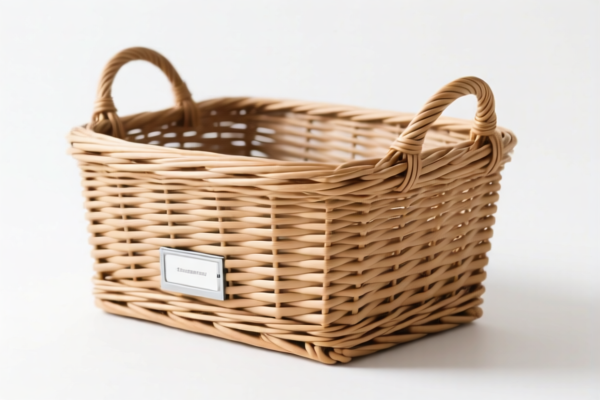
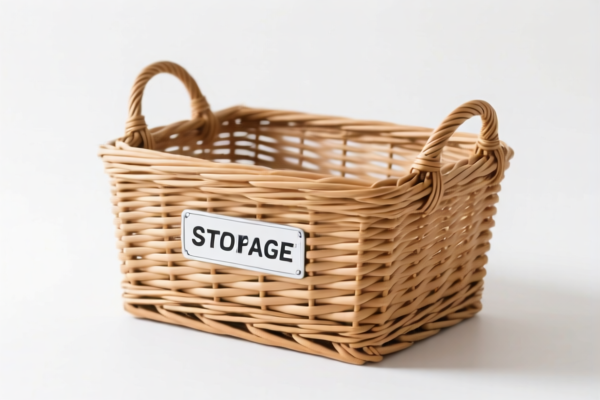
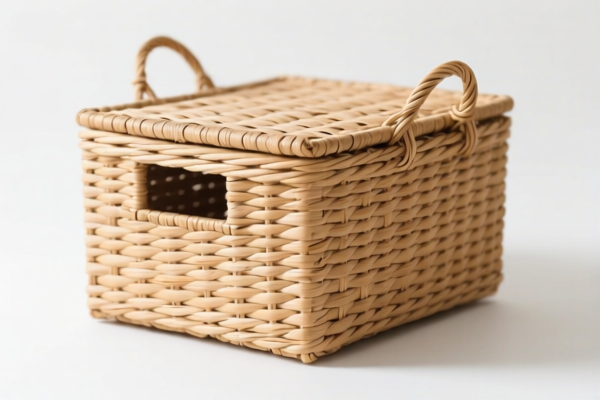
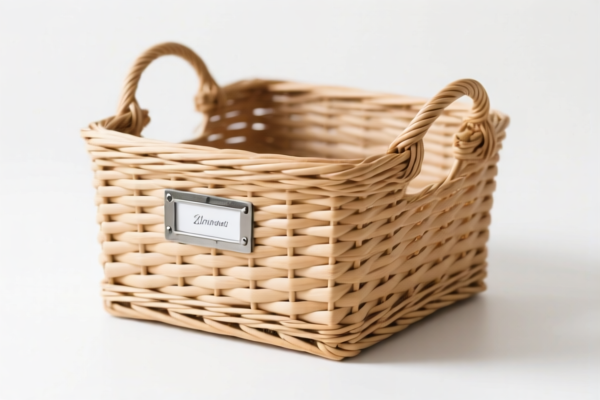
AI Analysis
🥖 Proofing Baskets (Bannetons) – The Ultimate Guide to HS Classification & US Customs Clearance
🌐 HS Code Reference & Customs Clearance Guide | 2024/2025 Latest Tariff Analysis | Professional Entry Strategy
📌 I. Product Definition & Classification: What Exactly is a "Proofing Basket"?
A Proofing Basket (also known as a Banneton, Couche Basket, or Bread Basket) is a specialized kitchen tool used in artisanal bread baking. Its primary function is to hold shaped dough during the final fermentation (proofing) stage, providing structure and preventing sticking via dusting with flour.
In international trade, the classification depends strictly on the material composition of the basket. The function remains the same, but the HS Code shifts dramatically based on whether it is made of plastic, wood/bamboo, or ceramic.
⚠️ Key Distinction Point:
- Plastic/Molded Fibers → Often fall under Household/Kitchenware plastics or specific textile categories if woven.
- Wood/Bamboo/Rattan → Falls under Chapter 44 (Wood), specifically cutlery/kitchenware.
- Ceramic/Porcelain → Falls under Chapter 69 (Ceramics), specifically tableware/kitchen utensils.
- Metal/Other → Not present in this dataset, but would fall under Chapter 73 or 76.
📦 II. HS Code Classification Matrix (Based on Provided Data)
| HS Code | Product Description | Material | Kitchenware Category | Total Tax Rate (US Import) |
|---|---|---|---|---|
3924.10.30.00 |
Plastic Bread Basket | Plastic | Kitchen Use / Tableware | 22.8% |
4419.19.90.00 |
Bamboo/Wood/Rattan Bread Basket | Wood/Bamboo | Other Kitchen Tableware | 13.2% |
3924.10.40.00 |
Plastic Bread Basket | Plastic | Tableware / Home Supplies | 13.4% |
6911.10.41.00 |
Ceramic Bread Basket | Ceramic | Tableware & Kitchen Utensils | 16.3% |
6911.10.80.10 |
Ceramic Bread Basket | Ceramic | Food/Beverage Contact Articles | 38.3% |
🔍 Critical Note:
- Plastic Baskets: Split into two subheadings (3924.10.30vs3924.10.40) with significantly different tax impacts due to specific usage definitions.
- Wood/Bamboo: Generally the most tax-efficient option among common materials for this product.
- Ceramic: Highly sensitive to sub-heading.6911.10.80.10incurs a massive 38.3% tax due to being classified under specific food-contact ceramic articles with higher base duties.
💰 III. 2024/2025 Tariff Rate Breakdown (Detailed Tax Analysis)
✅ Applicable Country: United States (US)
✅ Origin: China (CN)
✅ Policy Context: Includes Section 301 (Trade War) Tariffs and Section 122 Tariffs.
🎯 1. 3924.10.30.00 – Plastic Bread Basket (Kitchen Specific)
| Item | Detail |
|---|---|
| Base Duty | 5.3% |
| Section 301 Additional Duty | 7.5% |
| Section 122 Duty | 10.0% |
| Total Effective Tax | 22.8% |
| Calculation Basis | CIF Value × 22.8% |
| De Minimis Eligibility | ❌ No (Value threshold exceeded or excluded category) |
| Legal Reference | USITC HTS 3924.10.30 → Section 301 Footnote → Section 122 Add-on |
📌 Explanation:
- This classification targets plastics specifically used in kitchenware.
- The 7.5% Section 301 tariff applies to most Chinese plastic goods.
- The 10% Section 122 tariff is a recent addition for certain consumer goods, significantly increasing the burden.
🎯 2. 4419.19.90.00 – Bamboo/Wood/Rattan Bread Basket
| Item | Detail |
|---|---|
| Base Duty | 3.2% |
| Section 301 Additional Duty | 0.0% |
| Section 122 Duty | 10.0% |
| Total Effective Tax | 13.2% |
| Calculation Basis | CIF Value × 13.2% |
| De Minimis Eligibility | ❌ No |
| Legal Reference | USITC HTS 4419.19.90 → Section 122 Add-on |
📌 Explanation:
- Wood/Bamboo products are EXEMPT from Section 301 tariffs (0%). This is the biggest cost saver.
- Only the 10% Section 122 tariff and 3.2% base duty apply.
- Recommendation: If your product can be made of bamboo or wood, this is the most cost-effective HS code in the dataset.
🎯 3. 3924.10.40.00 – Plastic Bread Basket (General Tableware)
| Item | Detail |
|---|---|
| Base Duty | 3.4% |
| Section 301 Additional Duty | 0.0% |
| Section 122 Duty | 10.0% |
| Total Effective Tax | 13.4% |
| Calculation Basis | CIF Value × 13.4% |
| De Minimis Eligibility | ❌ No |
| Legal Reference | USITC HTS 3924.10.40 → Section 122 Add-on |
📌 Explanation:
- This code is for plastic tableware/home supplies not specifically classified as "kitchen utensils" under the stricter 301 list, hence 0% Section 301.
- Compare with3924.10.30.00(22.8% vs 13.4%).
- Strategic Insight: If the basket is marketed as a "general home supply" or "decorative item" rather than strict "kitchen utensil," it may qualify for this lower tax rate. Product description wording is critical.
🎯 4. 6911.10.41.00 – Ceramic Bread Basket (Tableware)
| Item | Detail |
|---|---|
| Base Duty | 6.3% |
| Section 301 Additional Duty | 0.0% |
| Section 122 Duty | 10.0% |
| Total Effective Tax | 16.3% |
| Calculation Basis | CIF Value × 16.3% |
| De Minimis Eligibility | ❌ No |
| Legal Reference | USITC HTS 6911.10.41 → Section 122 Add-on |
📌 Explanation:
- Ceramics often benefit from 0% Section 301 depending on the specific sub-heading.
- 16.3% is moderate but higher than wood/bamboo.
🎯 5. 6911.10.80.10 – Ceramic Bread Basket (Food Contact Specific)
| Item | Detail |
|---|---|
| Base Duty | 20.8% |
| Section 301 Additional Duty | 7.5% |
| Section 122 Duty | 10.0% |
| Total Effective Tax | 38.3% |
| Calculation Basis | CIF Value × 38.3% |
| De Minimis Eligibility | ❌ No |
| Legal Reference | USITC HTS 6911.10.80.10 → Section 301 Footnote → Section 122 Add-on |
📌 Explanation:
- AVOID THIS CODE IF POSSIBLE.
- This sub-heading classifies ceramics specifically for food/beverage contact with higher base duties (20.8%).
- It is SUBJECT to Section 301 tariffs (7.5%), unlike other ceramic codes.
- The 38.3% total tax is punitive. Many ceramic goods escape this by being classified under general tableware (6911.10.41) if they are not strictly defined as "food contact articles" requiring FDA-level certification in customs views, or if the description is vague.
🛠️ IV. Customs Clearance Practical Advice (Pitfall Avoidance)
✅ 1. Documentation Checklist (Non-Negotiable)
| Document | Must Provide | Reason |
|---|---|---|
| Product Specification Sheet | ✔️ | Must clearly state material (e.g., "100% Bamboo," "Food-Grade Plastic PP," "Glazed Ceramic"). |
| Product Photos | ✔️ | High-res images showing texture. Customs officers inspect photos to verify material. |
| Commercial Invoice | ✔️ | Description must match HS Code. Avoid vague terms like "Basket." Use "Bamboo Proofing Basket for Bread." |
| Material Composition Statement | ✔️ | For plastics/ceramics, a statement confirming no lead/cadmium (if required) helps avoid FDA holds. |
| Certificate of Origin | ✔️ | Critical for proving Chinese origin to apply Section 301/122 correctly. |
✅ 2. Classification Strategy & Keywords
🔥 Golden Rule: "Material Defines the Code, Description Defends the Rate."
| Scenario | Recommended HS Code | Why? | Risk |
|---|---|---|---|
| You want LOWEST tax | 4419.19.90.00 |
0% Sec 301 + 10% Sec 122 = 13.2% | Must be genuine wood/bamboo. Faking it leads to fraud charges. |
| Plastic Product | 3924.10.40.00 |
0% Sec 301 + 10% Sec 122 = 13.4% | Critical: Product must NOT be described as "Kitchen Utensil" if possible. Use "Home Decor Basket" or "General Tableware." If described as "Kitchen Utensil," Customs may force 3924.10.30 (22.8%). |
| Ceramic Product | 6911.10.41.00 |
0% Sec 301 + 10% Sec 122 = 16.3% | Avoid describing as "Food Contact Article" in marketing materials to stay out of 6911.10.80.10. |
| Any Ceramic | Avoid 6911.10.80.10 |
38.3% Total Tax | Only use if you have no choice and can absorb the cost. |
✅ 3. Critical Wording Tips for Commercial Invoice
- For Plastic:
- Bad: "Plastic Kitchen Bread Basket" → Triggers
3924.10.30(22.8%). - Good: "Plastic Tableware, Home Use Bread Basket, Material: PP" → Supports
3924.10.40(13.4%).
- Bad: "Plastic Kitchen Bread Basket" → Triggers
- For Ceramic:
- Bad: "Ceramic Food Contact Bowl/Basket for Bread" → Triggers
6911.10.80.10(38.3%). - Good: "Ceramic Tableware, Decorative Bread Basket, Glazed Finish" → Supports
6911.10.41(16.3%).
- Bad: "Ceramic Food Contact Bowl/Basket for Bread" → Triggers
✅ 4. Special Handling
| Situation | Advice |
|---|---|
| Mixed Materials | If a basket is bamboo with a plastic lining, customs may classify based on the essential character. Usually, the outer material (bamboo) dominates → 4419.19.90.00. |
| Samples | For samples under $800 (De Minimis), ensure the package does not look like a "commercial shipment" (no invoice inside, no bulk packing) to avoid duties entirely, though rules are tightening. |
| Pre-Ruling | If shipping large volumes, apply for a Binding Ruling from CBP to lock in the HS Code. This prevents random reclassification at the port. |
🌍 V. Global Market Comparison (Quick View)
| Market | Recommended HS Code | Est. Total Tax | Key Requirement |
|---|---|---|---|
| 🇺🇸 USA | 4419.19.90.00 (Wood) |
13.2% | Section 301 Exempt |
| 🇺🇸 USA | 3924.10.40.00 (Plastic) |
13.4% | Section 301 Exempt (if categorized correctly) |
| 🇪🇺 EU | 4602.11.00 (Wicker) |
~5-10% | No Section 301, but different HS structure |
| 🇨🇳 China | 4419.19.90.00 |
~5% | No additional tariffs |
📌 Conclusion:
The US market is uniquely punitive due to Section 301 and Section 122 tariffs.
- Wood/Bamboo is the safest bet for low taxes.
- Plastic can be low tax ONLY if classified under general tableware, not kitchen utensils.
- Ceramic is expensive unless carefully classified under general tableware, avoiding "food contact" specific codes.
📌 VI. Common Mistakes & Pitfalls (Lessons Learned)
❌ Mistake 1: Calling a plastic basket "Kitchen Utensil"
👉 Result: Customs upgrades it to 3924.10.30.00 (22.8% tax) instead of 3924.10.40.00 (13.4%).
👉 Fix: Use "Tableware" or "Home Supply" in descriptions.
❌ Mistake 2: Advertising Ceramic Baskets as "Food Safe" on the Label
👉 Result: Customs assumes it falls under 6911.10.80.10 (38.3% tax).
👉 Fix: If the product is not for direct food contact (e.g., it has a liner or is for display), clarify this. Or, accept the higher tax if it's a premium product.
❌ Mistake 3: Ignoring Section 122 Tariffs
👉 Result: Underestimating landed cost by 10%.
👉 Fix: Add 10% to ALL calculations above, regardless of Section 301 status.
🎯 VII. Final Verdict & Action Plan
🎯 Strategic Recommendation:
1. For Cost Sensitivity: Switch to Bamboo/Wood materials (4419.19.90.00). Lowest tax at 13.2% and no Section 301.
2. For Plastic Products: Ensure marketing and invoices DO NOT emphasize "Kitchen Utensil." Classify as 3924.10.40.00 for 13.4% tax.
3. For Ceramic Products: Avoid 6911.10.80.10. Use 6911.10.41.00 (16.3%) by avoiding "food contact" language in customs declarations.
💼 Your Bottom Line:
- Best Case: 13.2% (Wood/Bamboo)
- Average Case: 13.4% - 16.3% (Plastic/Ceramic, correctly classified)
- Worst Case: 38.3% (Ceramic, misclassified as food-contact)
📣 Immediate Action:
📞 Review your product labels. Remove "Food Contact" if unnecessary.
📝 Rewrite Commercial Invoices to match the lowest tax HS Code supported by the product's actual characteristics.
🚀 Preventive Measure: File for an Advance Ruling with US CBP if your shipment value exceeds $10,000.
✨ Precision Classification = Maximized Profit
💼 Don't let Customs Arbitrage eat your margins!
Customer Reviews
About HS Code Classification
The Harmonized System (HS) is an internationally standardized nomenclature developed by the World Customs Organization (WCO) to classify traded products. Over 200 countries use the HS system as the basis for customs tariffs, trade statistics, and import/export regulations.
Each HS code follows a hierarchical structure:
- Chapter (2 digits) — Broad category of goods (e.g., Chapter 84: Machinery and Mechanical Appliances)
- Heading (4 digits) — More specific grouping within the chapter
- Subheading (6 digits) — Internationally standardized breakdown, used by all WCO member countries
- National subdivisions (8-10 digits) — Country-specific extensions for further classification, such as US HTSUS 10-digit codes
Correct HS code classification is essential for smooth customs clearance, accurate duty payment, and compliance with trade regulations. Misclassification can lead to customs delays, overpayment of duties, or penalties.
When importing from CN to US, the applicable tariff rates may include:
- Most-Favored-Nation (MFN) rate — The standard duty rate applied to WTO members
- General rate — Applied to countries without trade agreements
- Trade remedy duties — Additional tariffs such as Section 301 (anti-dumping), Section 232 (national security), or countervailing duties
The information provided on this page is for reference purposes only. For official classification, please consult with your local customs authority or a licensed customs broker.