鞋撑定型器
CN → US| HS Code | Tariff Rate | Origin | Destination | Doc |
|---|---|---|---|---|
| 3926305000 | 22.8% | CN | US | Official Doc |
| 3926902500 | 24.0% | CN | US | Official Doc |
| 6406903060 | 15.3% | CN | US | Official Doc |
| 6406909000 | 17.5% | CN | US | Official Doc |
Product Images
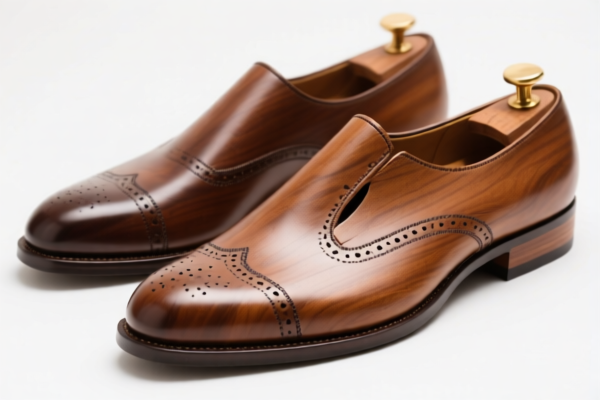
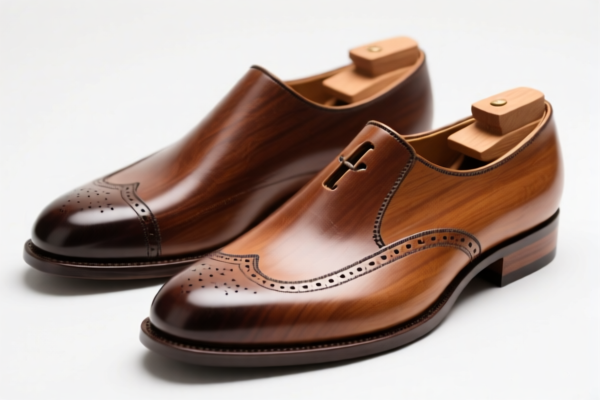
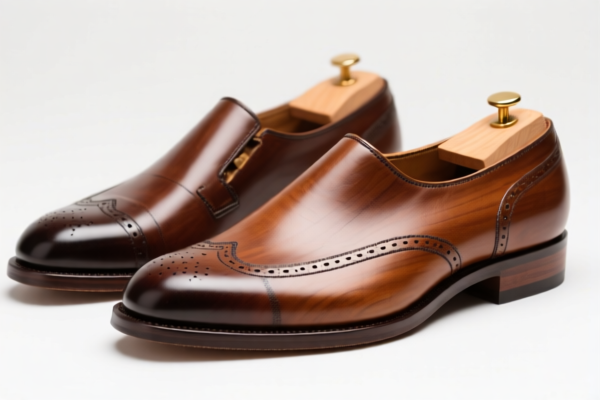
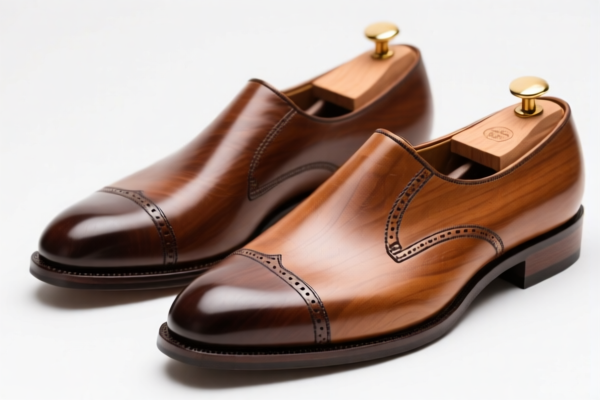
AI Analysis
👞 Shoe Lasts & Shapers (鞋撑定型器)
🌐 HS Code Reference & Customs Clearance Guide | 2026 Latest Tariff Analysis | Professional Entry Strategy
📌 I. Product Definition & Classification: Do You Really Know What a "Shoe Last" Is?
Shoe lasts and shapers are essential accessories used to maintain, shape, or restore the structure of footwear. In international trade, they are classified not by a single "universal" code, but by their material composition and specific function. Misclassification is common and leads to significant tariff differences (from 15.3% to 38.3%).
Key Distinction: * Wooden Lasts: Used for shoemaking repairs or traditional shaping → HS 4421 * Plastic/Rubber Shapers: Mass-produced inserts for maintaining shoe shape after cleaning or storage → HS 6406 or HS 3926
⚠️ Critical Classification Point:
- If the item is a traditional wooden block used by cobblers → 4421.99.98.80
- If it is a plastic insert (e.g., accordion-shaped or solid) for consumer shoe care → 6406.90.90.00 or 3926.90.xxxx
- Do not mix wooden and plastic items in the same declaration without clear separation.
📦 II. HS Code Classification Details (2026 Latest Tariff Authority Comparison)
| HS Code | Product Description | Material Inferred | Application Scenario |
|---|---|---|---|
6406.90.30.60 |
Shoe Parts/Accessories, typically plastic or rubber, used for upper定型 (shaping) | Plastic/Rubber | Professional shoemaker inserts, upper stiffeners |
6406.90.90.00 |
Shoe Auxiliary Tools/Parts, used to maintain shoe shape, no material conflict | Mixed/General | General plastic shoe trees, form-fillers |
3926.90.25.00 |
Inferred as plastic, classified as unspecified plastic product accessories | Plastic | Generic plastic shoe inserts, non-specific plastic aids |
3926.90.99.89 |
Plastic shoe accessories/products, fits the logic of "other plastic articles" | Plastic | Bulk plastic shoe shapers, promotional plastic formers |
3926.30.50.00 |
Inferred as plastic, classified as connecting/supporting accessories for footwear | Plastic | Structural plastic supports within shoes |
4421.99.98.80 |
Likely made of wood, classified as other wooden products/accessories/tools | Wood | Traditional wooden shoe lasts, cobbler blocks |
🔍 Key Reminder:
- Plastic items generally fall under Chapter 39 or Chapter 64.
- Wooden items fall under Chapter 44.
- The total tax burden varies drastically based on this material distinction.
💰 III. 2026 Latest Tariff Rate Breakdown (Including Surtaxes & Policy Add-ons)
✅ Applicable Country: United States (US)
✅ Country of Origin: China (CN)
✅ Effective Time: From Nov 10, 2025 (including subsequent imports)
🎯 1. 6406.90.30.60 —— Shoe Parts (Plastic/Rubber Upper Shapers)
| Item | Details |
|---|---|
| Base Duty Rate | 5.3% (ad valorem) |
| Section 301 Surtax | 0.0% (Specific exemption for this subheading under current 122 Clause interpretation) |
| Section 122 Tariff | +10% |
| Total Duty Rate | 15.3% |
| Tax Calculation | CIF Value × 15.3% |
| De Minimis Eligibility | ❌ Not Applicable (Standard commercial import rules apply) |
| Legal Basis Path | USITC:6406.90.30.60 → FOOTNOTE:122 |
📌 Explanation:
- This is the most cost-effective classification for plastic shoe parts, BUT ONLY IF they are strictly classified as "shoe parts" under Ch. 64.
- The 0% Section 301 rate is a significant advantage compared to generic plastic goods.
- Ensure the product is clearly defined as a "shoe part" in invoices, not just "plastic accessory."
🎯 2. 6406.90.90.00 —— Shoe Auxiliary Tools (General Shape Maintainers)
| Item | Details |
|---|---|
| Base Duty Rate | 0.0% (ad valorem) |
| Section 301 Surtax | 7.5% |
| Section 122 Tariff | +10% |
| Total Duty Rate | 17.5% |
| Tax Calculation | CIF Value × 17.5% |
| De Minimis Eligibility | ❌ Not Applicable |
| Legal Basis Path | USITC:6406.90.90.00 → FOOTNOTE:122 |
📌 Explanation:
- While the base rate is 0%, the 7.5% Section 301 surtax applies here.
- This classification is for "auxiliary tools" that don't fit the specific "upper part" definition of 6406.30.60.
- Total cost is slightly higher than 6406.90.30.60.
🎯 3. 3926.90.25.00 —— Unspecified Plastic Accessories
| Item | Details |
|---|---|
| Base Duty Rate | 6.5% (ad valorem) |
| Section 301 Surtax | 7.5% |
| Section 122 Tariff | +10% |
| Total Duty Rate | 24.0% |
| Tax Calculation | CIF Value × 24.0% |
| De Minimis Eligibility | ❌ Not Applicable |
| Legal Basis Path | USITC:3926.90.25.00 → FOOTNOTE:122 |
📌 Explanation:
- Classified under Chapter 39 (Articles of Plastic).
- Higher base rate (6.5%) + 7.5% Section 301 + 10% Section 122.
- Use this only if the product cannot be clearly defined as a "shoe part" under Chapter 64.
🎯 4. 3926.90.99.89 —— Other Plastic Articles
| Item | Details |
|---|---|
| Base Duty Rate | 5.3% (ad valorem) |
| Section 301 Surtax | 7.5% |
| Section 122 Tariff | +10% |
| Total Duty Rate | 22.8% |
| Tax Calculation | CIF Value × 22.8% |
| De Minimis Eligibility | ❌ Not Applicable |
| Legal Basis Path | USITC:3926.90.99.89 → FOOTNOTE:122 |
📌 Explanation:
- "Catch-all" for plastic goods not elsewhere specified.
- Slightly better than 3926.90.25.00 due to lower base rate, but still subject to Section 301.
🎯 5. 3926.30.50.00 —— Plastic Connecting/Supporting Accessories
| Item | Details |
|---|---|
| Base Duty Rate | 5.3% (ad valorem) |
| Section 301 Surtax | 7.5% |
| Section 122 Tariff | +10% |
| Total Duty Rate | 22.8% |
| Tax Calculation | CIF Value × 22.8% |
| De Minimis Eligibility | ❌ Not Applicable |
| Legal Basis Path | USITC:3926.30.50.00 → FOOTNOTE:122 |
📌 Explanation:
- Specific to "connecting/supporting" plastic parts.
- Same total rate as 3926.90.99.89. Use only if the item is explicitly a support structure.
🎯 6. 4421.99.98.80 —— Wooden Shoe Parts/Tools
| Item | Details |
|---|---|
| Base Duty Rate | 3.3% (ad valorem) |
| Section 301 Surtax | 25.0% (High penalty for wood products from China) |
| Section 122 Tariff | +10% |
| Total Duty Rate | 38.3% |
| Tax Calculation | CIF Value × 38.3% |
| De Minimis Eligibility | ❌ Not Applicable |
| Legal Basis Path | USITC:4421.99.98.80 → FOOTNOTE:122 |
📌 Explanation:
- HIGHEST COST OPTION.
- Although the base rate is low (3.3%), the 25% Section 301 surtax makes this extremely expensive.
- Only use if the product is genuinely wooden. If it is plastic, do NOT declare as wood to avoid fraud penalties.
🛠️ IV. Customs Clearance Practical Advice (Real-World Pitfall Avoidance)
✅ 1. Preparation Checklist (Essential Documents)
| Document | Required? | Explanation |
|---|---|---|
| ✅ Product Specifications | ✔️ | Must specify Material (Plastic, Rubber, Wood), Function (Shaping, Lasting), and Type. |
| ✅ Product Photos | ✔️ | Clear images showing the item is a "Shoe Last/Shaper" and not a generic plastic part. |
| ✅ Commercial Invoice | ✔️ | Description must match HS Code logic (e.g., "Plastic Shoe Shaper" vs. "Plastic Support"). |
| ✅ Packing List | ✔️ | Weight and dimensions must align with the declared product. |
| ✅ Material Declaration | ✔️ | Explicitly state "100% Plastic" or "Natural Wood" to prevent misclassification audits. |
✅ 2. Declaration Strategy (Key Mantra)
🔥 "Material First, Function Second, Avoid Wood for Plastic!"
| Scenario | Correct Declaration | Wrong Declaration | Consequence |
|---|---|---|---|
| Plastic Shoe Insert | 6406.90.30.60 (15.3%) |
3926.90.xxxx (22.8-24%) |
Overpay Tax |
| Plastic Shoe Insert | 6406.90.90.00 (17.5%) |
4421.99.xxxx (38.3%) |
Audit Risk + High Tax |
| Wooden Last | 4421.99.98.80 (38.3%) |
3926.90.xxxx (22.8%) |
Misdeclaration Penalty |
| Mixed Bundle | Split Declaration | Mixed HS Code | Customs Rejection |
✅ 3. Special Handling
| Situation | Recommendation |
|---|---|
| OEM Custom Shapes | Provide design drawings to prove it's a "Shoe Last" (Ch. 64) rather than a "Plastic Part" (Ch. 39). |
| Biodegradable Plastic | Still classified as Plastic (Ch. 39) unless specified otherwise. Expect ~22.8% rate. |
| Wooden Lasts | Consider sourcing from non-China origins (e.g., Vietnam) to avoid the 25% Section 301 surtax if volume is high. |
🌍 V. Global Market Comparison (2026 Latest)
| Country/Region | Recommended HS Code | Tariff Rate | Certification | Notes |
|---|---|---|---|---|
| 🇺🇸 USA | 6406.90.30.60 |
15.3% | None | Lowest rate for plastic parts. |
| 🇨🇳 China | 6406.90.30.60 |
5-10% | N/A | Import duty lower, no Section 122/301. |
| 🇪🇺 EU | 6406.90.90 |
0-4.5% | CE (if applicable) | No "Section 122" equivalent. |
| 🇬🇧 UK | 6406.90.90 |
0-4.5% | UKCA | Post-Brexit tariff alignment. |
📌 Conclusion:
- The US market is the most expensive due to Section 301 and Section 122 tariffs.
- Plastic shoe parts (6406.90.30.60) are the most tariff-efficient option for US imports from China.
- Wooden lasts (4421.99.98.80) are prohibitively expensive due to the 25% surtax.
📌 VI. Common Mistakes & Pitfalls (Lessons Learned)
❌ Mistake 1: Declaring Plastic Shapers as "Plastic Toys" or "General Plastic Parts"
👉 Consequence: Misclassification → 24% Tax instead of 15.3% → Cost Increase.
❌ Mistake 2: Declaring Wooden Lasts as "Plastic" to Avoid Tax
👉 Consequence: Customs inspection reveals wood → Fraud Penalties + Back Taxes + Seizure.
❌ Mistake 3: Ignoring the "Section 122" Tariff
👉 Consequence: All these HS codes include a 10% Section 122 tariff. Forgetting this leads to underpayment.
❌ Mistake 4: Using Vague Descriptions like "Shoe Accessories"
👉 Consequence: Customs may assign the highest default rate or request additional documentation → Delay in Release.
✅ Correct Practice:
"Plastic Shoe Shaper, Model XYZ, Used to Maintain Shoe Shape, 100% PVC"
OR
"Wooden Shoe Last, Traditional Style, for Shoemaker Use"
🎯 VII. Conclusion: Professional Declaration, Save Costs!
🎯 Remember the Mantra:
🔹 "Plastic Parts? Go 6406.30.60 (15.3%)."
🔹 "Wooden Lasts? Pay 38.3% or Change Supplier."
🔹 "Never Mix Materials. Always Specify 'Shoe Part'."
📌 Tip:
If your shoe shapers are plastic and you want to minimize US tariffs, HS 6406.90.30.60 is your best friend.
Ensure your supplier provides a Material Safety Data Sheet (MSDS) if requested, and clearly label products as "Shoe Parts" in the commercial invoice.
📣 Immediate Action:
📞 Consult with a licensed customs broker.
📄 Submit product images and material specs for Advance Ruling if importing large volumes.
🚀 Optimize your tariff burden from 38.3% down to 15.3%!
✨ Professional Clearance Starts with Accurate Classification!
💼 Your Bottom Line Depends on These Digits!
Customer Reviews
About HS Code Classification
The Harmonized System (HS) is an internationally standardized nomenclature developed by the World Customs Organization (WCO) to classify traded products. Over 200 countries use the HS system as the basis for customs tariffs, trade statistics, and import/export regulations.
Each HS code follows a hierarchical structure:
- Chapter (2 digits) — Broad category of goods (e.g., Chapter 84: Machinery and Mechanical Appliances)
- Heading (4 digits) — More specific grouping within the chapter
- Subheading (6 digits) — Internationally standardized breakdown, used by all WCO member countries
- National subdivisions (8-10 digits) — Country-specific extensions for further classification, such as US HTSUS 10-digit codes
Correct HS code classification is essential for smooth customs clearance, accurate duty payment, and compliance with trade regulations. Misclassification can lead to customs delays, overpayment of duties, or penalties.
When importing from CN to US, the applicable tariff rates may include:
- Most-Favored-Nation (MFN) rate — The standard duty rate applied to WTO members
- General rate — Applied to countries without trade agreements
- Trade remedy duties — Additional tariffs such as Section 301 (anti-dumping), Section 232 (national security), or countervailing duties
The information provided on this page is for reference purposes only. For official classification, please consult with your local customs authority or a licensed customs broker.